
How Apple Pie Became America’s Most Powerful Food Symbol
Apple pie occupies a unique place in American culture, representing far more than a simple dessert. Its symbolism is tied to ideas of home, tradition, and national identity, often invoked in phrases that equate it directly with American values. While apples and pies existed long before the United States, the dish became deeply embedded in the country’s cultural narrative over centuries. Through migration, adaptation, and storytelling, apple pie transformed into a shared symbol that reflects how America reshaped borrowed traditions into something distinctly its own.
Roots in European Immigration
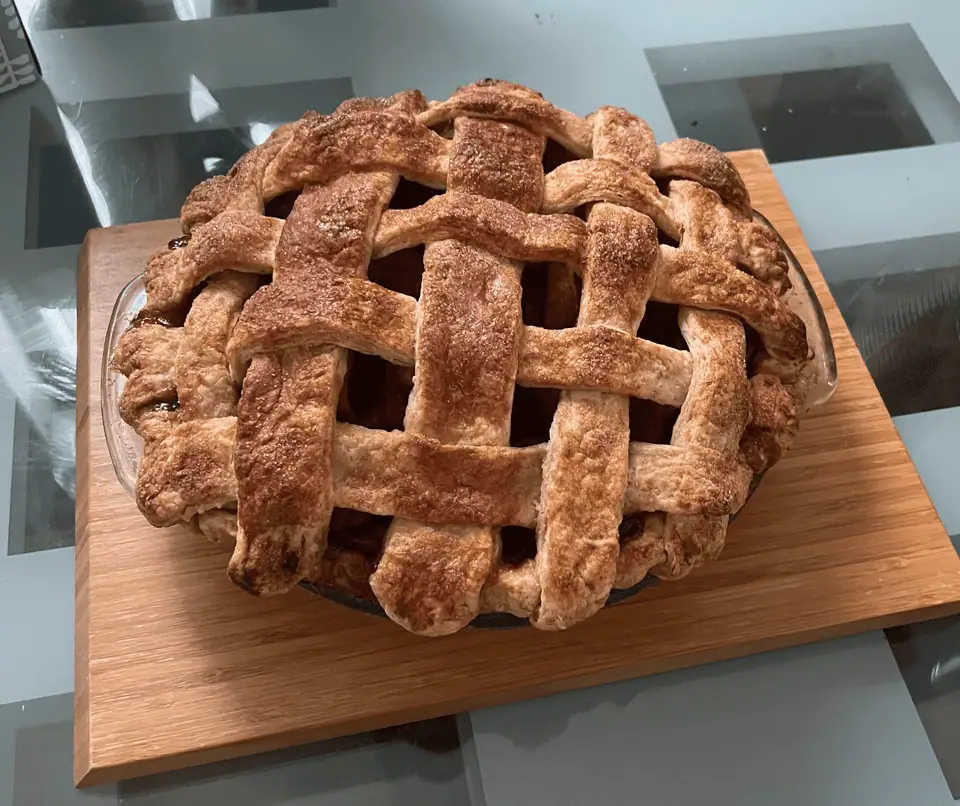
Despite its patriotic image, apple pie originated in Europe, where early versions appeared in England and the Netherlands. When European settlers arrived in North America, they brought pie-making traditions with them and adapted recipes using locally grown apples. Over time, these pies became more common in American households as apple orchards spread across the colonies. What began as a familiar comfort food for immigrants gradually evolved into a shared culinary experience, helping apple pie take root in everyday American life.
Apples and Agricultural Expansion

Apple pie’s rise was closely tied to America’s agricultural expansion and the widespread cultivation of apples. As settlers moved westward, apple trees were planted alongside new communities, making apples one of the most accessible fruits in the country. Pies offered a practical way to preserve and use apples year-round, especially before refrigeration. This practicality helped apple pie become a staple rather than a luxury, reinforcing its presence across regions, social classes, and generations.
World War I and National Identity
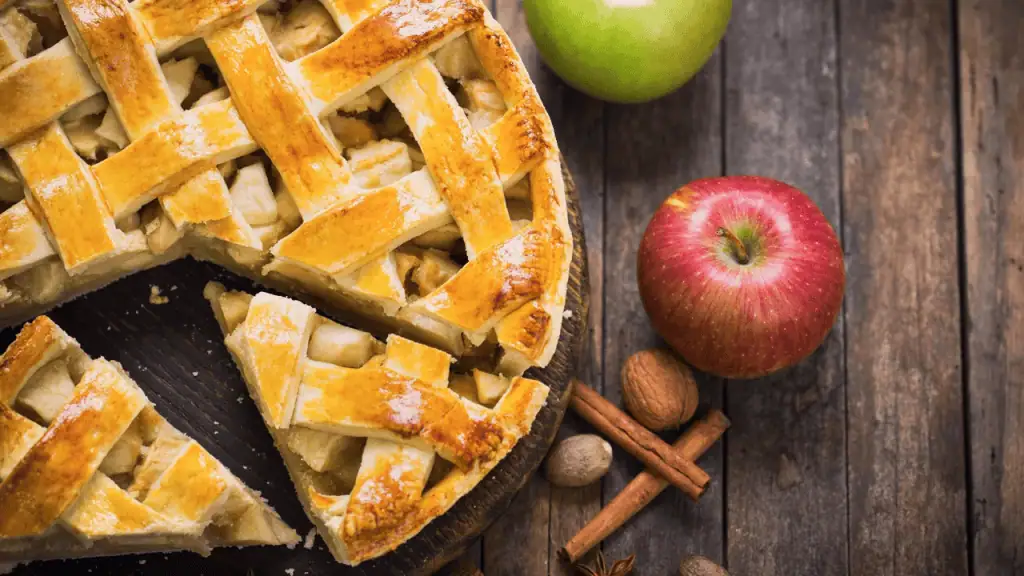
Apple pie’s symbolic power intensified during World War I, when it became associated with patriotism and American values. Soldiers were often described as fighting for “mom and apple pie,” linking the dessert to ideas of home and moral purpose. Media and advertising embraced this imagery, turning apple pie into a shorthand for what America stood for. During a time of global conflict, the dessert offered a comforting, unifying symbol that transcended regional differences.
Media, Marketing, and Nostalgia

Throughout the 20th century, media and marketing reinforced apple pie’s cultural status. Cookbooks, advertisements, and films portrayed it as the ultimate homemade dessert, often linked to family gatherings and small-town life. This consistent imagery created a sense of nostalgia that strengthened its emotional impact. Even as American diets diversified, apple pie remained a familiar reference point, symbolizing stability and tradition in a rapidly changing society.
A Symbol That Endures
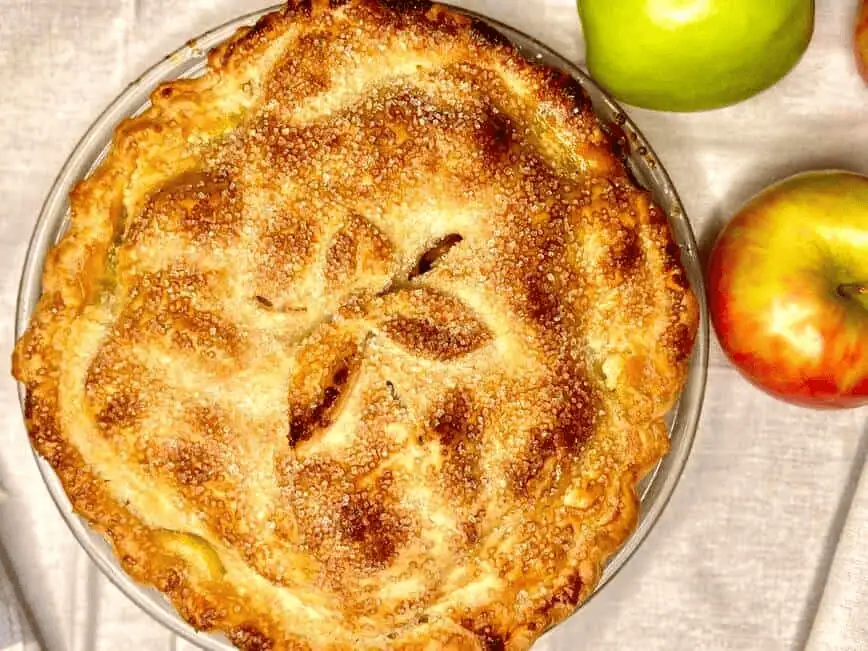
Today, apple pie continues to represent American identity, even as food culture becomes increasingly global. Its power lies not in exclusivity but in adaptation, reflecting how the nation itself was shaped. Apple pie remains present at holidays, diners, and cultural references, serving as a reminder of shared history rather than culinary perfection. Its endurance shows how food can evolve into symbolism, carrying meaning far beyond the plate.
