
How Food Changed After COVID (What Appeared, What Disappeared, and What Stayed)
The COVID pandemic disrupted nearly every aspect of daily life in America, and food culture was no exception. Restaurant closures, supply shortages, and health concerns forced people to rethink how they shopped, cooked, and ate. What began as temporary adjustments slowly turned into long-term habits, reshaping menus, grocery aisles, and consumer expectations. As the industry recovered, not everything returned to normal. Some food trends emerged out of necessity, others quietly disappeared, and a few proved resilient enough to remain permanent fixtures in the post-pandemic landscape.
What Appeared: Home-Centered and Comfort-Driven Foods
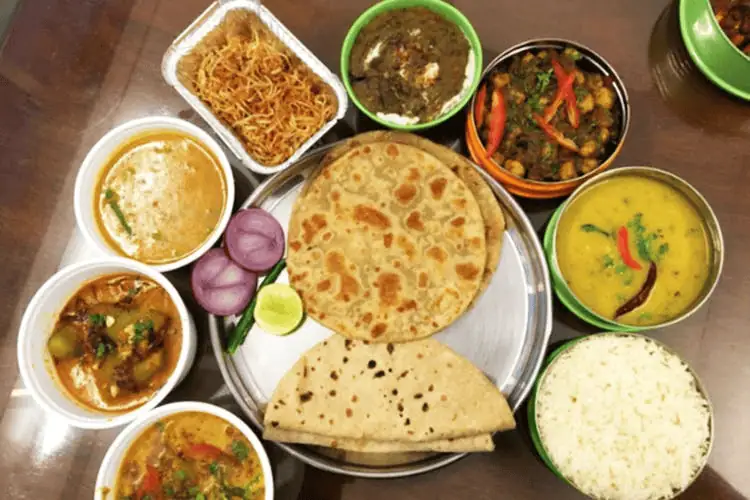
One of the most noticeable changes after COVID was the rise of home-centered, comfort-driven foods. With restaurants closed or limited, Americans turned to baking bread, cooking nostalgic dishes, and recreating restaurant favorites at home. Grocery sales of baking supplies, frozen meals, and pantry staples surged as people sought both emotional comfort and practical convenience. Even after restrictions eased, these habits lingered, reinforcing a preference for foods that felt familiar, filling, and emotionally reassuring rather than experimental or trend-focused.
What Appeared: Digital-First and Delivery-Friendly Menus
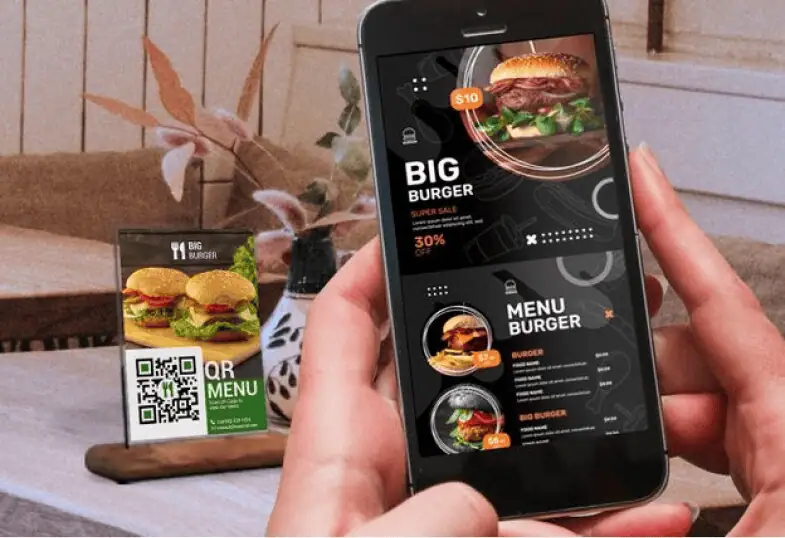
COVID accelerated the shift toward digital ordering and delivery-friendly food formats almost overnight. Restaurants redesigned menus to travel well, favoring bowls, sandwiches, and simplified dishes over delicate plating. QR codes replaced printed menus, and third-party delivery apps became central to restaurant survival. These changes reshaped consumer expectations, making convenience and speed just as important as flavor. Even as dining rooms reopened, digital ordering and streamlined menus remained popular, permanently altering how restaurants operate and how customers interact with them.
What Disappeared: Excessive Buffets and Shared Serving Styles
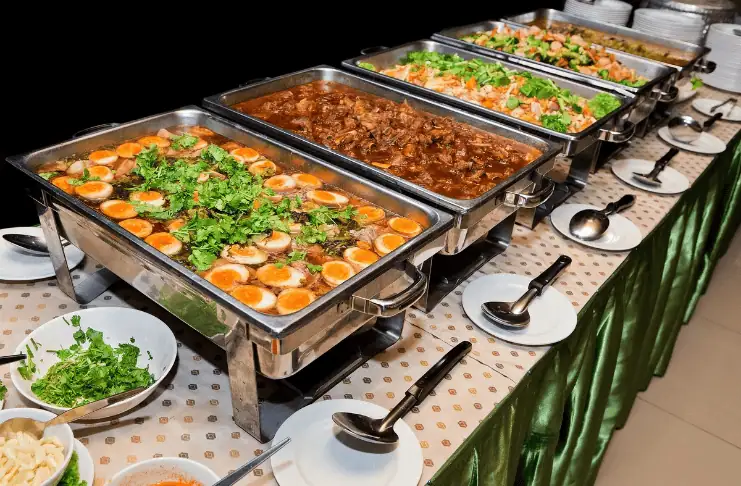
Some pre-pandemic dining traditions faded quickly as health concerns reshaped social norms. Buffets, communal condiment stations, and shared serving platters largely disappeared or were heavily modified. Consumers became more aware of hygiene and personal space, leading restaurants to abandon open self-serve formats. While a few buffet-style concepts have returned in limited forms, the casual acceptance of shared utensils and open food displays never fully recovered, signaling a lasting shift in how Americans think about cleanliness and food safety.
What Stayed: Takeout, Convenience, and Flexible Dining
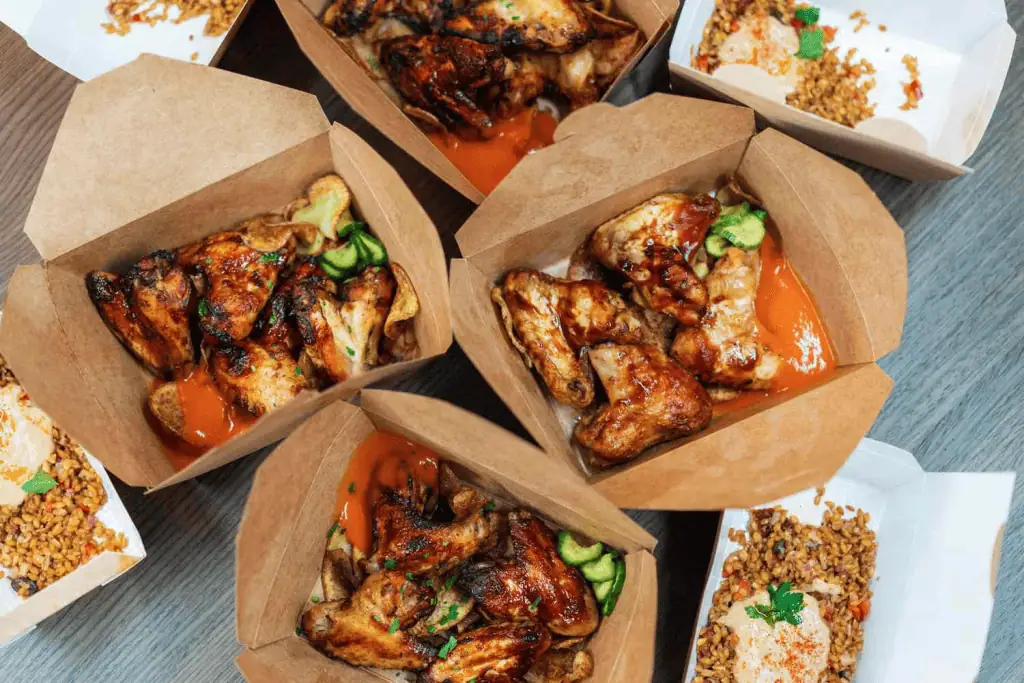
Takeout and flexible dining options proved resilient even after restrictions lifted. Many consumers grew accustomed to restaurant-quality food enjoyed at home, on their own schedules. Restaurants that invested in strong takeout programs continued offering them alongside dine-in service, recognizing the demand was not temporary. This flexibility also influenced portion sizes, packaging, and menu pricing. What started as a survival strategy evolved into a permanent layer of the food industry, reshaping how meals fit into everyday life.
What Stayed: A Focus on Health and Transparency
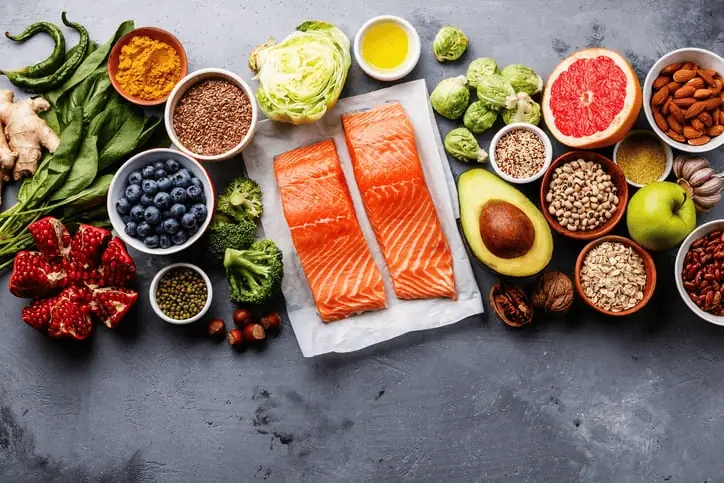
COVID heightened awareness around health, immunity, and ingredient transparency, trends that continue to influence food choices today. Consumers became more interested in nutritional information, sourcing, and perceived wellness benefits. Restaurants and food brands responded by highlighting cleaner labels, lighter options, and functional ingredients. While indulgence never disappeared, it now coexists with a stronger emphasis on balance and personal well-being. This shift reflects a deeper change in mindset that extends beyond the pandemic itself.
