
The 8 Most Shocking Food Recalls of 2025 in America
Food recalls are not uncommon in the United States, but 2025 stood out for the scale, frequency, and severity of several high-profile cases that caught consumers off guard. Many of these recalls involved everyday grocery staples, trusted national brands, or products marketed as healthy and safe, making their removal from shelves particularly unsettling. In several cases, recalls were issued only after illnesses were reported or contamination spread across multiple states. Together, these incidents exposed vulnerabilities in food safety systems and reminded Americans how quickly trust can erode when oversight fails.
Nationwide Leafy Greens Contamination Alert
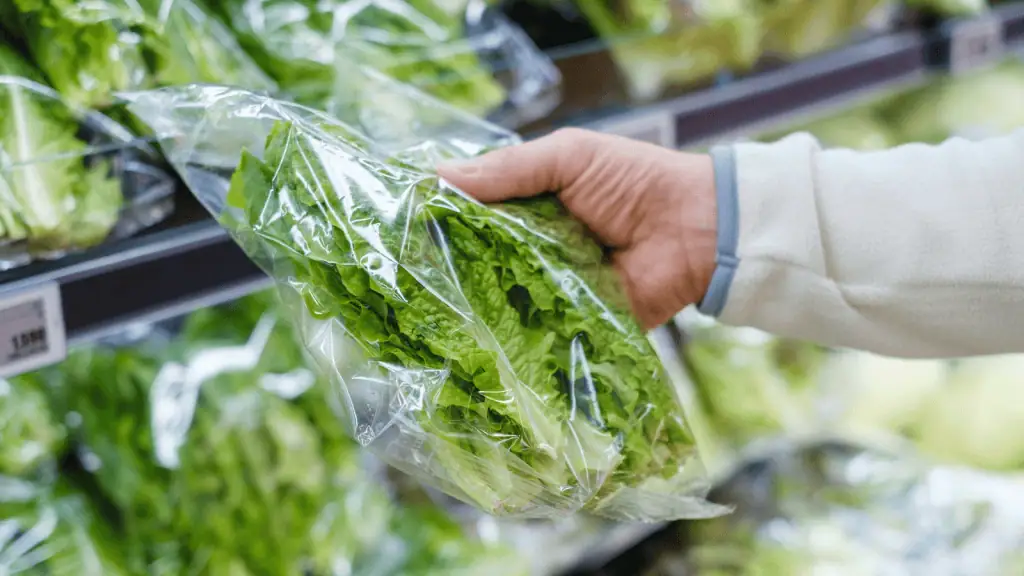
One of the most alarming recalls of 2025 involved packaged leafy greens sold across major grocery chains after routine testing detected dangerous bacterial contamination. The products were linked to dozens of reported illnesses in multiple states, forcing retailers to pull entire categories from shelves. Consumers were urged to discard unopened packages immediately, raising concerns about how contamination spread so widely before detection. The recall reignited debates about agricultural water safety, processing oversight, and the risks associated with centralized produce distribution.
Frozen Chicken Products Pulled for Undeclared Allergens
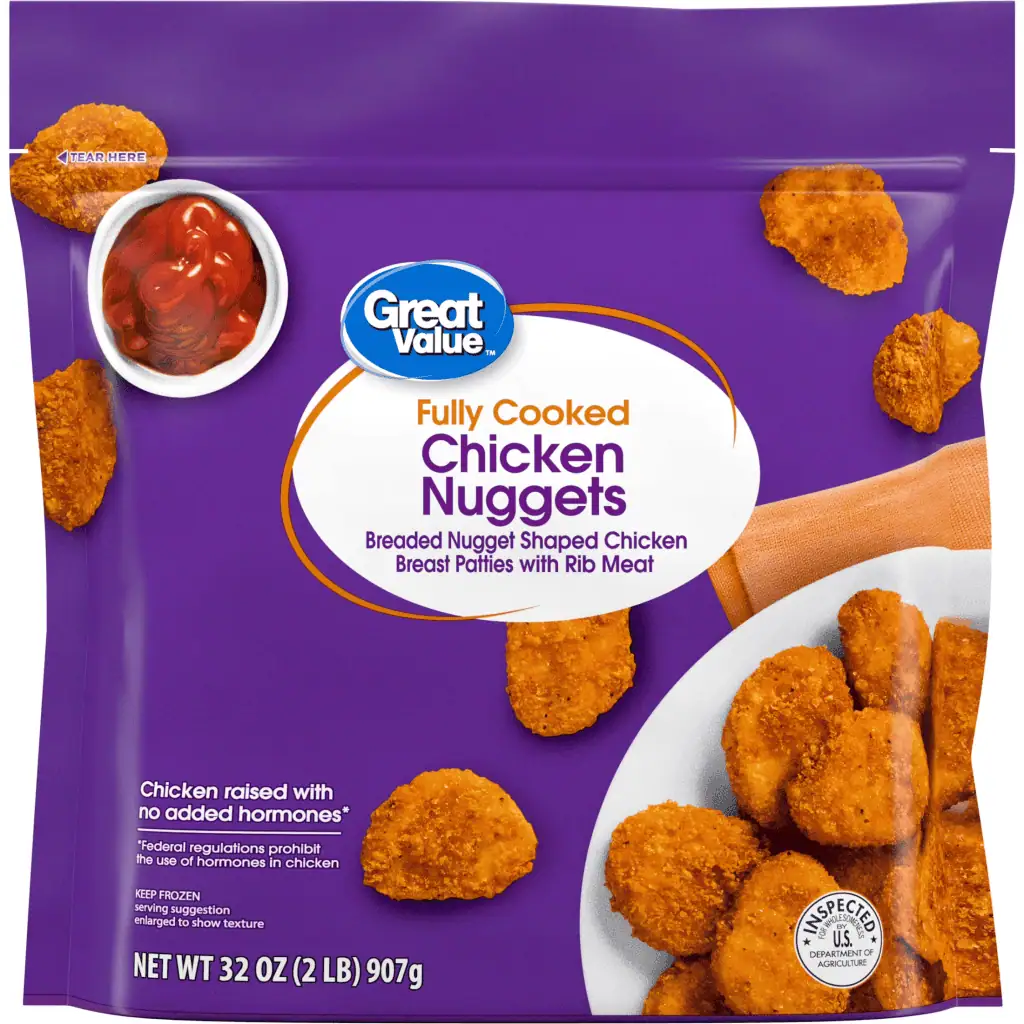
Several popular frozen chicken products were recalled after regulators discovered undeclared allergens that posed serious risks to consumers with food sensitivities. The issue stemmed from seasoning blends containing milk and soy not listed on packaging, affecting millions of units already sold nationwide. The recall sparked backlash from advocacy groups, who argued that allergen labeling failures are preventable and dangerous. For many families, the incident highlighted how even minor labeling errors can lead to potentially life-threatening consequences.
Ready-to-Eat Deli Meats Linked to Listeria Risk
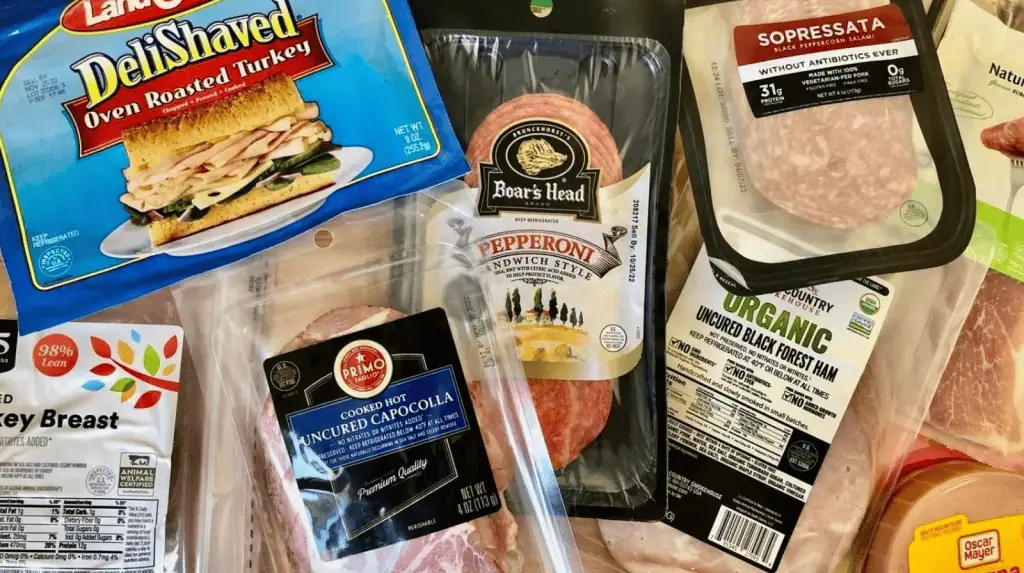
Ready-to-eat deli meats were recalled in multiple states after potential listeria contamination was identified at a processing facility. Because these products are often consumed without further cooking, public health officials issued urgent warnings to vulnerable populations, including pregnant individuals and older adults. The recall disrupted deli counters nationwide and prompted renewed attention on sanitation standards within meat-processing plants. Consumers expressed concern over how long the products remained on shelves before action was taken.
Popular Snack Bars Removed Over Foreign Material Reports
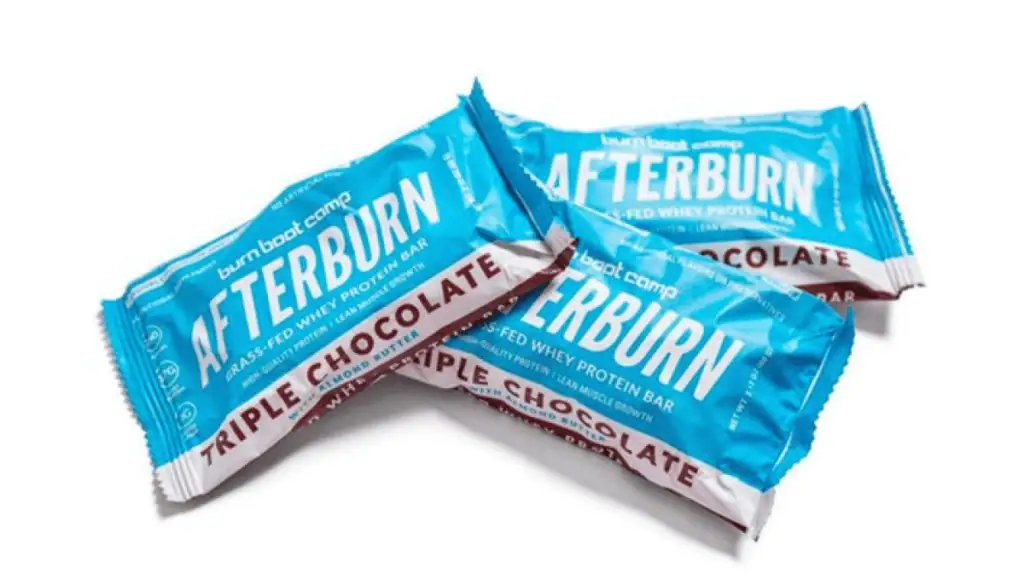
A widely distributed snack bar brand faced a recall after customers reported finding foreign materials embedded in the product. Though injuries were rare, images shared online accelerated public outrage and forced swift action from the manufacturer. Retailers removed affected batches, while the company cited equipment failures during production. The recall highlighted how consumer reporting and social media now play a critical role in triggering investigations and shaping how quickly brands respond to safety threats.
Bottled Beverages Recalled for Chemical Contamination
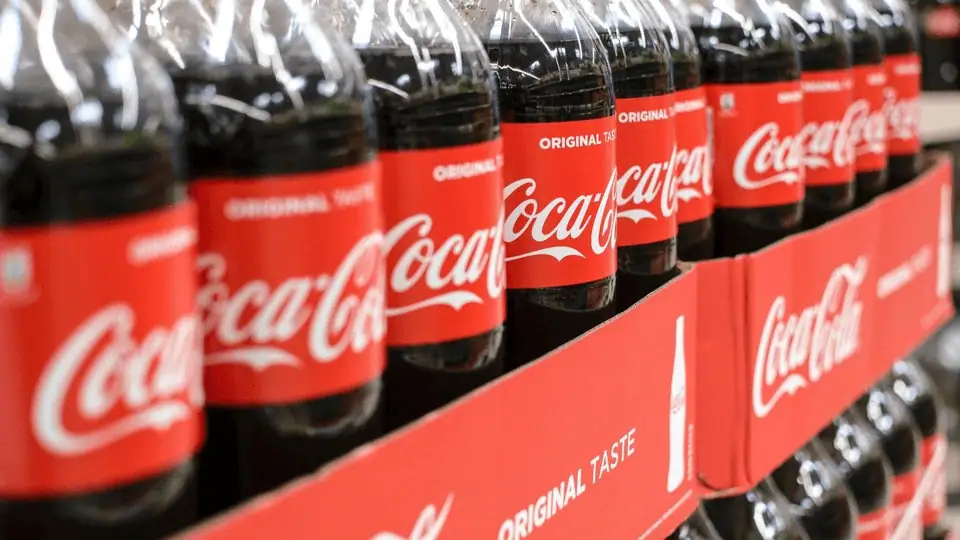
Several bottled beverage products were recalled after internal testing revealed potential chemical contamination related to packaging materials. While health risks were described as low, the recall drew attention due to the products’ popularity and national distribution. Regulators emphasized that long-term exposure was the primary concern, leading consumers to question packaging safety across the beverage industry. The incident added pressure on manufacturers to reassess supply chains and material sourcing practices.
Bakery Items Pulled Due to Labeling Errors
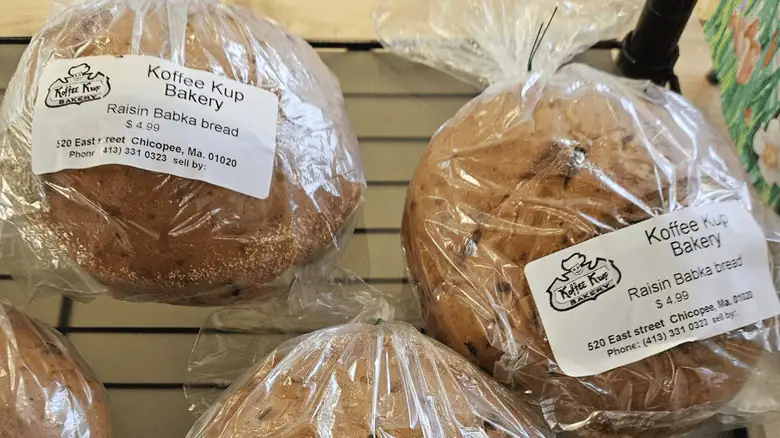
Mass-produced bakery items were recalled after labels failed to disclose key allergens such as nuts and eggs. The products had been sold in supermarkets and convenience stores across multiple regions, increasing the recall’s reach. Allergy advocacy groups criticized the oversight, noting that bakery goods are among the most common triggers for accidental exposure. The recall reinforced how labeling accuracy remains one of the most persistent and preventable food safety challenges.
Seafood Recall Raises Import Safety Questions
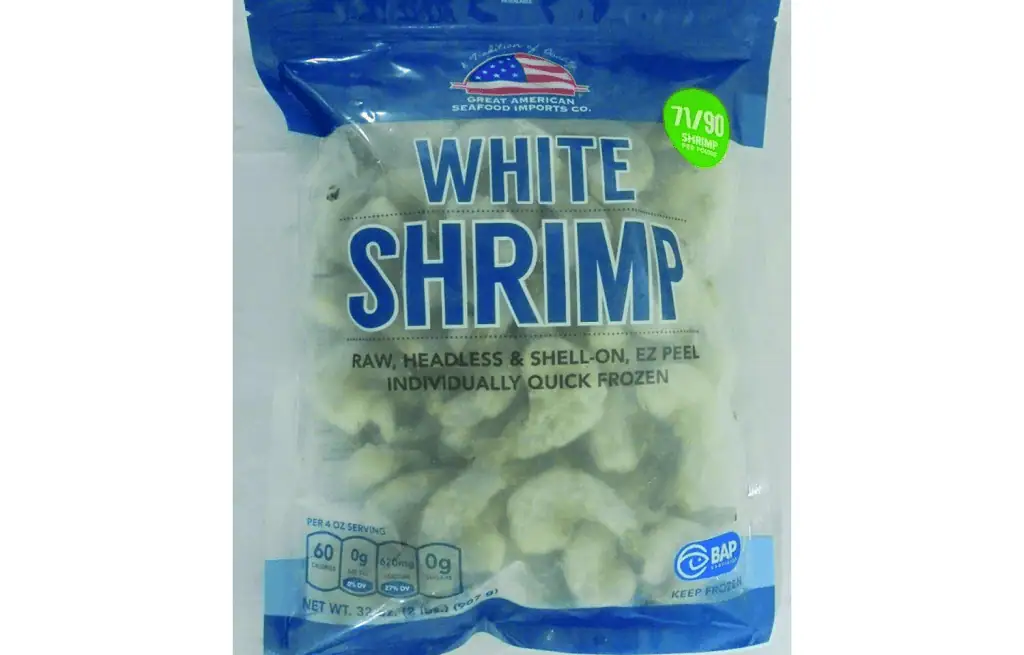
Imported frozen seafood products were recalled after inspections uncovered contamination concerns linked to overseas processing facilities. The recall affected restaurants and retailers alike, prompting questions about inspection standards for imported foods. Consumers were advised to discard affected products regardless of cooking method. The case renewed debate over how global supply chains complicate enforcement and whether existing inspection systems are sufficient to protect consumers.
Packaged Fruit Products Recalled After Illness Reports
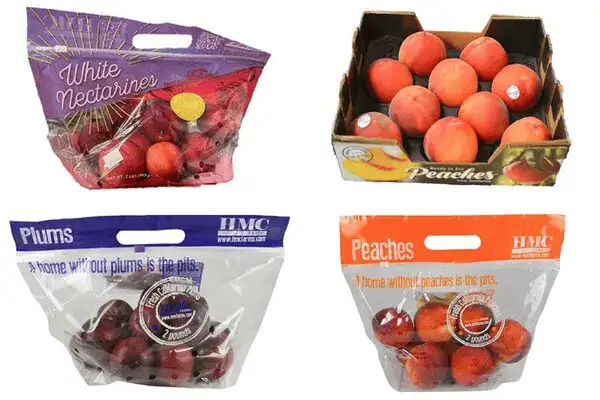
The final major recall of 2025 involved packaged fruit products linked to reported illnesses across several states. Investigators traced the issue back to contamination during post-harvest handling, prompting a swift nationwide recall. The incident unsettled consumers who viewed packaged fruit as a convenient and healthy option. It also highlighted ongoing challenges in ensuring safety for ready-to-eat produce in large-scale distribution systems.
