
10 Ways Travel Quietly Made Global Food Culture Feel Local
Exploring world cuisines often reveals the subtle ways travel shapes dining experiences, seamlessly introducing global flavors to local tables. This guide examines how diverse culinary practices, from vibrant street eats to sophisticated fusion dishes, bridge cultural gaps and invite a taste of the world into everyday meals. These experiences not only expand palates but also deepen appreciation for the interconnectedness of global and local food cultures.
Street Food Tours: Authentic Flavors Anywhere
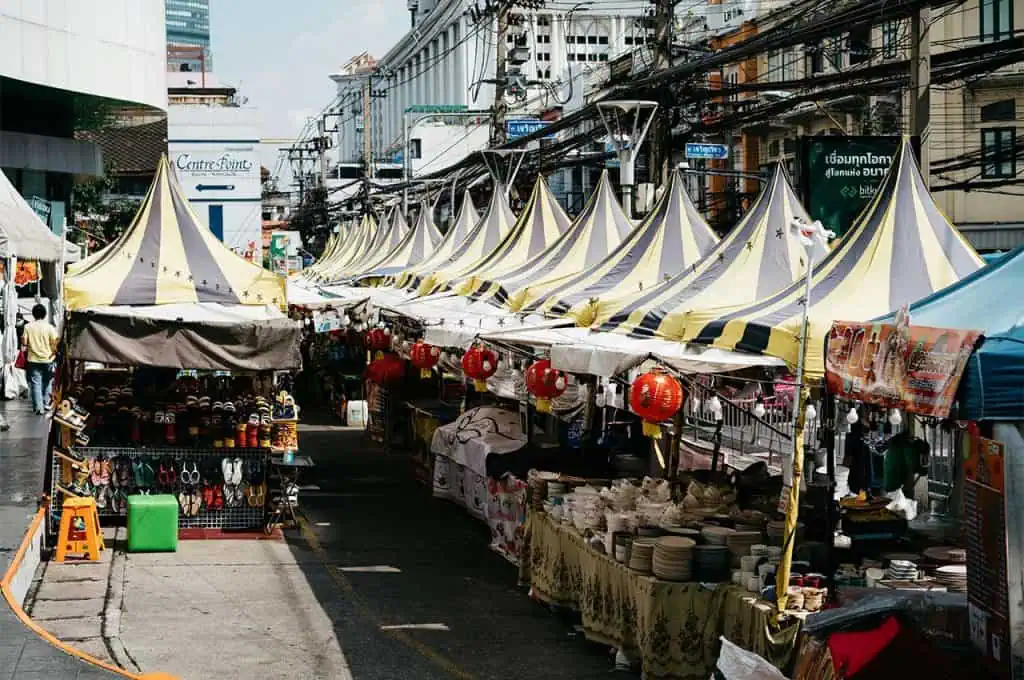
Street food tours provide an authentic taste of cultural diversity, bringing the essence of international flavors into approachable bites. By embracing local ingredients and traditional cooking methods, such tours offer a direct connection to a city’s culinary heartbeat. Emphasize freshness and balance in these street eats, like balancing spices in a Thai curry or the liveliness in a Mexican taco, to transport those vivacious street-side tastes directly to your kitchen.
Farm-to-Table: Global Inspo on Local Plates

The farm-to-table movement takes inspiration from global agricultural practices, translating them into local dining experiences. By focusing on seasonality and sustainability, it allows chefs to experiment with international techniques using local produce. For example, applying French rustic cooking styles to native ingredients can create dishes that are both familiar and worldly. Experiment with these methods by letting market-fresh finds dictate your menu, encouraging innovation and a deeper connection to the land.
Cooking Classes: Everyday Global Dishes
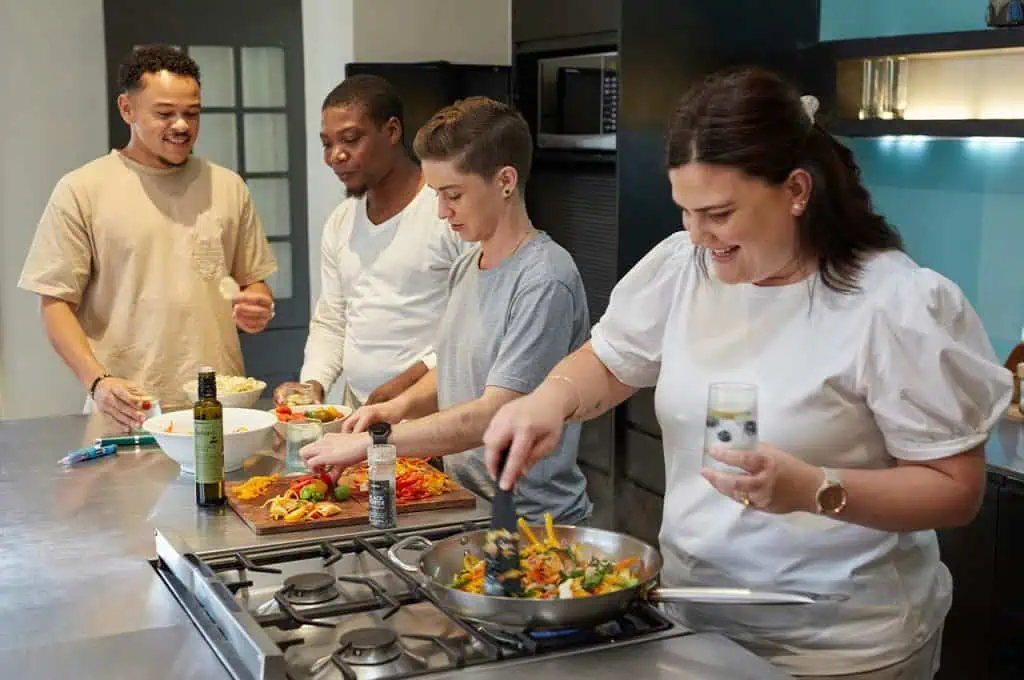
Participating in cooking classes centered on international cuisines brings distant cooking techniques and flavors into your home kitchen. These hands-on experiences demystify complex dishes, like perfecting Italian risotto or mastering Japanese sushi rolls, highlighting the importance of understanding foundational techniques. By practicing the art of fine chopping or precise seasoning, home cooks can integrate global culinary secrets with ease, enhancing their everyday meals with newfound confidence.
Fusion Restaurants: Distant Flavors Next Door

Fusion restaurants elegantly marry diverse culinary traditions, offering diners a taste of global harmony on a single plate. By blending flavors and techniques from various cuisines, such establishments introduce innovative dishes like Korean-inspired tacos or Indian-infused pizza. Understanding these combinations encourages experimentation in home cooking, focusing on complementary spices and textures to create memorable meals that nod to multiple cultural roots yet seamlessly fit into everyday dining.
Travel Blogs: Spreading Culinary Knowledge

Travel blogs often serve as a bridge between distant flavors and home kitchens. With detailed recipes and personal insights, they break down intricate dishes into approachable steps. Whether exploring the spice complexities in a traditional Thai curry or demystifying the layers of a French pastry, these blogs offer clarity. The precise combination of ingredients, cooking techniques, and cultural context helps readers replicate authentic tastes at home, enhancing their culinary repertoire.
Food Festivals: Global Traditions, Local Stages

Food festivals bring international flavors to local audiences, creating a vibrant culinary exchange. These events often feature skilled chefs who demonstrate traditional cooking methods, offering tastes that transport palates across borders. From Italian pasta showcases to Japanese sushi workshops, festivals foster hands-on learning. Attendees gain an understanding of ingredient significance and preparation techniques, making global traditions accessible and replicable in their own kitchens.
Gourmet Groceries: Exotic Ingredients at Hand
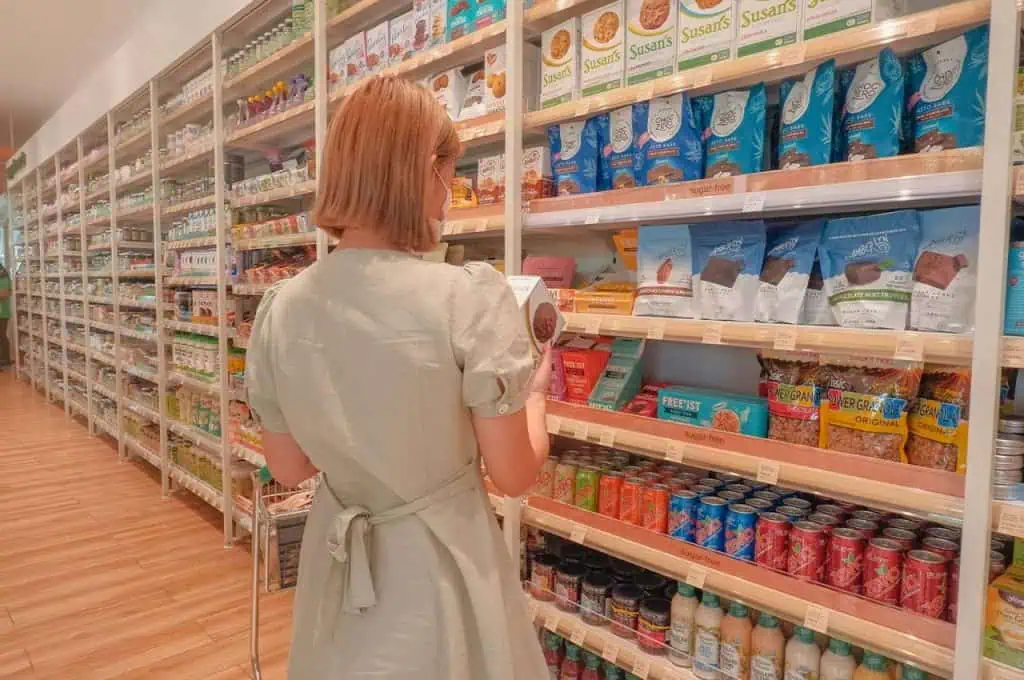
The rise of gourmet grocery stores has made exotic ingredients more accessible, enabling home cooks to experiment with global cuisines. Shelves bursting with diverse spices, specialty flours, and unique condiments allow for culinary exploration. Access to authentic ingredients, like Vietnamese fish sauce or Indian garam masala, means recreating international dishes with fidelity. Knowledgeable staff often provide recipes and pairing advice, turning shopping trips into educational experiences.
Social Media: Amplifying Global Recipes

Social media platforms are powerful tools for discovering and sharing global recipes. Enthusiastic home cooks and chefs alike post step-by-step guides, eye-catching photos, and videos that simplify complex processes. This virtual exchange fosters a sense of community and encourages experimentation with diverse cuisines. Hashtags often lead to tailored searches, offering insights into regional dishes and highlighting seasonal ingredients, making global culinary exploration easily accessible.
Pop-Up Restaurants: Global Dining Locally
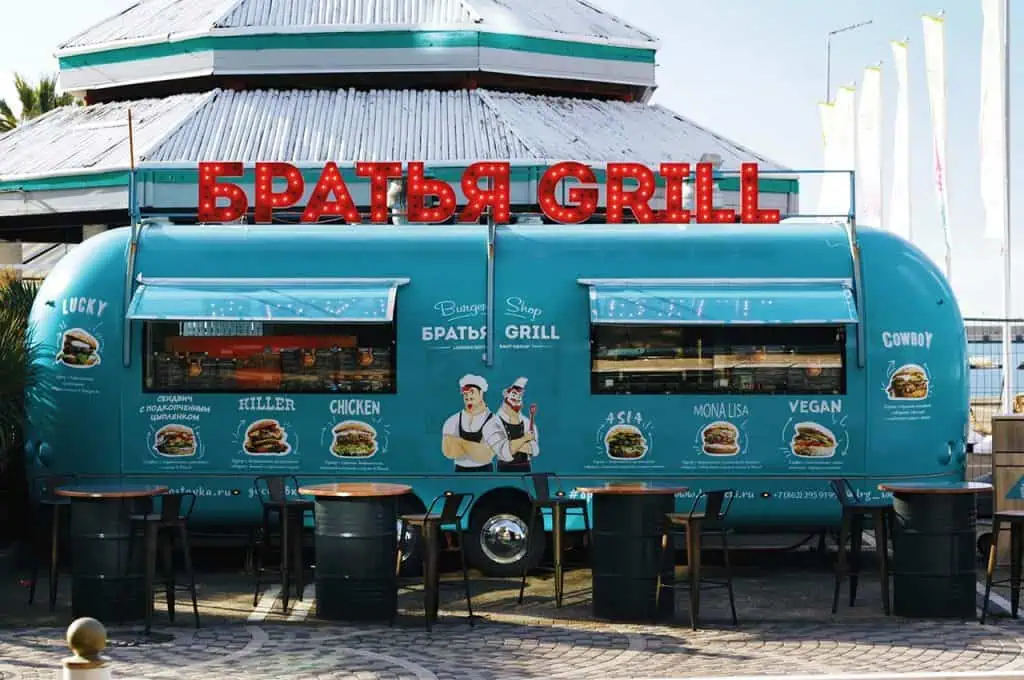
Pop-up restaurants introduce diners to international culinary artistry within their own communities. These short-term ventures deliver authentic dining experiences, featuring menus crafted by chefs with global expertise. By focusing on a specific cuisine or theme, pop-ups connect diners with the nuances of foreign flavors and techniques. The limited-time nature of these events encourages guests to fully immerse in the culinary narrative, providing a cultural and sensory exploration without the need for travel.
Culinary Tourism: Inspiring Chef Creativity
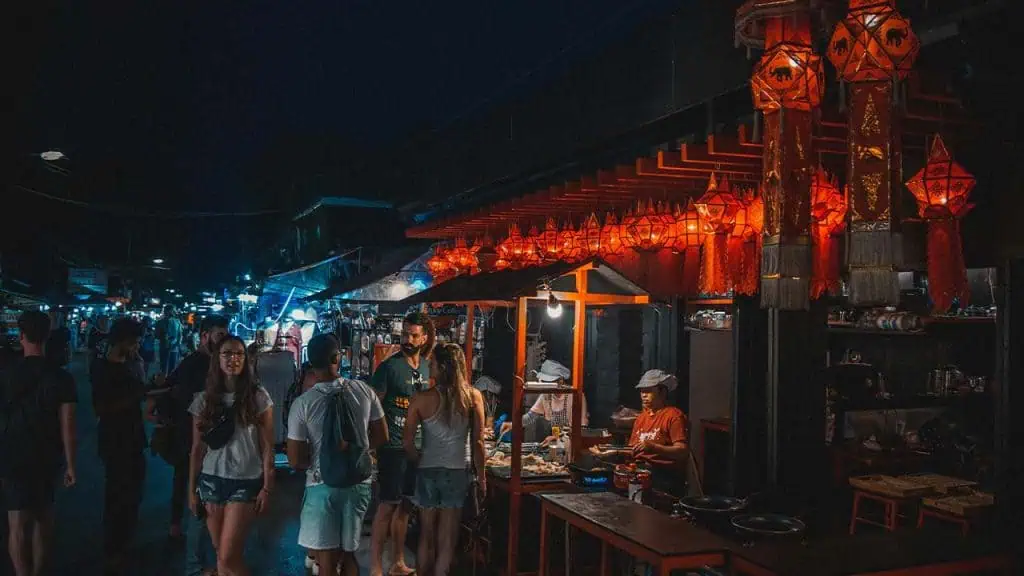
Culinary tourism exposes chefs to authentic flavors and techniques from diverse regions, sparking innovation back home. As chefs taste dishes prepared by local hands, they learn nuances often lost in translation. A street vendor’s spice mix might inspire a new marinade, or a baker’s unique dough texture could reshape bread recipes. Traveling chefs absorb these experiences, leading to dishes that celebrate global influences with a local twist. This fusion encourages diners to explore international palates, fostering a deeper appreciation for world cuisines within their own communities.
