
10 Foods That Used to Be considered ‘rich people’ food only
Once reserved for fine dining rooms, luxury markets, or the tables of the elite, many foods once labeled “rich people only” have quietly gone mainstream. Thanks to global trade, changing tastes, and smarter sourcing, everyday shoppers now enjoy ingredients that once felt untouchable. These 10 foods tell the story of how exclusivity faded and indulgence became surprisingly accessible.
Lobster: From Luxury to Everyday

Lobster, once deemed a food for the elite, is now a common addition to many menus. Its transformation from exclusive to accessible highlights its versatile preparation options. Start with a fresh lobster, ensuring the shell is bright and the aroma is clean. Boil or steam it for about 8-12 minutes per pound, until the shell turns a vivid red. For a richer flavor, serve with clarified butter, made by gently melting butter and skimming off the milk solids, which enhances the sweet, tender meat. This shift from rarity to ubiquity hasn’t diminished its culinary elegance.
Avocados: The Green Gold
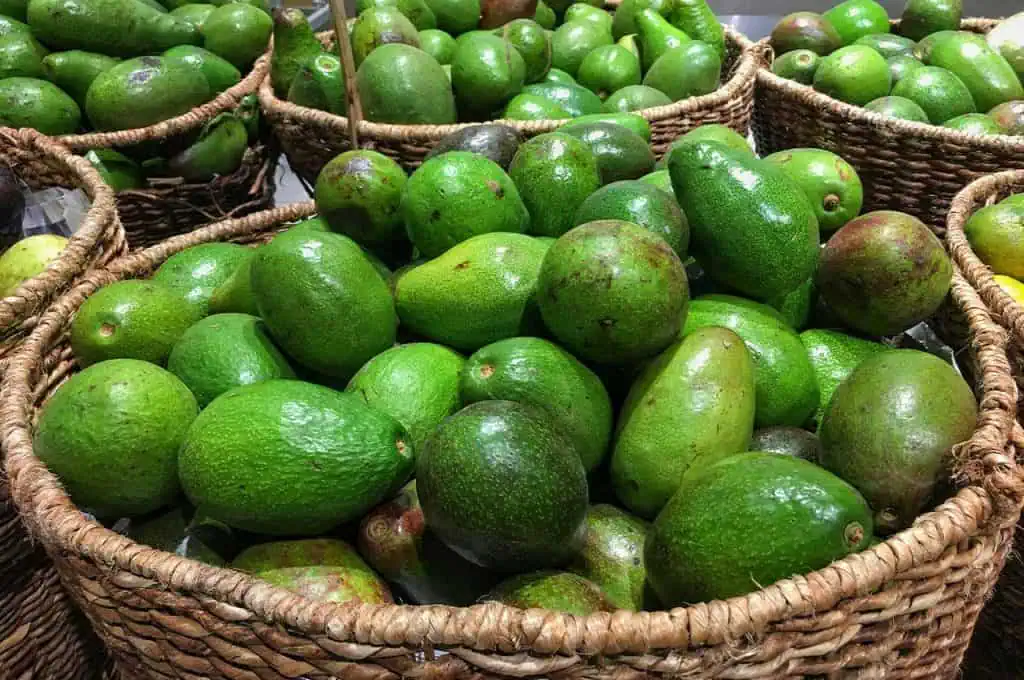
Originally considered a luxury item, avocados have become a staple due to their creamy texture and rich nutritional profile. To select the perfect avocado, look for those that yield slightly to gentle pressure. Slice in half and remove the pit carefully, using a spoon to scoop out the flesh. Avocados are ideal in salads, mashed on toast, or used in guacamole, where lime juice and a pinch of salt enhance their subtle, nutty flavor. Their rise in popularity is a testament to their versatility and health benefits.
Olive Oil: Liquid Gold of Kings

Olive oil, dubbed the “liquid gold,” was once exclusive to the affluent. Its distinctive flavor and health benefits make it a cornerstone of Mediterranean cuisine. Choose extra virgin olive oil for its superior quality, rich in antioxidants and robust flavor. When cooking, use low-to-medium heat to preserve its subtle aromatic qualities. Drizzle it over salads, use it as a base for dressings, or finish dishes with a touch of olive oil for depth. This transformation from prized possession to pantry staple highlights its enduring allure.
Quinoa: Ancient Grain of the Gods
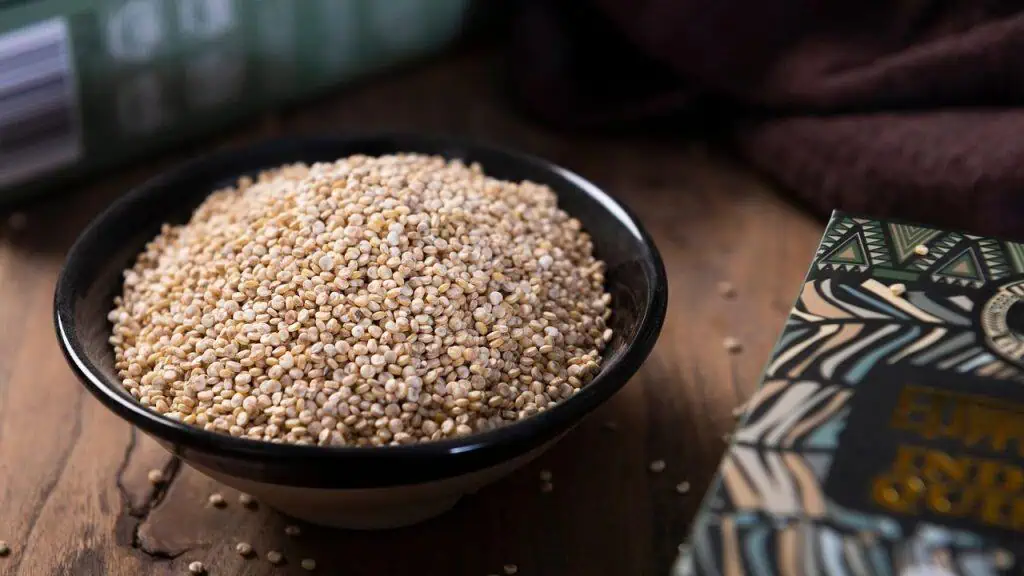
Quinoa, revered by ancient civilizations, was once considered a luxury food due to its nutritional richness. Rinse quinoa thoroughly under cold water to remove its natural bitterness, then cook using a 2:1 water-to-quinoa ratio. Bring to a boil, reduce to simmer, and cover until grains are tender and translucent, about 15 minutes. Use quinoa as a base for salads, side dishes, or vegetable stews. It provides a slightly nutty flavor and fluffy texture, embodying its reputation as a healthful, versatile grain.
Chocolate: The Royal Delight
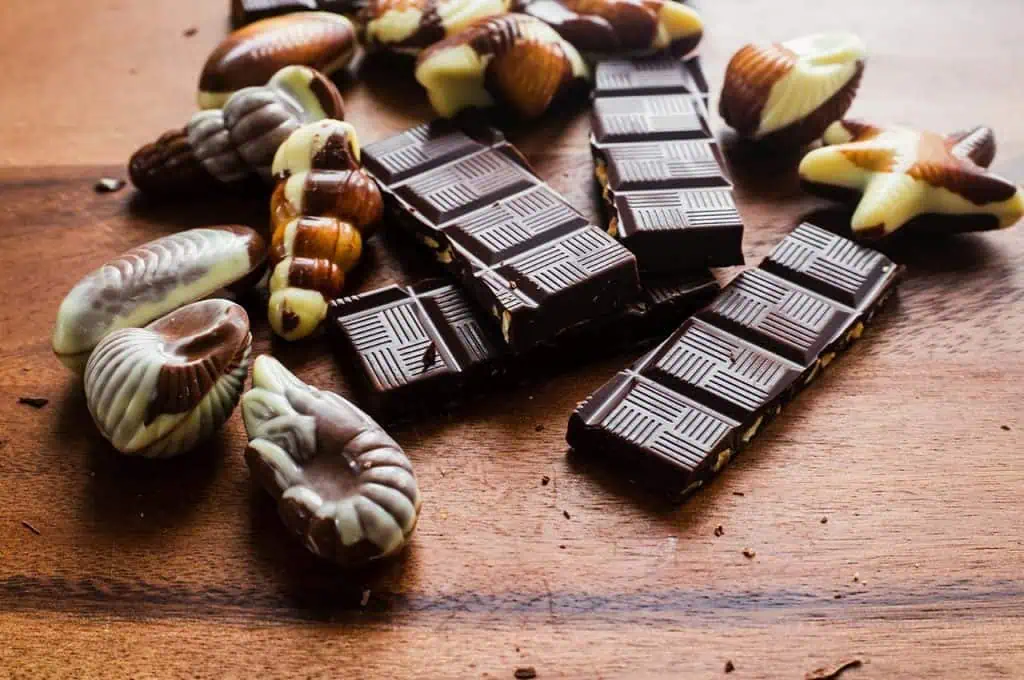
Chocolate, once exclusive to royalty, has become a beloved indulgence worldwide. Selecting high-quality chocolate, with a smooth texture and at least 70% cocoa content, enhances any recipe. Melt it gently over a double boiler to preserve its glossy finish. Whether used in baking or for a luscious ganache, chocolate’s rich, deep flavor satisfies the palate. Pair with sea salt or citrus zest to accentuate different notes. Its journey from regal treat to everyday pleasure speaks to its universal appeal and versatility.
Spices: Pepper and Cinnamon’s Journey
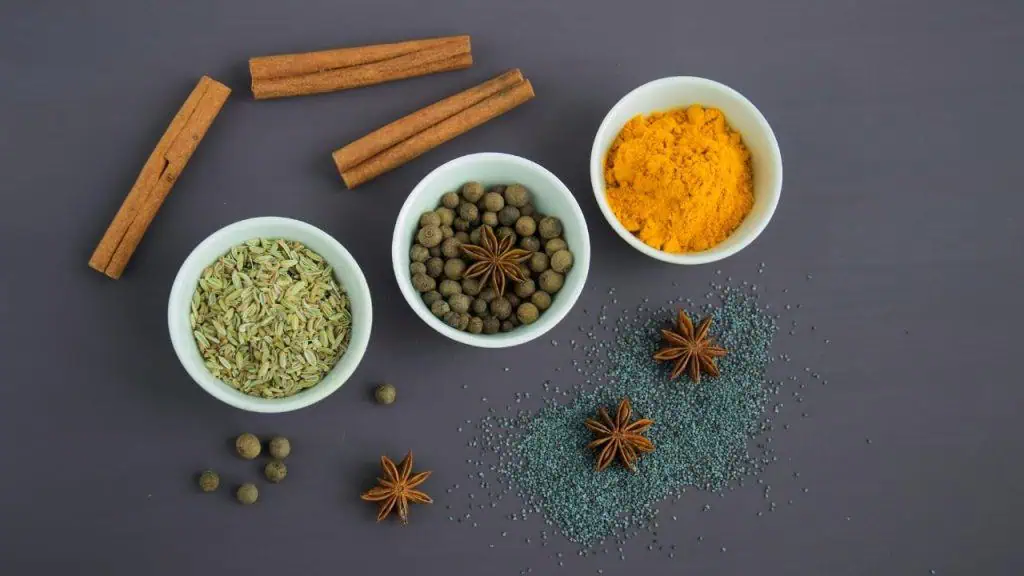
Pepper and cinnamon, once rare and exotic, were symbols of wealth in ancient times. Pepper, with its sharp, robust heat, enhances dishes by deepening complexity. Grind peppercorns fresh to release their essential oils, ensuring vibrant flavor that pre-ground options lack. Cinnamon, beloved for its warm, sweet undertones, elevates both sweet and savory dishes. Utilize cinnamon sticks in slow-cooked stews or biryanis for a gradual infusion or use ground cinnamon in baking for a nuanced sweetness. Appreciate their versatility by incorporating them thoughtfully into diverse recipes.
Sugar: Sweetness Only Royals Savored
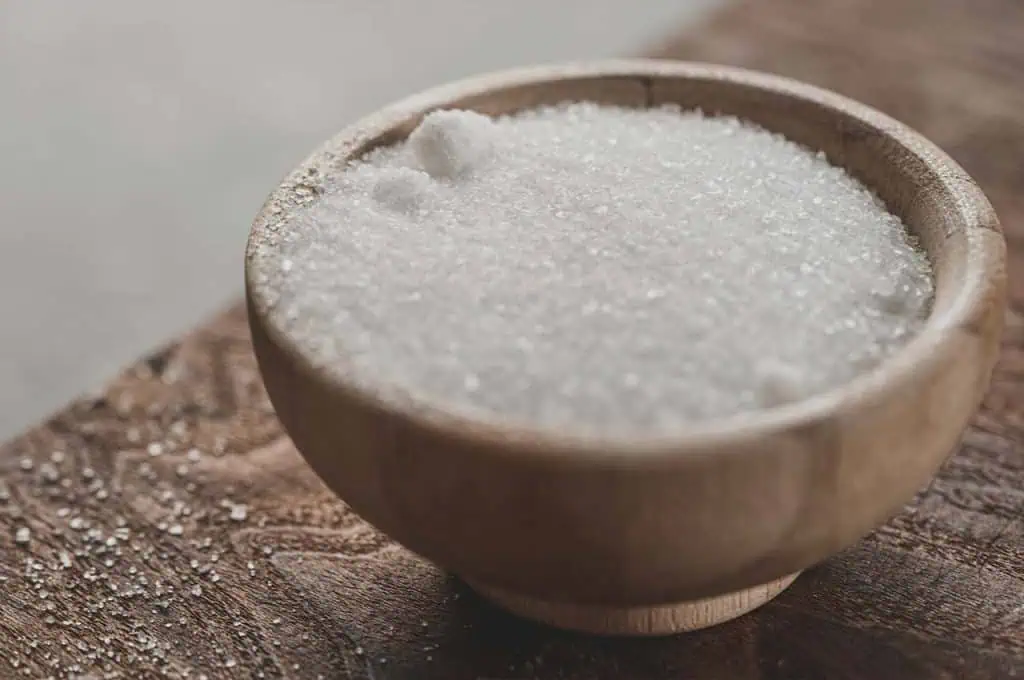
Sugar, now ubiquitous, was a luxury reserved for the elite. Its ability to not just sweeten, but balance and contrast flavors, is indispensable. In baking, sugar contributes not only sweetness but also texture; cakes rise and cookies gain their crispness in its presence. In savory dishes, a touch of sugar can round out acidity in tomato sauces or enhance the natural sweetness of roasted vegetables. Explore sugars’ various forms, from granulated to raw, and consider how each one might vary the depth and complexity of your culinary creations.
Pineapples: Exotic Crowned Jewel
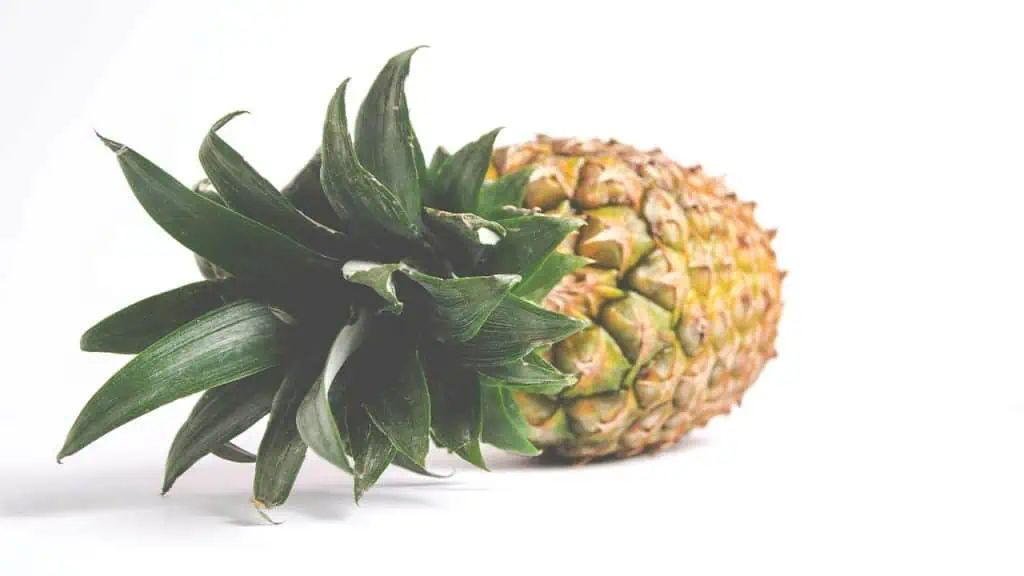
Pineapples, once the ultimate expression of opulence, are a tropical delight that balances tartness and sweetness. Their vibrant flavor can bring freshness to desserts and savory dishes alike. When selecting, look for a firm surface with a sweet aroma at the base. Integrate pineapple into salsas or marinades to lend brightness to proteins, or caramelize it for a striking dessert feature. Consider pairing it with complementary flavors like coconut or mint to emphasize its tropical character. Mastering the art of cutting a pineapple can further enhance its appeal in presentation.
White Bread: Once a Symbol of Status

White bread, historically a status symbol, represents refinement and purity. Made from finely milled, bleached flour, it offers a soft texture and neutral flavor. When baking, the intricacies of kneading and proofing are crucial to achieve the classic airy crumb. Toasting can intensify its flavor and enhance its crispness, providing contrast to creamy toppings like avocado or rich butters. Consider crafting homemade white bread to control ingredients and achieve the freshest, most personalized result. Embrace different techniques like sourdough fermentation for added depth.
Coffee: The Brew of Aristocrats

Coffee, once reserved for the aristocracy, has transformed into a beloved global staple. Rich and aromatic, coffee requires careful sourcing and preparation to fully appreciate its depth. Select high-quality beans and grind just before brewing to preserve their volatile oils. Experiment with different brewing methods such as French press or espresso to discover nuances in flavor profiles. Coffee’s bitterness complements sweet dishes like chocolate, while its depth can enhance savory rubs or marinades. Treat coffee as an ingredient that requires respect and craftsmanship to perfect.
