
What Americans Will Be Eating by 2050
By 2050, the American food landscape will look very different from today not because people stop loving familiar flavors, but because climate pressure, population growth, health data, and technology will reshape what’s practical to eat. Research from organizations like the United Nations, USDA, and major food-science institutions shows that future diets will prioritize efficiency, resilience, and sustainability. The foods Americans eat in 2050 will still feel recognizable, but how they’re grown, processed, and combined will reflect a world adapting to environmental and economic realities.
Plant-Forward Meals as the Norm
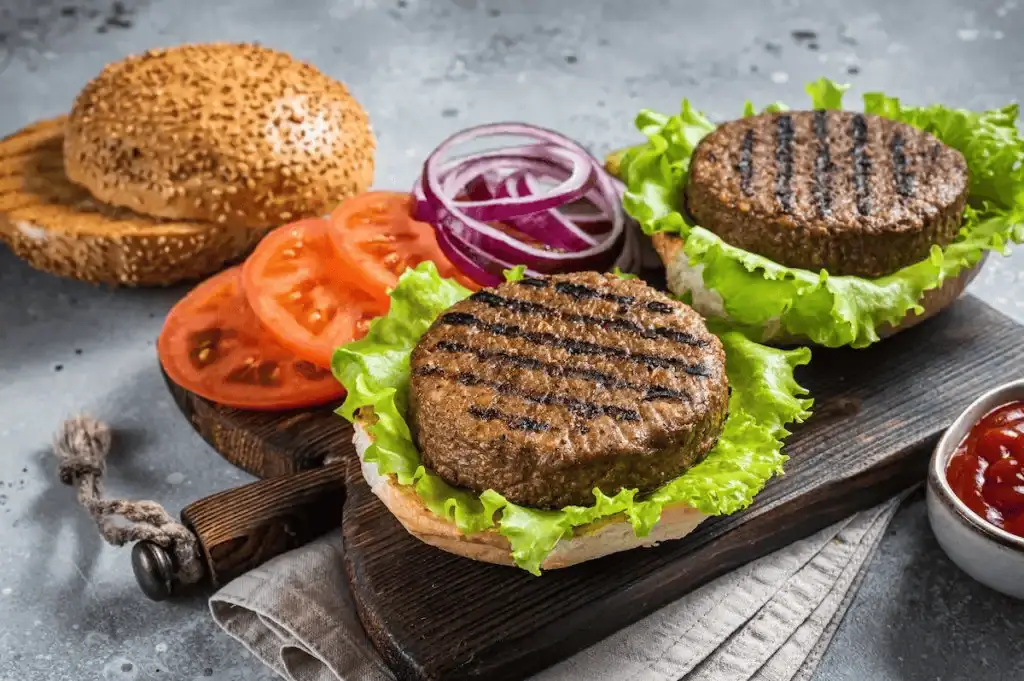
By 2050, most American meals are expected to be plant-forward rather than meat-centered. This doesn’t mean everyone becomes vegetarian, but vegetables, grains, and legumes will form the base of everyday dishes. Studies from the EAT-Lancet Commission emphasize that reducing reliance on resource-intensive animal proteins is critical to feeding a growing global population sustainably. In practice, Americans may eat smaller portions of meat mixed into bowls, pastas, and stews rather than large standalone cuts.
Alternative Proteins Beyond Meat Substitutes
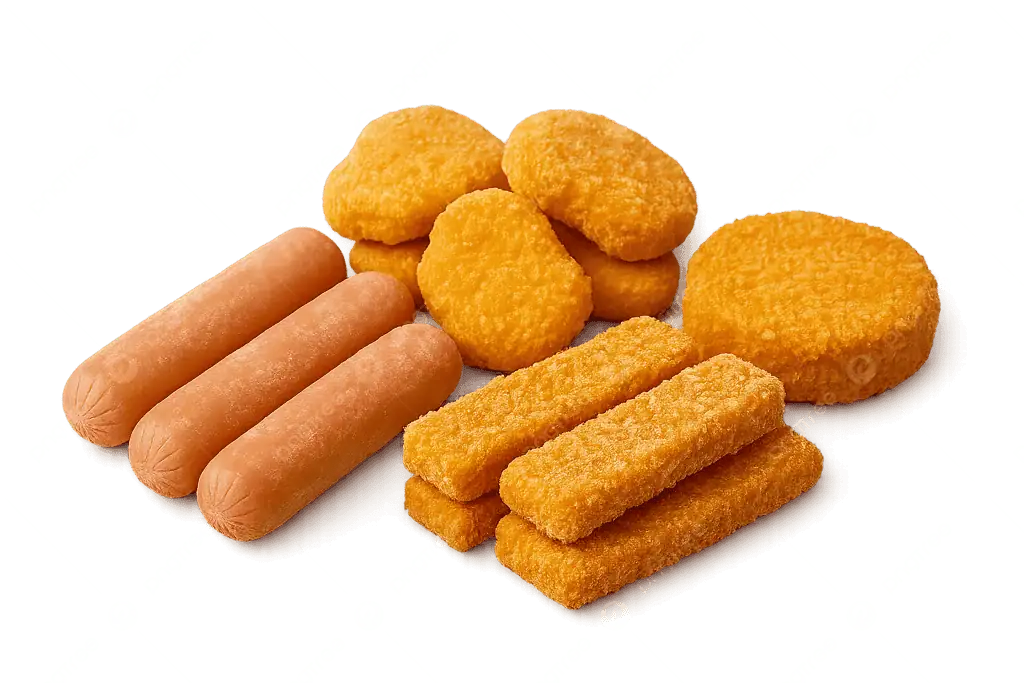
While early plant-based meat alternatives gained attention, future protein sources are expected to diversify further. Precision-fermented proteins, cultivated meat, and fungal-based proteins are already in development and projected to scale by mid-century. These options aim to reduce land and water use while delivering familiar textures and flavors. By 2050, Americans may treat these proteins as normal grocery items rather than novelties, especially in processed foods like nuggets, deli slices, and sauces.
Climate-Resilient Crops
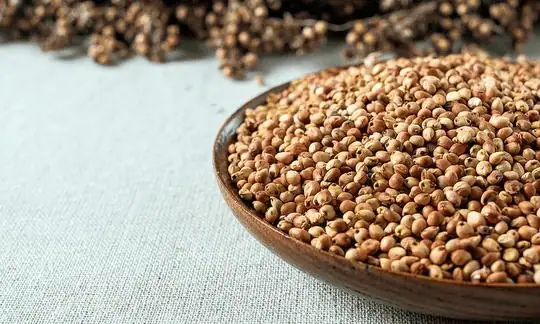
As weather patterns become less predictable, Americans will rely more on crops that tolerate heat, drought, and poor soil. Foods like sorghum, millet, lentils, and chickpeas are expected to appear more often in everyday meals. Agricultural research shows these crops require fewer resources than traditional staples like corn or wheat. By 2050, many Americans may eat these ingredients regularly without considering them “alternative” foods at all.
Lab-Grown and Cultivated Meat
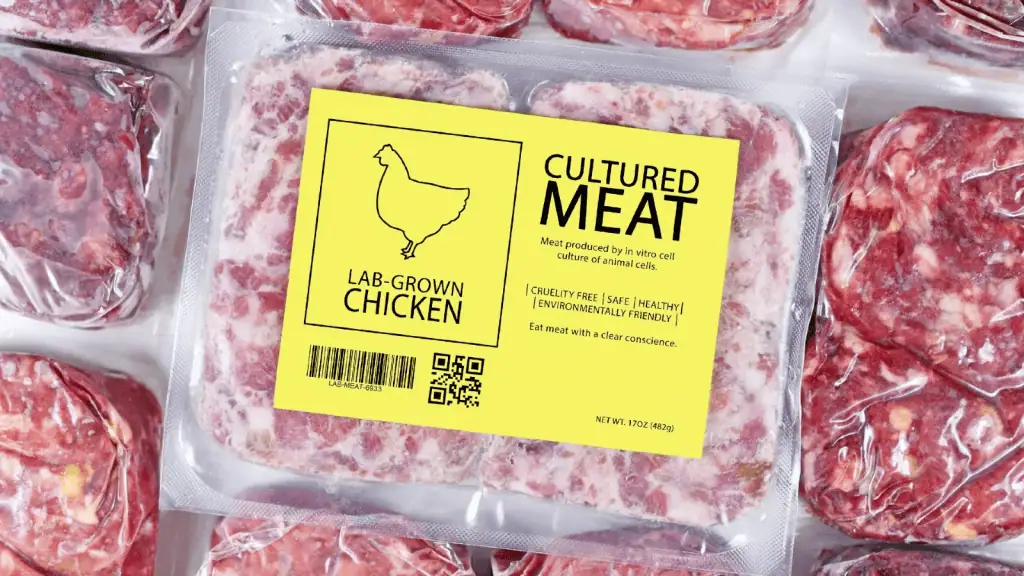
Cultivated meat grown from animal cells without raising livestock is projected to become commercially viable before 2050. While not expected to fully replace traditional meat, it may fill gaps where conventional farming becomes costly or environmentally limited. Americans could see cultivated meat used in burgers, ground products, or blended dishes. Its adoption will likely be driven by price parity, taste familiarity, and environmental regulation rather than novelty appeal.
More Fermented and Preserved Foods

Fermentation offers both sustainability and nutrition benefits, making it likely to grow in importance. Foods like yogurt, kimchi, sauerkraut, miso, and fermented beverages support gut health and extend shelf life without heavy energy use. By 2050, fermentation may be as common in American kitchens as baking. These foods help reduce waste while adding depth of flavor, making them both practical and desirable.
Insect-Based Ingredients (Quietly, Not Whole Bugs)

Although whole insects may remain culturally challenging, insect-based protein powders and flours are expected to enter foods subtly. Crickets and mealworms are highly efficient protein sources with low environmental impact. By 2050, Americans may consume insect protein in baked goods, snacks, or protein bars without visual cues. Acceptance is likely to come through invisibility rather than direct presentation.
Smaller Portions, More Variety

Rather than larger meals, Americans in 2050 may eat smaller portions with greater diversity. Shared plates, bowls, and modular meals allow flexibility and reduce waste. This pattern aligns with sustainability research showing that variety without excess lowers environmental strain. Eating habits may shift from abundance toward balance, while still maintaining comfort and enjoyment.
