
10 Classic East Asian cakes you’ll want to bake this season for a fresh twist
If your baking routine leans heavily on buttercream and dense crumb, East Asian cakes offer a refreshing reset. Across China, Japan, Korea, and Southeast Asia, traditional cakes emphasize airier sponges, restrained sweetness, and flavors like matcha, red bean, sesame, and citrus. Many are designed to be enjoyed with tea, shared at celebrations, or baked at home without heavy frosting. This season, these classics provide a fresh twist familiar enough to feel comforting, yet different enough to feel new.
Japanese Castella (Kasutera)
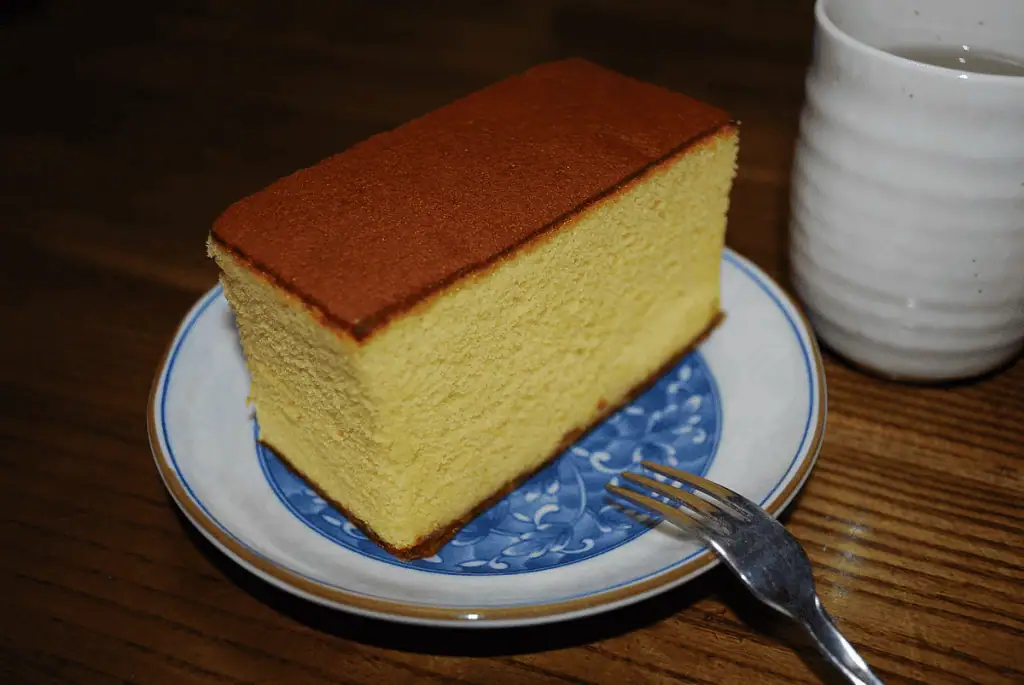
Castella is a sponge cake known for its fine crumb, gentle sweetness, and soft, bouncy texture. Originally influenced by European baking, it evolved in Japan into a cake that relies more on eggs than fat. Baking castella teaches careful mixing and temperature control rather than decoration. The result is a cake that feels light but satisfying, perfect for slicing and serving with tea. Its simplicity makes it ideal for bakers who want precision without excess richness.
Taiwanese Pineapple Cake

Taiwanese pineapple cake balances a buttery, crumbly exterior with a tangy-sweet pineapple filling. Traditionally gifted during holidays, it’s designed to be sturdy yet tender. Baking it at home introduces you to jam reduction and pastry handling in a manageable format. The contrast between bright fruit and mellow crust offers a seasonal feel, especially during colder months when citrusy flavors shine. It’s a great way to add fruit-forward baking without frosting.
Chinese Steamed Sponge Cake (Ma Lai Gao)

Ma Lai Gao is known for its airy, honeycomb-like interior and mild sweetness. Steaming instead of baking creates a moist, fluffy texture that stays soft for days. Making it at home shifts focus from oven precision to batter aeration and fermentation timing. The cake feels indulgent without heaviness, making it ideal after rich meals. Its warm aroma and cloudlike crumb make it surprisingly approachable for first-time steam bakers.
Japanese Matcha Sponge Cake
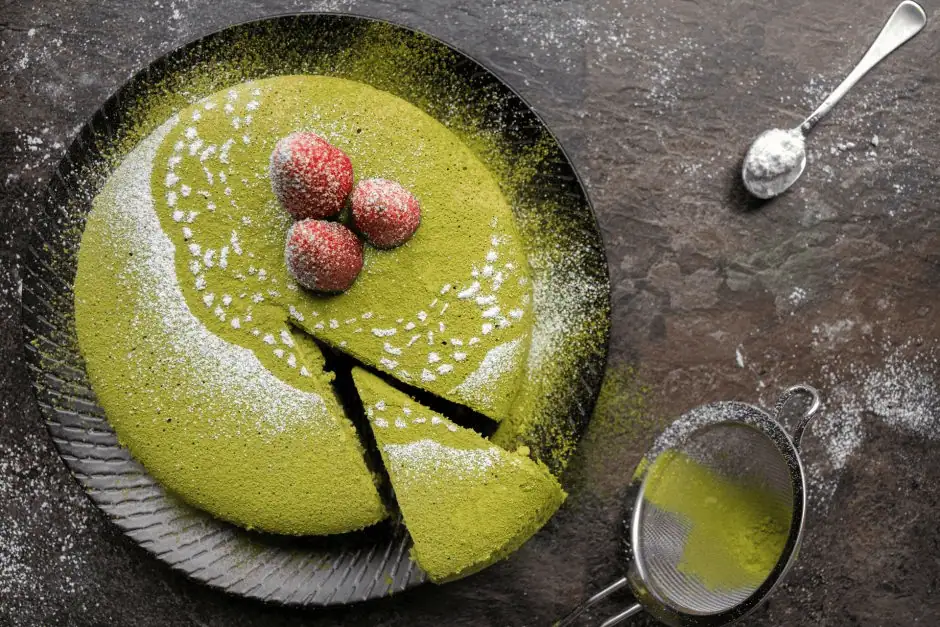
Matcha sponge cake combines the elegance of Japanese tea culture with classic sponge technique. The matcha adds earthiness and color without overpowering sweetness. Baking it encourages balance; too much matcha turns bitter, too little disappears. The result is a cake that feels refined and modern, perfect for seasonal gatherings. It pairs well with light cream or simple dusting, making it adaptable without becoming fussy.
Korean Rice Cake Cake (Tteok Cake)
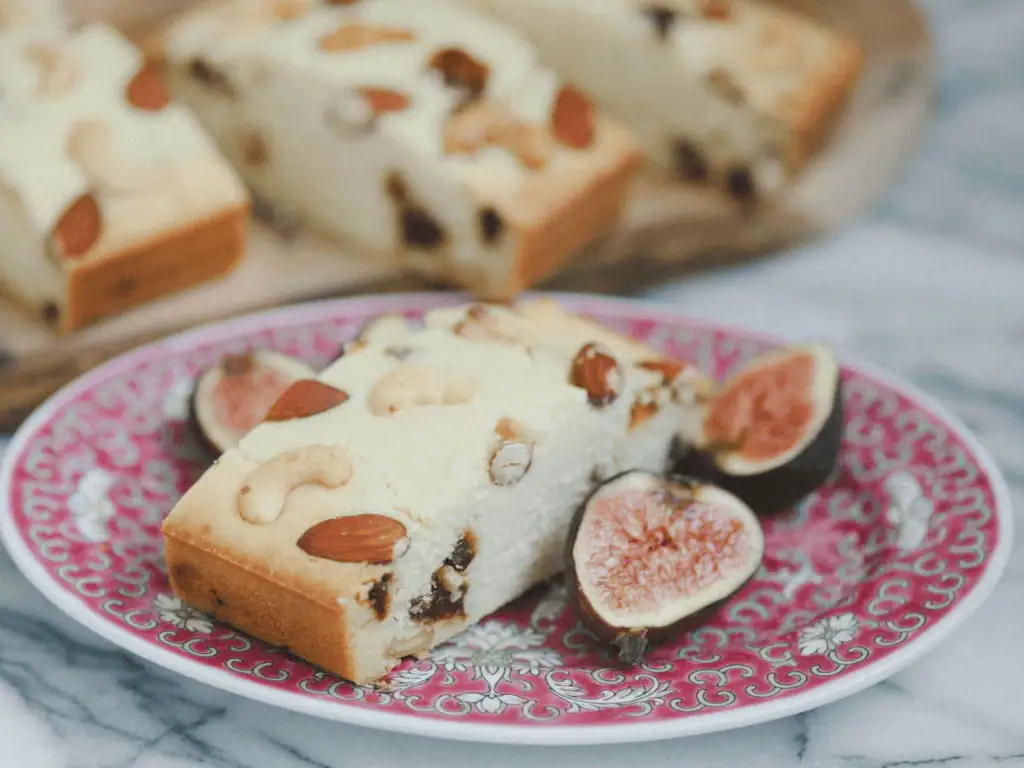
Tteok-based cakes use rice flour or layered rice cakes to create chewy, elastic textures unlike Western cakes. Often used for celebrations, they focus on symbolism and texture rather than sweetness. Baking or steaming tteok cakes introduces gluten-free techniques and alternative flours. The result is filling yet light, with subtle flavors that work well alongside fruit or tea. It’s an excellent way to rethink what “cake” can be.
Chinese Walnut Sponge Cake

Walnut sponge cake blends nutty depth with classic sponge structure. Chopped walnuts add texture and richness without overwhelming the cake’s light base. Baking it teaches restraint—letting ingredients speak rather than layering flavors. It feels nostalgic and homey, making it perfect for cooler seasons. The cake slices cleanly and keeps well, ideal for make-ahead baking that still feels special.
Japanese Strawberry Shortcake (Japanese-Style)
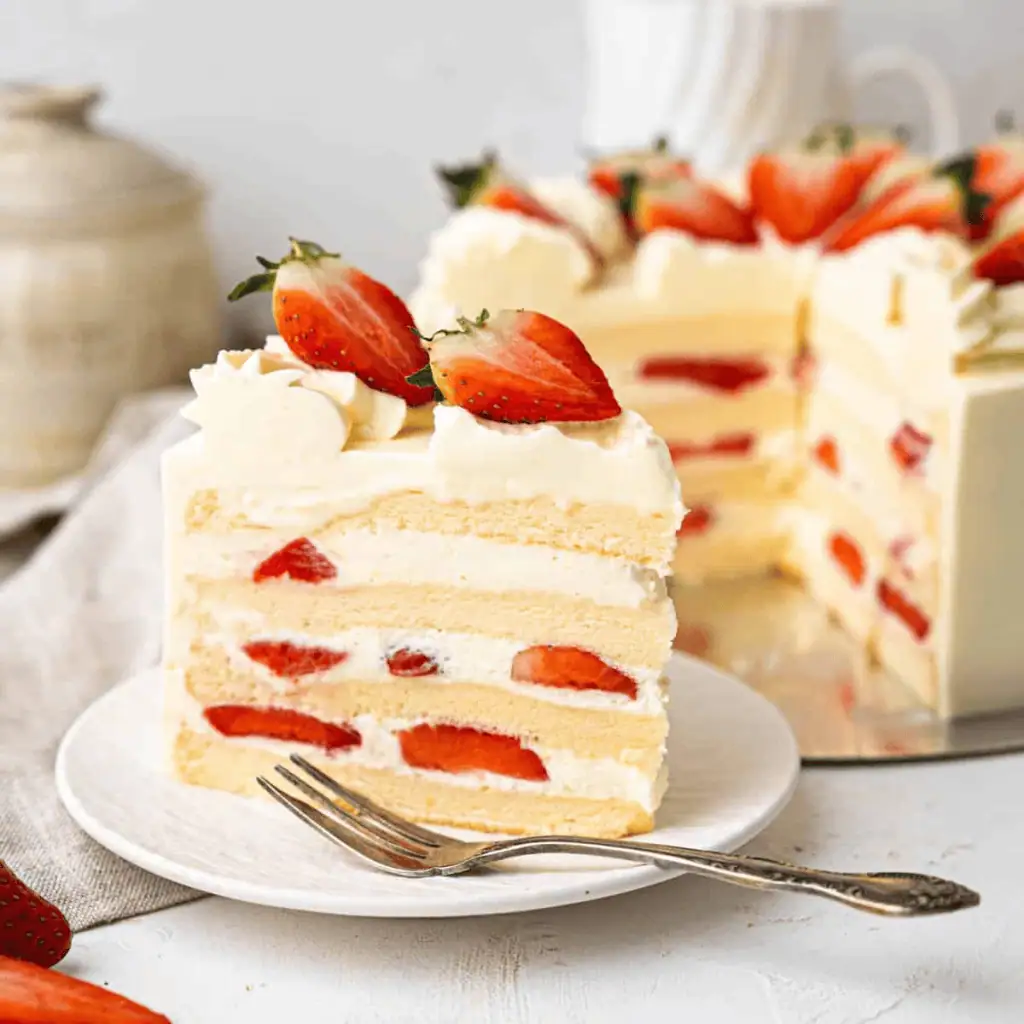
Unlike its Western counterpart, Japanese strawberry shortcake is lighter, less sweet, and built around balance. Soft sponge layers, lightly sweetened cream, and fresh strawberries create a clean, elegant dessert. Baking it emphasizes timing and freshness rather than heavy frosting. It’s perfect for seasonal baking when strawberries are available, offering a celebratory look without richness overload.
Chinese Red Bean Cake
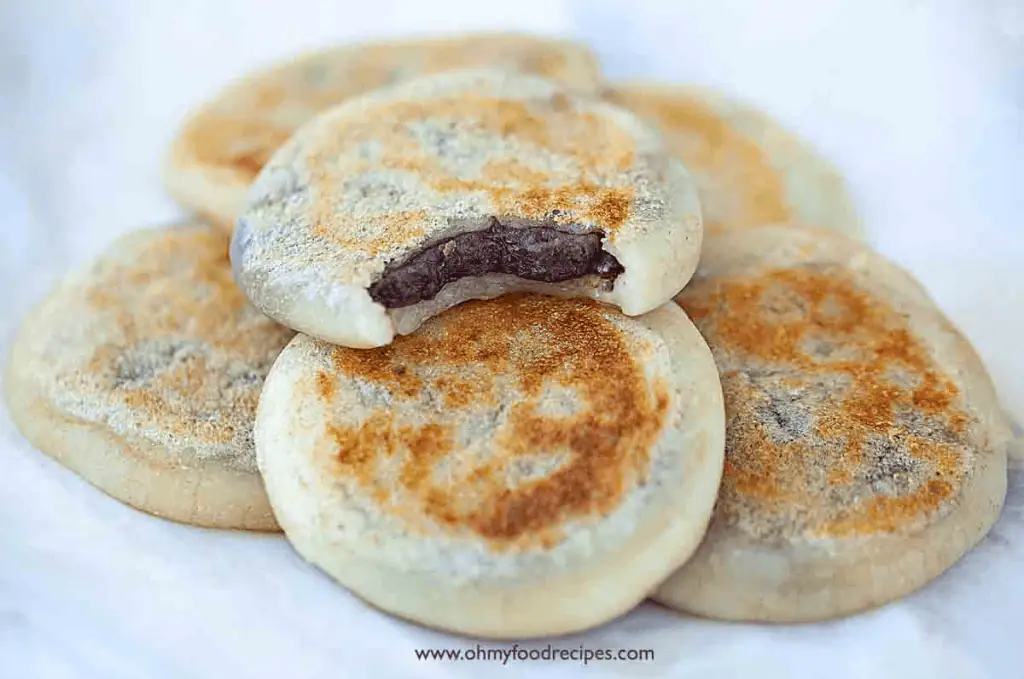
Red bean cake showcases azuki beans cooked into smooth or textured paste and paired with a light cake base. The sweetness is subtle, allowing the bean’s earthy flavor to stand out. Baking this cake introduces alternative fillings that feel comforting rather than sugary. It’s ideal for bakers looking to move beyond chocolate and vanilla while staying approachable. The result feels warm, nostalgic, and quietly indulgent.
Japanese Chestnut Cake

Chestnut cakes highlight seasonal ingredients and gentle sweetness. Chestnut paste adds depth and creaminess without heaviness, making the cake feel autumnal and refined. Baking it teaches how to work with purées rather than fats for flavor. The cake pairs beautifully with tea or coffee and feels festive without decoration. It’s a great choice for bakers seeking elegance through restraint.
Korean Sweet Potato Cake

Korean sweet potato cake uses roasted sweet potato purée to create natural sweetness and moisture. The flavor is mellow and comforting, while the texture stays soft and light. Baking it introduces vegetable-based sweetness without sacrificing satisfaction. It’s especially appealing in cooler seasons when warm, earthy flavors feel grounding. The cake feels nourishing as well as indulgent, bridging comfort and novelty.
