
7 Illegal Food Practices in History That Shaped Modern Cuisine
When a food or drink practice becomes illegal, people rarely stop; they adapt. That adaptation is where modern cuisine often gets rewritten: flavors get masked, substitutes get invented, supply chains get rerouted, and “normal” recipes evolve around what’s allowed. Over time, the workaround becomes tradition, and the law becomes a turning point in what we cook and how we trust food. These seven illegal (or criminalized) practices left permanent marks on today’s kitchens, menus, and ingredient standards.
Speakeasy Cocktails During U.S. Prohibition (1920–1933)
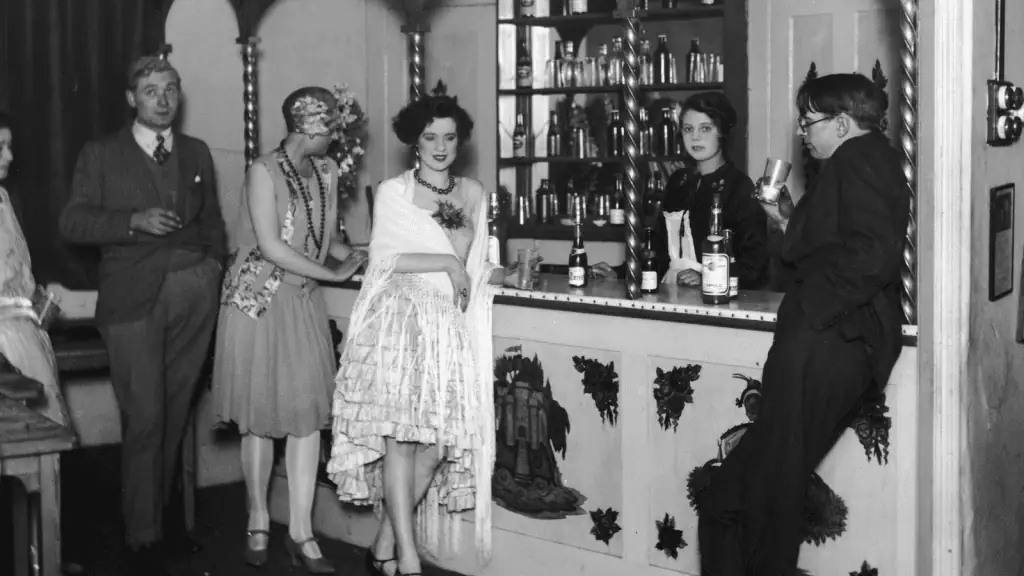
U.S. Prohibition made the manufacture, sale, and transportation of alcoholic beverages illegal nationwide from 1920 to 1933, pushing drinking into hidden speakeasies and making quality wildly inconsistent. Because bootleg spirits were often harsh, bartenders leaned on citrus, sugar, soda, and strong flavorings to cover unpleasant notes, helping normalize the mixed drink as a default rather than an exception. That “mask the liquor” approach shaped modern cocktail structure, from balanced sours to highballs, and it also influenced home entertaining, where mixing became the safer, more reliable option than drinking something straight.
Tea Smuggling in 18th-Century Britain
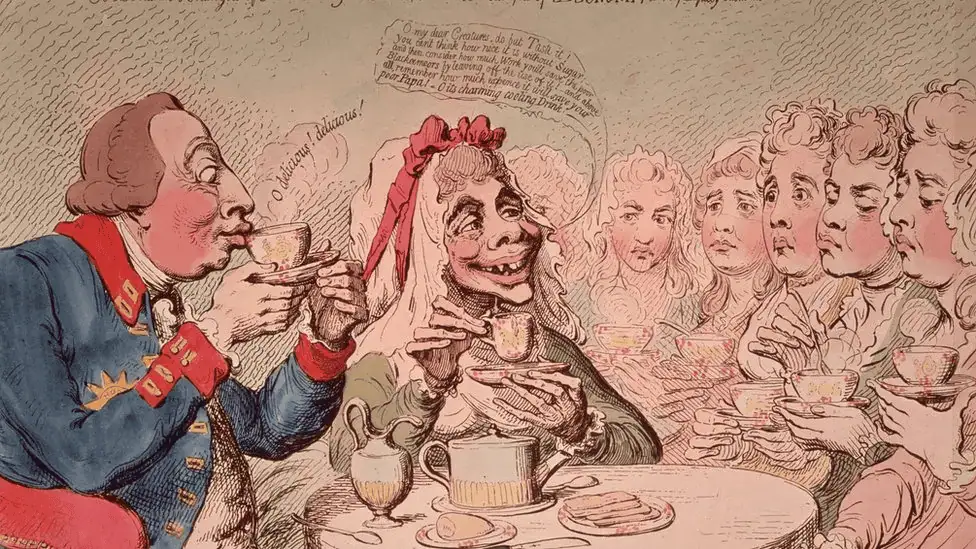
In 18th-century Britain, tea taxes were so high that smuggling became a major underground trade, supplying a huge black market and shaping how ordinary people consumed tea. A key turning point was the Commutation Act of 1784, which reduced the tea tax dramatically from about 119% to 12.5%, making smuggling far less profitable and shifting demand back toward legal sales. The long smuggling era helped entrench tea as an everyday necessity, while the crackdown accelerated standardization, branding, and blended teas designed for consistent taste at scale patterns that still define mainstream tea culture today.
Bread Adulteration With Alum and Whitening Agents (1750s Britain)
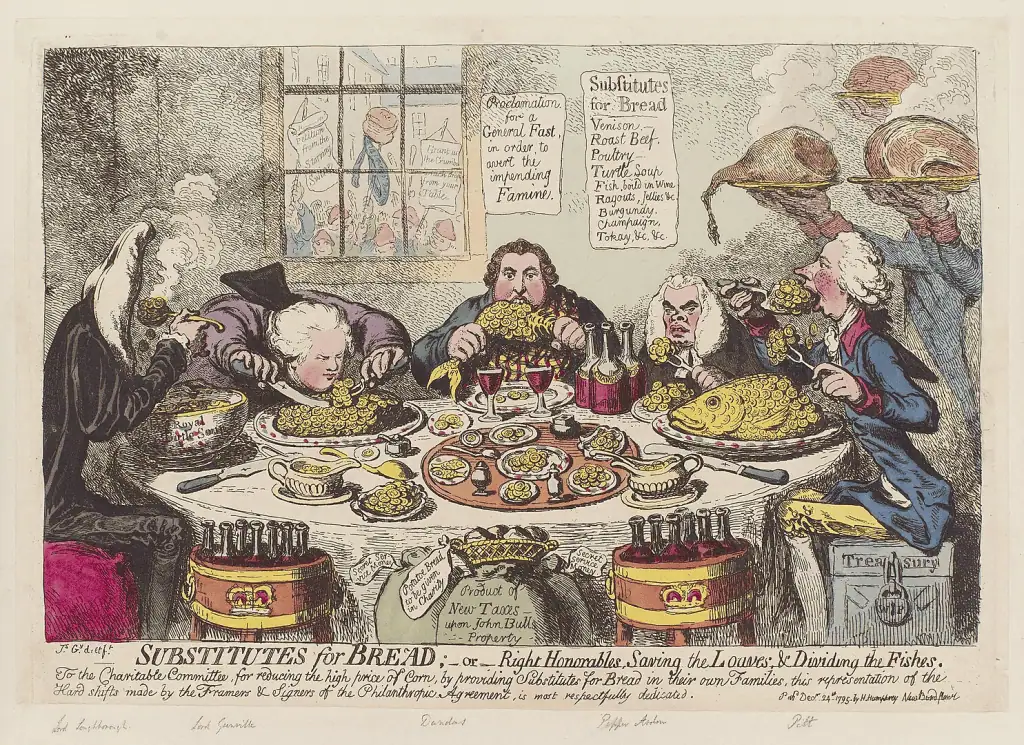
White bread was once treated as a quality symbol, and some bakers illegally “improved” loaves using whitening agents like alum (and other materials reported at the time), making bread look better even when flour quality was poor. The backlash led to the Making of Bread Act 1757, aimed at punishing people who adulterated meal, flour, or bread, an early example of law directly reshaping how a staple food could be produced. This fight helped drive the modern expectation that bread should be safe, honestly made, and regulated, laying the groundwork for later food-adulteration enforcement and ingredient accountability.
Selling “Butter-Colored” Margarine in Defiance of Color Laws
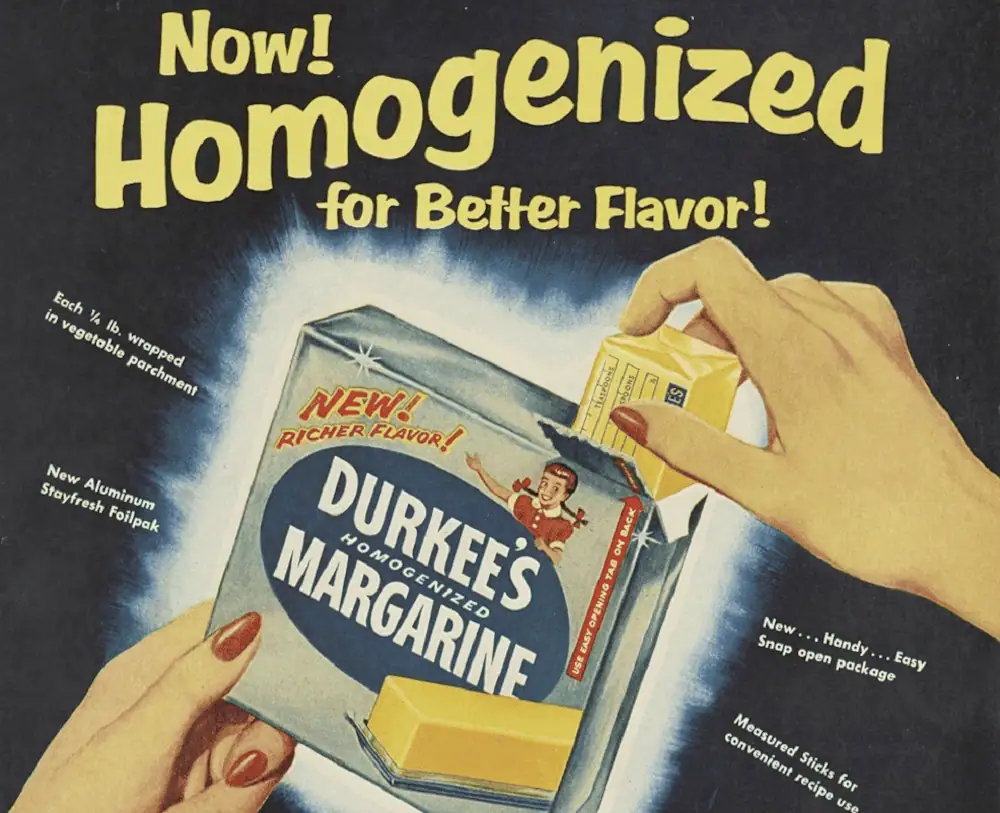
In the late 1800s, margarine threatened the dairy industry, and multiple U.S. states restricted margarine, coloring some even requiring it to be dyed pink to make it unappealing. By 1898, the U.S. Supreme Court invalidated New Hampshire’s “pink margarine” requirement in Collins v. New Hampshire, treating it as effectively prohibitory. The conflict shaped modern cuisine by cementing how much appearance influences perceived flavor, forcing manufacturers and cooks to think about color, labeling, and consumer trust. It also helped establish a long-running template for “food identity” regulation what a product is allowed to look like and how it must be presented.
Interstate Raw Milk Sales Bans and the Rise of “Workaround” Sourcing
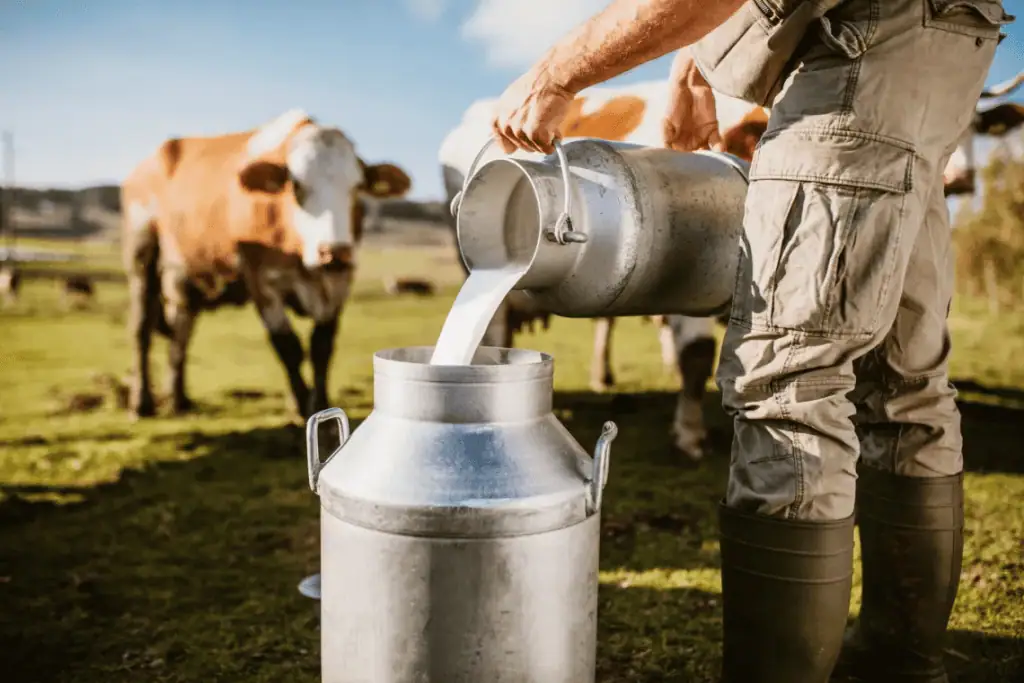
As pasteurization became a core public-health tool, the U.S. FDA issued a regulation in 1987 prohibiting the interstate sale of raw (unpasteurized) milk for direct human consumption, reflected in federal rules requiring pasteurization for milk in final package form in interstate commerce. Demand didn’t vanish it shifted into localized sourcing models, state-by-state legal variations, and consumer “farm direct” habits. That legal pressure shaped modern food culture by strengthening the local-food identity around dairy, influencing how people talk about “processing,” “authenticity,” and safety, and changing what kinds of milk and dairy products are realistically accessible for everyday home cooking.
Shark Finning at Sea and the Push Toward Seafood Ethics

Shark finning, removing fins and discarding the carcass at sea, became a major enforcement target, and the U.S. Shark Finning Prohibition Act was signed into law on December 21, 2000. The law made it illegal to remove shark fins and discard the carcass at sea, to possess fins on a vessel without corresponding carcasses, or to land fins without carcasses, changing how fishing operations could legally function. The culinary impact followed: menus, sourcing policies, and consumer expectations shifted toward sustainable-seafood thinking, and “ethical sourcing” became a modern requirement rather than a niche preference.
Illegal Milk Adulteration With Melamine (China, 2008)
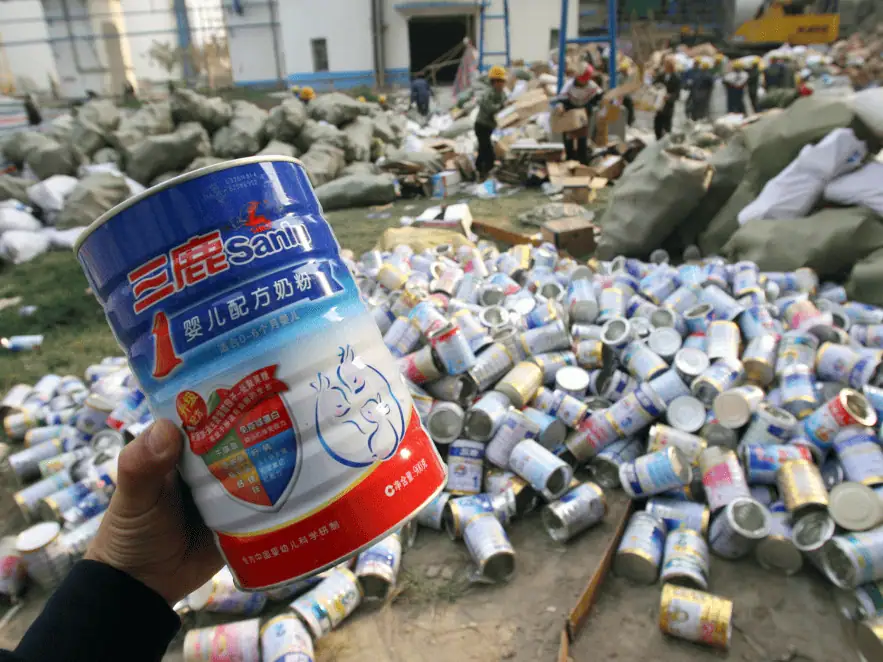
One of the most notorious modern food crimes was the deliberate addition of melamine to diluted raw milk to make it appear higher in protein, an illegal practice that triggered a massive public-health crisis made public in September 2008. Research reports describe how the contamination affected around 300,000 infants and young children, with kidney and urinary tract damage and multiple deaths reported, showing how fraud can become catastrophic when it manipulates staple foods. This scandal reshaped modern cuisine indirectly but powerfully: it accelerated global testing, traceability expectations, supplier audits, and the idea that “food quality” includes verified supply-chain integrity, not just taste.
Sources
- Encyclopaedia Britannica, Prohibition in the United States (1920–1933): https://www.britannica.com/event/Prohibition-United-States-history-1920-1933
- Encyclopaedia Britannica, Commutation Act (1784) and British tea taxation: https://www.britannica.com/topic/Commutation-Act
- Encyclopaedia Britannica, Bread adulteration and early food laws: https://en.wikipedia.org/wiki/Bread_adulteration
- Science History Institute, The War Over Margarine and U.S. color laws: https://sciencehistory.org/stories/magazine/the-war-over-margarine/
- U.S. Code of Federal Regulations (eCFR), Interstate raw milk sales prohibition (21 CFR Part 1240): https://www.ecfr.gov/current/title-21/chapter-I/subchapter-B/part-1240
- U.S. Congress, Shark Finning Prohibition Act of 2000: https://www.congress.gov/bill/106th-congress/house-bill/3535
- World Health Organization (WHO), Melamine contamination in China (2008): https://www.who.int/news/item/26-09-2008-melamine-contamination-in-china
