
12 Ingredients That Were Illegal but Changed the Way We Cook
Food rules don’t just decide what we can buy; they shape what we cook, how companies formulate products, and which flavors become “normal.” Some ingredients became illegal because of safety concerns, others because of ethics or enforcement gaps, and a few returned later under tighter limits. The ripple effects are huge: new substitutes, new techniques, new labeling, and entire recipe traditions altered to comply. Here are 12 ingredients (or ingredient categories) that were illegal in specific places or eras and still changed the way we cook today.
Wormwood in Absinthe
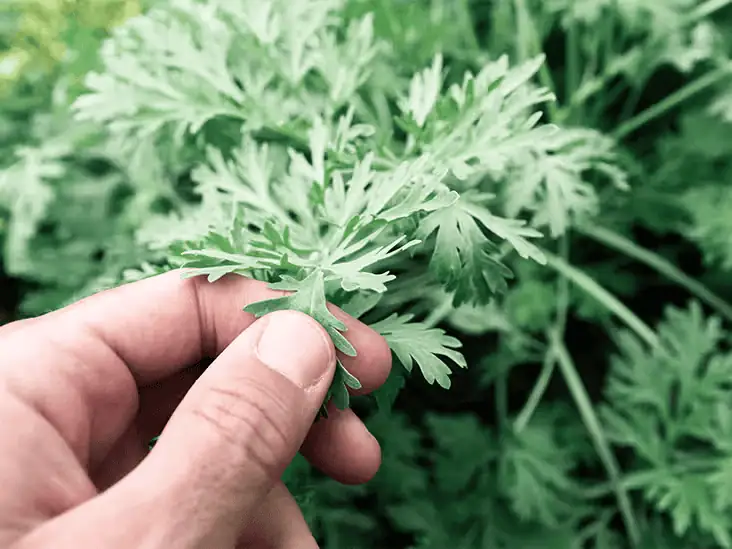
Absinthe’s identity comes from wormwood (Artemisia absinthium) and its naturally occurring compound thujone, which triggered decades of restrictions and confusion. In the U.S., absinthe became labelable again when the Alcohol and Tobacco Tax and Trade Bureau clarified that “absinthe” can be used only if the product is considered “thujone-free,” defined by TTB as less than 10 ppm thujone under FDA testing expectations. That compliance standard didn’t just revive a drink; it helped normalize bitter botanicals and anise-forward flavors in syrups, infusions, and modern cocktail-style desserts.
Cyclamate Sweetener
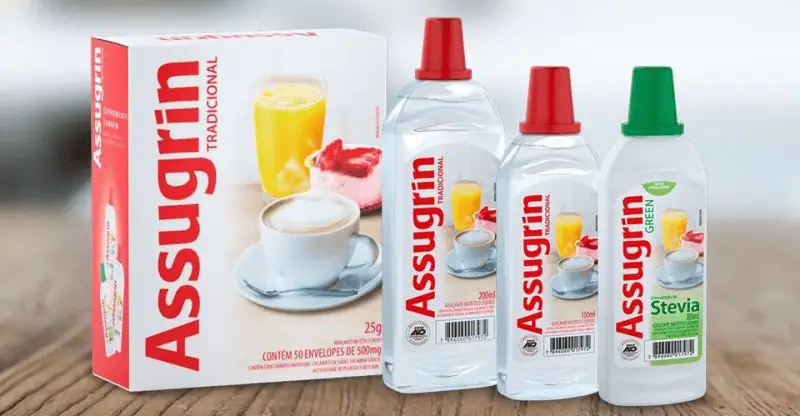
Cyclamate was once a mainstream “diet” sweetener until U.S. regulators removed it from the GRAS list and banned its use in general-purpose foods in 1969, with the market withdrawal following soon after. The sudden absence forced brands to reformulate sodas, drink mixes, and low-calorie baking around other sweeteners, shaping the way “sugar-free” taste was engineered for decades. Cyclamate’s removal accelerated the industry’s push toward blends, aftertaste-masking strategies, and new sweetener development to replace what had been a cheap, easy tool.
Saccharin
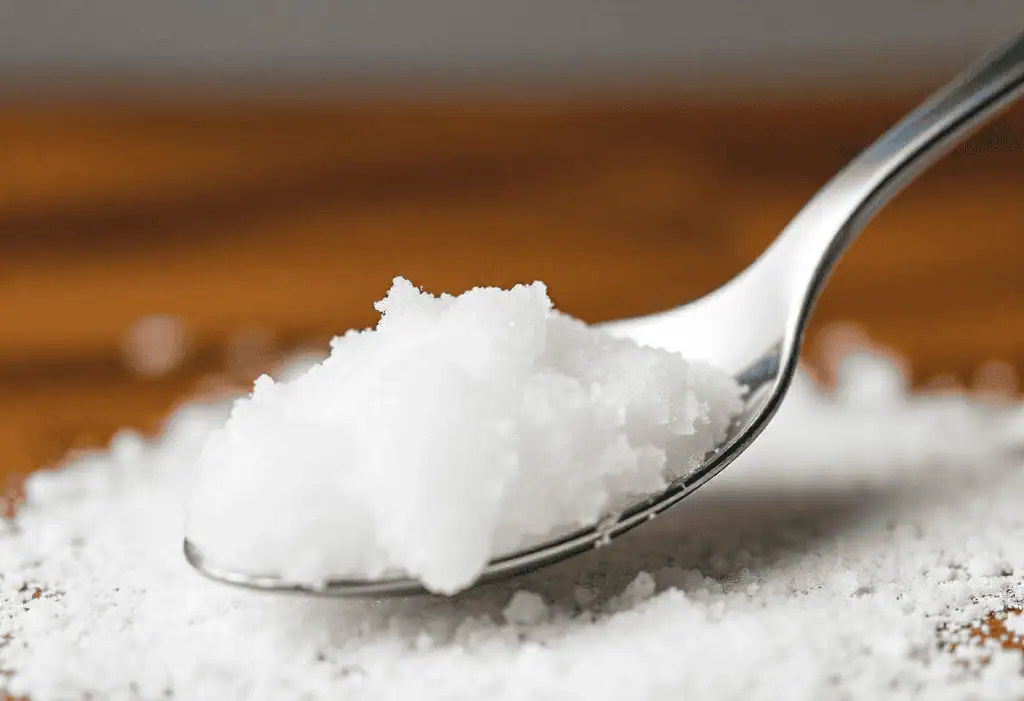
Saccharin’s story is a lesson in how regulation can reshape pantry behavior without a full disappearance. In the U.S., it triggered warning-label politics and long-running debate, while Canada restricted it for years after 1977. That uncertainty pushed manufacturers toward alternative sweeteners and changed consumer trust around “sugar-free” foods. It also influenced recipe culture, people learned to adjust sweetness, bitterness, and metallic notes, which later carried over to other substitutes in everything from lemonade to baked desserts.
Potassium Bromate

Potassium bromate was used to strengthen dough and improve rise, but it has been banned in multiple countries (including the UK and Canada) and treated as a carcinogen concern in places like California, pushing bakers away from bromated flour processes. The result changed breadmaking: more reliance on time, fermentation control, and alternative improvers to achieve volume and structure. In practice, bromate’s decline nudged both commercial and artisan baking toward technique-driven strength hydration, folds, and preferments rather than chemistry doing the heavy lifting.
Safrole in Sassafras
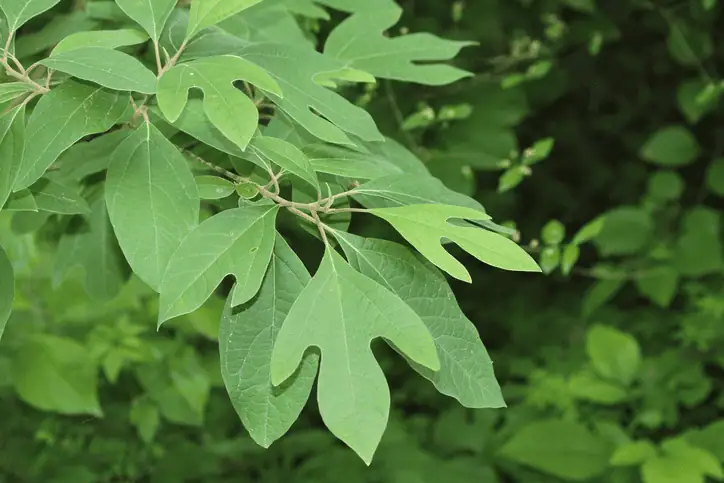
Sassafras flavor once defined classic root beer, but safrole (a key component in traditional sassafras oil) was banned by the FDA for use in food in 1960 due to carcinogenicity concerns. That forced a major flavor rewrite: root beer and “sassafras” products shifted to safrole-free extracts or alternative flavor systems. The broader cooking impact is bigger than soda. This became an early, high-profile example of a beloved “natural” flavor being restricted, driving the modern idea that natural ingredients still face chemical scrutiny.
Red Dye No. 2
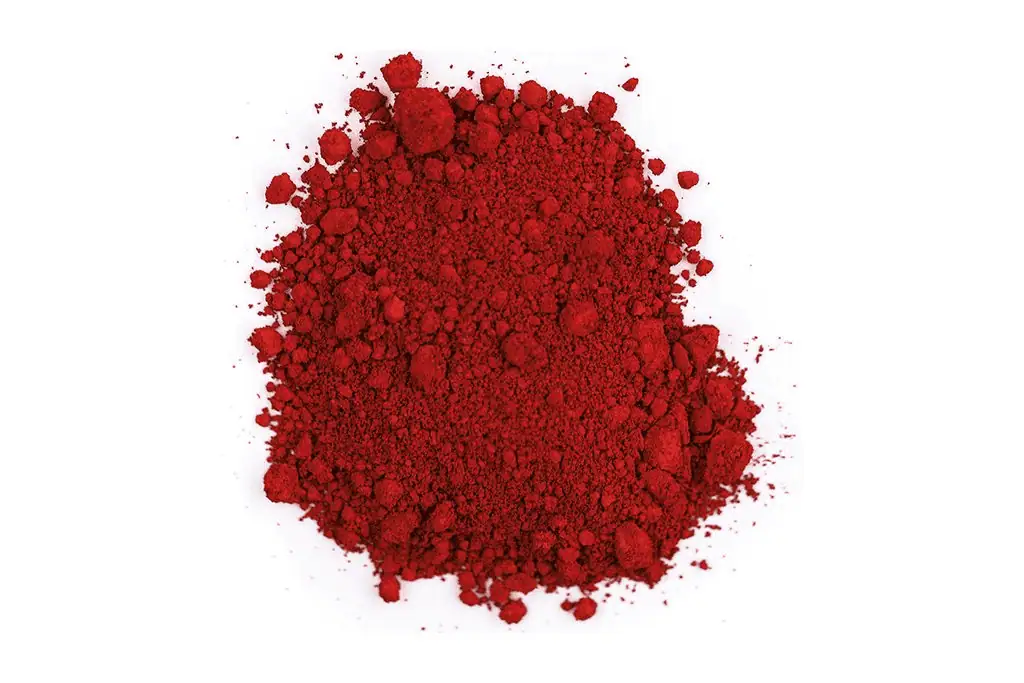
Red Dye No. 2 was banned from U.S. foods in January 1976, a major moment in public skepticism toward food color chemistry. Beyond candy, the change affected baking decorations, drink mixes, and processed foods that relied on bright reds for “strawberry,” “cherry,” or “fruit punch” identity. When a color disappears, product developers reformulate flavors and expectations because people often “taste with their eyes.” That shift helped accelerate the long-term move toward alternative dyes, color blends, and later, natural-color marketing.
Red Dye No. 3

Red Dye No. 3 (erythrosine) was banned by the U.S. FDA for foods and ingested drugs in a decision reported in early 2025, with phase-out deadlines extending into 2027–2028. That kind of change instantly reshapes baking, candy, frostings, and bright holiday desserts where vivid reds matter. It also forces brands to pick replacements that behave differently with heat, acidity, and storage, meaning recipes can subtly change even if the label looks similar. For home cooks, it accelerates the shift toward beet, annatto, and blended natural reds.
Partially Hydrogenated Oils
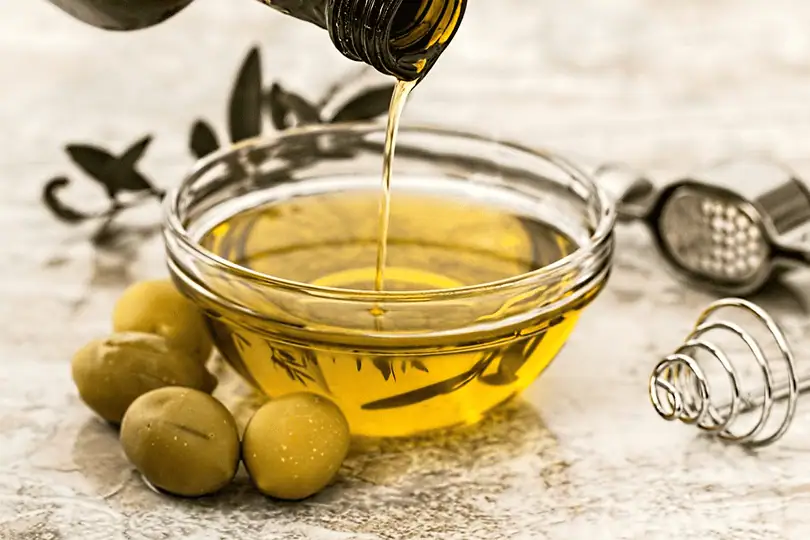
Partially hydrogenated oils (PHOs), the main source of industrial trans fat, were declared not GRAS by the FDA in 2015, driving removal from the food supply. This didn’t just change labels it changed how we cook with packaged foods. Snack textures, pie crust flake, frosting stability, and frying performance had to be rebuilt using different fats. The reformulations helped normalize oils and blends that behave differently under heat, meaning classic “processed food cooking” outcomes became harder to replicate without the old trans-fat structure.
Shark Fin

Shark fin became increasingly restricted, with the Shark Fin Sales Elimination Act taking effect in late 2022 and prohibiting possession, transport, and sale with narrow exceptions. That legal shift changed menus and cultural cooking practices in the U.S., pushing chefs toward substitutes that mimic texture, gelatin-rich braises, collagen-forward broths, and plant-based or seafood alternatives. It also accelerated conversations about ethical sourcing in “celebration foods,” where tradition meets modern enforcement, reshaping what restaurants serve for banquets and special events.
Foie Gras
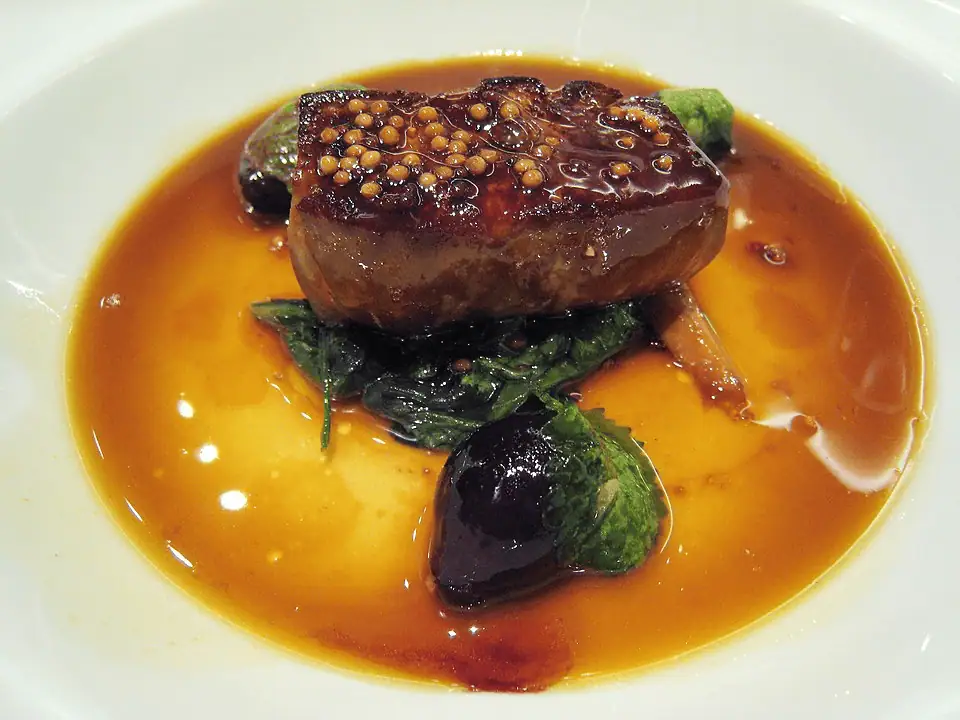
California’s foie gras law (SB 1520) banned force-feeding birds and the sale of resulting products, taking effect July 1, 2012, and remaining a high-profile example of ethics-driven food restriction. The cooking ripple is real: chefs and diners adapted by seeking alternatives to rich chicken liver pâtés, mousses, and terrines that deliver similar luxury texture without the same production method. It also influenced how restaurants write menus, describe sourcing, and treat “luxury” as something that must also be defensible to modern values.
Sheep Lung

Traditional haggis includes sheep lung, but U.S. rules have long prohibited lungs for human food, contributing to a decades-long ban on importing traditional haggis. That restriction forced recipe innovation: producers reformulated with heart or other organs to match texture while complying with U.S. requirements. The broader cooking impact is how a single prohibited ingredient can rewrite a national dish abroad, driving “legal versions” that spread new standards and permanently alter what people think the authentic flavor and texture should be.
Unpasteurized Milk Cheese Under 60 Days
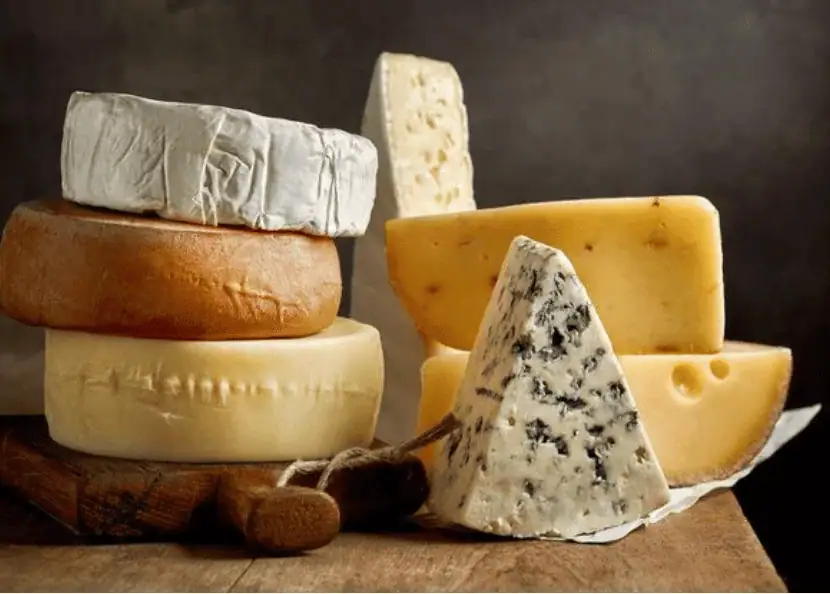
In the U.S., many cheeses made with unpasteurized milk must be aged at least 60 days at not less than 35°F under federal standards for certain cheese categories. That rule shaped what Americans could commonly buy and what cheesemakers chose to produce for the U.S. market. It also changed cooking habits: fewer ultra-fresh raw-milk styles in everyday use, more reliance on aged profiles that melt and taste differently. In practice, legality helped steer American “cheese cooking” toward specific textures and flavor strengths.
Sources
- Alcohol and Tobacco Tax and Trade Bureau (TTB), Industry Circular 2007-5: Absinthe and Thujone Standards: https://www.ttb.gov/public-information/industry-circulars/archives/2007/07-05
- Journal of the American Medical Association (JAMA), Cyclamate sweetener withdrawal and regulatory action (1969): https://jamanetwork.com/journals/jama/fullarticle/349150
- U.S. Food and Drug Administration (FDA), Saccharin—Regulatory history and labeling: https://www.fda.gov/food/food-additives-petitions/saccharin
- King Arthur Baking, Potassium Bromate—What bakers need to know: https://www.kingarthurbaking.com/pro/reference/bromate
- U.S. Food and Drug Administration (FDA), Safrole—Banned food additive: https://www.fda.gov/food/food-additives-petitions/safrole
- U.S. Government Accountability Office (GAO), FDA ban of Red Dye No. 2 (1976): https://www.gao.gov/products/100521
- Reuters, FDA bans Red Dye No. 3 with phase-out timelines (2025): https://www.reuters.com/business/healthcare-pharmaceuticals/fda-bans-red-dye-found-candy-cakes-2025-01-15/
- U.S. Food and Drug Administration (FDA), Final determination removing partially hydrogenated oils (trans fat): https://www.fda.gov/food/food-additives-petitions/final-determination-regarding-partially-hydrogenated-oils-removing-trans-fat
- National Oceanic and Atmospheric Administration (NOAA), Shark Fin Sales Elimination Act: https://www.fisheries.noaa.gov/national/laws-policies/shark-fin-sales-elimination-act
- Food & Wine, Supreme Court and California foie gras law (SB 1520): https://www.foodandwine.com/news/supreme-court-wont-touch-foie-gras-law
- Northeastern University News, Why traditional Scottish haggis was long illegal in the U.S.: https://news.northeastern.edu/2025/01/24/scottish-haggis-in-the-us/
- Electronic Code of Federal Regulations (eCFR), Cheese made from unpasteurized milk—60-day aging rule (21 CFR Part 133): https://www.ecfr.gov/current/title-21/chapter-I/subchapter-B/part-133
