
11 Iconic Global Dishes That Were Born Out of Necessity, Not Trend
Many of the world’s most iconic dishes weren’t created to impress or follow trends. They were born in moments of limitation, when cooks had to stretch ingredients, preserve food, or feed families with whatever was available. Over time, these practical solutions evolved into cultural staples, celebrated for flavor rather than their humble origins. What began as necessity-driven cooking eventually became tradition, identity, and comfort. These eleven global dishes prove that some of the best food ideas come from making the most of very little.
Pizza Margherita (Italy)
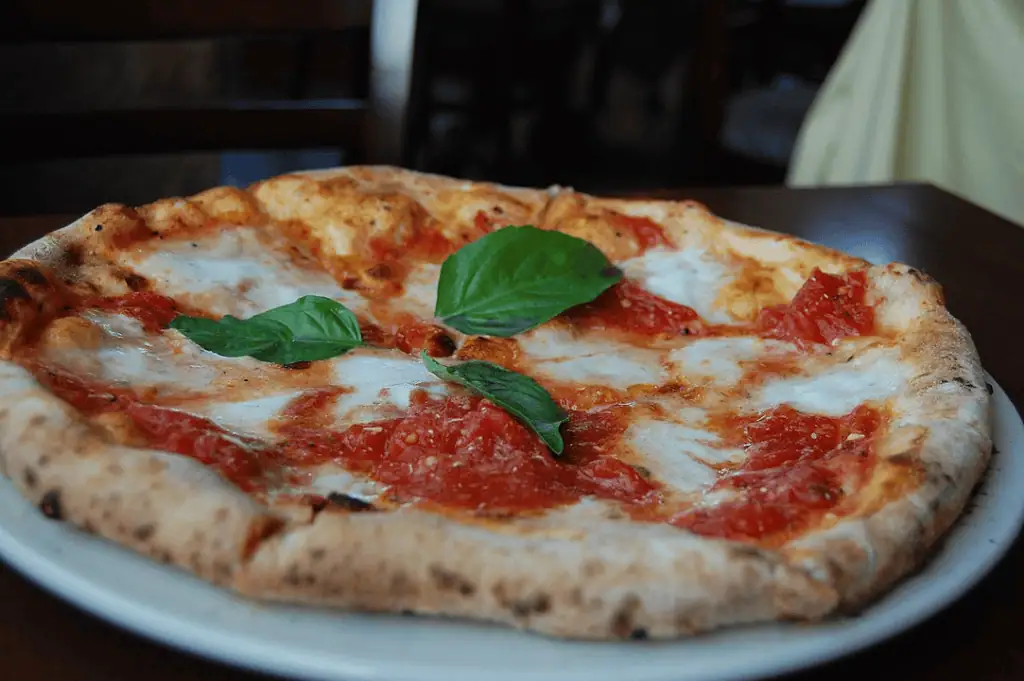
Pizza began as a simple, affordable meal for working-class Italians who needed something filling and easy to prepare. Using basic dough, tomatoes, oil, and cheese, early pizzas relied on ingredients that were cheap and widely available. The Margherita version reflected restraint rather than luxury, focusing on balance and simplicity. Its popularity grew because it delivered satisfaction without excess. What started as street food for survival eventually became a global symbol of Italian cuisine, still rooted in its modest beginnings.
Ramen (Japan)
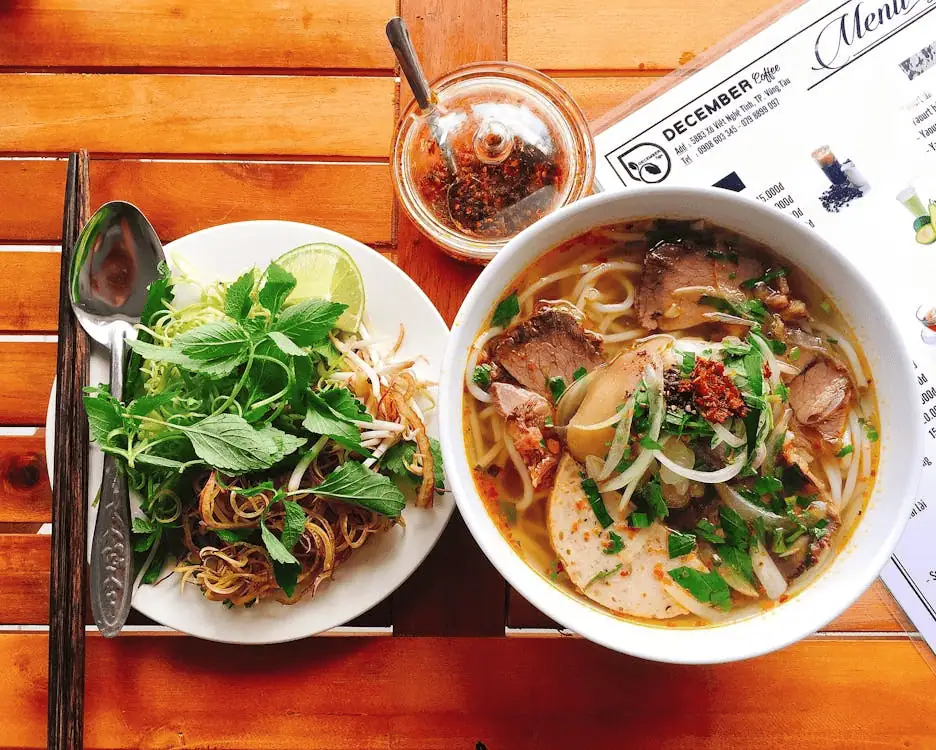
Ramen developed as a practical meal designed to be inexpensive, filling, and fast. Early versions used wheat noodles, broth, and minimal toppings to provide warmth and energy to laborers and students. The dish adapted easily to shortages, allowing cooks to vary ingredients based on availability. Over time, regional styles emerged, but ramen’s core identity remained grounded in necessity. Its rise from sustenance food to culinary obsession reflects how adaptable, efficient meals can grow into cultural icons.
Paella (Spain)
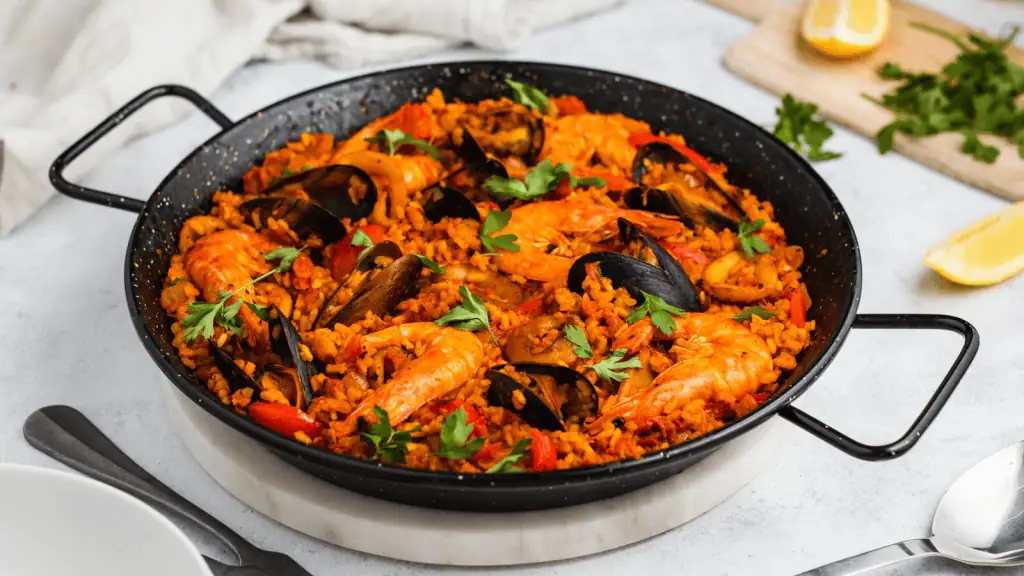
Paella originated as a communal meal prepared by farmers and laborers using whatever ingredients were available. Rice served as the foundation, with vegetables, beans, and small amounts of meat or seafood added as available. The dish was cooked outdoors over open fires, emphasizing practicality rather than presentation. Paella’s flexibility made it ideal for feeding groups efficiently. What began as resourceful countryside cooking later became one of Spain’s most recognized dishes worldwide.
Pho (Vietnam)
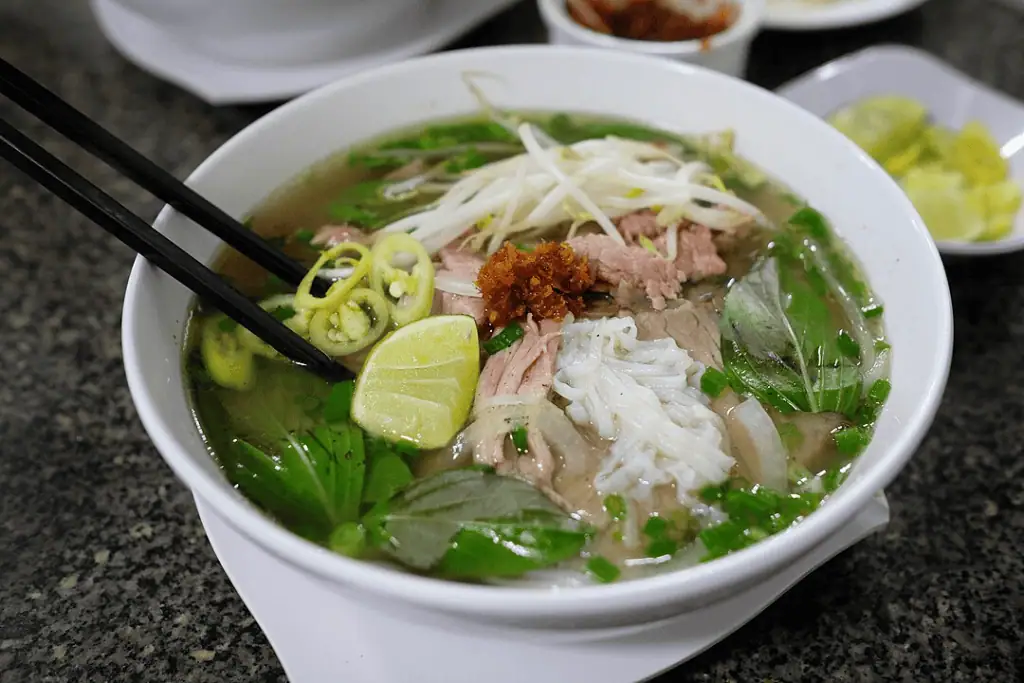
Pho emerged during times of scarcity, combining affordable cuts of beef with rice noodles and aromatic broth to create a nourishing meal. The long-simmered broth maximized flavor from minimal ingredients, making it both economical and satisfying. Pho became a way to stretch meat while still delivering warmth and nutrition. Its simplicity allowed it to spread quickly among working-class communities. Today, pho is celebrated globally, but its origins remain rooted in efficient, necessity-driven cooking.
Goulash (Hungary)
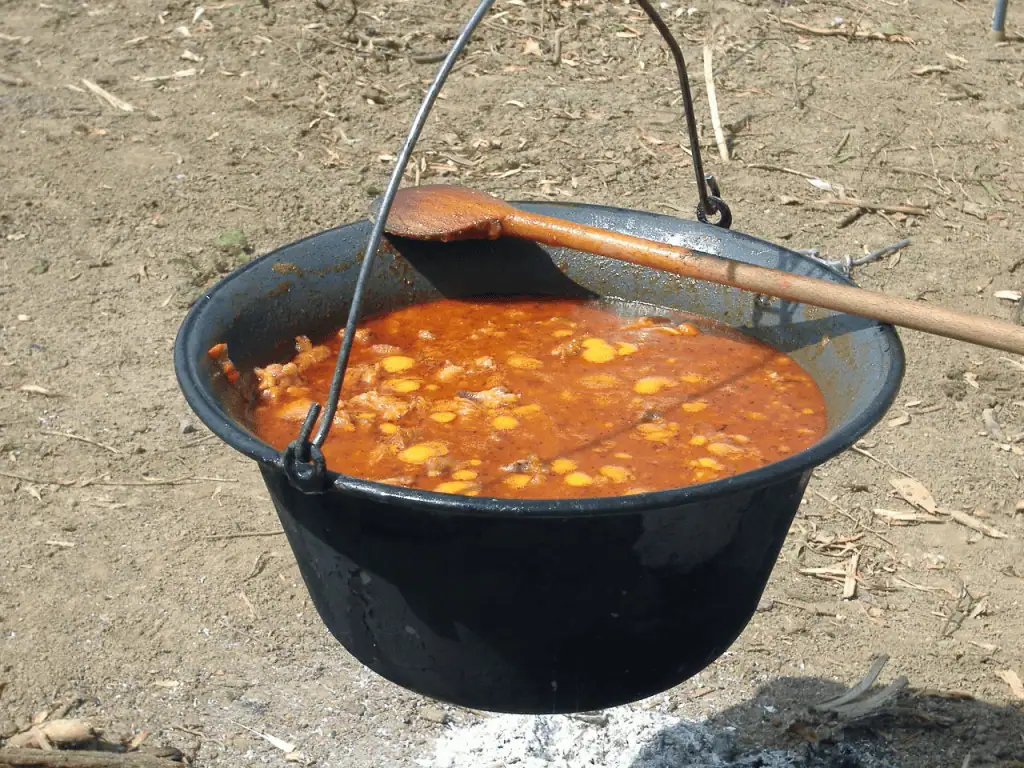
Goulash began as a practical stew prepared by Hungarian herdsmen who needed portable, hearty food. Using inexpensive cuts of meat, onions, and paprika, the dish was designed to be cooked slowly and sustain workers for long periods. The ingredients were chosen for availability and durability rather than refinement. Goulash evolved over time, but its identity remains tied to resilience and nourishment. What started as survival food became a defining symbol of Hungarian cuisine.
Cassoulet (France)
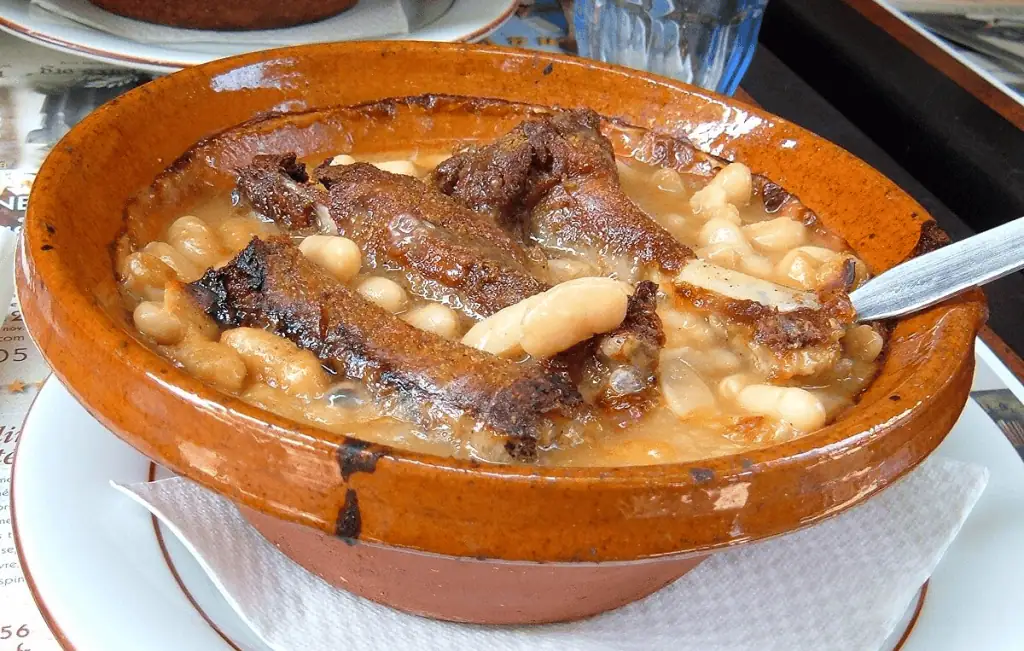
Cassoulet developed as a way to stretch preserved meats and dried beans during long winters. Rural French households relied on slow cooking to transform tough, inexpensive ingredients into something comforting and filling. Each region adapted the dish based on what meats were available, reinforcing its necessity-driven nature. Cassoulet wasn’t about elegance, but endurance and warmth. Over generations, it became a celebrated classic, valued precisely because of its humble, resourceful roots.
Feijoada (Brazil)
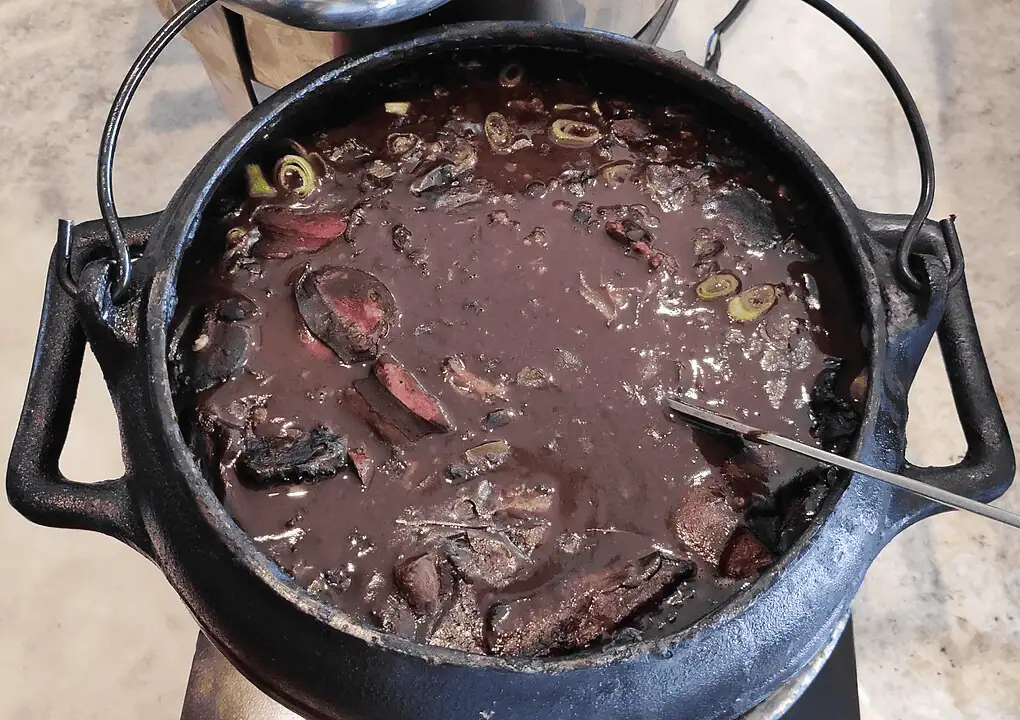
Feijoada originated as a practical dish that used leftover cuts of pork combined with black beans to create a filling stew. The goal was to waste nothing while feeding many people affordably. Slow cooking softened tough meats and blended flavors efficiently. The dish’s simplicity and adaptability allowed it to spread widely across social classes. Feijoada’s evolution into a national symbol highlights how necessity-based meals can become deeply embedded in cultural identity.
Fried Rice (China)
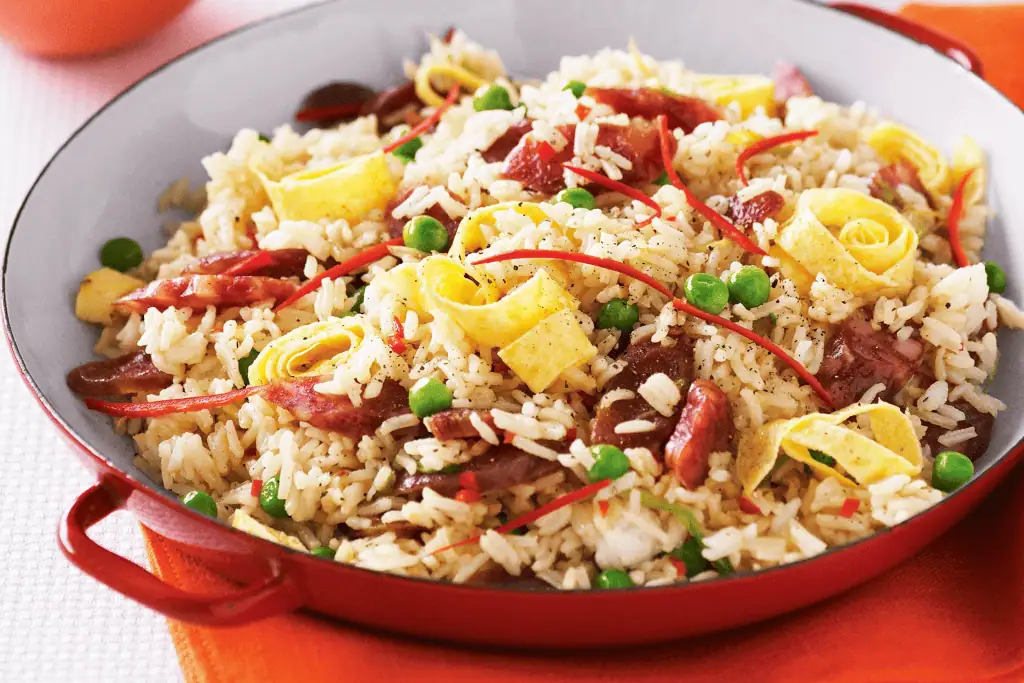
Fried rice was created as a solution for leftover rice that would otherwise be wasted. By stir-frying it with small amounts of vegetables, eggs, or meat, cooks transformed leftovers into a fresh, filling meal. The dish required minimal fuel and time, making it highly efficient. Its adaptability allowed it to thrive across regions and households. Fried rice’s global popularity stems from its practicality, proving that waste-reducing cooking can produce lasting favorites.
Shepherd’s Pie (United Kingdom)

Shepherd’s pie was designed to repurpose leftover cooked meat by baking it beneath a layer of mashed potatoes. This approach extended meals while creating something warm and filling for families. The dish relied on affordable ingredients and simple preparation, making it accessible during lean times. It wasn’t meant to be refined, only reliable. Shepherd’s pie remains a comfort food staple, celebrated for the same practicality that inspired its creation.
Arepas (Venezuela and Colombia)
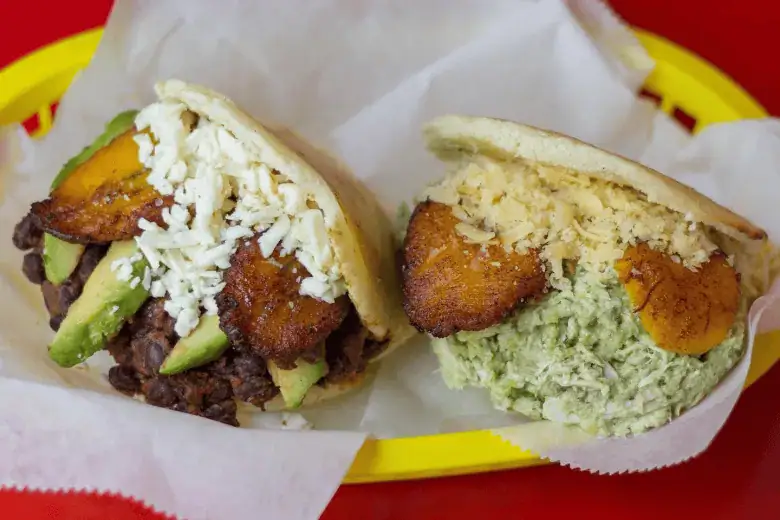
Arepas originated as a staple food made from ground corn, providing a simple and affordable source of nourishment. Corn was widely available and easy to store, making it ideal during periods of limited resources. Arepas could be cooked quickly and filled with whatever ingredients were on hand. Their flexibility allowed them to serve as both daily sustenance and celebratory food. Today, arepas are beloved across cultures, still rooted in their necessity-driven origins.
Dal (India)
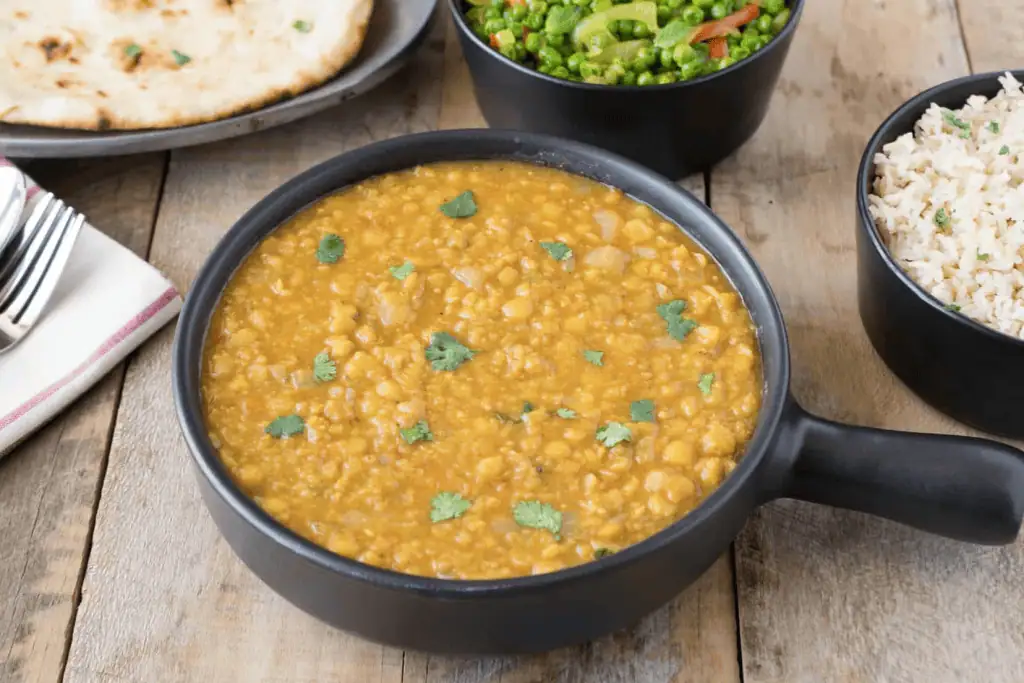
Dal developed as a primary protein source in regions where meat was scarce or expensive. Lentils were affordable, nutritious, and easy to store, making them ideal for daily meals. Slow simmering enhanced flavor while maximizing nourishment. Dal became a cornerstone of home cooking because it fed families efficiently and consistently. Its continued presence across Indian cuisine reflects how necessity-based dishes can become foundational, enduring far beyond their original constraints.
