
5 New Year Foods People Pretend to Love but Quietly Skip Every Year
New Year celebrations come with a familiar lineup of symbolic foods meant to bring luck, wealth, and good fortune. While these traditions are respected, not every dish earns genuine enthusiasm. Many people serve them out of habit, cultural expectation, or pressure to honor tradition, even if they rarely enjoy eating them. Plates are filled, compliments are exchanged, and leftovers quietly remain. These five New Year foods are widely celebrated in theory, yet often skipped in practice once the party settles and real appetites take over.
Black-Eyed Peas
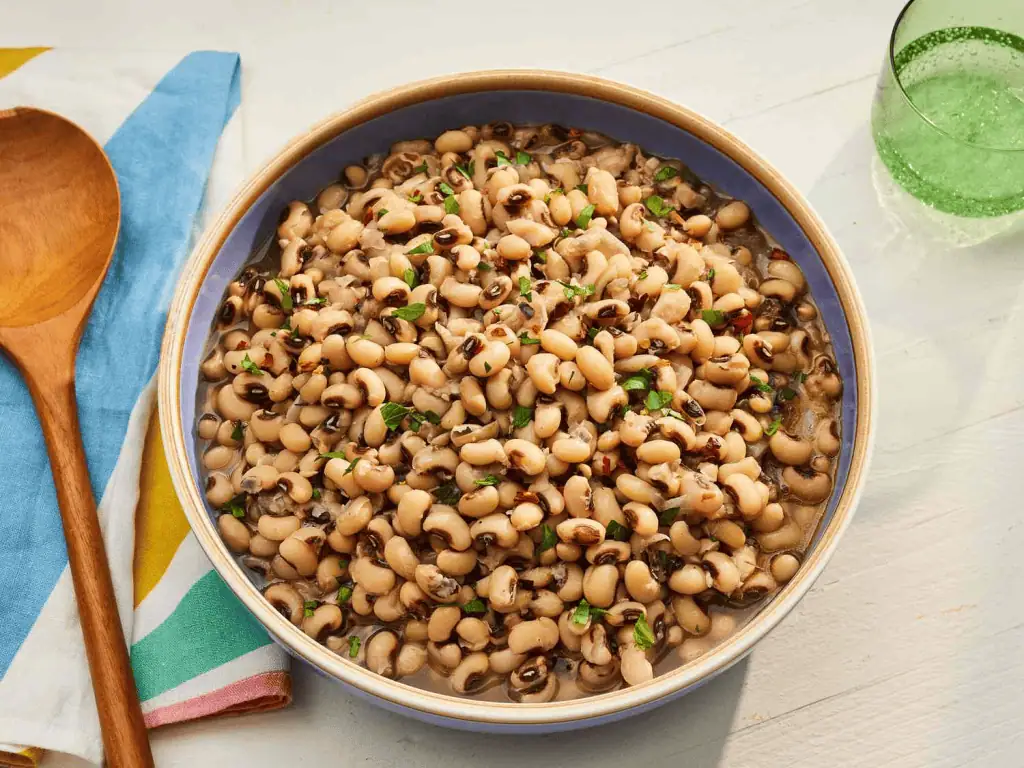
Black-eyed peas are said to bring luck and prosperity in the new year, especially in Southern traditions. Despite their symbolism, many people struggle with their earthy flavor and soft texture. Served plain or stewed, they can feel bland compared to other holiday dishes. Guests often take a small spoonful out of obligation, praising the meaning more than the taste. While deeply rooted in tradition, black-eyed peas frequently end up as leftovers, quietly pushed aside in favor of foods people genuinely crave.
Boiled Cabbage
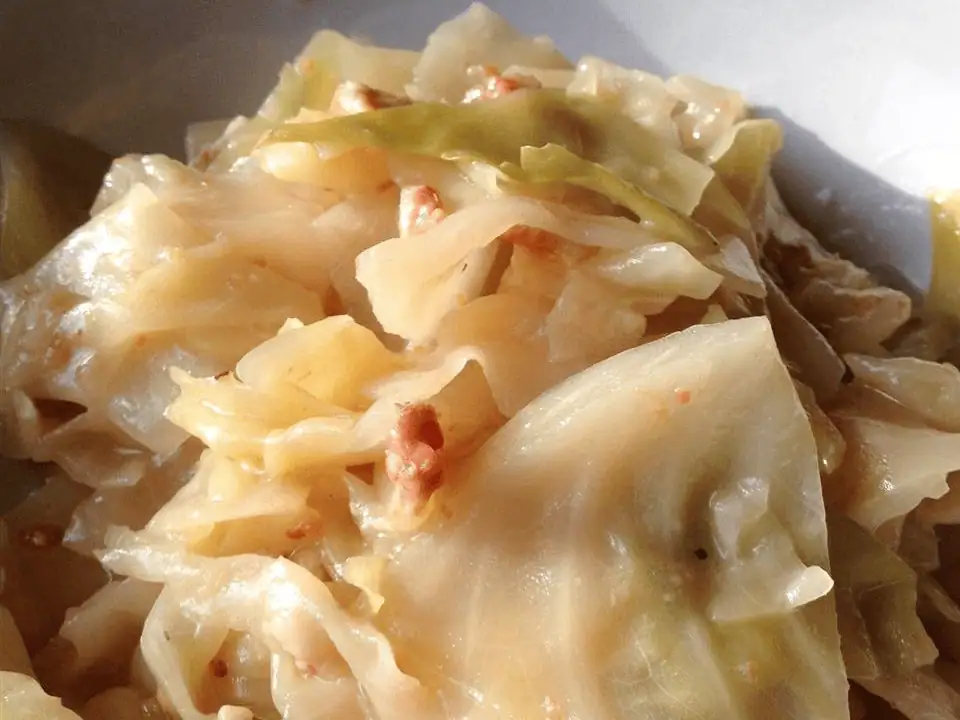
Cabbage is linked to wealth and abundance, but boiled cabbage rarely excites anyone at the table. Its strong aroma and muted flavor make it one of the least appealing New Year dishes, even when seasoned well. Many people associate it with overcooked childhood meals, which doesn’t help its reputation. It’s commonly served because it’s traditional and affordable, not because it’s loved. Plates may include a token portion, but most diners skip seconds without hesitation.
Pickled Herring
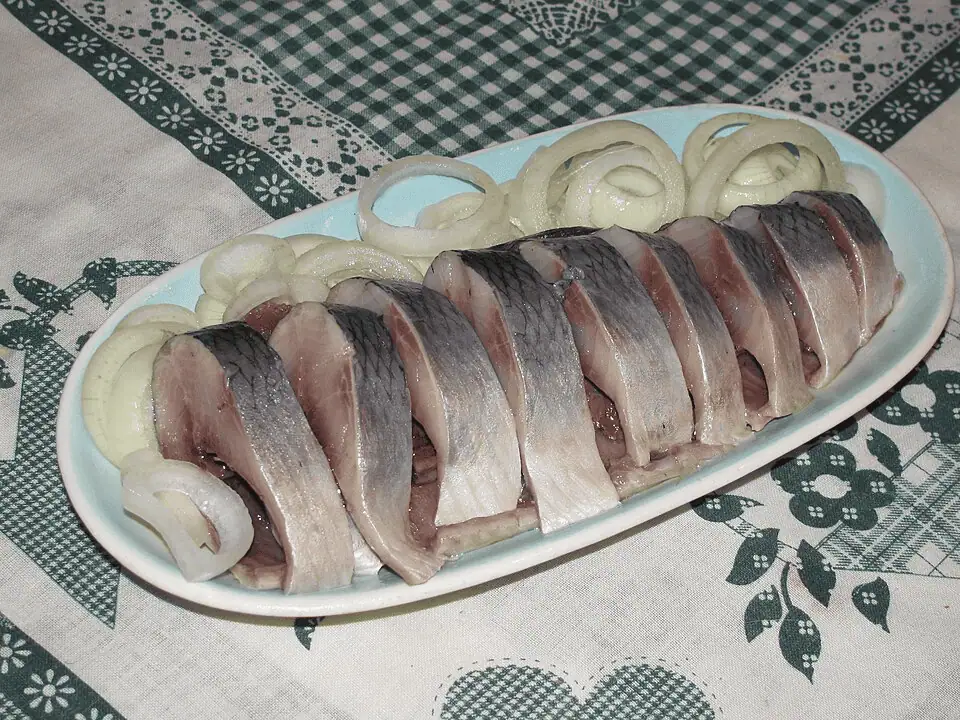
Pickled herring appears at many New Year gatherings, particularly in Eastern European and Jewish traditions. While respected for its cultural importance, its sharp vinegar flavor and slippery texture are polarizing. Many guests avoid it entirely, citing the strong smell or unfamiliar taste. Those who do try it often take the smallest possible piece. Pickled herring remains a dish people admire for its heritage, even as they quietly hope someone else will eat it instead.
Fruitcake
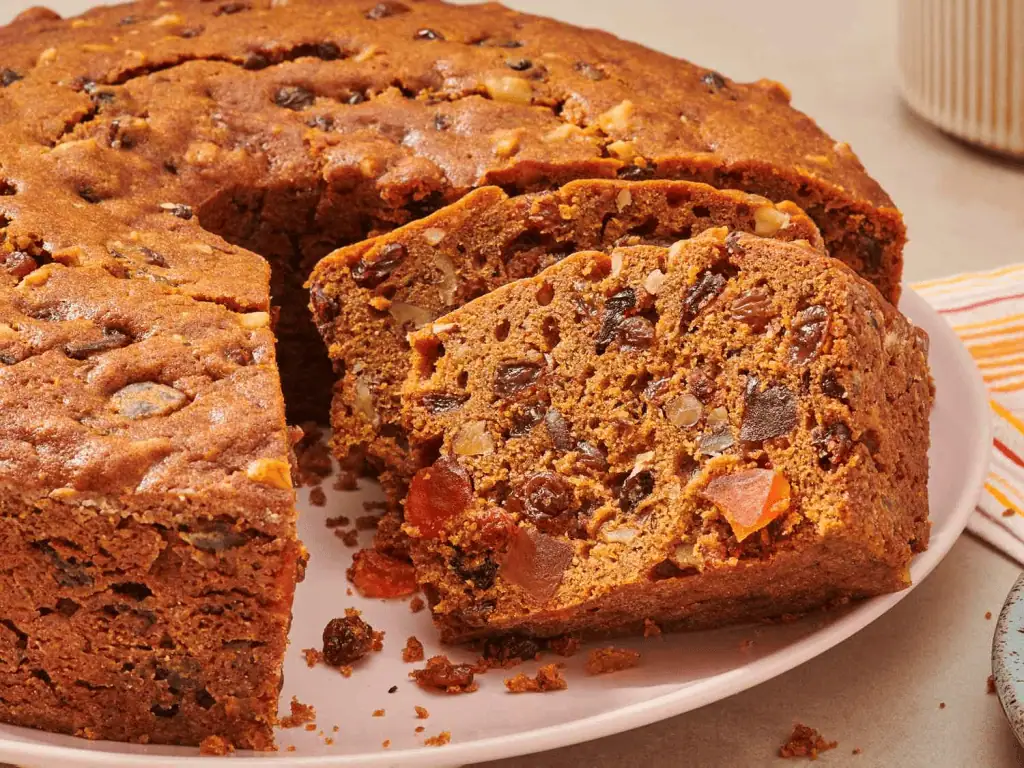
Fruitcake is technically a holiday staple, but its presence often feels more ceremonial than practical. Dense texture, overly sweet candied fruit, and long shelf life have turned it into a running joke. Many people accept a slice to be polite, then leave it unfinished. Despite claims that “this one is actually good,” fruitcake rarely disappears by the end of the night. It’s a dessert people recognize instantly, yet rarely choose willingly when other sweets are available.
Lucky Greens
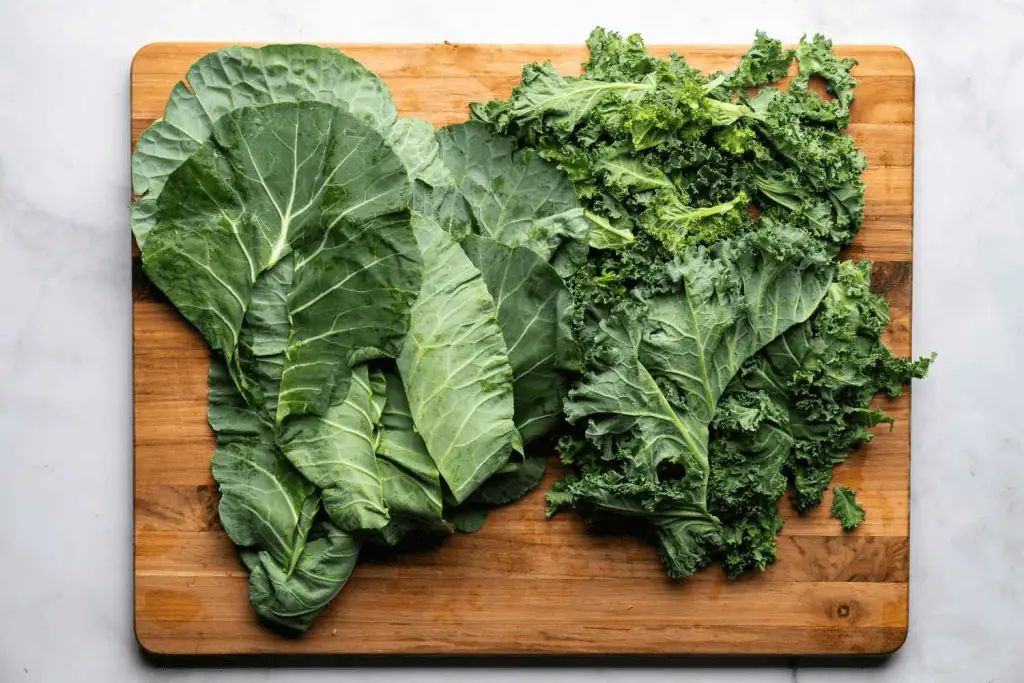
Greens like collards, kale, or mustard greens symbolize money and success in the coming year. While nutritious, they’re often cooked for long periods, resulting in bitter flavors and soggy textures. Guests usually serve themselves a small helping out of respect for tradition rather than enjoyment. Compared to richer holiday foods, lucky greens feel more like a responsibility than a treat. They remain on the table year after year, praised more for symbolism than satisfaction.
