
10 Jewish Dishes That Went Global (and Changed How the World Eats)
Jewish cuisine, rich in history and tradition, has significantly influenced global culinary landscapes. Exploring these beloved dishes reveals flavors and techniques that have transcended borders, becoming staples in kitchens worldwide. Delve into these ten Jewish dishes and discover how they have transformed the way we eat, blending cultural roots with modern tastes.
Bagels: From Eastern Europe to Your Table

Bagels, originating from Eastern Europe, are now a breakfast favorite globally. Their characteristic chewy texture comes from boiling the dough before baking, which helps to lock in moisture and build a glossy crust. For a perfect homemade bagel, proofing is key; take your time to allow the yeast to develop depth of flavor. The classic addition of toppings like sesame seeds or poppy seeds before baking intensifies their appeal, offering both visual and textural contrast. Pair with cream cheese or smoked salmon for a timeless experience.
Falafel: A Middle Eastern Marvel
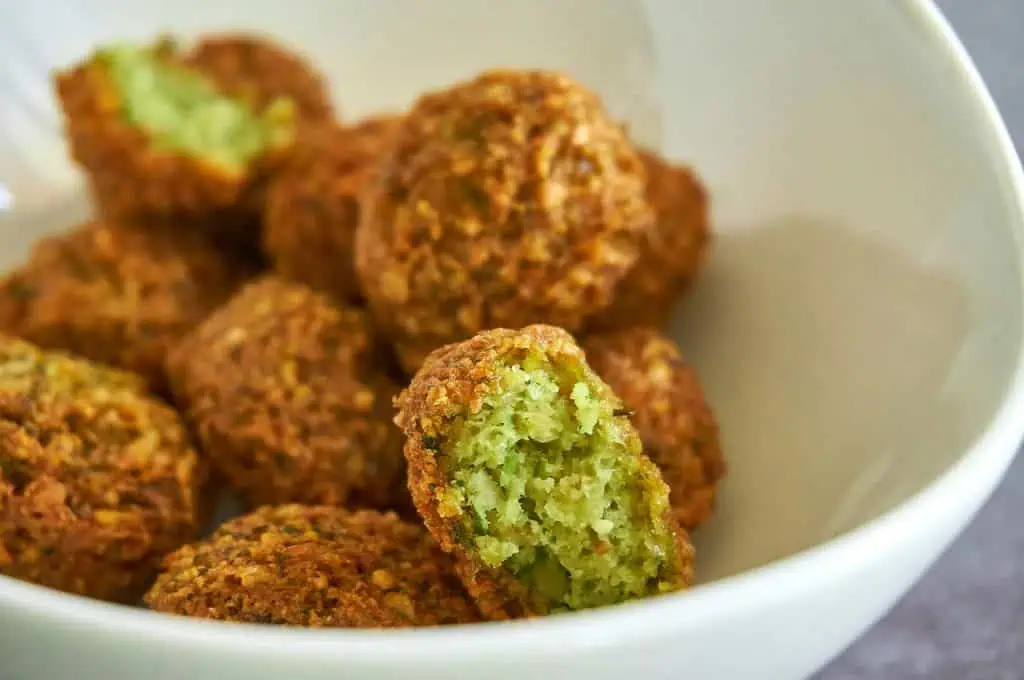
Falafel, a staple in Middle Eastern cuisine, captivates with its crispy exterior and tender, herb-infused interior. Using dried chickpeas, soaked overnight, ensures a light texture that canned varieties cannot replicate. Fresh parsley, cilantro, and cumin blend into the mix, providing vibrant color and earthy warmth. When frying, maintain the oil at a consistent temperature to achieve an even, golden crust. Served traditionally in pita with a garlic-tahini sauce, these falafels offer a satisfying crunch with every bite.
Shakshuka: Global Brunch Sensation

Shakshuka, a dish of eggs poached in a spicy tomato sauce, has become a brunch sensation worldwide. The secret lies in balancing the tomatoes’ acidity with a touch of sweetness from bell peppers and a hint of heat from cayenne or paprika. Simmer the sauce until thickened, and create wells to gently nestle the eggs, ensuring they cook evenly. Garnishing with fresh cilantro or parsley adds a bright finish. Pair with crusty bread for scooping, making each bite irresistibly flavorful.
Hummus: Pantry Staple Everywhere
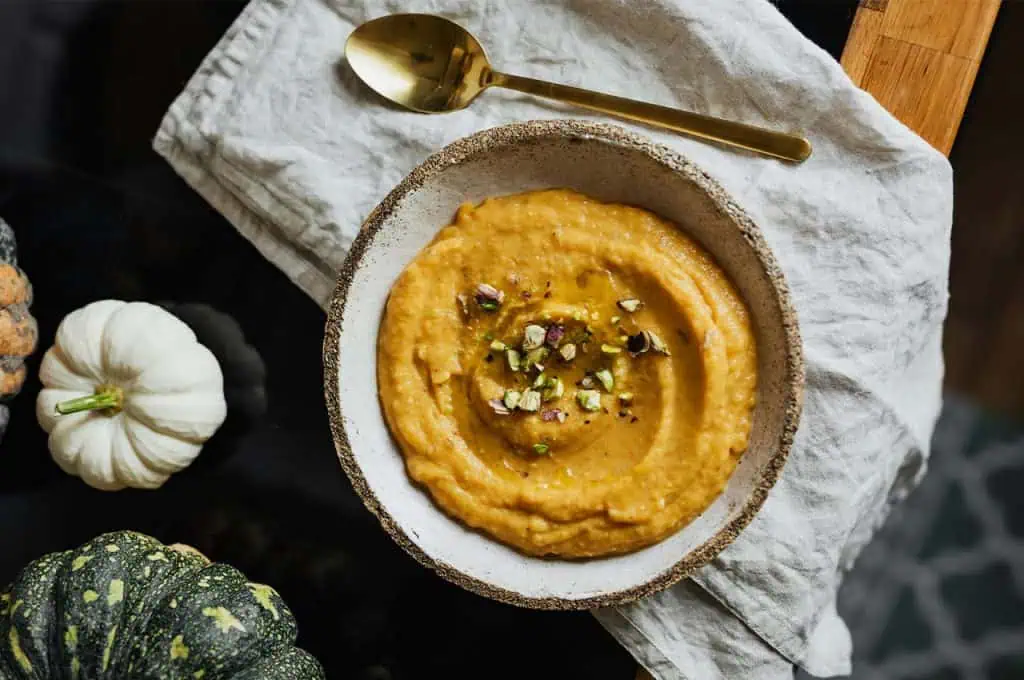
Hummus, a creamy blend of chickpeas and tahini, has become a versatile dip that enhances any meal. To achieve the silkiest texture, peel the chickpeas after cooking and blend them with ice-cold water, which emulsifies the mixture. The addition of lemon juice and garlic provides a tangy, aromatic layer that complements the earthiness of the chickpeas. For a personalized touch, drizzle with olive oil and sprinkle with paprika or za’atar. Enjoy with fresh vegetables or warm pita, transforming it into a satisfying snack or appetizer.
Challah: Beyond the Sabbath Table

Challah, with its soft, sweet crumb and golden crust, has transcended its traditional role on the Sabbath table to become a staple in bakeries worldwide. This braided bread is often enriched with eggs and sweetened with honey or sugar, giving it a tender texture perfect for a multitude of uses. Beyond serving it fresh, consider using challah for French toast or bread pudding to take advantage of its rich flavor and absorbency. For the perfect braid, let the dough rest adequately between stages to avoid resistance when shaping, and brush with egg wash before baking for that signature shine.
Latkes: Potato Pancakes with a Twist

Latkes, traditionally savored during Hanukkah, have found their way into diverse global kitchens, enticing everyone with their crisp exterior and soft inside. The key to a perfect latke lies in the potato preparation—grate them finely and squeeze out excess moisture for maximum crunch. Experiment with variations by incorporating ingredients like sweet potatoes, zucchini, or even carrots. Serve with the classic pairing of applesauce or sour cream, or explore new accompaniments like avocado salsa or smoked salmon. Frying in a neutral oil such as canola ensures consistent heating and a golden brown finish.
Rugelach: A Pastry Loved Worldwide

Rugelach, a delectable pastry originating in Eastern European Jewish communities, boasts a buttery, flaky dough wrapped around sweet fillings such as dried fruits, nuts, or chocolate. Achieving the best texture involves chilling the dough sufficiently to ensure it maintains its shape during baking. Roll it thinly for delicate layers and brush with apricot jam for extra gloss before baking. The versatility of rugelach encourages experimentation—try different nut butters or exotic spices in the filling to create unique flavor profiles. Baking at a moderate temperature ensures a consistently cooked pastry with evenly distributed flavor.
Matzo Ball Soup: Comfort on a Global Scale
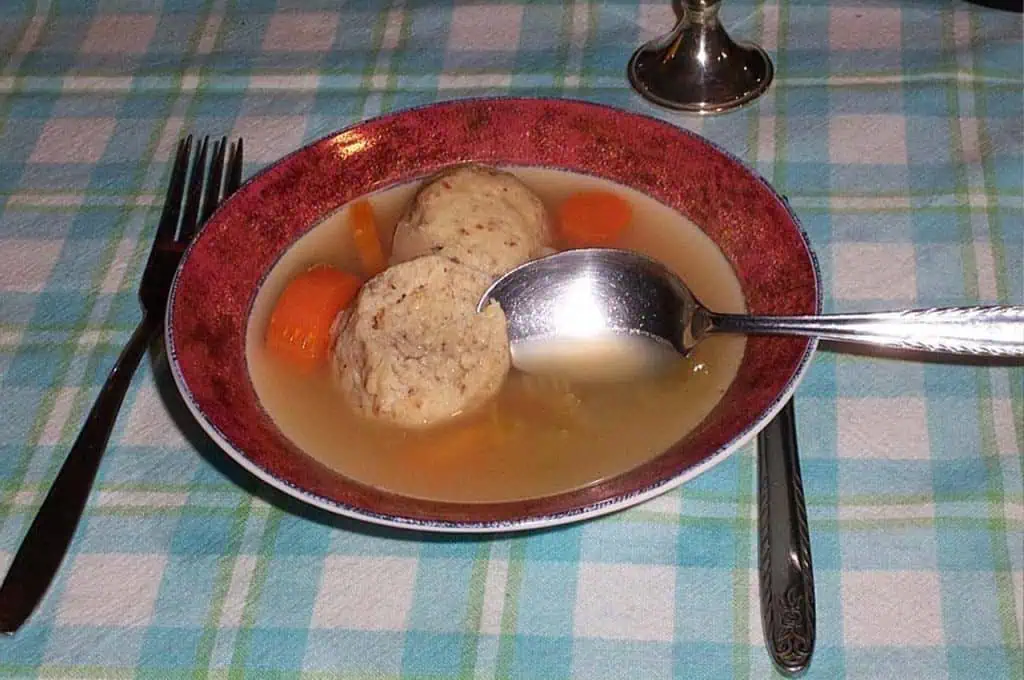
Matzo ball soup is a classic comfort dish that has made its soothing presence felt far beyond Jewish delis. The success of the matzo balls lies in achieving the desired texture, be it dense or fluffy. Adjust the size of the matzo meal and the cooling time of the batter accordingly; chilling before shaping is essential for consistency. The broth should be rich and aromatic, often simmered with carrots, celery, and dill. Experimenting with herbs in the matzo mixture can add dimension, while a gleaming stock, strained and seasoned, elevates the dish to global comfort food status.
Brisket: Celebration Dish Turned Favorite

Brisket, once a festive essential in Jewish households, has gained universal acclaim for its tender, flavorsome appeal. The secret lies in slow cooking, which breaks down the connective tissue, imparting unrivaled tenderness. Use a dry rub or marinade to infuse the brisket with robust flavors overnight, then braise it slowly with onions, garlic, and a balanced liquid base like stock and wine. Rest the cooked brisket before slicing against the grain to retain juices. This method not only honors tradition but also introduces variations like smoky barbecue or tangy tomato-based preparations.
Sabich: The Sandwich Everyone Wants
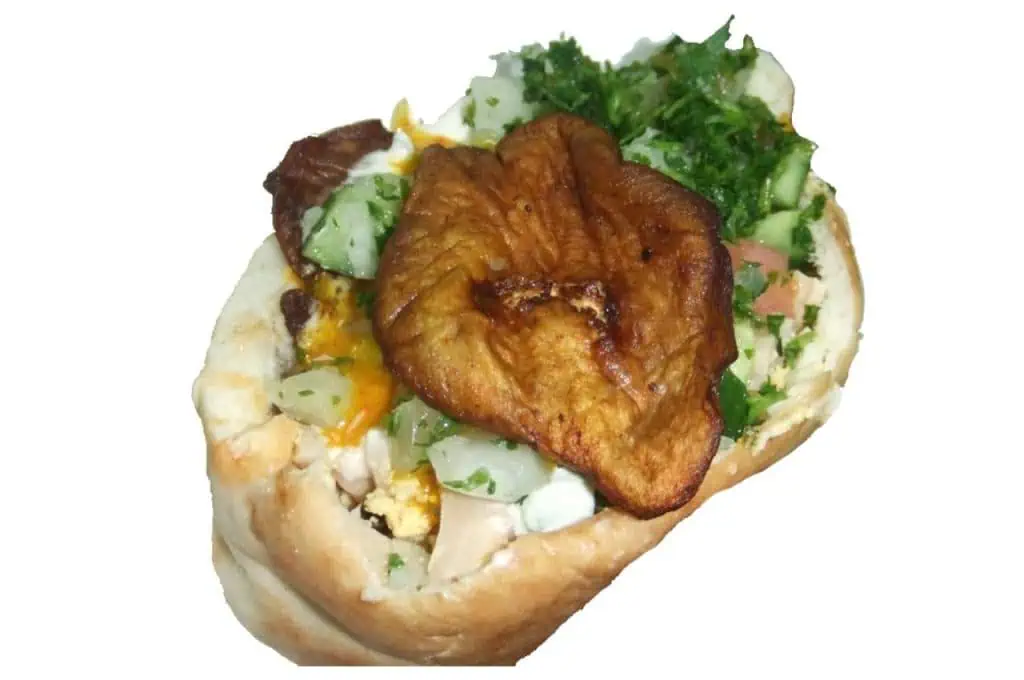
Sabich, a flavorful, layered sandwich, originates from Iraqi Jewish communities and has captured palates worldwide. This dish starts with a fresh, warm pita, offering a textural base that envelopes the diverse components. Essential ingredients include fried eggplant, hard-boiled eggs, and a medley of chopped Israeli salad. For a creamy contrast, tahini and amba, a tangy mango pickle sauce, are drizzled generously. The key to a perfect sabich is balance: each bite should reveal harmonized flavors and textures. When assembling, ensure the eggplant is golden and tender, and the salad remains crisp, providing both earthiness and brightness in one satisfying mouthful.
