
10 Rare ’60s Snacks Food Historians Are Still Hunting For
The 1960s were a turning point in American snack culture, driven by postwar optimism, convenience foods, and bold experimentation. Companies tested unusual flavors, futuristic packaging, and short-run products that often disappeared as quickly as they arrived. Unlike today’s carefully archived launches, many snacks from this era left behind little more than magazine ads, commercials, and fading memories. Food historians now hunt for these lost snacks to understand how mid-century America ate, marketed, and imagined the future of food.
Pillsbury Space Food Sticks (Original Savory Prototypes)
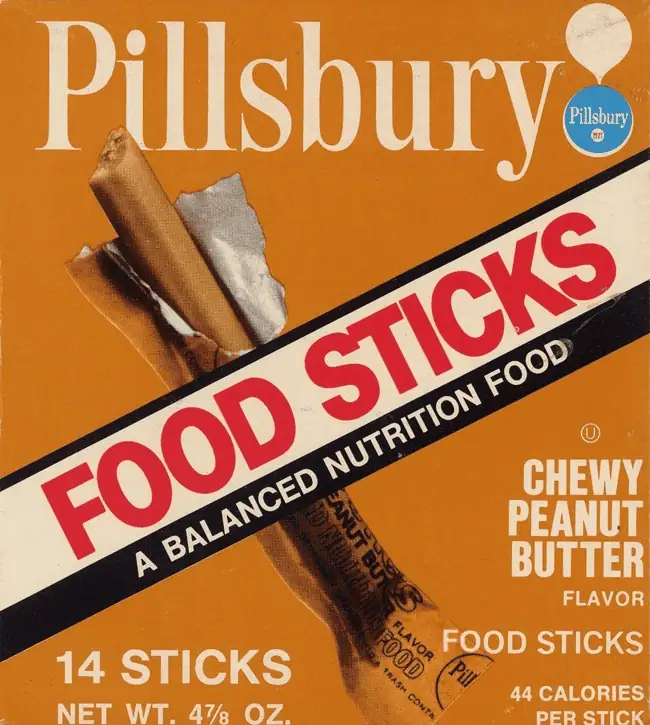
While the chocolate Space Food Sticks are remembered, historians continue searching for early savory test versions reportedly developed during the space-race era. These prototypes were designed as meal-replacement snacks for astronauts and schoolchildren, flavored with meat and grain blends. They were briefly tested before being shelved in favor of sweeter versions. No confirmed packaging samples have surfaced, making them one of the most elusive experimental snacks of the decade.
General Mills’ Kaboom Snack Squares
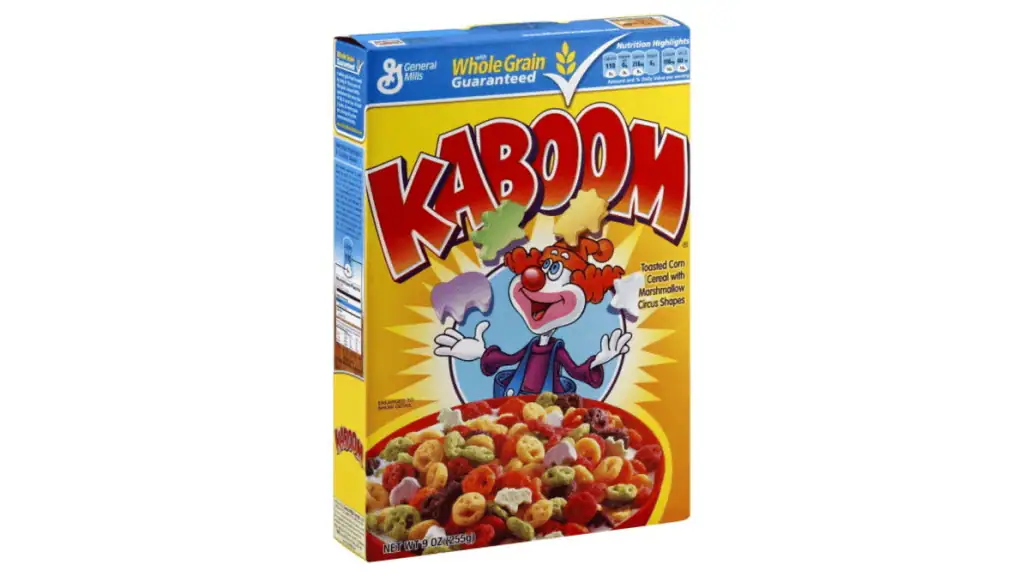
Kaboom is remembered mainly as a cereal mascot, but food historians reference a short-lived savory snack square tied to the brand in the mid-1960s. Advertisements suggested a baked, cracker-like product marketed toward children. Despite mentions in trade publications, no physical examples have been verified. Researchers believe the product never made it past limited regional trials, leaving its exact flavor and form largely unknown.
Jell-O Savory Cubes
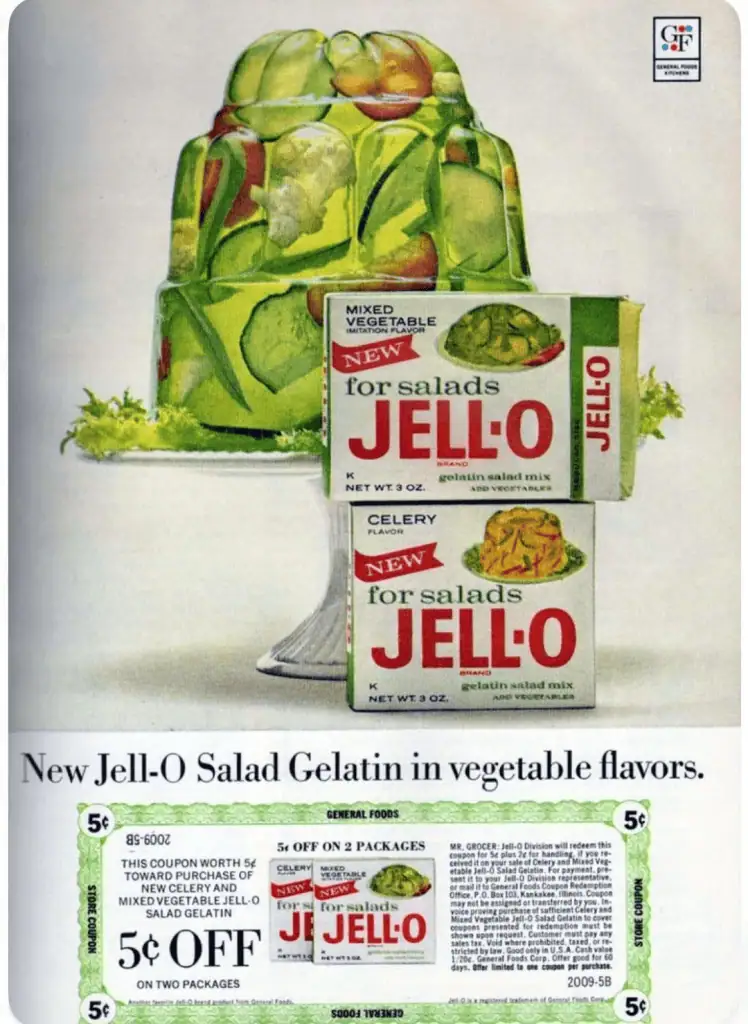
Jell-O experimented heavily with savory applications during the 1960s, including concentrated gelatin cubes meant to be dissolved into cold “snack molds.” These cubes came in flavors like tomato, celery, and beef. While recipe pamphlets reference them, no intact boxes have been found. Food historians believe they were discontinued quietly after poor consumer reception, making them a fascinating example of mid-century culinary optimism.
Nabisco Swiss Cheese Crackers (1963 Run)
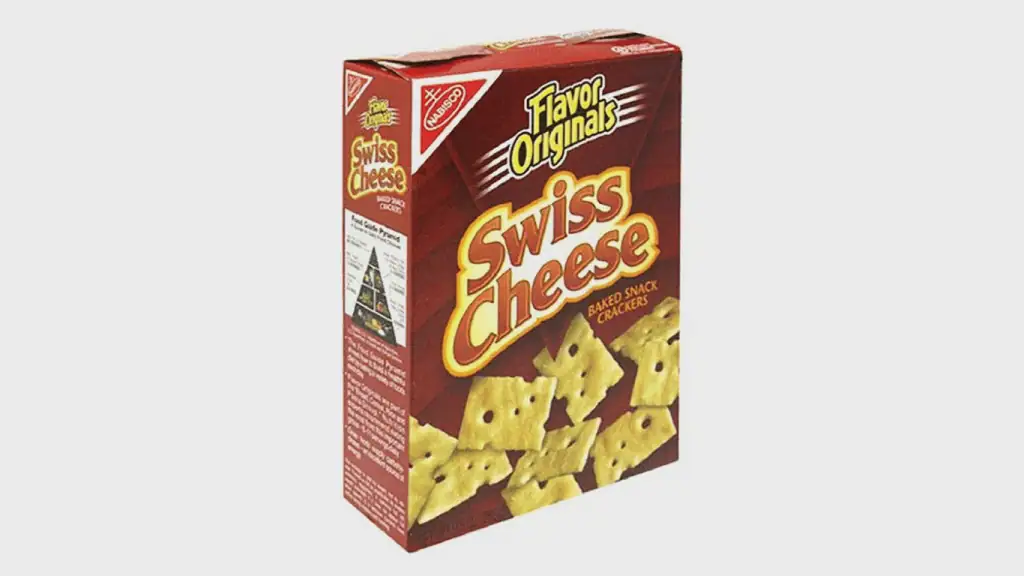
Nabisco briefly released Swiss cheese-flavored crackers in the early ’60s, advertised as a “continental cocktail snack.” Unlike later cheese crackers, these focused on nutty, mild flavors rather than salt or sharpness. Advertisements exist, but the product disappeared within a year. Collectors continue searching for packaging or unopened boxes, as no verified samples have survived into modern archives.
Kellogg’s Pre-Sweetened Corn Puffs
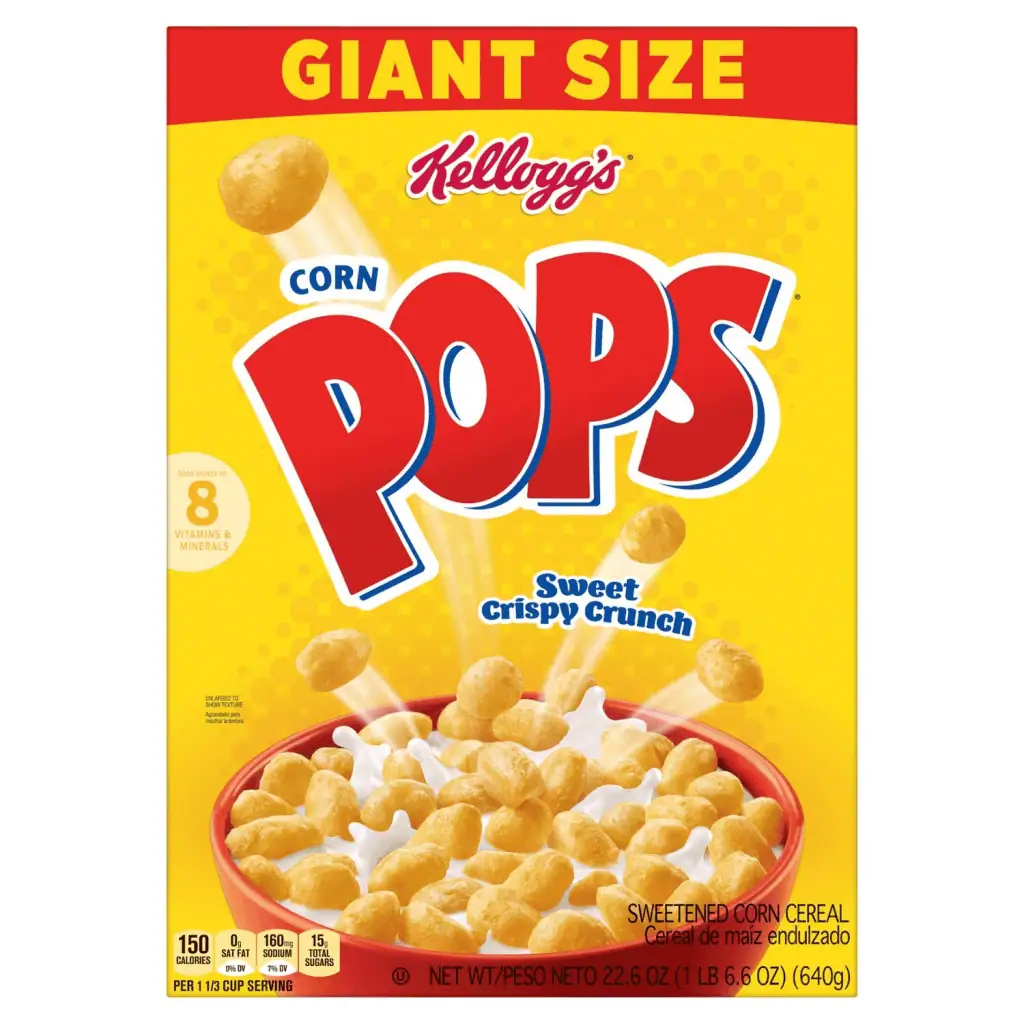
Before sugar-heavy cereals dominated shelves, Kellogg’s reportedly tested lightly sweetened corn puffs marketed as a snack rather than breakfast. These were sold in smaller bags, blurring the line between cereal and chips. Only a handful of trade references confirm their existence. Historians believe they were discontinued due to confusion about when and how they should be eaten.
Frito-Lay Onion Rings (Original Formula)
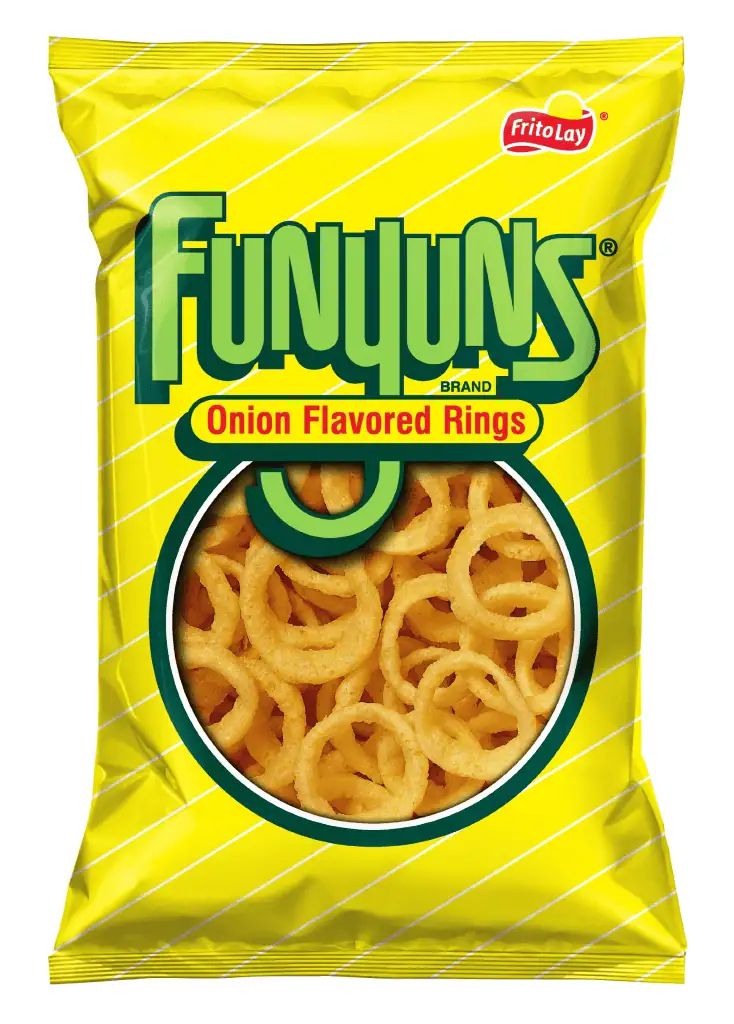
Long before modern onion ring snacks, Frito-Lay introduced a baked onion-flavored ring in the early 1960s. Unlike today’s versions, these were lighter, less salty, and closer to puffed bread than chips. The product was discontinued quickly, likely due to texture complaints. Food historians continue seeking original bags to compare the recipe to later, more successful versions.
Carnation Breakfast Cubes
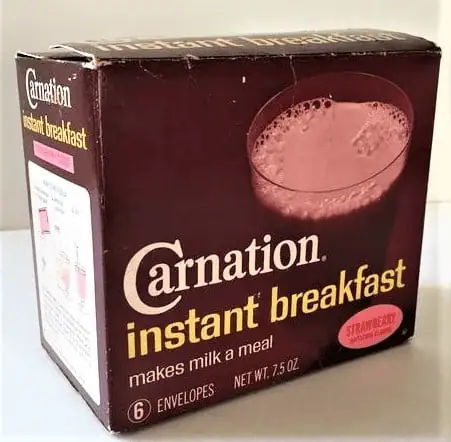
Carnation tested solid breakfast cubes during the 1960s as a portable alternative to liquid shakes. These dense, sweetened blocks were marketed as snack meals for busy families. While advertisements appeared in women’s magazines, no confirmed retail packaging has surfaced. Researchers suspect the texture failed to appeal to consumers, leading to its disappearance before wide distribution.
Betty Crocker Party Cheese Logs (Snack Size)
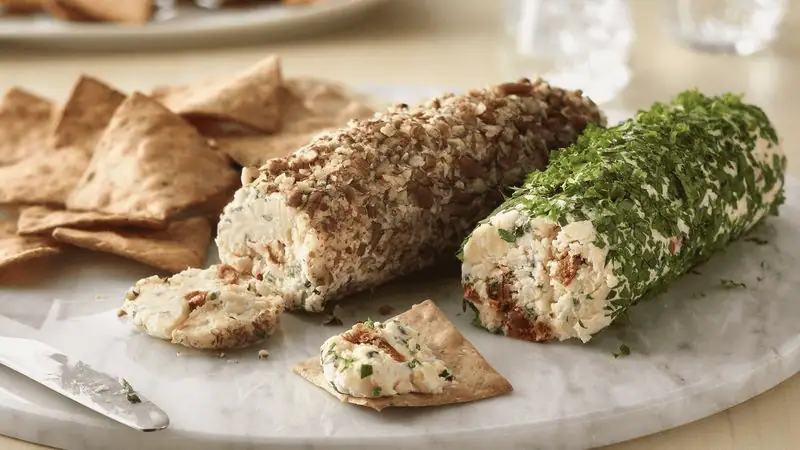
Beyond boxed mixes, Betty Crocker briefly sold ready-to-serve cheese snack logs coated in nuts and herbs. Unlike the homemade versions popular at the time, these were shelf-stable and pre-wrapped. Ads positioned them as instant cocktail-hour snacks. Despite documented marketing, no intact samples are known to exist, making them a frequent topic among food archivists.
Hostess Savory Snack Cakes
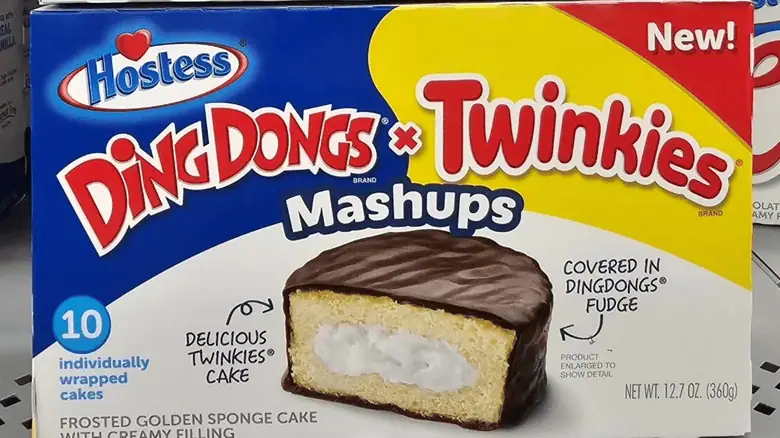
Hostess reportedly tested savory snack cakes filled with cheese or meat paste in the mid-1960s, inspired by European tea snacks. These were intended for adult consumers rather than children. Only internal documents reference them, and no public sales records exist. Historians believe the idea was abandoned quickly due to brand identity concerns.
PepsiCo’s Patio-Pack Snack Mixes
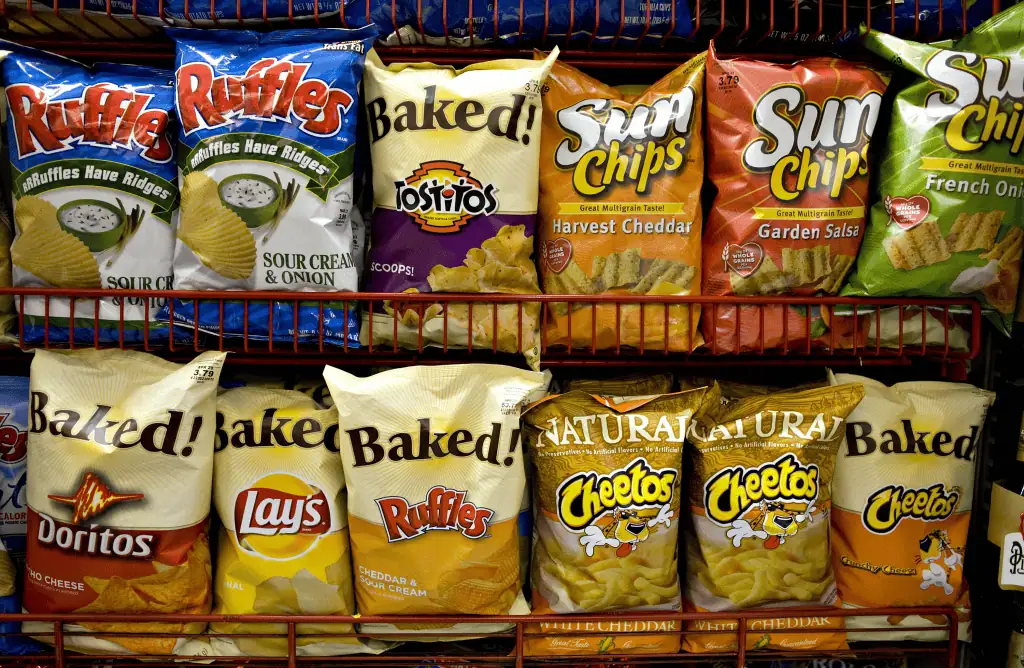
PepsiCo briefly sold snack mixes intended for backyard entertaining, combining crackers, flavored corn snacks, and seasoned nuts. Marketed as “modern hostess helpers,” they disappeared after a single summer season. While magazine ads confirm their launch, no surviving packaging has been verified. Their short lifespan makes them a snapshot of how social trends shaped snack innovation in the 1960s.
