
12 old restaurant dishes younger generations think are “unbelievable” today
Restaurant culture has changed dramatically over the past few decades, and many dishes that were once seen as exciting, elegant, or completely normal now strike younger diners as wildly outdated. These meals reflect a different era—one shaped by supper clubs, hotel dining rooms, early chain restaurants, and a fascination with dramatic presentation. While older generations remember them fondly, many younger people are stunned by their ingredients, portion sizes, or theatrical flair. These dishes offer a snapshot of how American dining once looked, long before modern trends reshaped menus across the country.
Aspic Molds
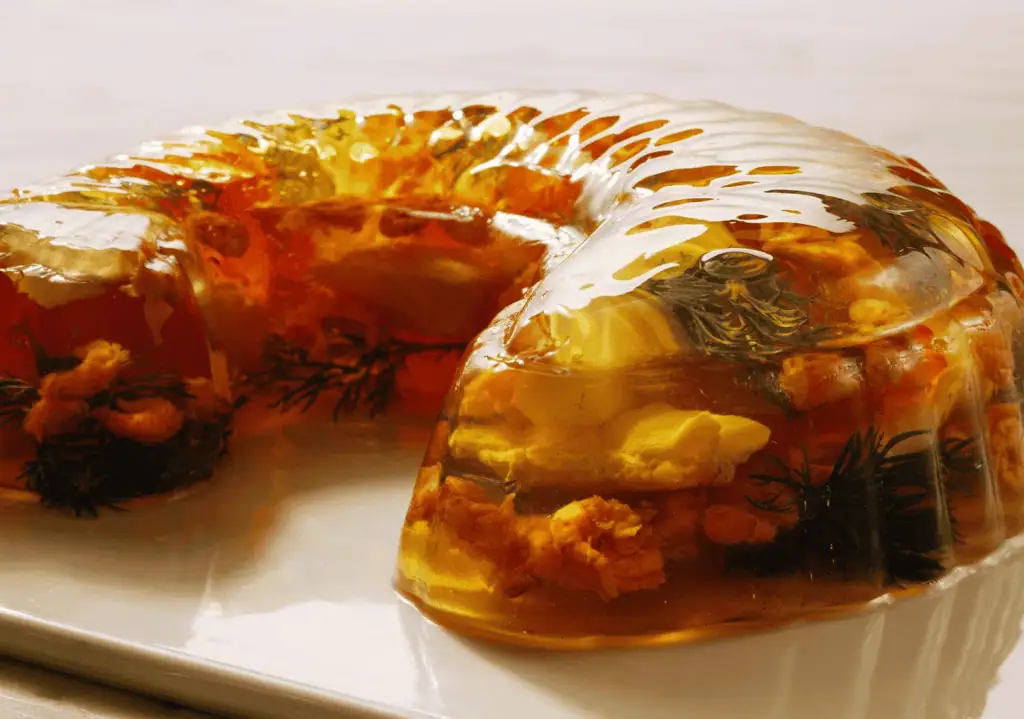
Once considered the height of sophistication, savory gelatin molds filled with vegetables, meats, or seafood were a staple of older restaurant menus. Today’s diners often find the shimmering, wobbling presentation unbelievable, as the trend has almost entirely vanished. The dish reflected mid-century ideas of elegance that now feel more like curiosities than culinary innovation, surprising younger generations with just how common they once were.
Steak Diane
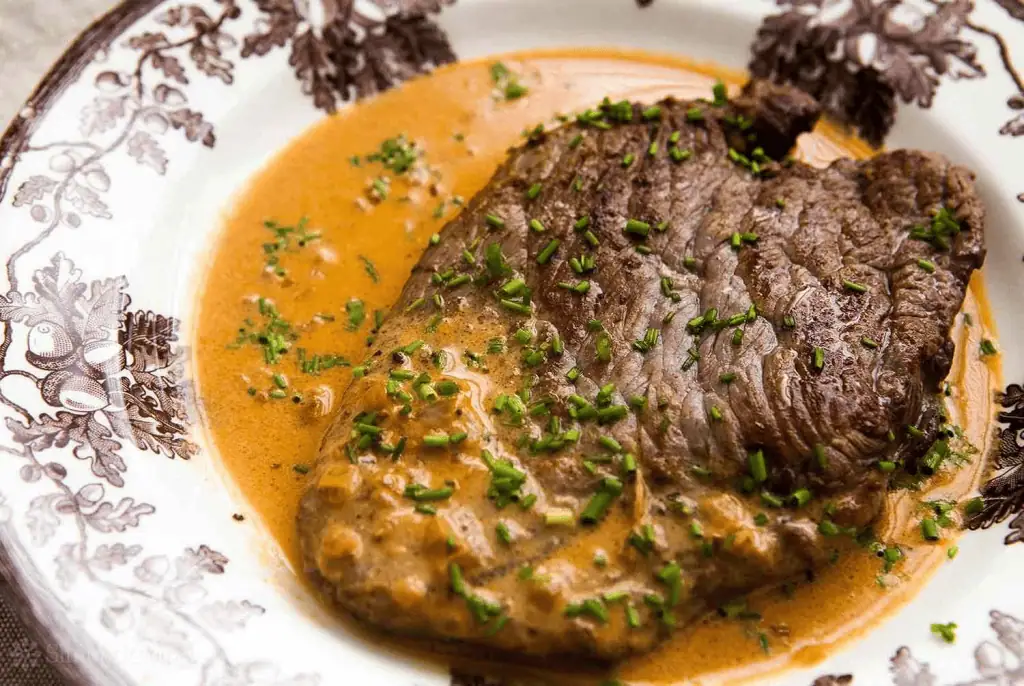
This tableside classic involved pan-searing steak and flambéing it in brandy before serving it with a rich cream sauce. Younger diners are often shocked that open flames were brought so close to restaurant tables as part of routine service. The drama of the dish fit perfectly with the showmanship of old supper clubs, but it feels extravagant compared to the more understated dining experiences common today.
Lobster Thermidor
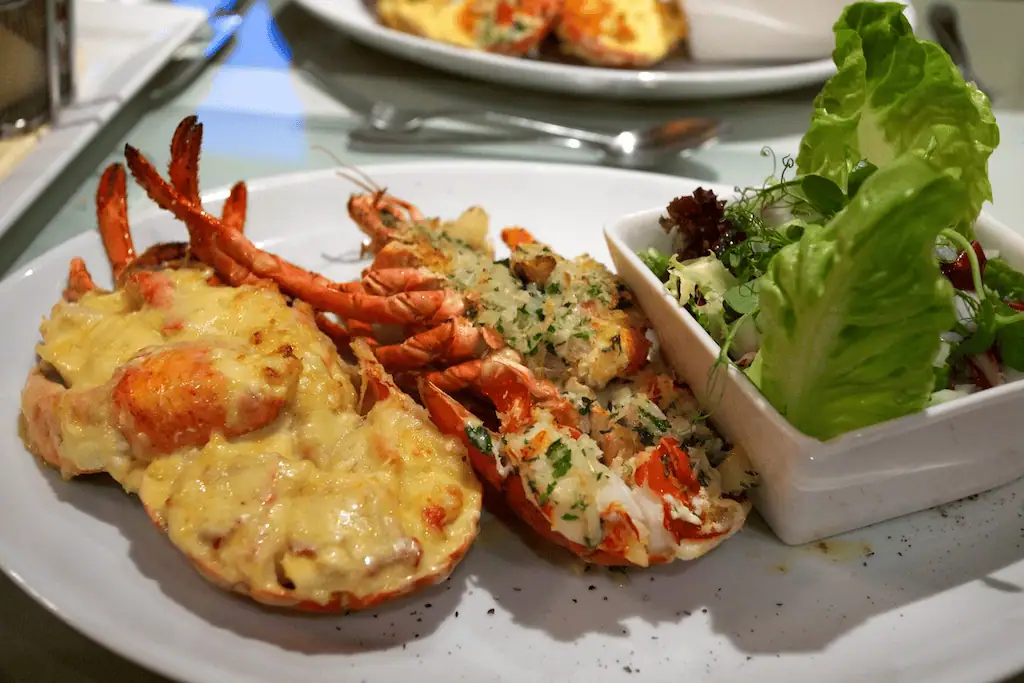
A lavish mix of lobster, brandy, mustard, and cream baked back into the shell feels almost unreal to modern diners used to lighter, simpler seafood dishes. The preparation is intensely rich, reflecting a time when restaurant luxury meant heavy sauces and ornate plating. Younger generations find it unbelievable that such a dense, indulgent dish was once a signature of upscale dining rooms nationwide.
Jell-O Cottage Cheese Salad
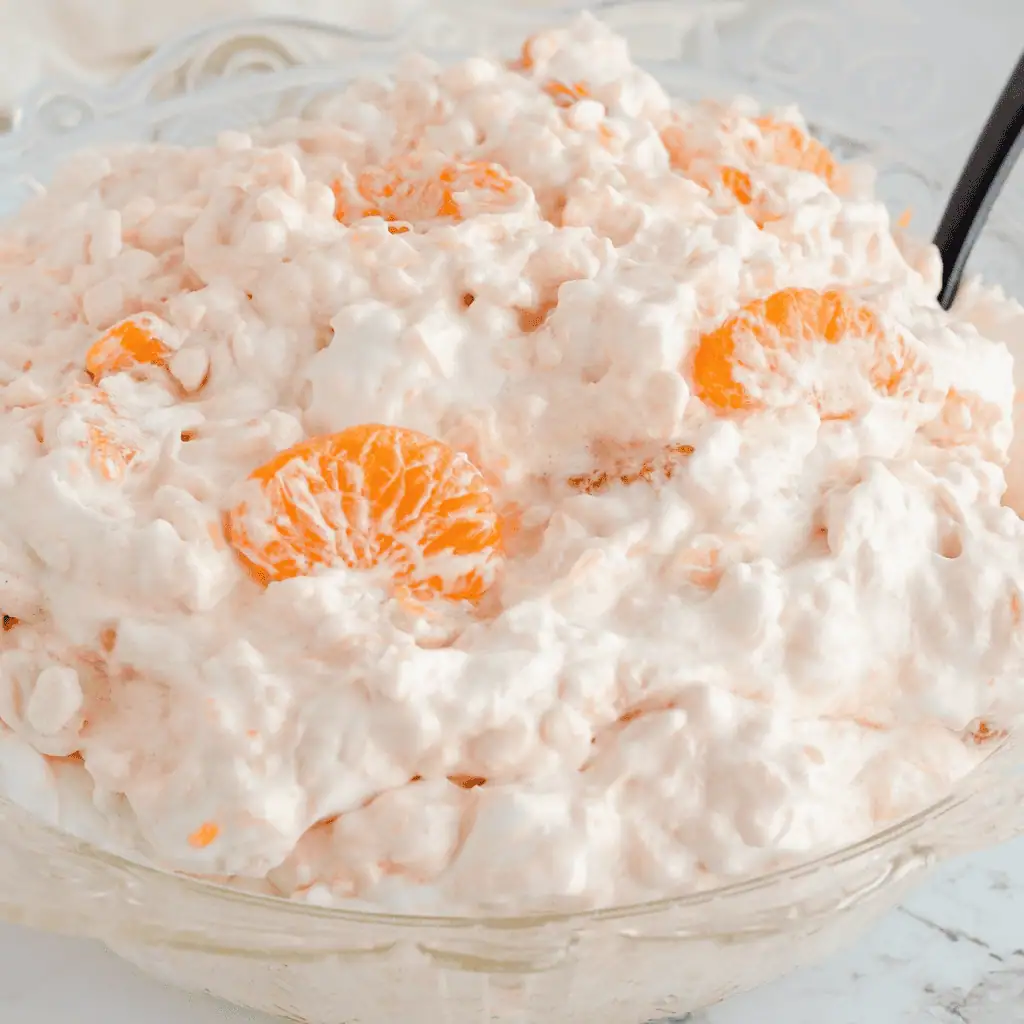
This quirky combination of lime Jell-O, cottage cheese, pineapple, and whipped topping appeared on old cafeteria and buffet menus everywhere. Modern diners often can’t wrap their heads around the mix of textures and flavors, yet it was embraced as a refreshing salad alternative. The dish showcases a mid-century fascination with molded foods that younger generations find bizarre.
Fondue Dinners
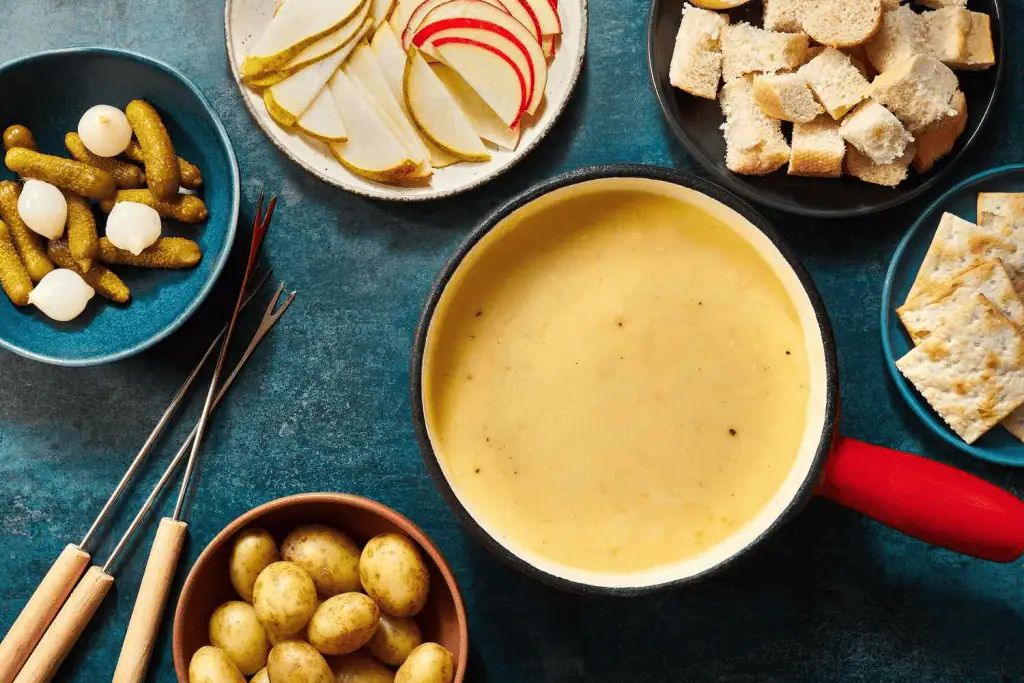
While fondue occasionally resurfaces, younger diners are surprised that full fondue restaurants once thrived, offering long, interactive meals built around communal cheese and oil pots. The idea of cooking raw meat at the table or dipping endless bread cubes into bubbling cheese feels both nostalgic and strange today. It represents a bygone era of social, slow-paced dining.
Surf and Turf Platters
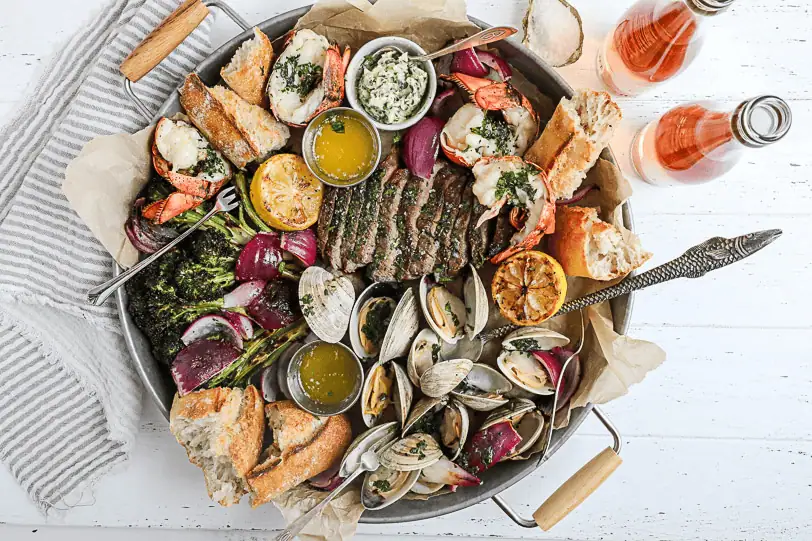
The combination of a large steak paired with a full lobster tail was a symbol of 1970s indulgence, but younger diners often find the towering portions unbelievable. The dish reflects an era defined by bigger-is-better dining and celebratory meals built around abundance. Today’s emphasis on balanced eating makes this pairing feel extravagant and slightly absurd.
Liver and Onions
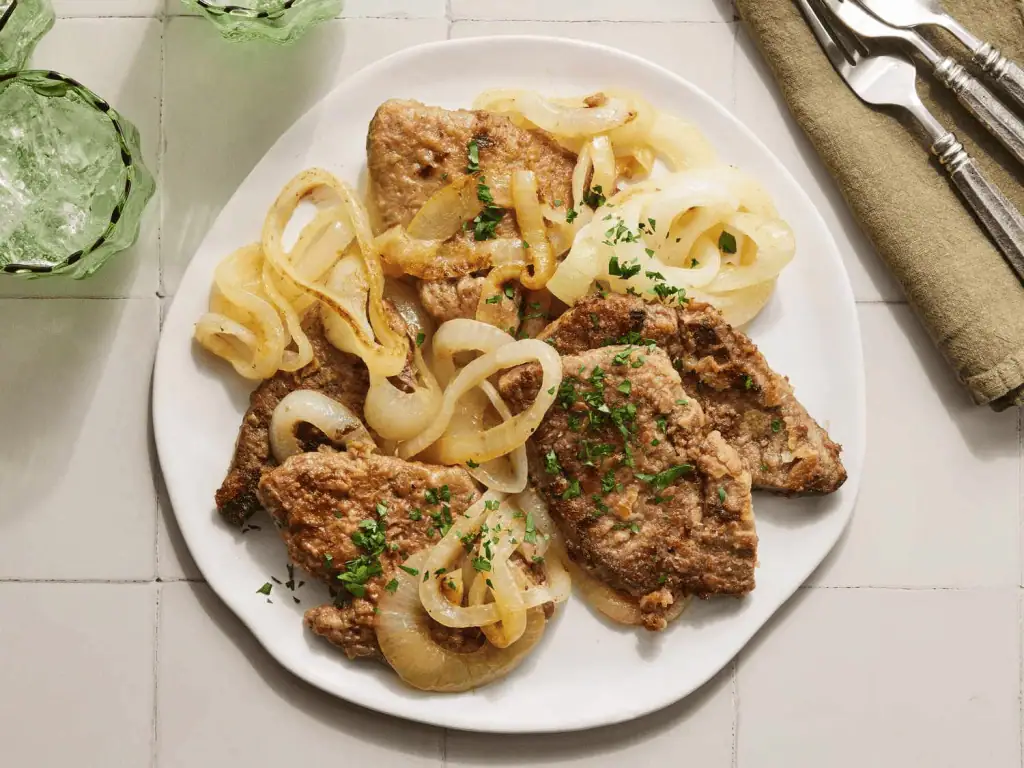
Once a reliable diner and steakhouse staple, liver and onions now surprises many younger diners who rarely encounter organ meats on mainstream menus. Its strong flavor and old-fashioned presentation seem far removed from contemporary restaurant trends. The dish speaks to a time when thrift, nutrition, and tradition took priority over novelty or visual appeal.
Waldorf Salad
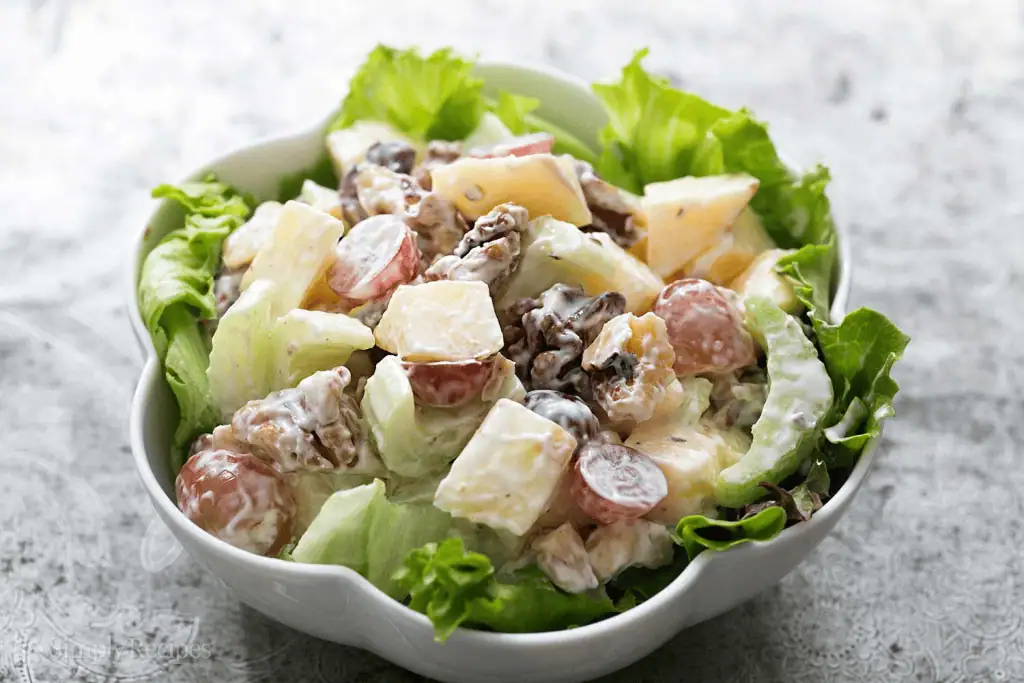
This mix of apples, celery, grapes, and mayonnaise was once seen as refined hotel dining, but modern eaters often find the combination unusual. Younger generations are accustomed to vinaigrettes and fresh greens, making the creamy dressing and fruit-heavy profile feel unexpectedly old-school. The salad highlights the changing definition of “fancy” food across generations.
Baked Alaska
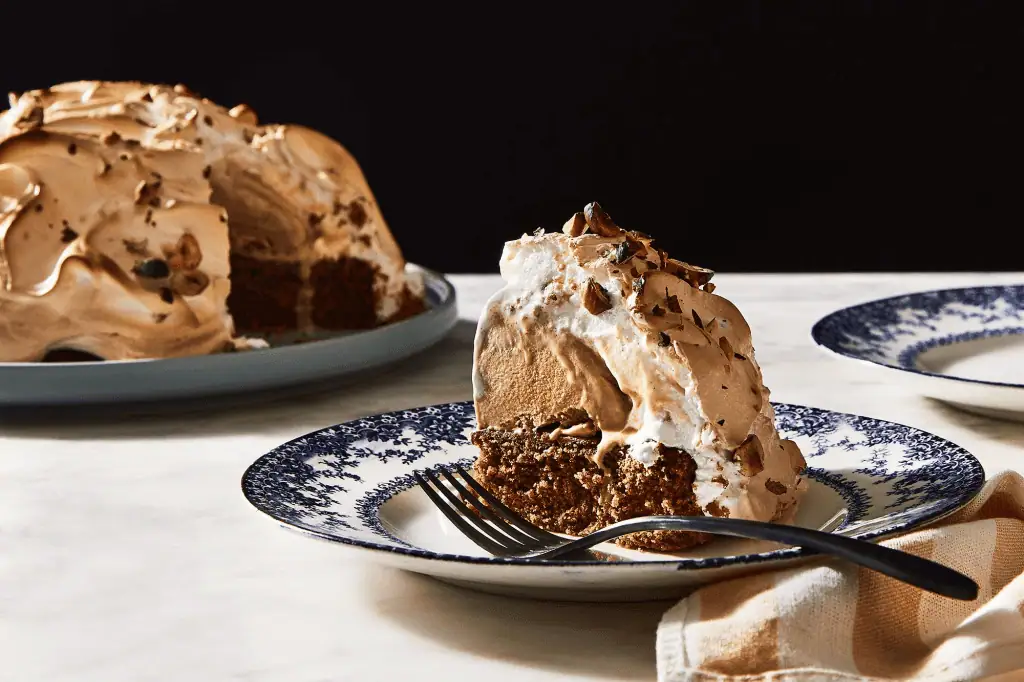
A dessert made of ice cream encased in cake and torched meringue seems theatrical by today’s standards. Younger diners are fascinated and sometimes amused that restaurants once proudly paraded flaming Baked Alaskas through dining rooms. Its over-the-top presentation reflects a time when spectacle was just as important as taste.
Oysters Rockefeller
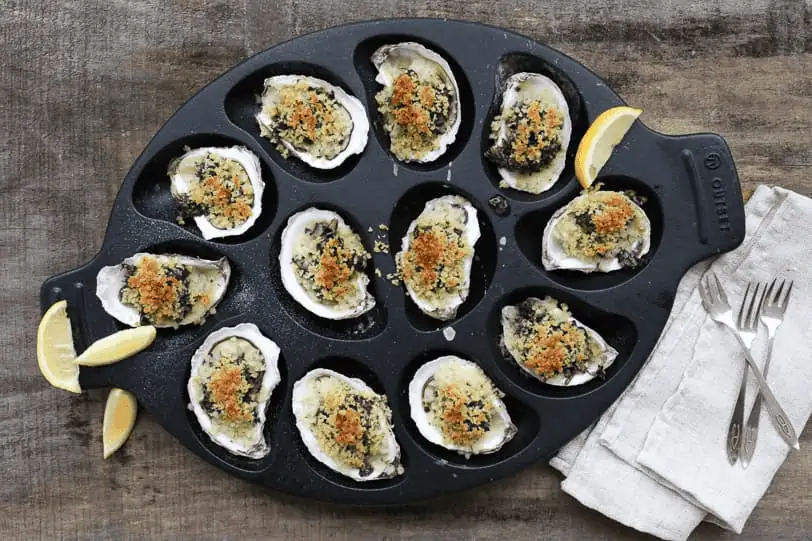
This rich combination of oysters, butter, herbs, and breadcrumbs baked under a heavy sauce can surprise younger diners used to raw, minimalist presentations. The dish’s dense flavor and formal style represent an older generation’s idea of upscale seafood. Today’s trend toward lighter dishes makes it feel like a culinary relic of high-society dining rooms.
Chicken à la King
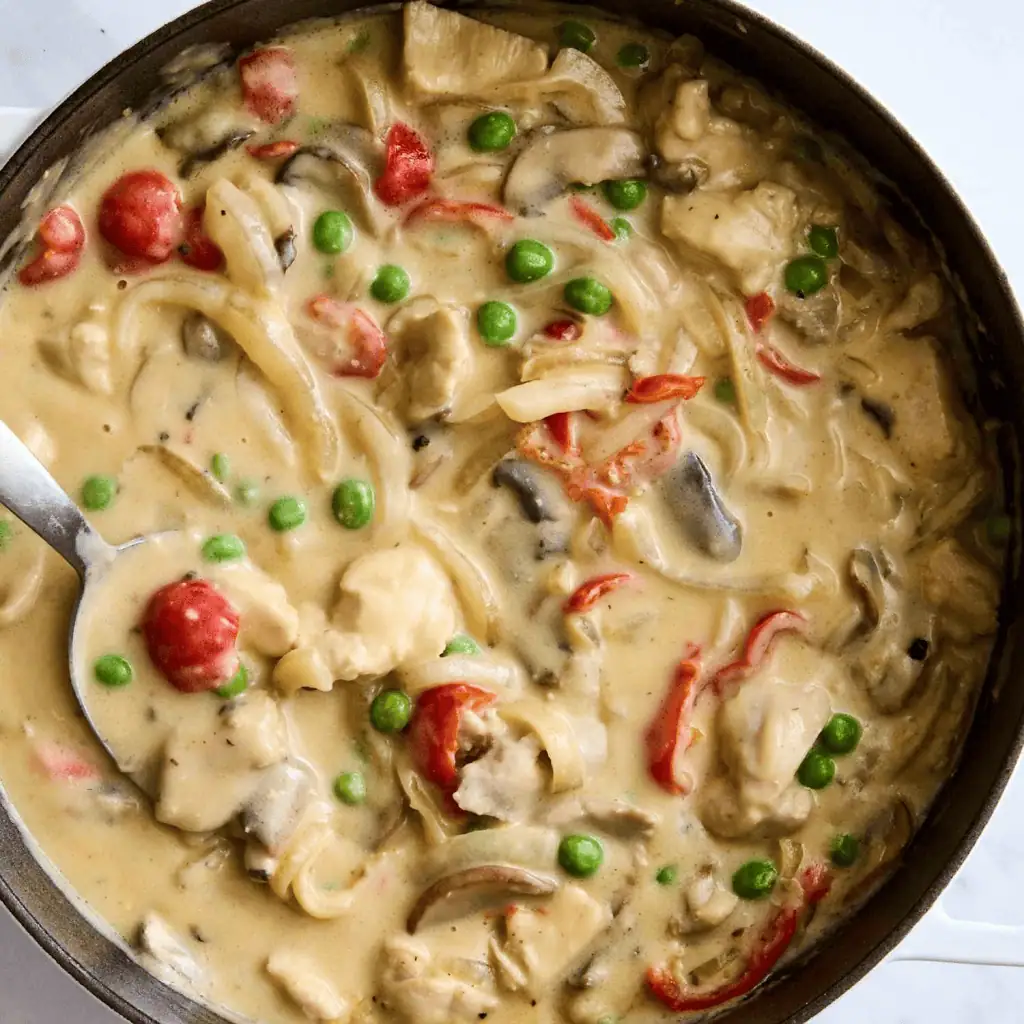
Creamy chicken with peppers and mushrooms served over toast points or puff pastry dominated menus for decades, yet many younger diners have never encountered it. Its heavy, sauce-forward profile feels at odds with modern tastes for freshness and texture. The dish symbolizes an era when restaurant meals were comforting, predictable, and generously coated in cream.
Shrimp Cocktail Towers
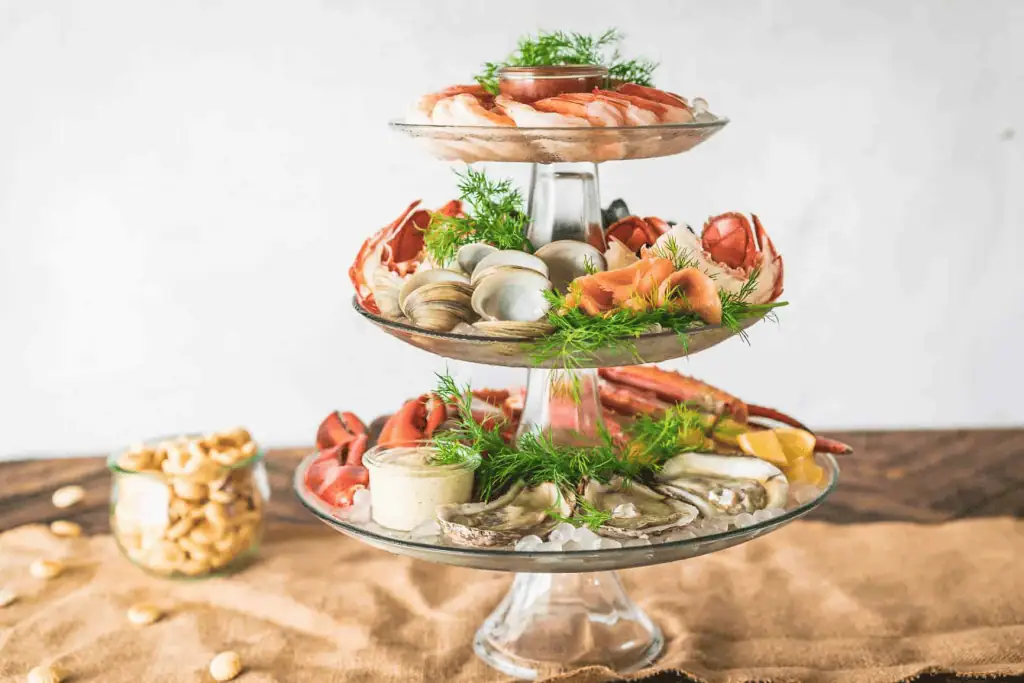
While shrimp cocktail still exists, the towering, ice-filled displays once seen at steakhouses and banquet halls now feel almost unbelievable to younger generations. The dramatic presentation made even simple shrimp feel luxurious, but today’s diners find the spectacle excessive. Still, it remains a nostalgic symbol of old-school American glamour that defined mid-century dining.
