
12 Everyday Foods Americans Are Pairing Wrong, According to Flavor Science
While many food pairings in American kitchens are based on habit, flavor science shows that some combinations don’t work as well as people assume. Factors like aroma compounds, fat balance, acidity, and texture all affect how foods interact, influencing whether flavors enhance or mute each other. Some pairings can even overwhelm the palate, creating a less enjoyable eating experience. Understanding why certain staples clash helps explain why some meals feel slightly “off” despite familiar ingredients.
Tomatoes and Cucumbers
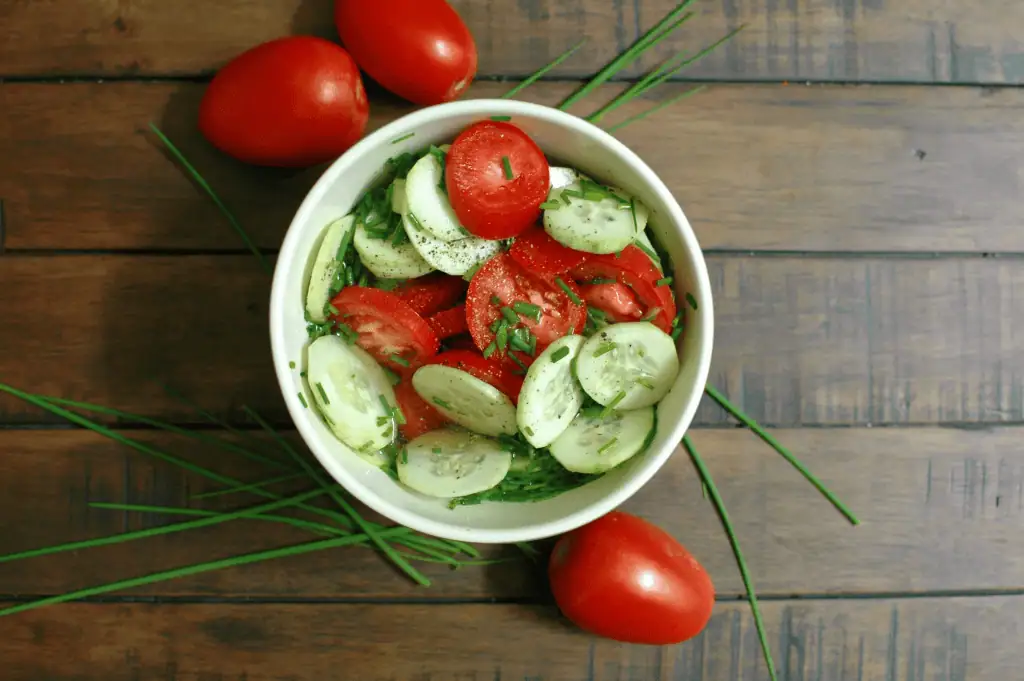
Tomatoes and cucumbers are common in salads, but flavor science shows they lose appeal when paired together. Tomatoes release water quickly, diluting the subtle flavor compounds in cucumbers. Their different moisture levels cause cucumbers to taste bland, while the tomato’s acidity dominates. Separating them in dishes helps preserve each vegetable’s crispness and natural sweetness.
Coffee and Oat Milk
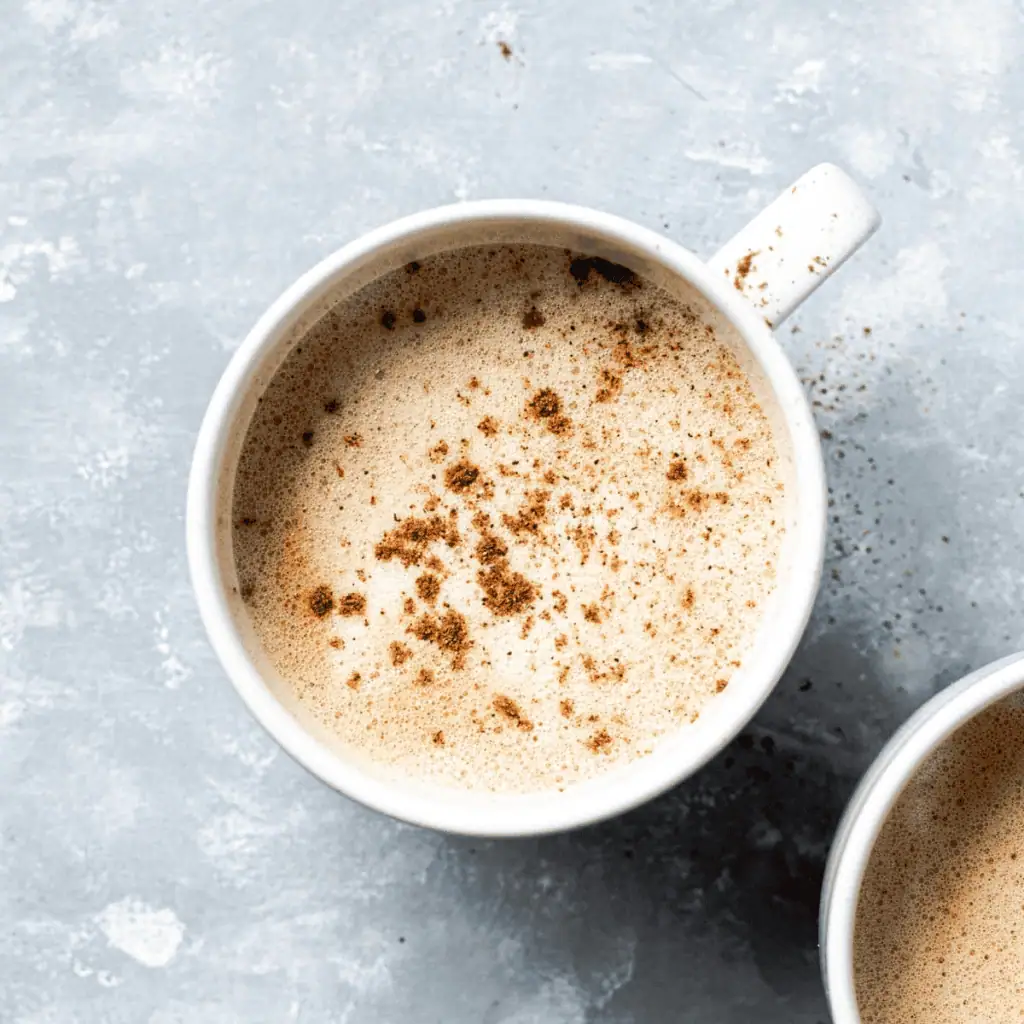
Oat milk is popular, yet its starch-heavy composition can dull the aromatics that give coffee its depth. When heated, certain starches thicken slightly, muting both bitterness and brightness. This creates a flat, sometimes chalky flavor profile. Flavor science suggests milks with more fat or protein preserve coffee’s complexity more effectively.
Lemon and Dairy
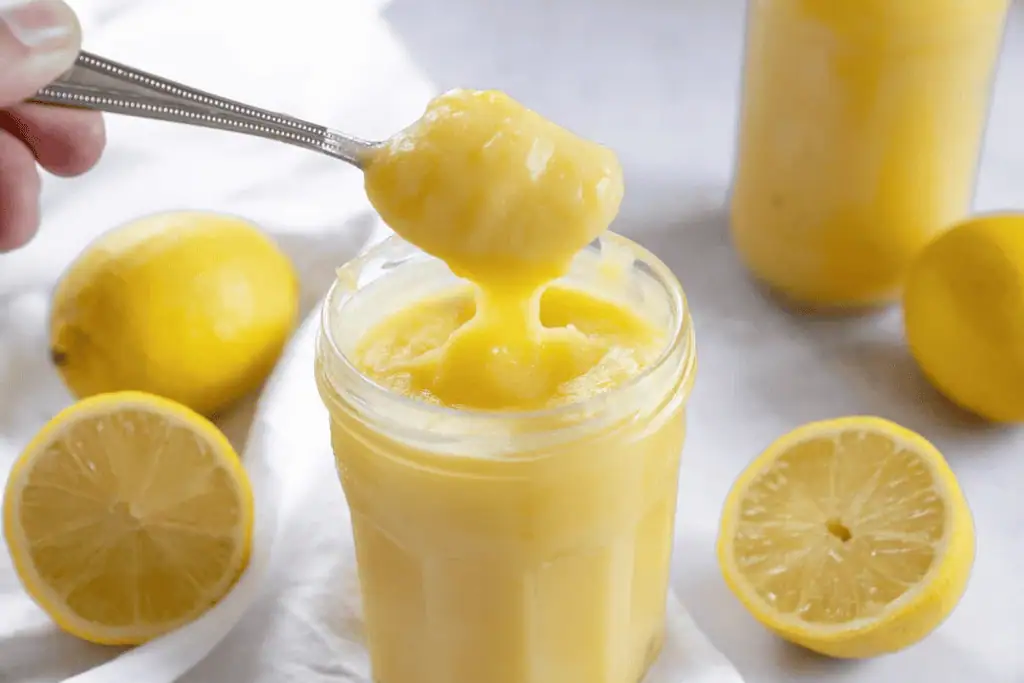
Adding lemon directly to dairy sauces or creamy soups often causes curdling because acidity destabilizes milk proteins. The tangy flavor can still work, but only when added at the right temperature or with stabilizers. Without adjustment, the mixture tastes grainy and uneven, leading to a dish that feels texturally off despite good ingredients.
Cheddar Cheese and Fish
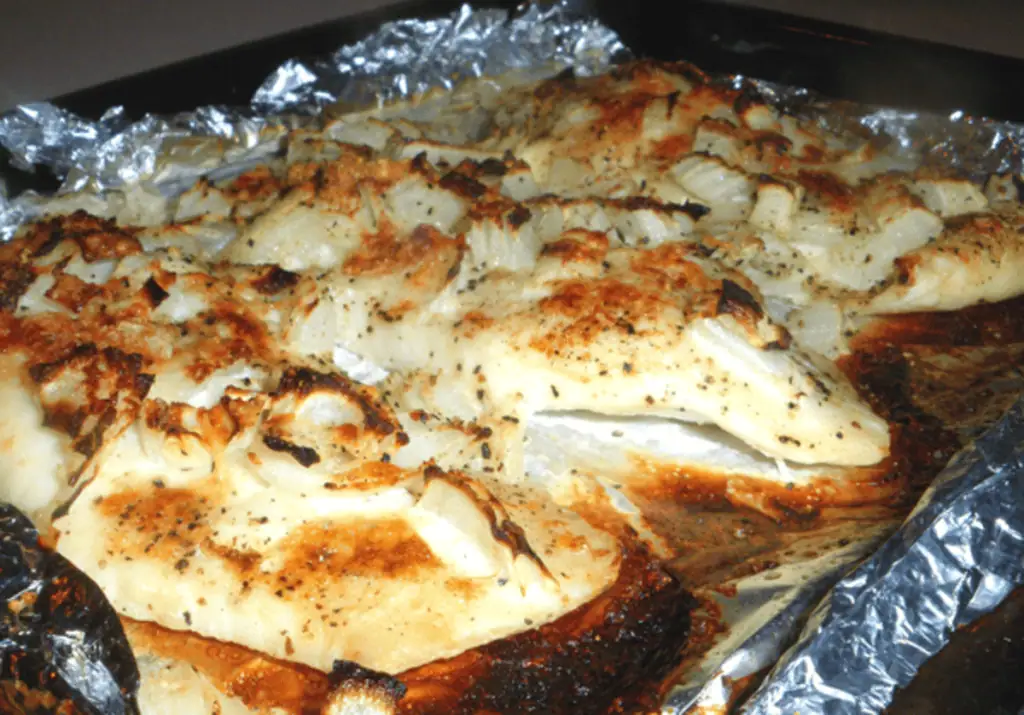
Cheddar’s sharpness clashes with the delicate flavor compounds in most fish. The cheese’s bold, fatty profile overpowers fish’s mild umami notes, making the entire dish taste unbalanced. Flavor scientists recommend pairing seafood with milder cheeses, like mozzarella or cream cheese to avoid masking the fish’s subtle qualities.
Garlic and Delicate Greens
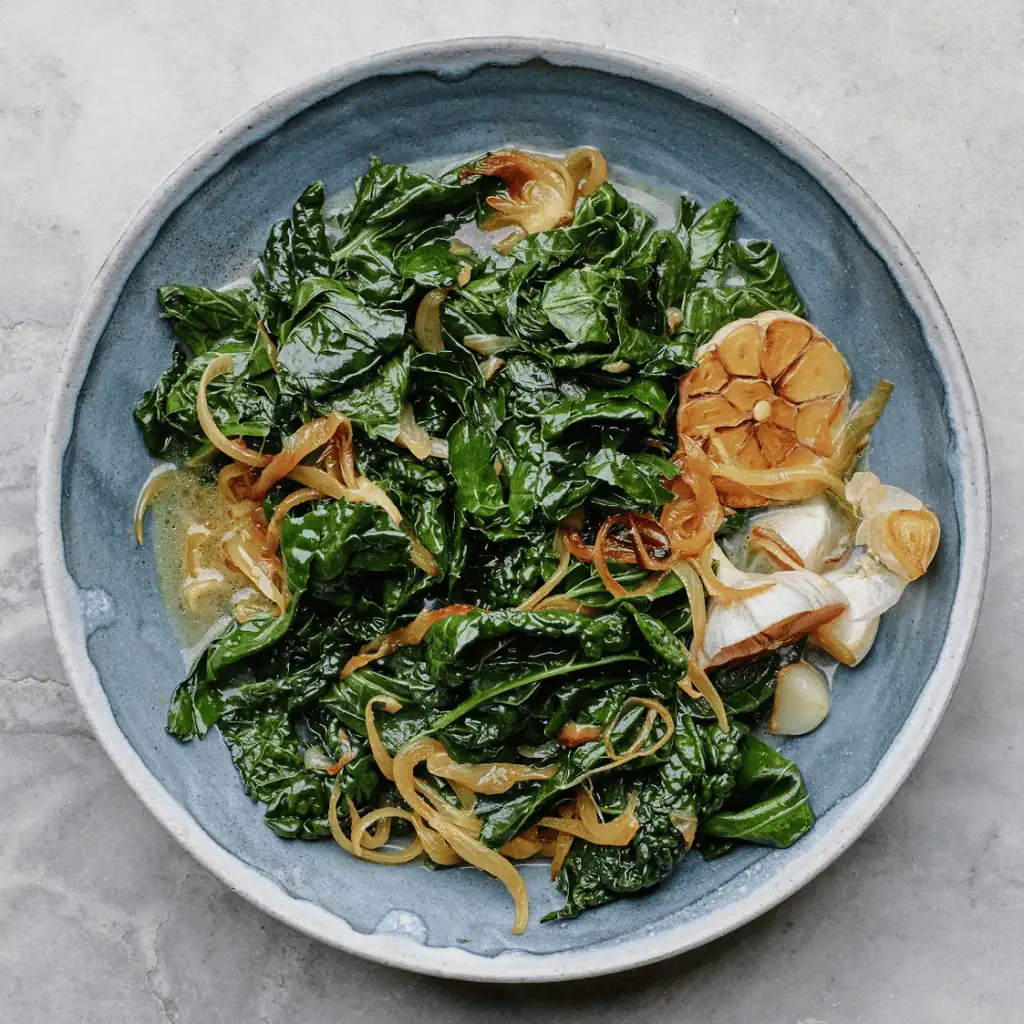
Raw garlic contains strong sulfur compounds that easily dominate mild greens like butter lettuce or spinach. These greens lack the robust bitterness needed to balance sharp aromatics, resulting in an overpowering bite. Lightly cooked garlic or milder aromatics work better when pairing with tender greens to maintain flavor harmony.
Peanut Butter and Citrus
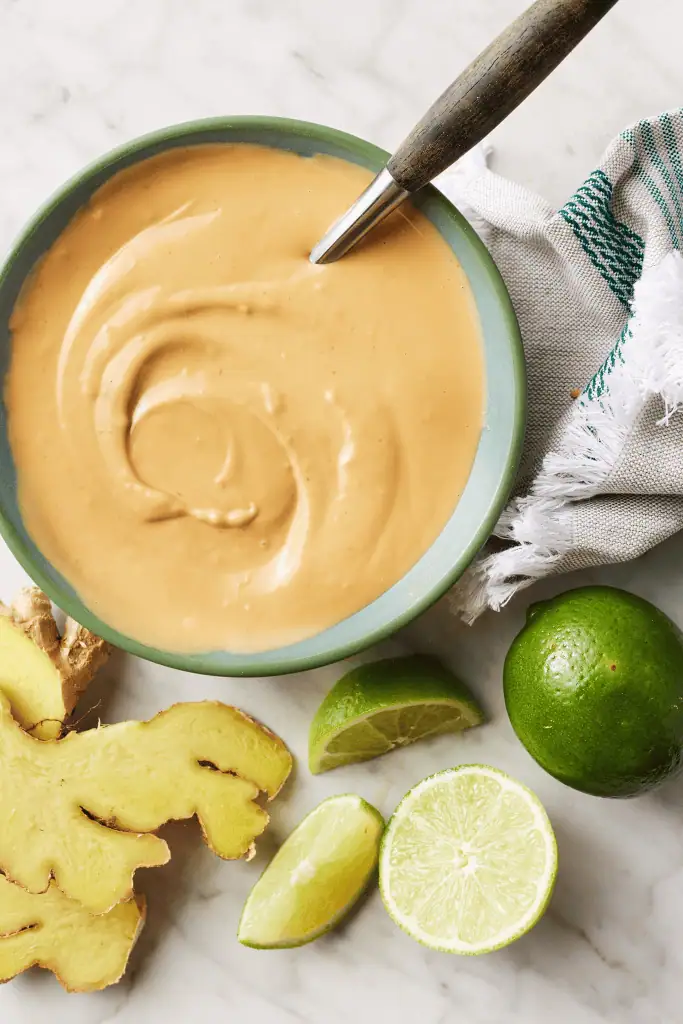
Peanut butter’s fatty, roasted flavor clashes with the sharp acidity of citrus fruits. The combination disrupts the palate by emphasizing bitterness and suppressing sweetness. This is why peanut butter works better with mild jams than with orange or lemon components. Flavor science favors pairing nut butters with rounded, low-acid ingredients.
Eggs and Truffle Oil
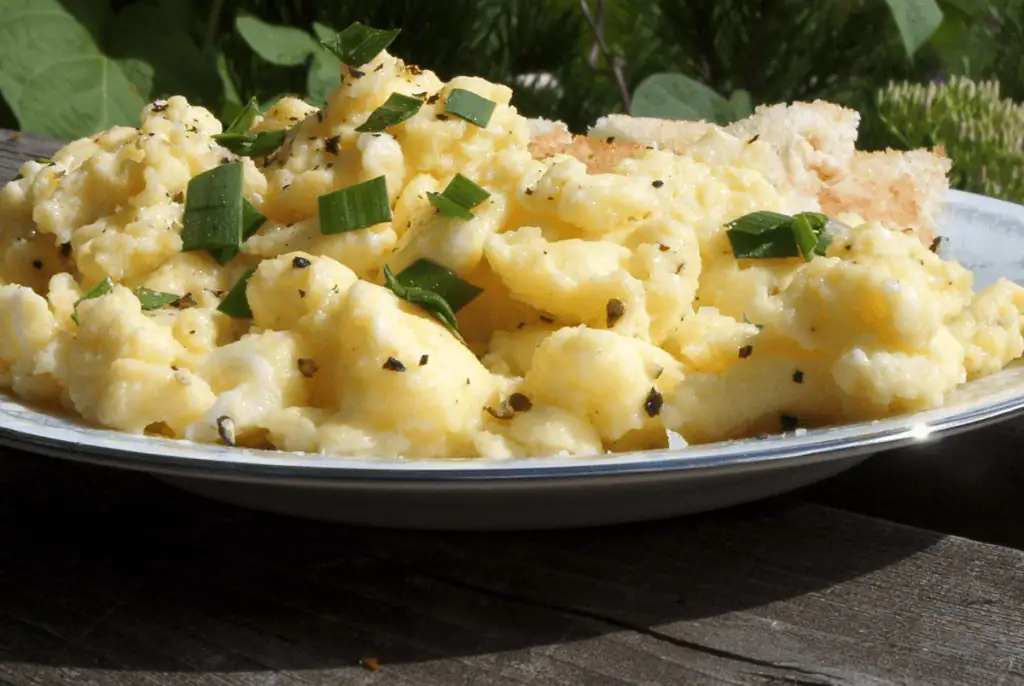
Truffle oil’s intense aroma overwhelms the subtle sulfur notes in eggs, leading to an unbalanced dish that tastes artificially strong. Because truffle oil is highly aromatic but one-dimensional, it can make scrambled eggs or omelets feel perfumed rather than earthy. Mild, herb-driven oils complement eggs more naturally.
Chocolate and Mint (High Ratios)
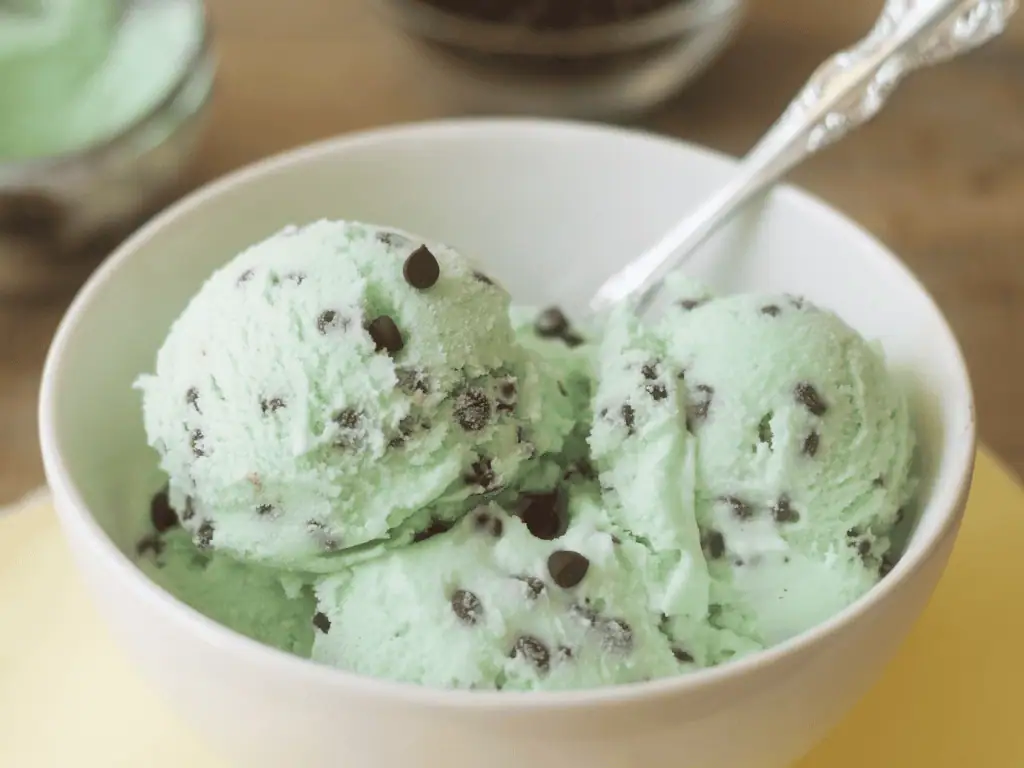
Chocolate and mint can work well, but heavy mint concentrations suppress chocolate’s more complex cocoa aromas. Mint contains menthol, which activates cold receptors and interrupts the sensory pathways that detect chocolate’s richness. Without careful proportioning, the pairing tastes more medicinal than refreshing.
Steak and Sweet Glazes
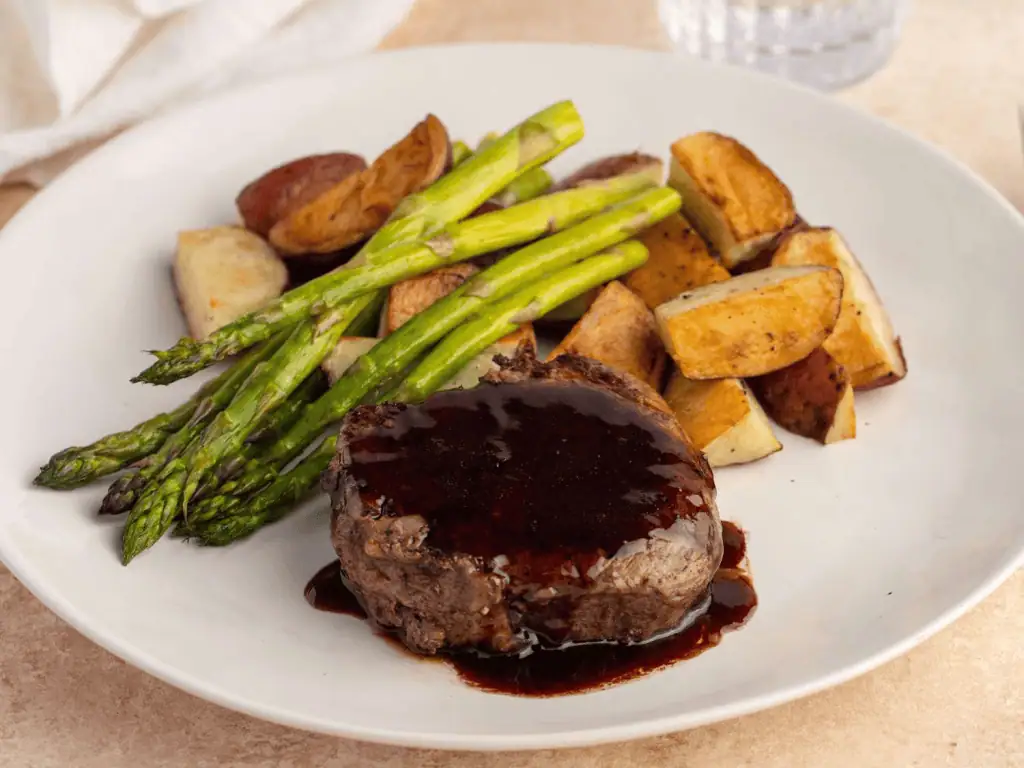
Sweet marinades or glazes often clash with steak because sugar caramelizes faster than meat cooks. This causes bitter notes to form while preventing proper browning. The sweetness also competes with the steak’s natural umami, dulling its savory depth. Flavor science shows that salt-forward or acidic marinades work far better.
Yogurt and Bitter Greens
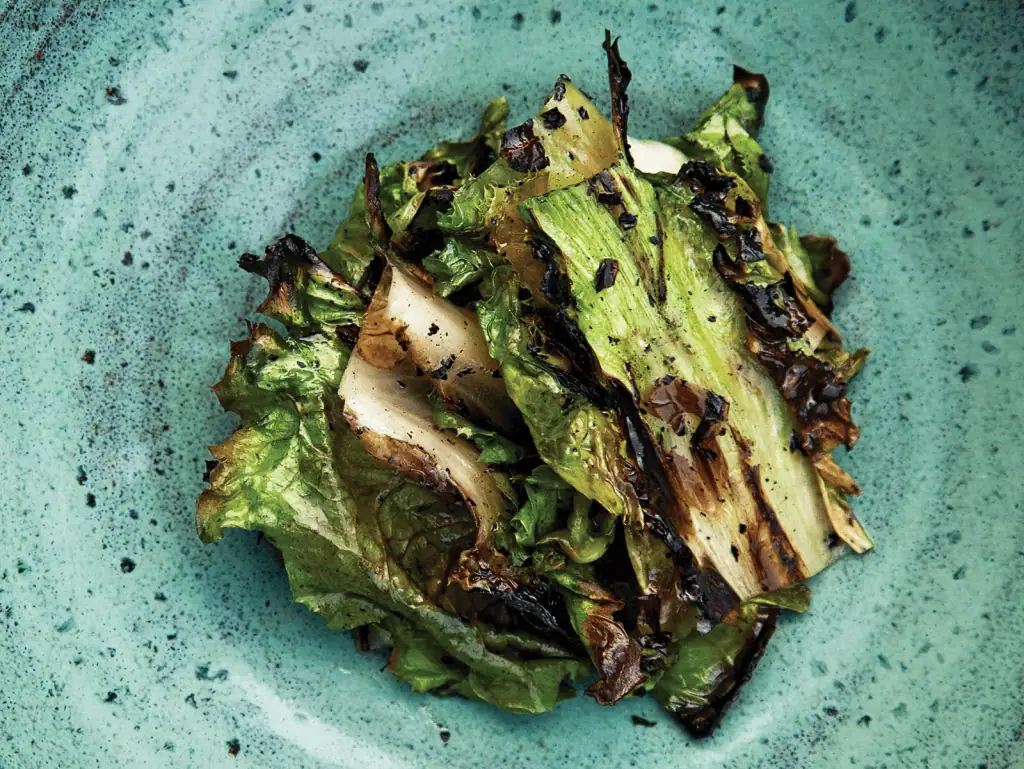
Mixing yogurt with bitter greens like arugula or radicchio can create a metallic aftertaste. The tangy acidity of yogurt amplifies bitter compounds, making salads taste harsher instead of balanced. Cream-based dressings or mild vinaigrettes complement these greens more effectively without exaggerating their bitterness.
Ketchup and Cheese
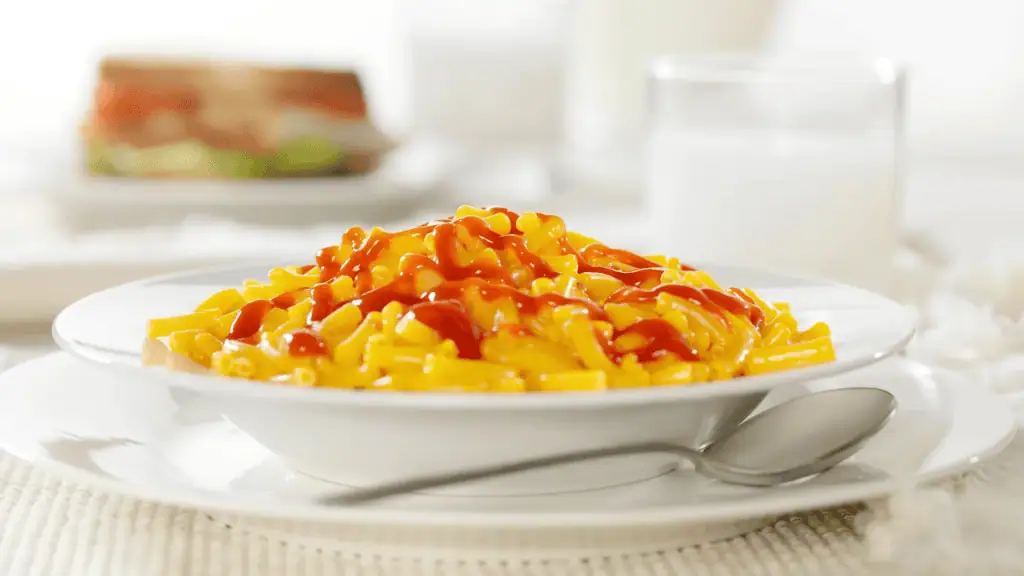
Ketchup’s vinegar-heavy profile battles with cheese’s rich fat content, leading to a muddled flavor where neither ingredient shines. The acidity cuts through the cheese too sharply, creating an oddly sweet-sour bite. Flavor science suggests pairing cheese with less acidic condiments like mustard or tomato jam for better balance.
Bananas and Protein Powder
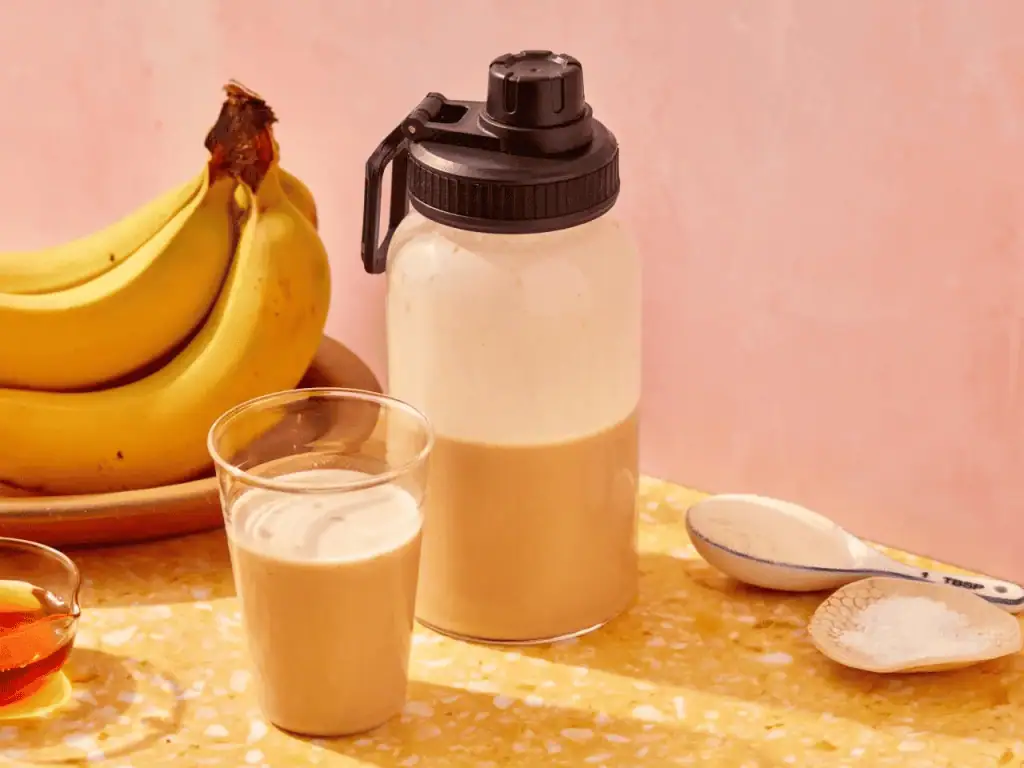
Bananas often overpower protein powder because their dominant aromatic compounds especially isoamyl acetate mask subtler flavors. When blended, the banana’s sweetness can also create a pasty texture that competes with the powder’s consistency. Using berries or neutral fruits creates a more harmonious flavor and smoother mouthfeel.
