
10 discontinued ingredients modern chefs aren’t allowed to use
In the ever-evolving world of culinary arts, ingredients come and go, often due to safety regulations or changing perceptions. Some ingredients, once revered for their unique flavors or intriguing properties, are now forbidden in professional kitchens. Understanding why these elements are off-limits can enhance your knowledge of culinary history and ingredient safety.
The Mystique of Sassafras Oil

Sassafras oil was once a cherished component in root beer and various confections. Known for its aromatic profile, a blend of rooty and sweet, it provided a distinct flavor that chefs loved. However, the discovery of safrole, a naturally occurring compound found in sassafras, led to its prohibition. Safrole was linked to health risks, including potential carcinogenic effects. Home cooks can mimic its lost fragrance with alternatives like cinnamon and clove, which safely evoke similar warmth and aroma.
Absinthe: The Green Fairy’s Ban

Absinthe, famed for its emerald hue and anise flavor, was a culinary and bohemian favorite until concerns about thujone, a chemical compound in its wormwood ingredient, led to widespread bans. Thujone was thought to cause hallucinations, though most modern research disputes this. While absinthe is now legal in many places with thujone content limitations, it remains constrained in some regions. Culinary enthusiasts can explore the essence of absinthe by using legally available pastis or anise-flavored spirits, capturing its licorice-like complexity without legal hurdles.
Tonka Beans’ Troubling Compound

Tonka beans, with their vanilla, almond, and cinnamon notes, add layers of flavor to desserts. However, they contain coumarin, a substance linked to liver damage when consumed in significant quantities. Due to these health concerns, the FDA banned their use in foods. For chefs seeking to replace tonka beans in recipes, vanilla extract or a combination of more accessible spices such as nutmeg and cinnamon can deliver similar depth and richness without the associated risks.
Dangerous Delicacy: Pufferfish
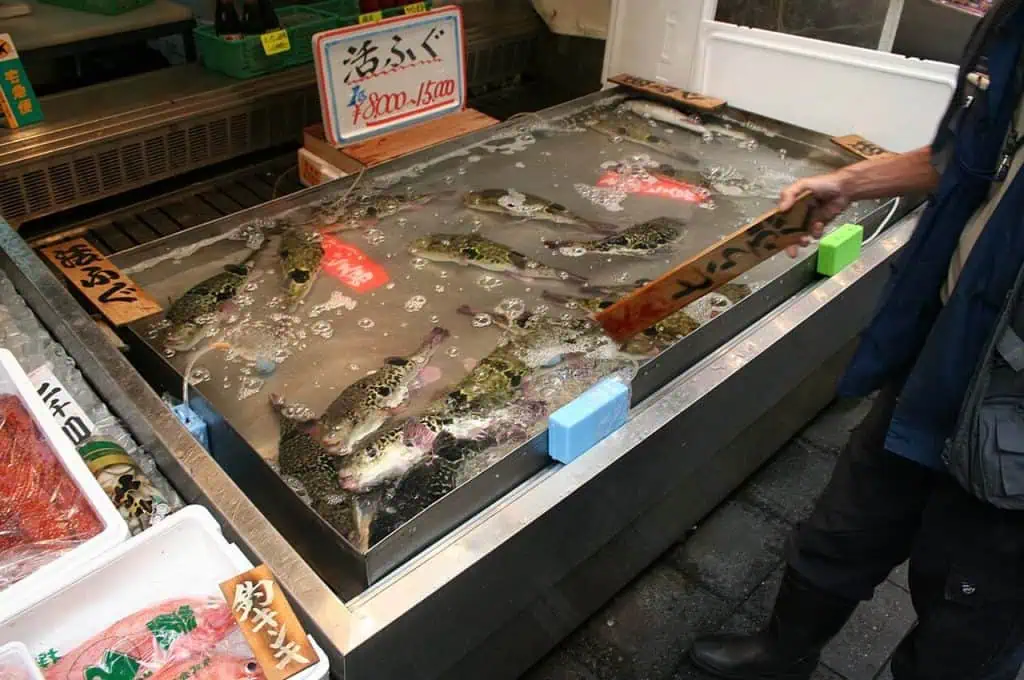
Pufferfish, or fugu, is infamous for its potential lethality due to tetrodotoxin, a potent neurotoxin found in its organs. Mastery in its preparation is critical and requires specialized training and licensing, leading to its prohibition in many places without stringent oversight. For culinary adventurers, the allure lies in its texture and mild flavor. Sushi chefs who meet rigorous safety standards offer fugu legally, but for home cooks, exploring safe alternatives like monkfish or sea bass can provide a comparable experience without danger.
Raw Milk: A Risky Choice

Raw milk, favored for its unprocessed taste and creamy texture, is often sought by purists but banned due to health concerns. The lack of pasteurization can harbor harmful bacteria like E. coli and Salmonella. For those looking to replicate its qualities safely, consider using high-quality pasteurized milk and cultured buttermilk for a rich, nuanced flavor. Maintain freshness by keeping the milk consistently cold and sealed, ensuring the smooth, velvety profile is unmarred and as close as possible to its raw counterpart.
Cyclamate: Sweetness Off the Table

Cyclamate, once a go-to artificial sweetener, vanished from shelves due to potential cancer risks. Its removal left a void in zero-calorie sweetening. Modern alternatives like stevia and erythritol offer similar benefits without controversy. For a homemade touch, blend these sweeteners with fruit purees to cut bitterness and balance flavors. Understanding solubility and sweetness intensity helps in creating desserts that mimic the prohibited smooth taste Cyclamate was once known for, enhancing appeal without compromising health.
Horse Meat: A Historic Taboo
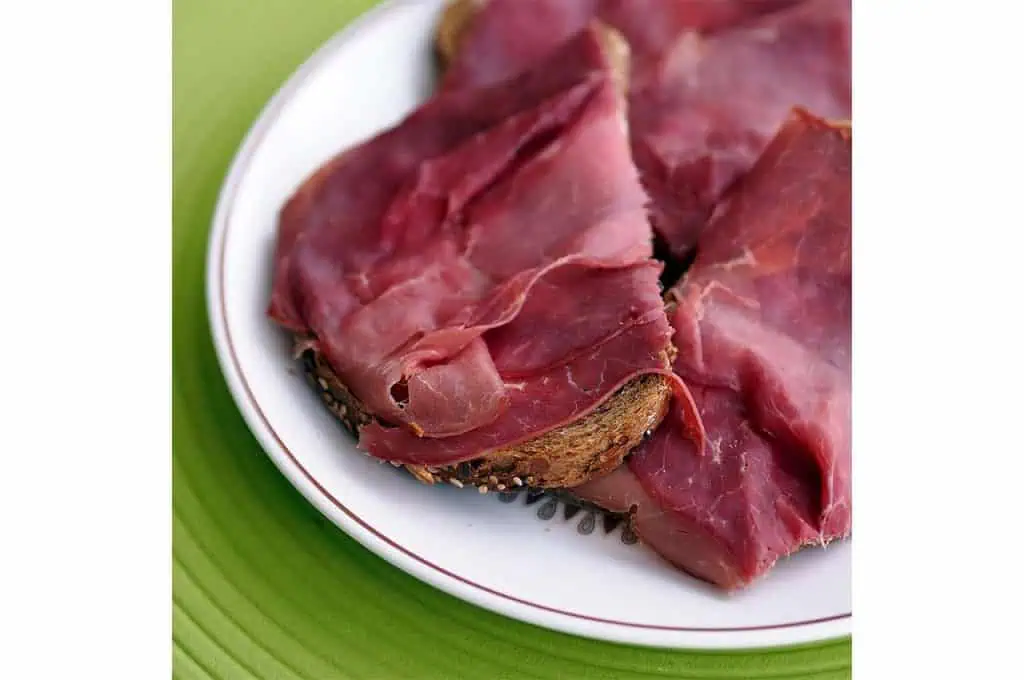
Horse meat, rich in iron and omega-3s, has been banned in many places due to cultural perceptions and ethical concerns. Its flavor, akin to lean beef with a hint of gaminess, can be mimicked with a blend of bison and lamb. Ensure any meat used for substitution is well-sourced and grass-fed for optimal flavor and texture. Marinades with mustard or juniper add depth, offering a closer resemblance to the historic palette while aligning with modern culinary ethics and local regulations.
Antique Food Dyes: A Colorful Past

Early food dyes, derived from coal tar, were vibrant but potentially toxic. Their vivid hues are now achieved with natural options like beet juice, turmeric, or spinach powder. To ensure consistency, keep in mind the pH sensitivity of these dyes. For example, red cabbage juice changes color with acidity, useful in monochrome or multicolored applications. Use precise measurements and temperature control to maintain the desired shades without compromising the natural flavors these pigments bring to the dish.
Unpasteurized Cheese: Too Young to Taste

Unpasteurized cheese boasts bold flavors and complex textures, but bans stem from safety concerns over pathogen exposure. To enjoy similar profiles legally, purchase pasteurized cheeses aged over 60 days; they develop comparable depth. Explore varieties like sharp cheddar or nutty Gruyère, using them in dishes that highlight their unique flavors. Prioritize tasting notes, such as nuttiness or earthiness, by pairing with complementary foods like rainier cherries or aged balsamic to elevate the dining experience.
Ackee Fruit: A Forbidden Flavor

Ackee fruit, native to West Africa and integral to Jamaican cuisine, poses a unique culinary paradox. When ripe, its buttery flesh offers a subtle nuttiness appreciated in traditional dishes like ackee and saltfish. However, unripe ackee contains hypoglycin A, a toxin causing severe illness, leading to its ban in some regions. Modern chefs must navigate these restrictions, often opting for substitutes like scrambled eggs to mimic ackee’s creamy texture. Precision in ingredient sourcing and preparation remains crucial for those still able to include this ingredient legally, ensuring both safety and authenticity.
