
12 pantry staples from the 1950s that could cause a shutdown today
Pantries in the 1950s were stocked with products created under very different assumptions about safety, preservation, and nutrition. Ingredients were often listed vaguely, packaging lacked modern sealing requirements, and many foods relied on additives that would face tighter scrutiny today. While these staples reflect a nostalgic era of convenience and postwar optimism, current regulations around allergens, sanitation, and transparency mean many would be difficult to approve or distribute. Their legacy highlights how dramatically food standards have evolved.
Shelf-Stable Lard Tubs
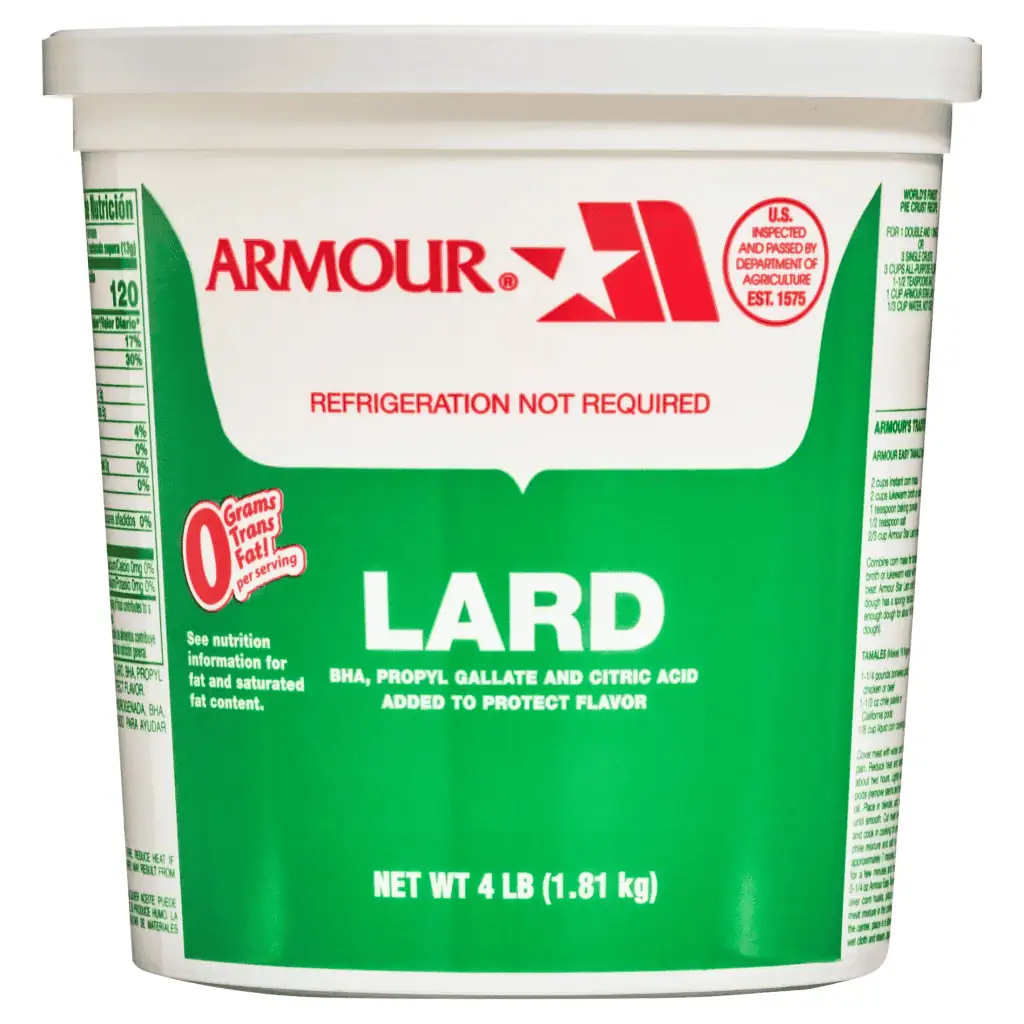
Large tubs of shelf-stable lard were common in mid-century kitchens, often stored at room temperature for extended periods. While widely used for frying and baking, the lack of refined processing and modern purification methods would raise concerns today. Current guidelines emphasize clearer labeling and safer storage requirements for animal fats, making the old unrefrigerated versions unlikely to pass regulatory review.
Unregulated Canned Meats
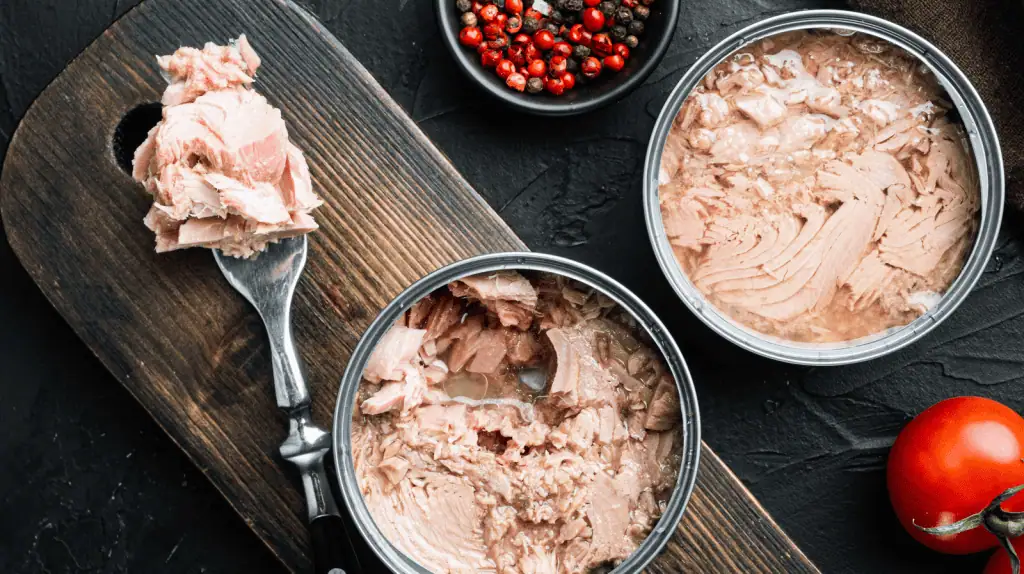
Canned meats often contained blends of various cuts, with little detail on ingredients or sourcing. These products were prized for their long shelf life but offered little transparency compared to today’s standards. Modern regulations demand clearer labeling, allergen disclosures, and strict quality controls, meaning many 1950s formulations would require substantial reformulation before returning to store shelves.
Powdered Egg Mixes
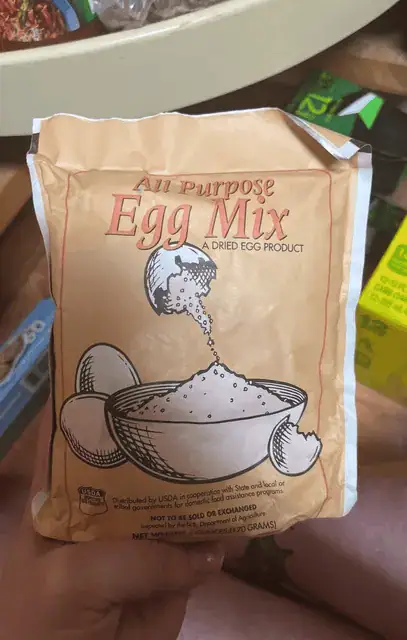
Powdered egg mixes were a staple for quick baking and emergency meals, stored in pantries for months without the safeguards that exist today. They lacked modern pasteurization standards and sometimes clumped in humid conditions. Contemporary food safety rules require stricter processing and contamination prevention, making the earlier versions incompatible with current expectations for egg-based products.
Gelatin Molds Made With Mystery Flavors
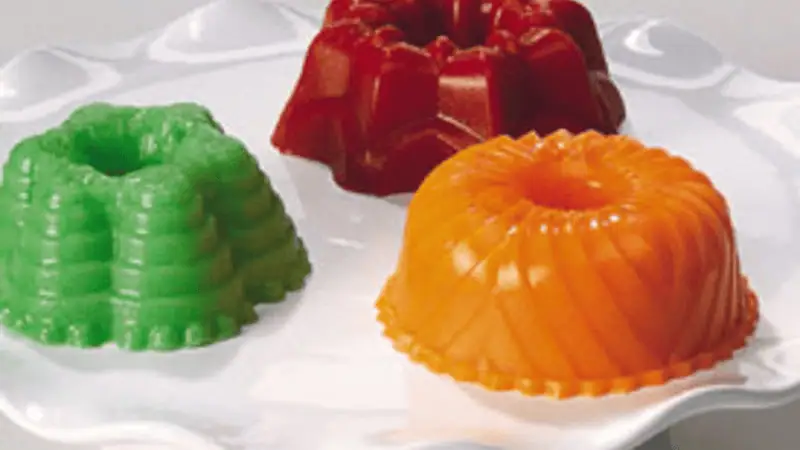
Flavored gelatin powders sometimes use artificial colors and additives that no longer meet today’s regulatory limits. Their ingredients were often described vaguely, leaving consumers unaware of what they were actually consuming. While gelatin desserts remain popular, the older formulations would require updated labeling and revised ingredient lists to align with modern health and transparency guidelines.
Canned Cream Soups
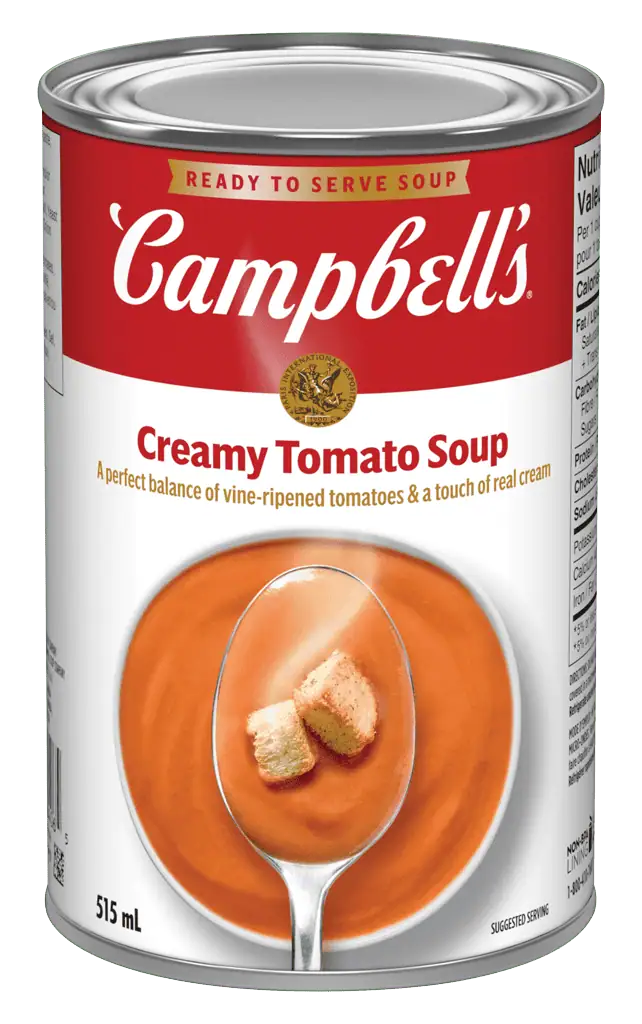
Canned cream soups were used as pantry shortcuts for casseroles and sauces, but mid-century versions often contained unstable emulsifiers and high levels of sodium without standardized limits. Modern guidelines regulate both nutritional content and additive usage, meaning many of these vintage recipes would face reformulation. Their role in home cooking remains, but their original composition would prompt review today.
Unpasteurized Pickles
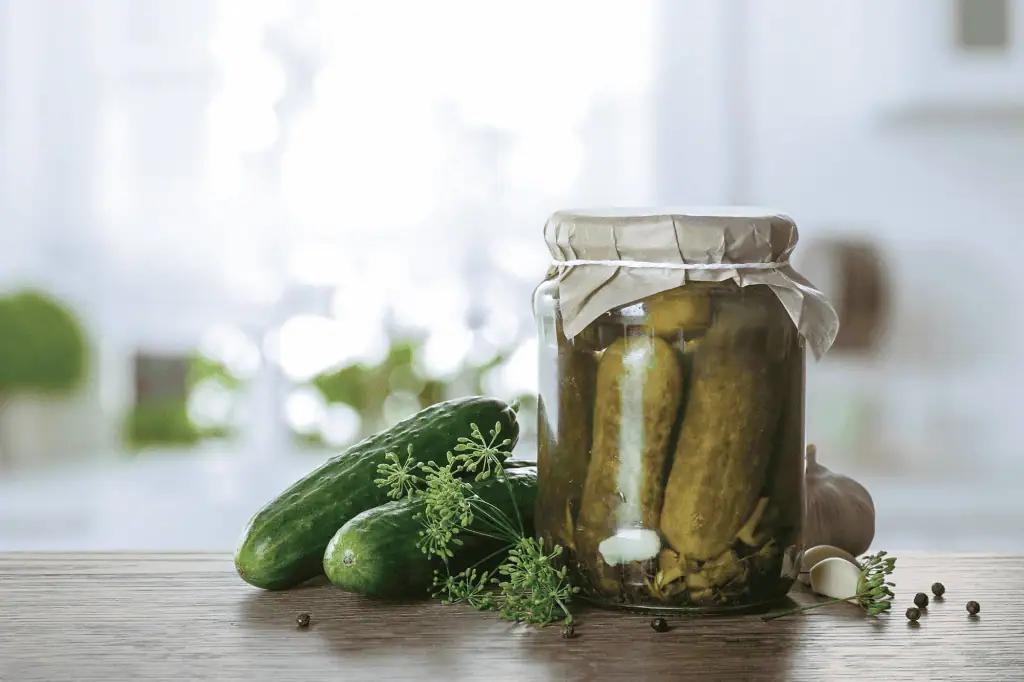
Some homemade or small-brand pickles in the 1950s used brining methods without modern pasteurization or temperature control. While flavorful, they carried risks related to storage and bacterial growth. Today’s food safety requirements mandate precise processing steps and verified acidity levels, making the older, loosely regulated versions unlikely to meet commercial standards.
Canned Fruit in Heavy Syrup
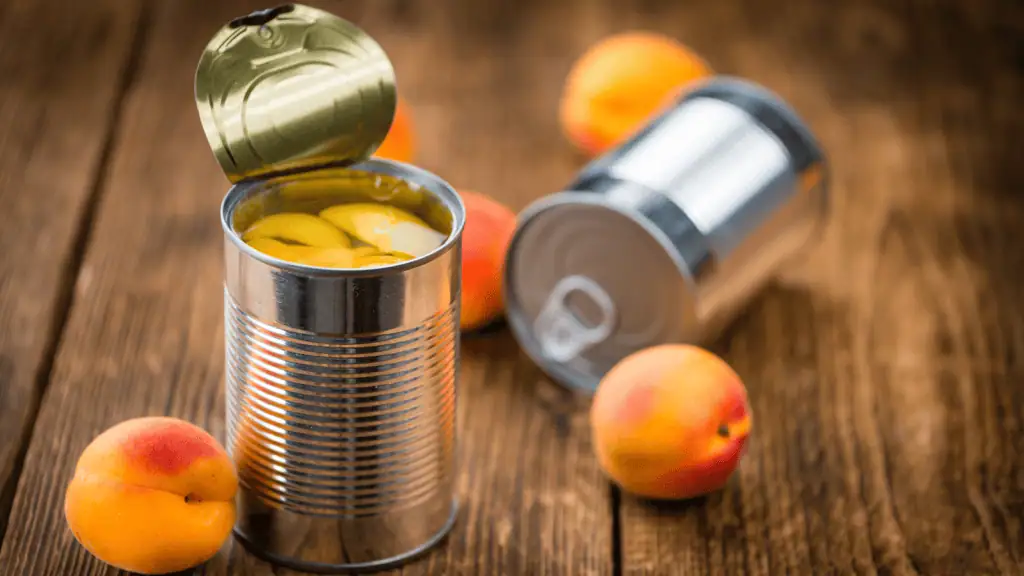
Canned fruit packed in extremely dense syrup was once a pantry essential, but the sugar concentrations far exceeded today’s nutritional guidelines. Although the product was considered shelf-stable, the lack of standardized labeling around added sugars would create compliance issues now. Modern variants still exist, but the original heavy-syrup formulas have largely been replaced or reformulated.
Unrefrigerated Cheese Spreads

Cheese spreads stored at room temperature were popular sandwich fillers, relying on stabilizers that would undergo far more scrutiny today. Their processing methods, shelf stability, and lack of allergen disclosure would conflict with modern food safety expectations. While spreadable cheeses remain available, the mid-century unrefrigerated format would require changes to meet current production standards.
Tinned Gravies
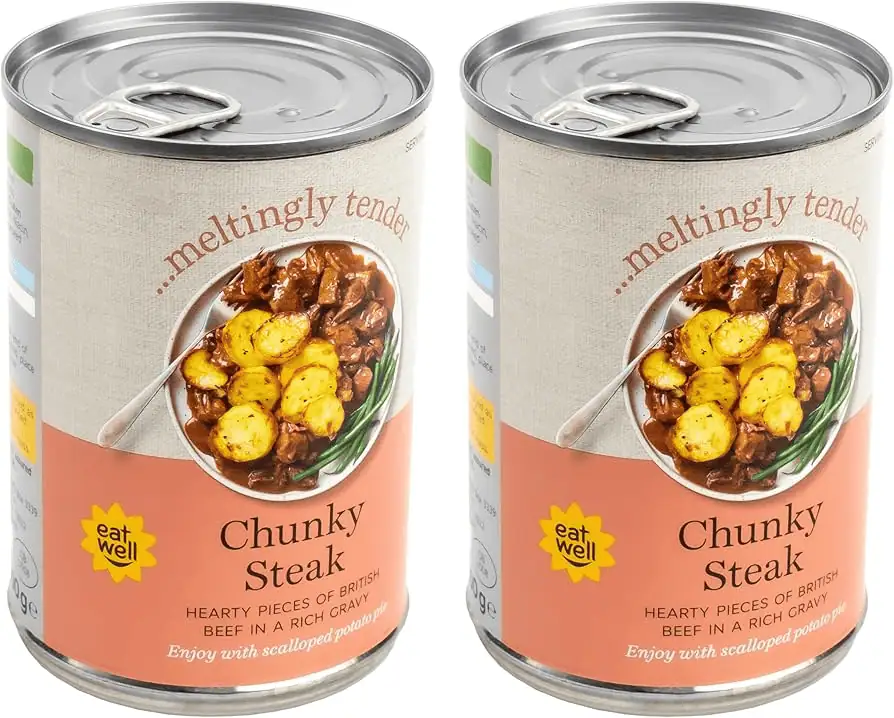
Tinned gravies were convenient pantry items, but their mid-century formulations often contained ambiguous flavorings and preservatives that lack today’s detailed labeling requirements. The high sodium content and limited ingredient transparency would challenge current regulatory norms. Although gravy is still widely sold, the older canned versions would likely need ingredient updates to be approved.
Aspic Mixes
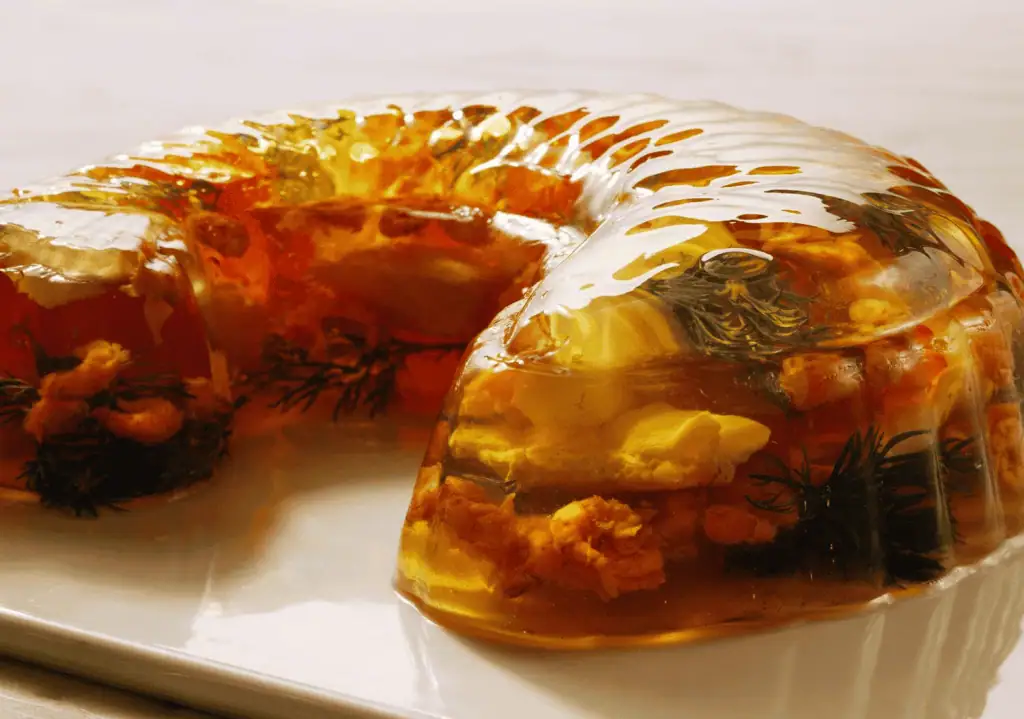
Aspic powders used to create savory gelatin dishes were once a symbol of mid-century culinary creativity. However, the mixes frequently used strong preservatives and colors that would require reevaluation today. Their preparation often relied on room-temperature setting conditions that do not align with modern food-safety expectations. Updated versions would require clearer ingredient controls.
Homemade Canned Goods
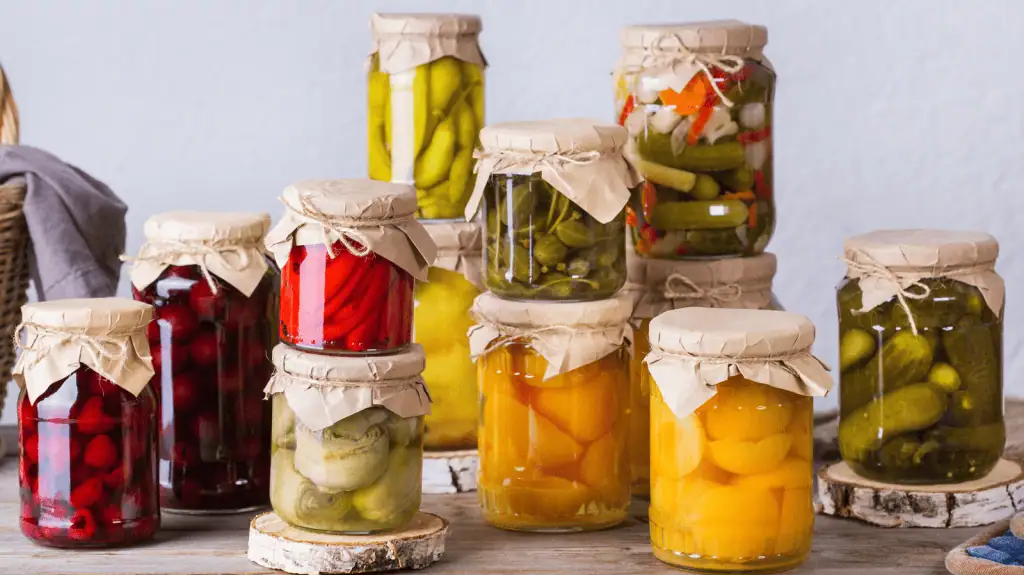
Many households relied on home-canned vegetables, fruits, and sauces stored in unsealed or loosely sealed jars. Without today’s strict temperature guidelines and tested canning methods, these foods carried contamination risks. Modern regulations require verified sterilization practices, meaning many traditional home-canning approaches would be discouraged for sale or distribution.
Cake Mixes With Artificial Additives
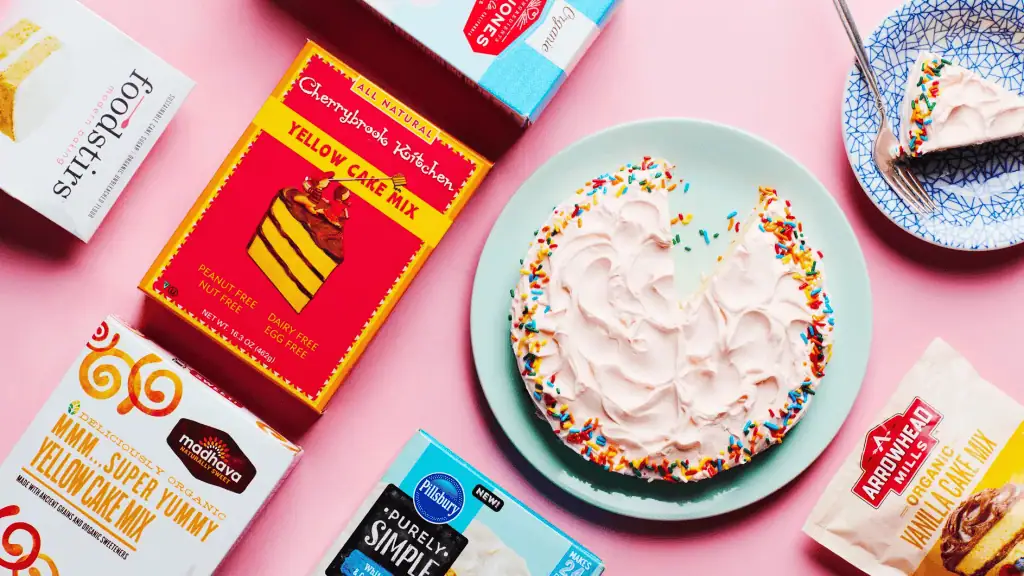
Early boxed cake mixes used artificial colors, emulsifiers, and stabilizers that no longer meet today’s regulatory standards. Their ingredient lists were often broad and vague, offering little insight into what was inside. While boxed mixes remain a pantry favorite, the 1950s versions would require significant reformulation and updated labeling to match modern expectations for consumer transparency.
