
8 Popular Kitchen Tips That Might Be Making Your Food Worse
Not every kitchen hack on TikTok or Pinterest deserves a spot in your cookbook. Many so-called “pro tips” spread online actually make food soggier, blander, or downright unsafe. From rinsing pasta to overusing olive oil, these myths have lingered for years, and it’s time to retire them. Here are eight popular kitchen habits that sound helpful but secretly sabotage your cooking instead.
Rinsing Pasta After Cooking
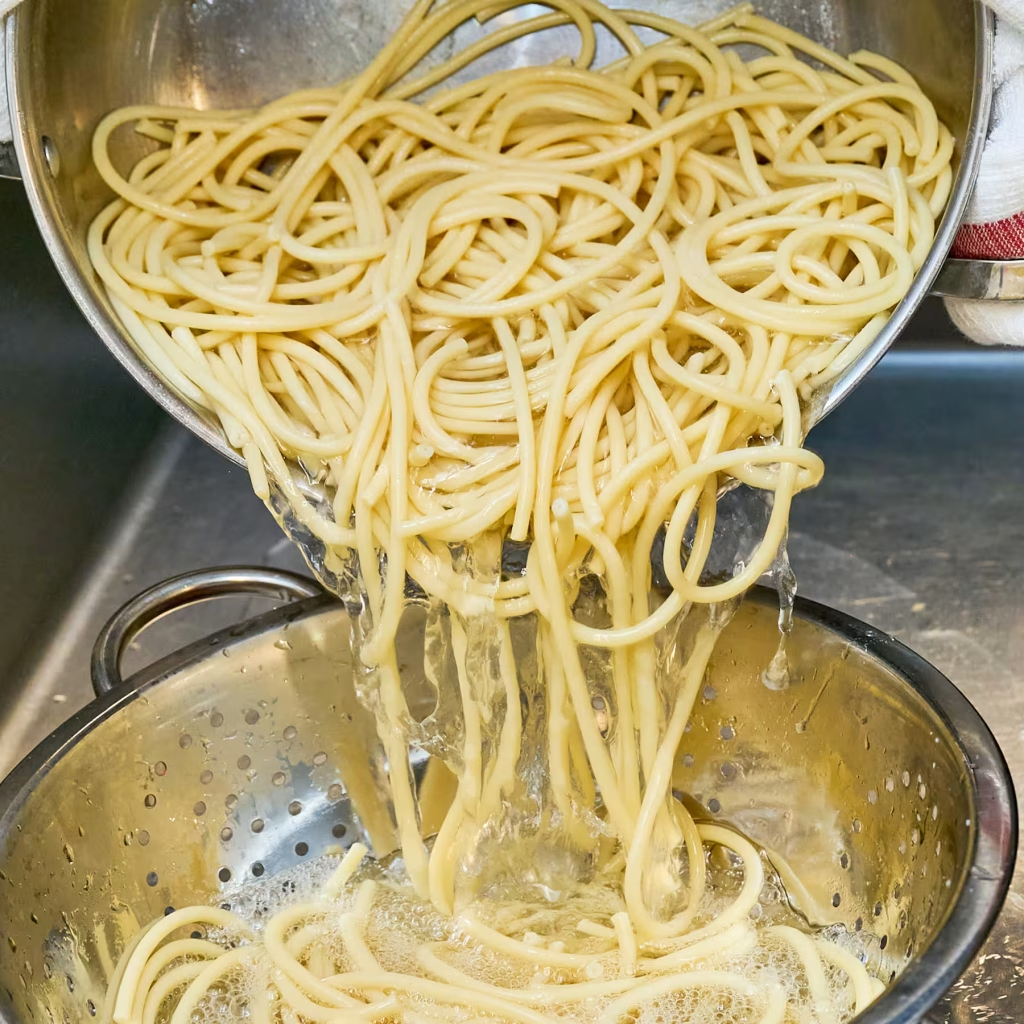
It might seem logical to rinse pasta to prevent sticking, but that washes away the starch that helps sauce cling to it. You’re left with slippery noodles and bland flavor. Instead, toss pasta directly into your sauce after draining the starch acts as a natural thickener, creating that silky, restaurant-quality finish.
Cooking Everything in Olive Oil
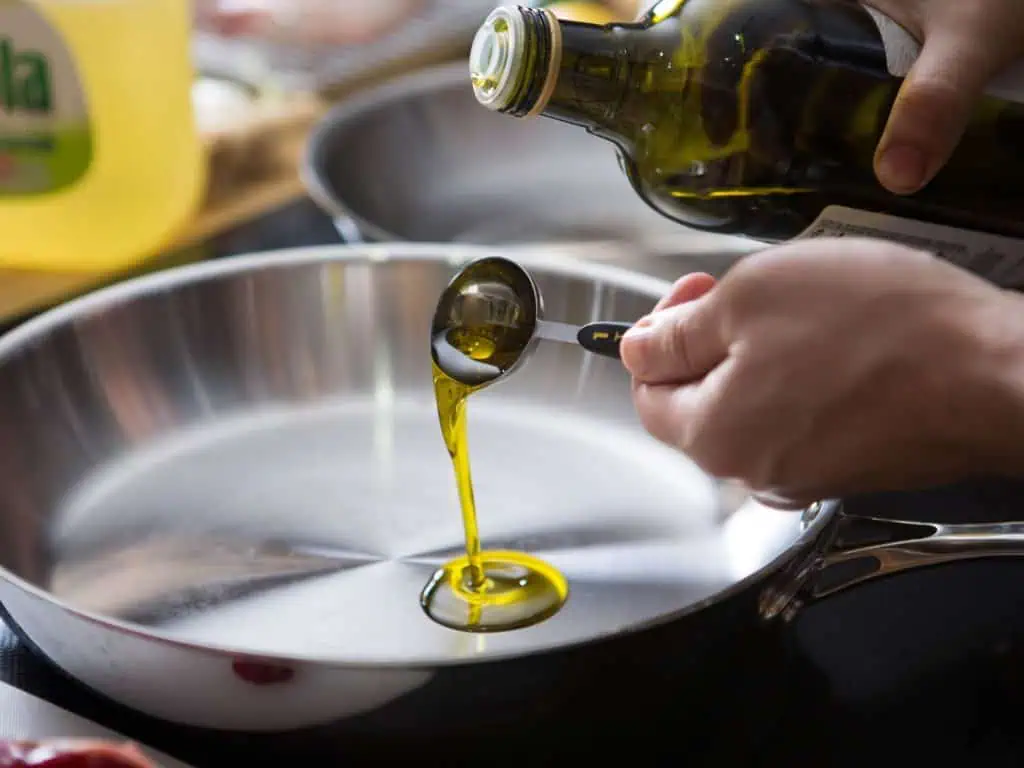
Olive oil is healthy and flavorful, but it’s not ideal for every dish. It has a relatively low smoke point, meaning it can burn during high-heat cooking like searing or frying. When that happens, food tastes bitter and smoky. For better results, save olive oil for drizzling and use avocado or canola oil for heat.
Marinating Meat Overnight
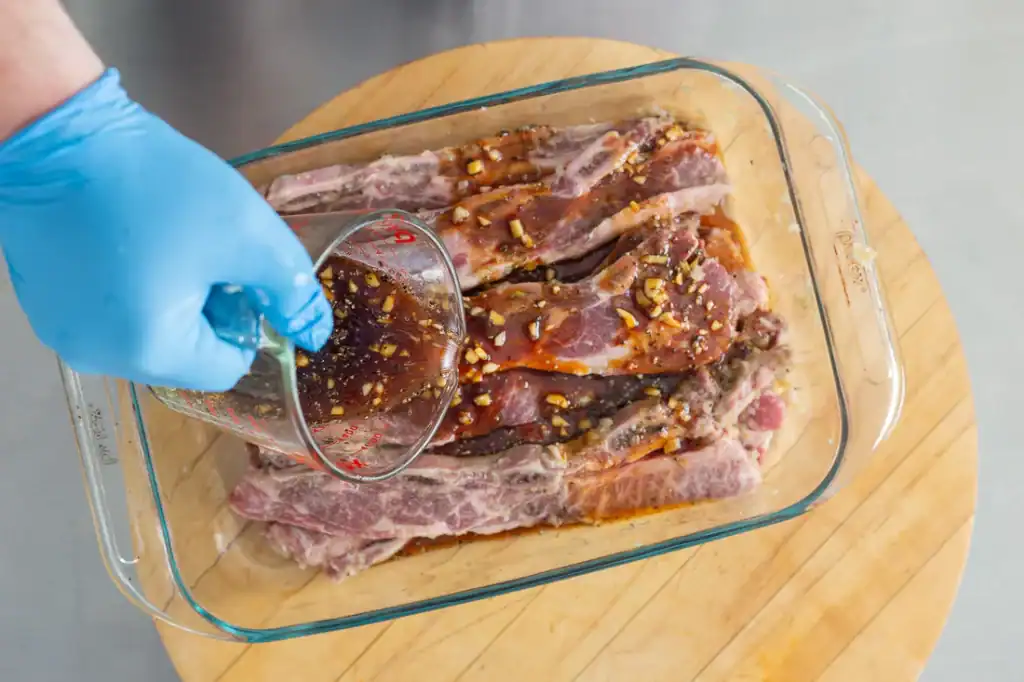
Many people believe long marination equals more flavor but that’s not always true. Acidic marinades can actually break down meat fibers, leaving them mushy instead of tender. Most proteins only need a few hours to absorb flavor. For deeper seasoning, focus on dry rubs or salt brines instead of marathon marinades.
Using Metal Utensils on Nonstick Pans
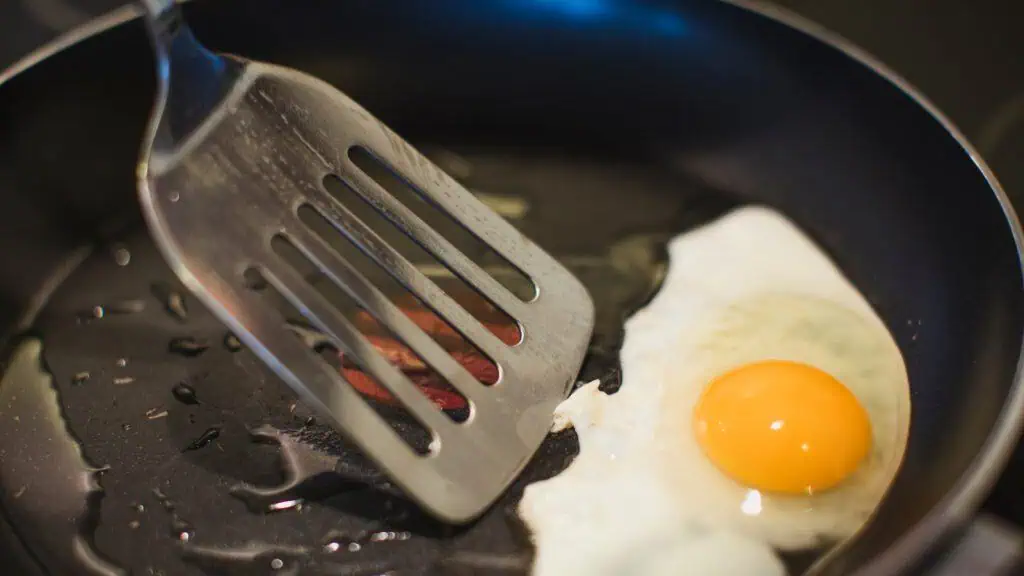
It’s tempting to grab any spatula nearby, but metal tools quickly scratch nonstick coatings, shortening pan life and releasing unwanted residue into food. Stick to silicone or wooden utensils they protect your cookware and keep food tasting clean. Treat nonstick pans gently, and they’ll reward you with better results.
Overcrowding the Pan
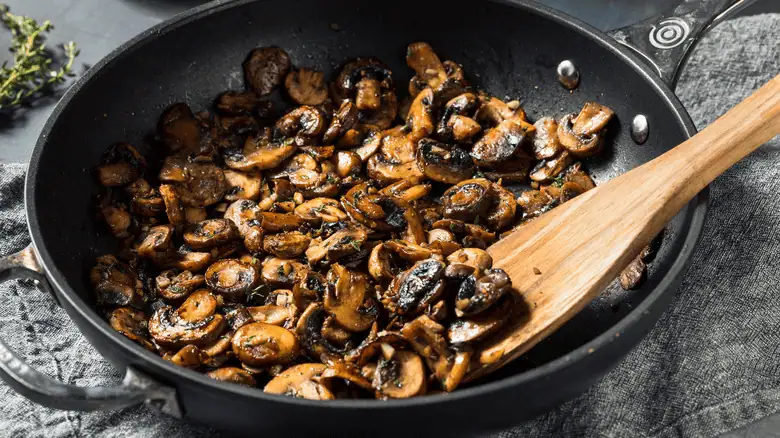
Trying to save time by cooking everything at once only leads to steaming instead of searing. Overcrowding traps moisture, preventing that golden, flavorful crust. Whether you’re sautéing veggies or browning meat, cook in batches to let heat circulate properly it’s the secret behind crisp texture and rich flavor.
Always Preheating Nonstick Pans
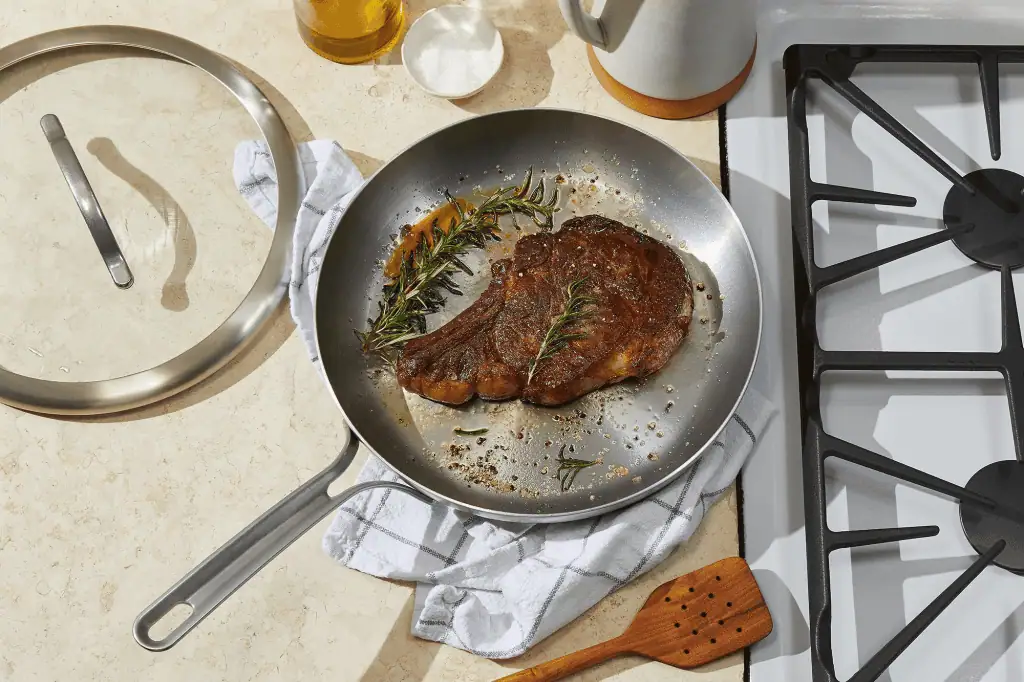
While preheating is essential for cast iron or stainless steel, it’s risky for nonstick pans. Heating them empty can cause the coating to overheat and degrade. Instead, add a bit of oil or food before turning on the burner. This helps regulate temperature and keeps your cookware safe for longer use.
Salting Beans Before They’re Soft
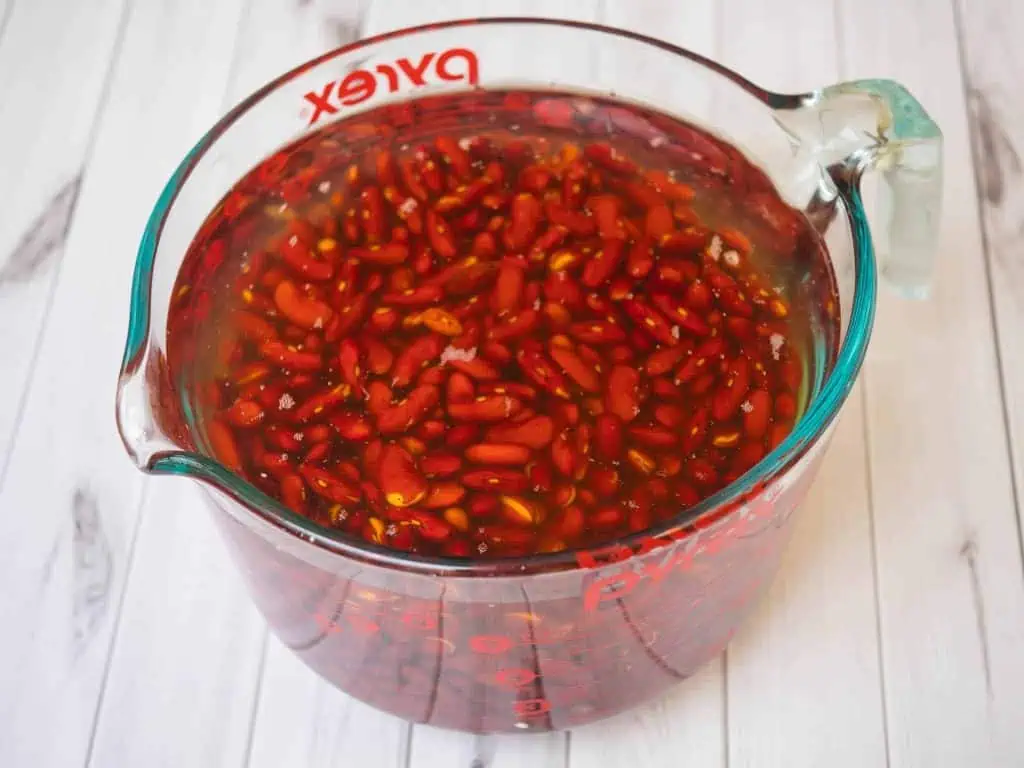
Old wisdom says to avoid salting beans until after cooking, but that’s outdated. Adding salt early actually helps beans cook more evenly and enhances flavor. Waiting until the end can leave them bland and unevenly tender. So go ahead, salt your soaking water or early in the simmer for perfect texture.
Refrigerating Tomatoes
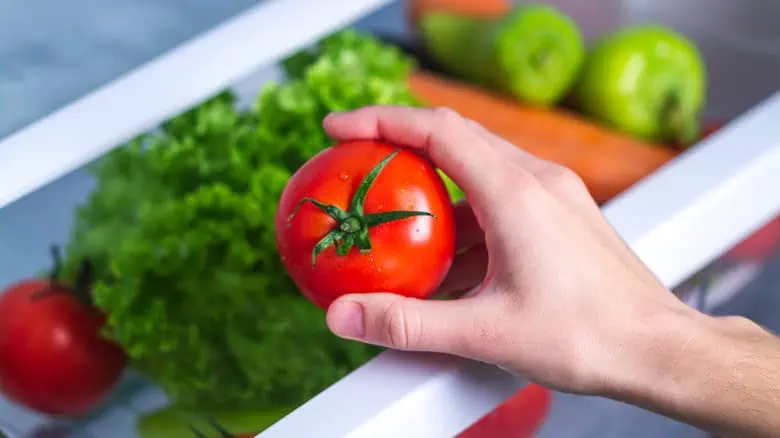
Tomatoes lose flavor and texture when stored in the fridge. The cold dulls their sweetness and makes them mealy. Keep them at room temperature instead, away from direct sunlight. You’ll preserve their vibrant taste and juiciness, making every slice or sauce taste fresher and more balanced.
