
10 restaurant dishes chefs quietly avoid ordering themselves
Chefs love trying food from other restaurants, but they also understand exactly how certain dishes are prepped, stored, and served behind the scenes. Years of experience give them insight into which menu items are inconsistent, risky, or simply not worth the price. While these foods may still be popular with customers, many chefs skip them for reasons ranging from freshness concerns to lack of value. Here are the 10 dishes culinary insiders quietly avoid ordering themselves.
Well-Done Steak
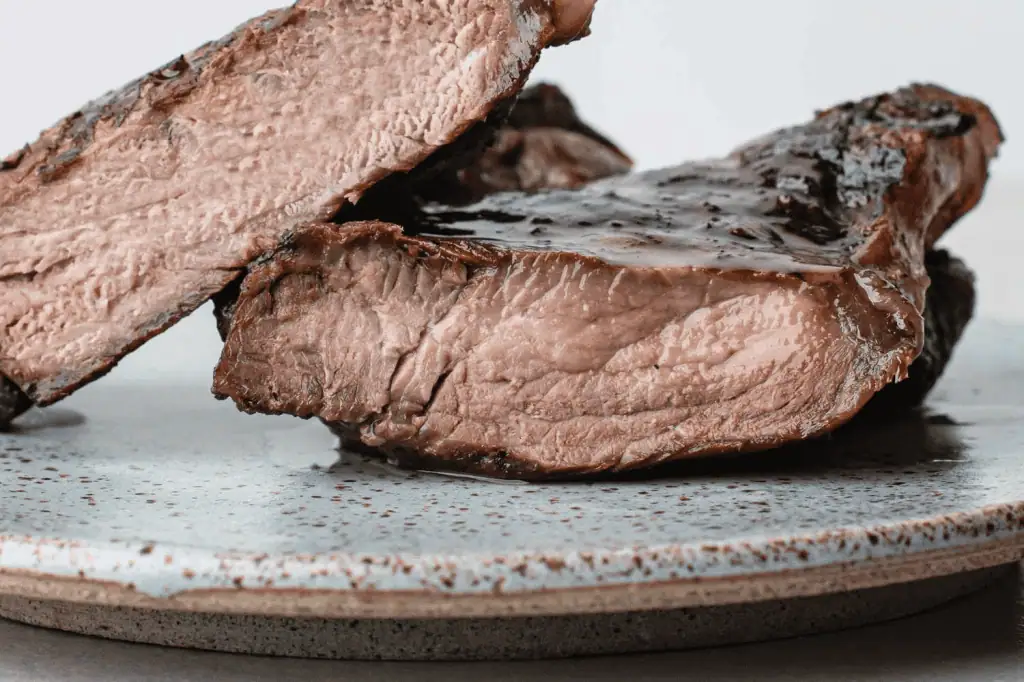
Chefs often avoid ordering well-done steak because it usually involves using tougher cuts that can withstand long cooking times. Overcooking dries out the meat, making it less flavorful and far less satisfying. Some kitchens also keep less desirable cuts on hand knowing they’ll be cooked thoroughly. Chefs prefer steaks cooked with more precision, where quality and tenderness can actually shine.
Raw Oysters (at Questionable Locations)
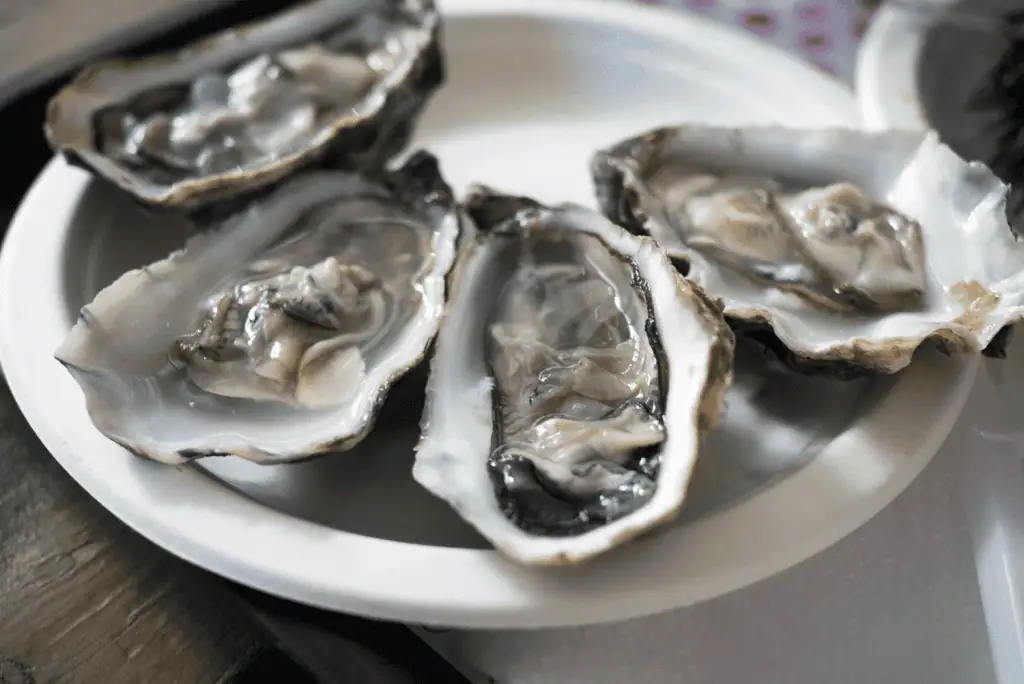
Chefs love oysters but only at places where they trust the sourcing and handling. Because oysters are eaten raw, freshness and temperature control are critical. If a restaurant doesn’t specialize in seafood or lacks high turnover, chefs steer clear to avoid foodborne illness risks. They prefer trusted raw bars with strict sourcing standards and fast product rotation.
Daily Soup Specials
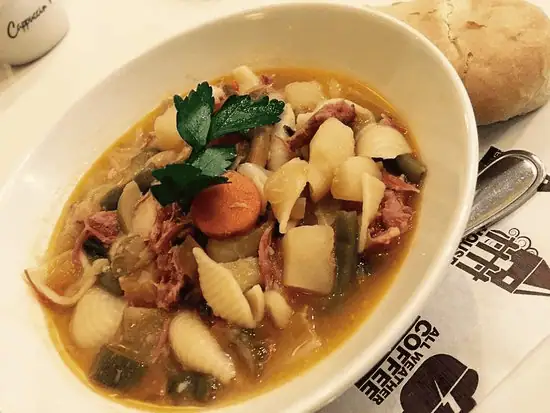
Soup is delicious, but chefs know “today’s special” can sometimes be yesterday’s leftovers repurposed into a new dish. While not dangerous, the quality varies widely depending on the kitchen. Some specials are creative; others stretch ingredients that need to be used up. Chefs typically order soup only at restaurants known for making fresh, intentional batches not as a catch-all dish.
Mussels
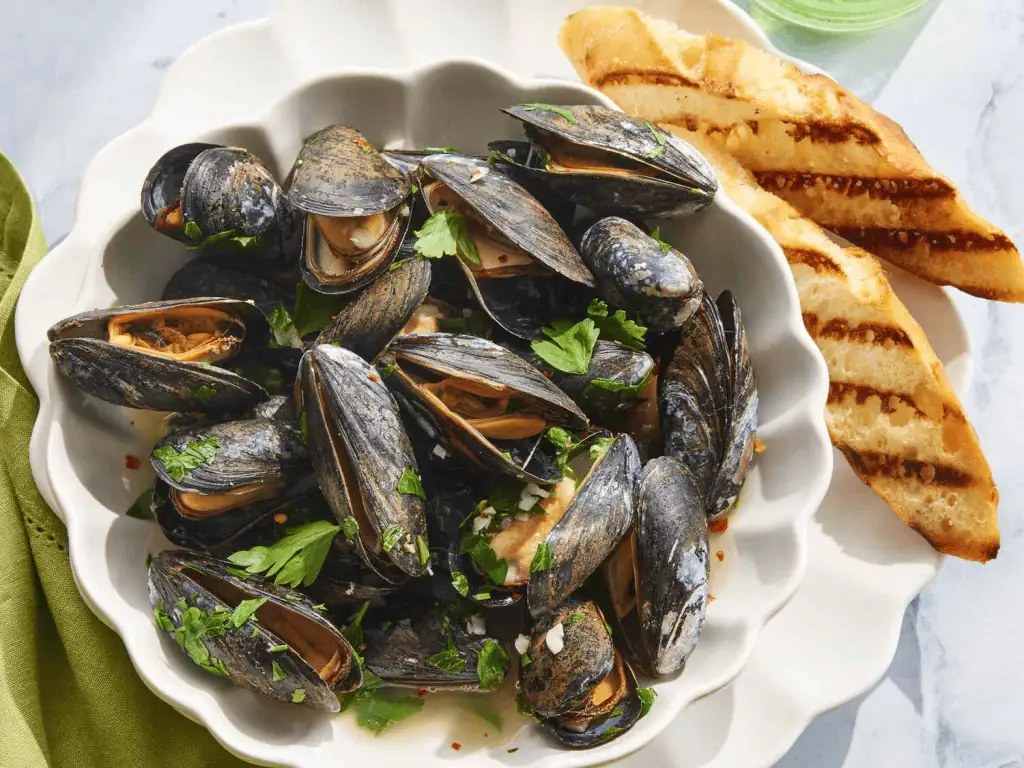
Mussels can be fantastic, but they spoil quickly and require careful cleaning and cooking. Chefs avoid them at restaurants that don’t prominently feature seafood, knowing the shellfish may not be as fresh or properly stored. When mishandled, mussels can cause serious illness. Chefs only order them at places that clearly specialize in seafood and have high product turnover.
Truffle Oil Dishes
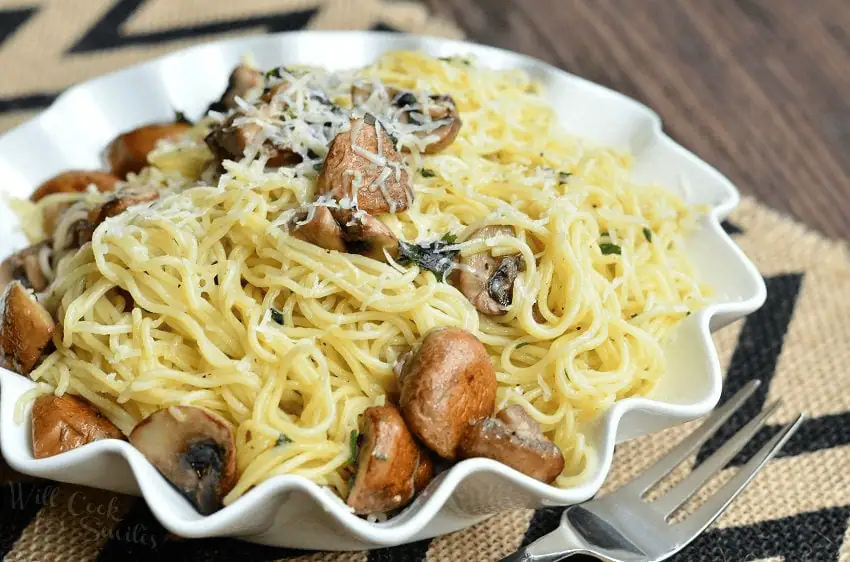
Many chefs avoid dishes made with truffle oil because most versions use synthetic flavoring rather than real truffles. The aroma is strong but artificial, masking the food instead of enhancing it. Chefs see it as a shortcut that creates an illusion of luxury without genuine culinary depth. If a restaurant doesn’t use actual truffles, they’re not interested.
Chicken Parmesan
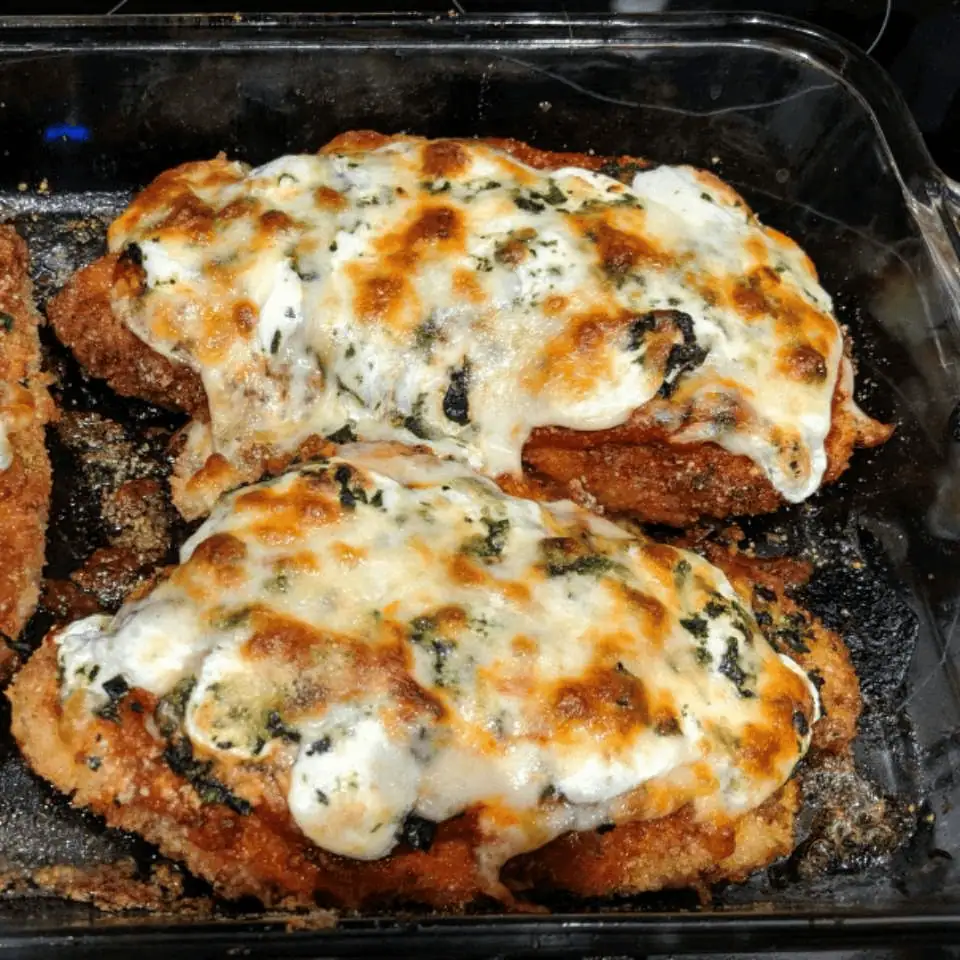
Chefs often skip chicken parmesan at restaurants because it’s usually priced higher than the true cost of its ingredients. Many versions use frozen breaded cutlets rather than freshly pounded chicken, leading to average texture and flavor. Since it’s easy to make well at home, chefs prefer ordering more complex dishes that justify the restaurant’s price and effort.
Seafood on Slow Weekdays
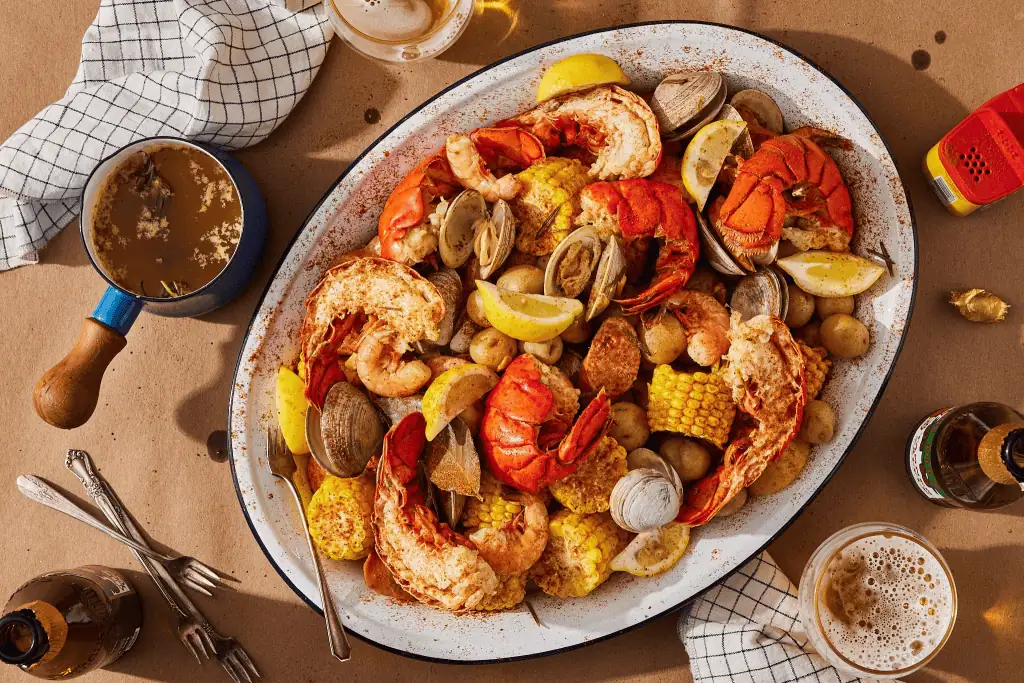
Chefs know that not all seafood deliveries arrive daily, so they avoid ordering fish dishes early in the week at restaurants without strong seafood programs. Low turnover increases the risk of older products. Skilled kitchens manage inventory carefully, but in many places the freshest seafood appears toward the end of the week. Chefs time their seafood cravings accordingly.
“Secret Menu” Items
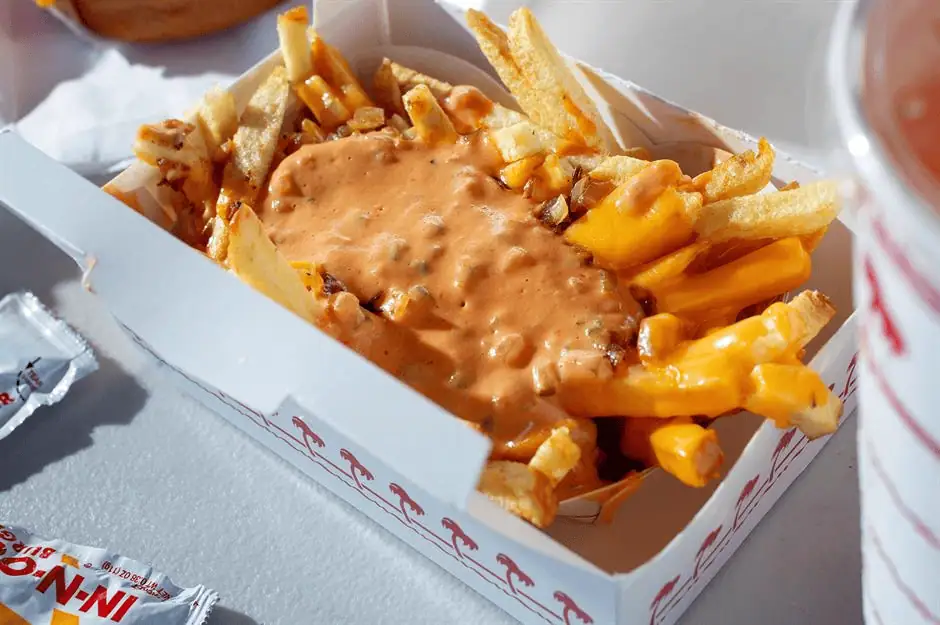
Chefs tend to avoid ordering off-menu dishes because these items aren’t always tested, stocked, or prepared with consistency. They can disrupt kitchen workflow and may rely on leftover ingredients. Chefs prefer ordering dishes the restaurant is proud enough to put on the menu those are typically refined, practiced, and reliably executed.
Specials That Don’t Fit the Restaurant
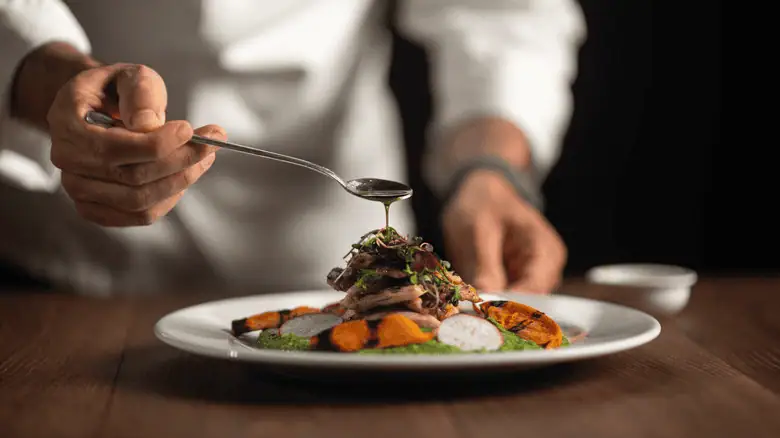
Chefs skip specials that seem out of place or example, sushi at a diner or barbecue ribs at an Italian café. When a dish doesn’t match the restaurant’s core identity, the kitchen may lack the equipment, ingredients, or expertise to execute it properly. Chefs stick to specialties that showcase what the establishment actually does well.
Overly Elaborate Desserts
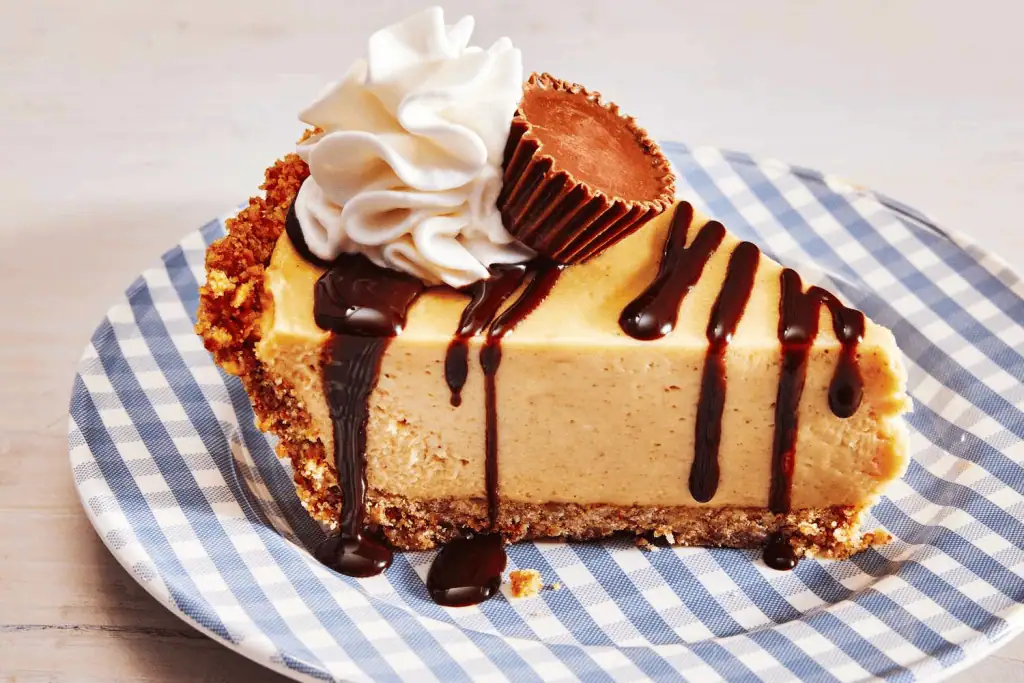
Many chefs avoid ordering complex, overly plated desserts, especially if the restaurant isn’t known for its pastry program. Elaborate sweets can be inconsistent, relying on premade components stored for long periods. Chefs often prefer simple, well-executed desserts like panna cotta, crème brûlée, or fruit-based options that highlight technique and freshness.
