
19 once-affordable foods that just aren’t worth the price anymore
Soaring grocery prices have changed the way Americans shop, and several foods once considered budget-friendly have quietly become luxury items. Whether due to supply-chain issues, labor costs, climate pressures, or premium branding, many staples no longer deliver the value they once did. In some cases, the quality has dropped even as the price keeps climbing. Here are 19 foods that used to be affordable but simply aren’t worth the cost anymore.
Bacon
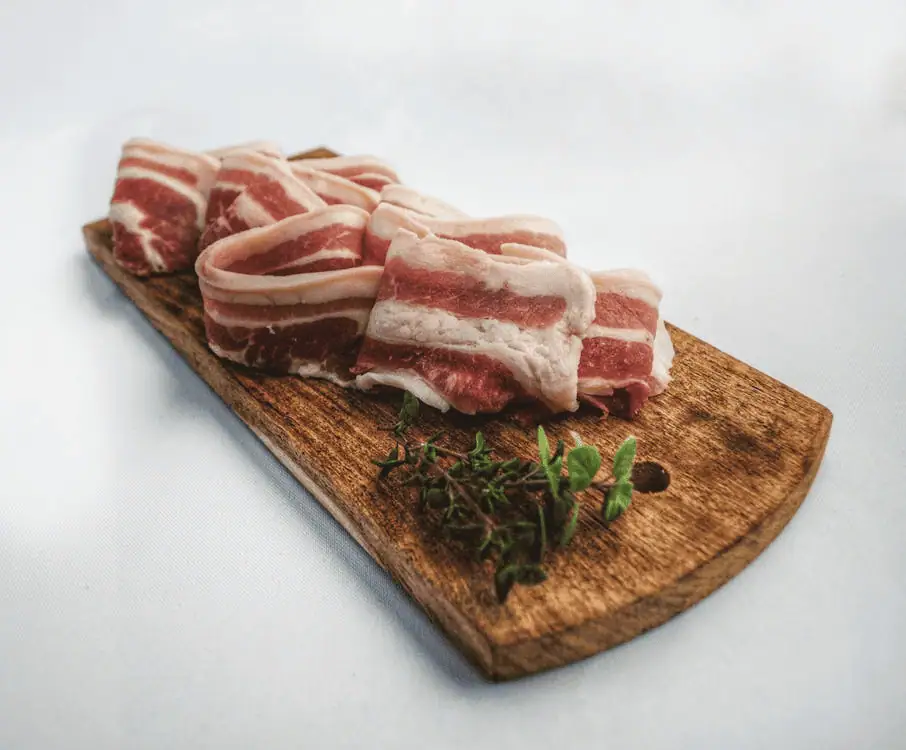
Bacon was once an inexpensive breakfast staple, but its price has skyrocketed due to rising pork costs and processing expenses. Many shoppers say the slices have become thinner and fattier, making the quality feel lower despite the higher price tag. With cheaper alternatives like turkey bacon or sausages available, many households find bacon no longer worth the splurge.
Avocados
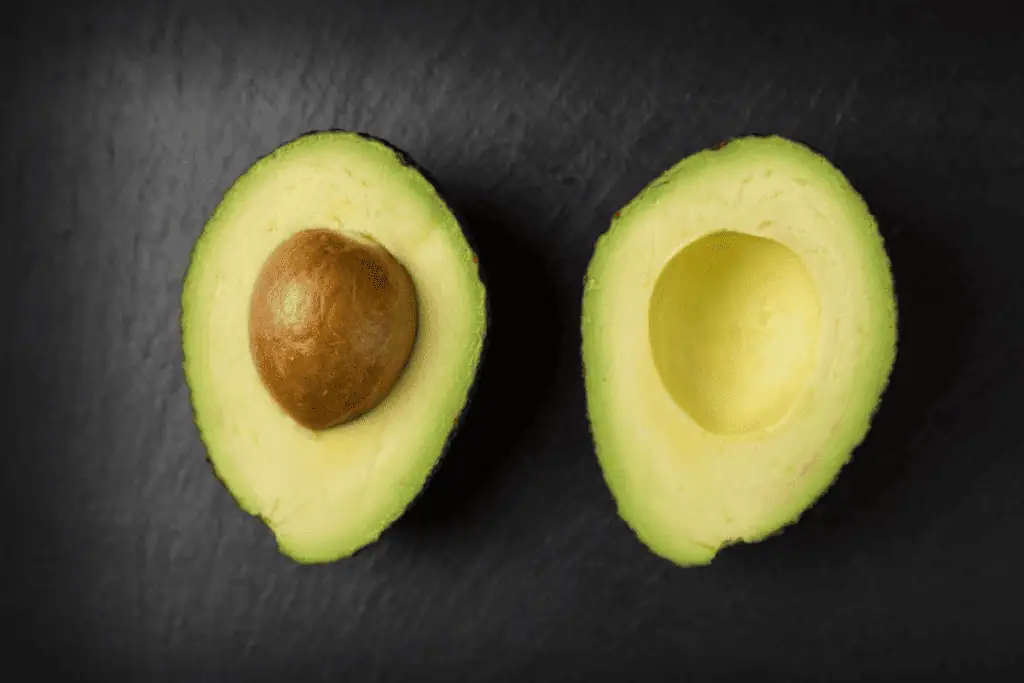
Avocados used to be a bargain, but demand growth and climate-related crop disruptions have made them far more expensive. Many shoppers complain about unpredictable ripeness and short shelf life, which make the risk of buying a bad one even more frustrating. With costs rising each year, avocados feel less like a healthy staple and more like a pricey gamble.
Rotisserie Chicken
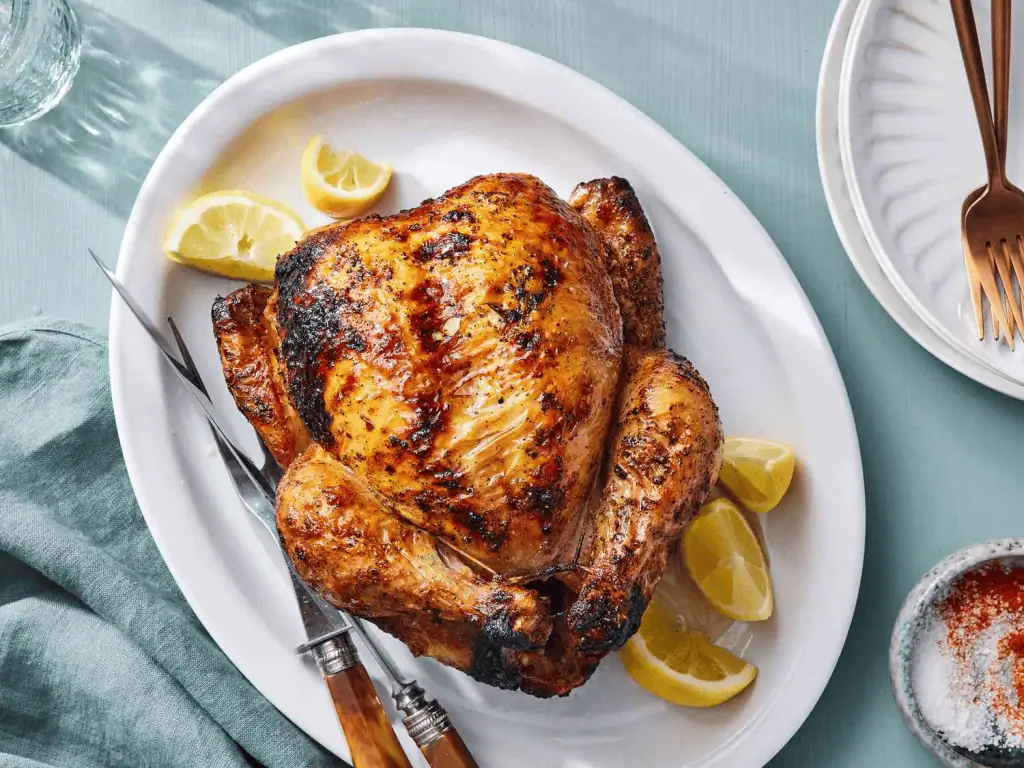
Rotisserie chickens were once unbeatable deals, but prices have crept up at many stores while portion sizes shrink. Some customers say the chickens are noticeably smaller or drier than they used to be. Though still convenient, the value just isn’t what it once was especially when raw chicken is often cheaper per pound and yields more servings.
Orange Juice

Fresh orange juice has become surprisingly expensive, driven by disease-stricken crops in Florida and rising import costs. The flavor varies widely between brands, and many cartons contain added sugars or concentrates that dilute the taste. For many families, the price simply no longer matches the experience, making it a difficult item to justify regularly.
Boxed Cereal
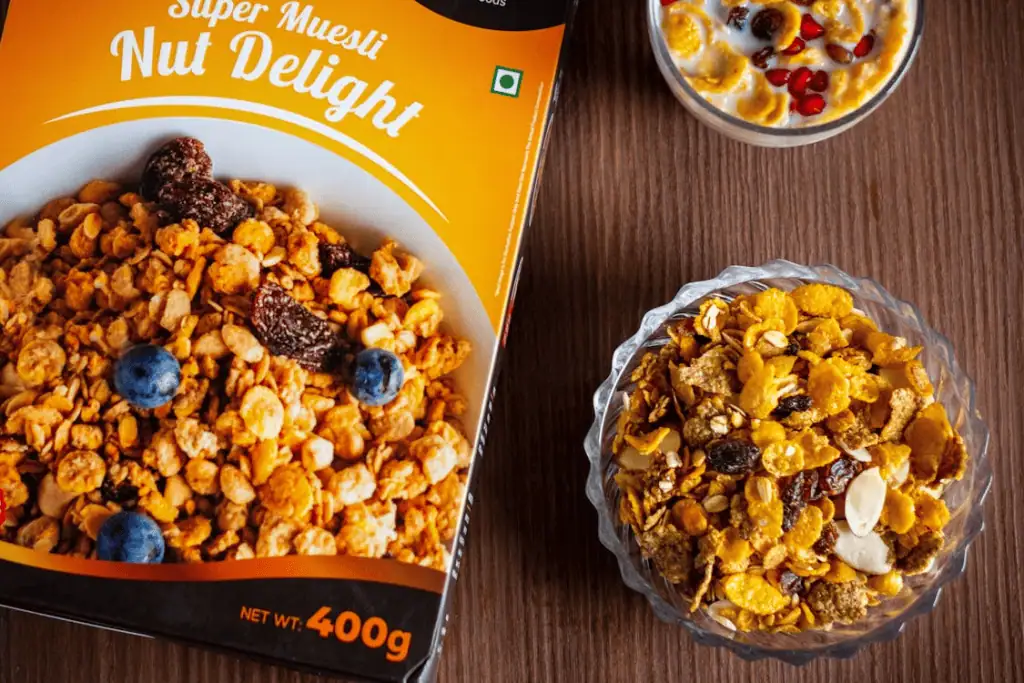
Cereal prices have jumped significantly, while boxes seem to get smaller every year. Many people say cereals taste less flavorful and get soggier faster than they remember. With rising sugar content and fewer servings per box, cereal has lost its reputation as an affordable breakfast option and now feels like an overpriced treat.
Ice Cream

Premium brands once offered indulgence at reasonable prices, but today even basic pints cost as much as full meals. Shrinkflation has reduced container size while many brands cut back on mix-ins or richness. With store brands and nondairy alternatives offering better value, pricey ice cream loses its appeal unless it’s truly special.
Chicken Wings
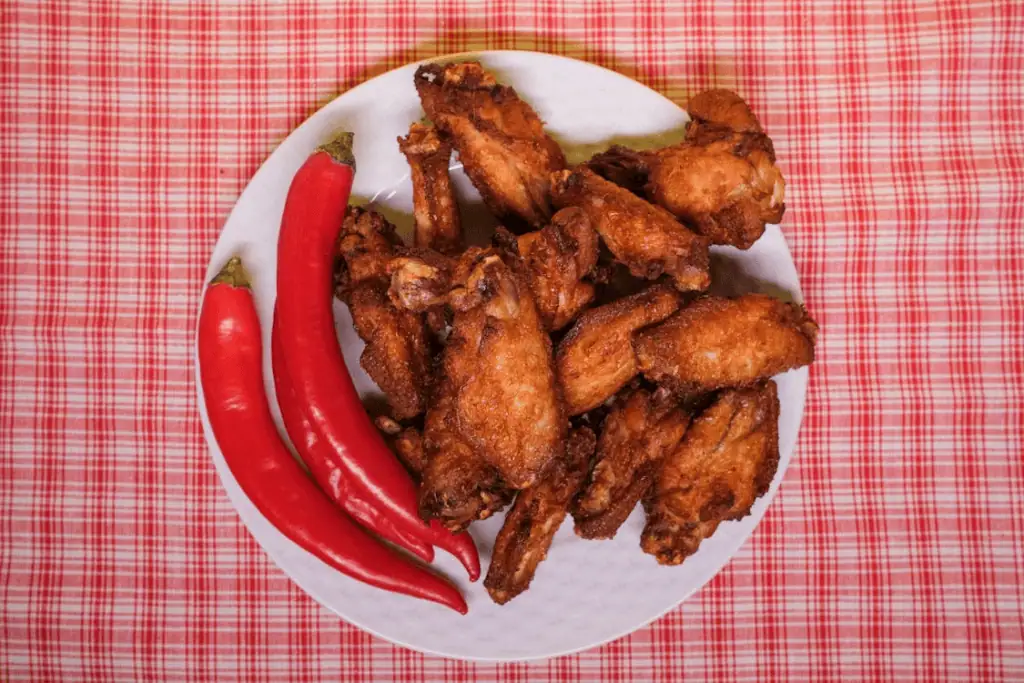
Chicken wings used to be among the cheapest cuts of poultry, but supply shortages and restaurant demand sent prices soaring. Now, wings often cost more than boneless cuts or whole chickens. For many shoppers, the high price for so little meat makes them hard to justify especially for families or hosting game-day gatherings.
Seafood
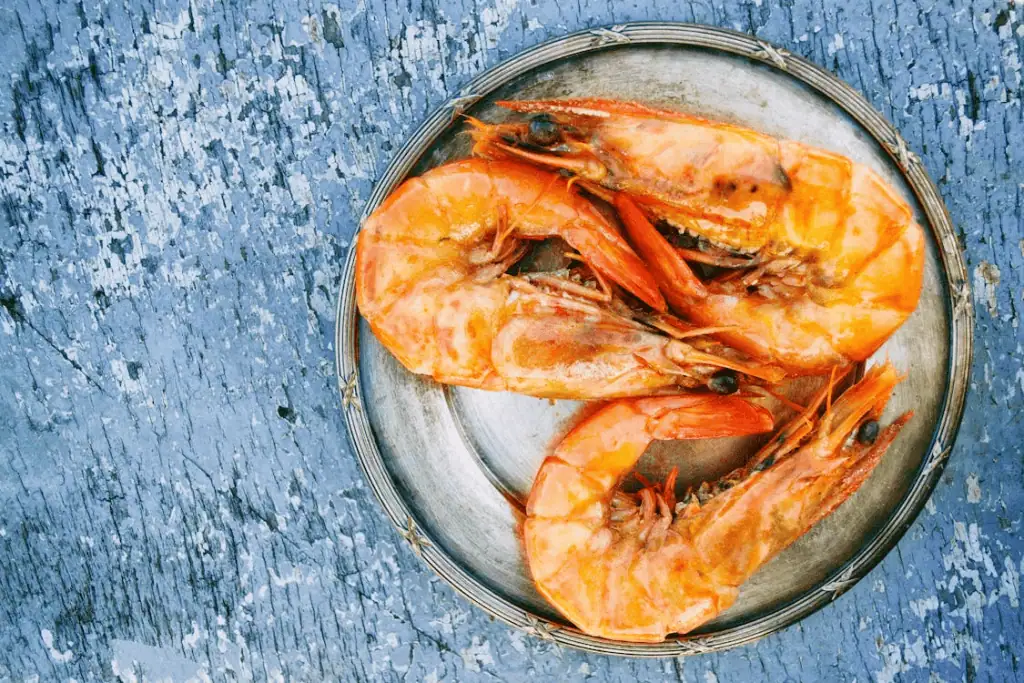
Seafood, particularly salmon, shrimp, and crab, has become significantly more expensive due to rising fuel costs, transportation challenges, and sustainability concerns. Some shoppers also report inconsistent freshness. Unless buying for a special occasion, many people now skip seafood entirely or opt for frozen options instead of the pricey fresh cuts.
Cheese

From cheddar to specialty imports, cheese prices have risen sharply, making even basic blocks or shredded bags a budget hit. Many people notice diminishing flavor quality as brands cut corners. With dairy alternatives becoming cheaper and more versatile, cheese no longer feels like an everyday staple for many households.
Coffee Beans
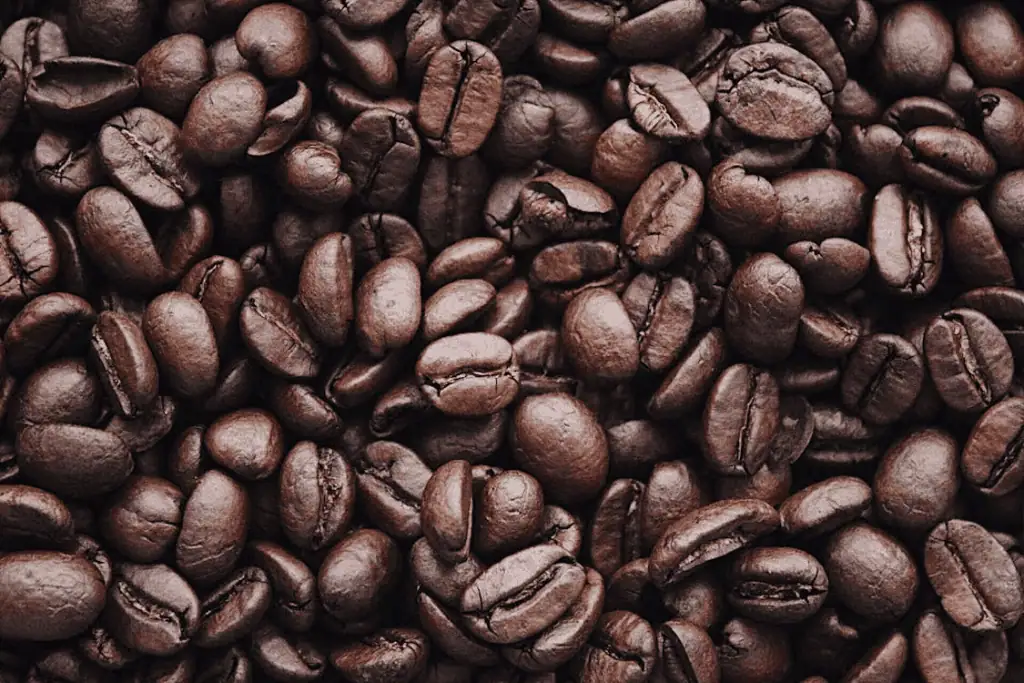
Premium coffee beans were once an affordable luxury, but climate impacts on coffee-growing regions have pushed prices higher. Many consumers find that newer blends taste flatter or less consistent despite the increased cost. With rising café prices too, coffee is becoming an expensive daily ritual rather than a guilt-free indulgence.
Eggs
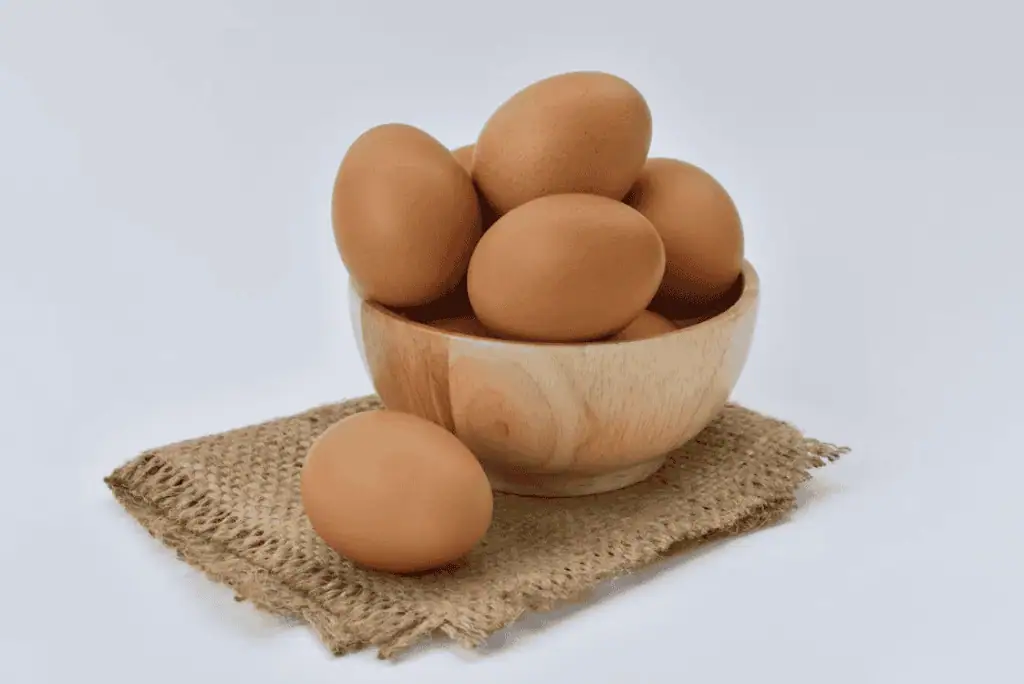
Egg prices surged due to supply issues and avian flu outbreaks and although costs have fluctuated, they still feel unstable. Shoppers complain about inconsistent yolk color, thinner shells, and smaller sizes. What was once the most affordable protein suddenly feels unreliable, pushing many households toward alternatives like tofu or beans.
Maple Syrup

Maple syrup has seen major price jumps due to labor-intensive production and climate-driven sap shortages. Even small bottles cost a premium, and cheaper brands often rely on corn syrup blends that dilute the flavor. For many families, the price difference makes maple syrup a rare treat rather than a breakfast staple.
Fresh Berries

Berries are crowd favorites, but their cost has climbed dramatically, especially during off-season. They spoil quickly, making the high price feel even riskier. Many shoppers report inconsistent sweetness or firmness. Frozen berries now offer far better value and reliability, causing fresh ones to lose their everyday appeal.
Peanut Butter

Peanut butter prices have crept up due to rising peanut crop costs and supply chain pressures. Many jars have also shrunk, and some brands have added stabilizers or oils that dilute the flavor. What used to be a cheap protein source is now noticeably more expensive, making alternatives like sunflower butter surprisingly competitive.
Yogurt Cups
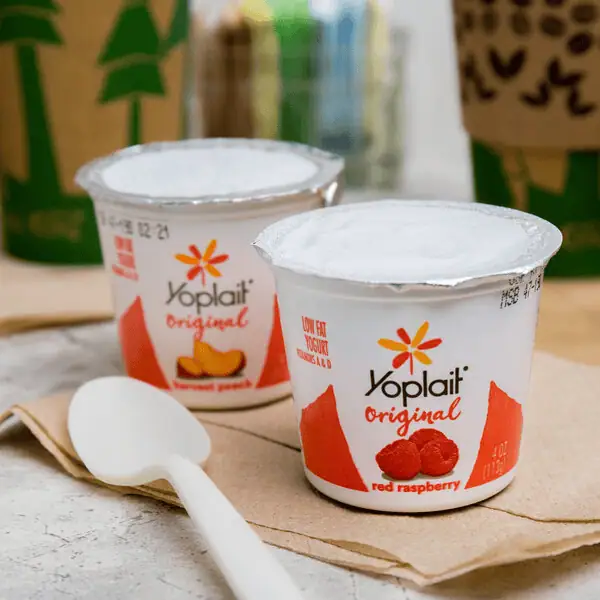
Single-serve yogurt cups were once cheap grab-and-go snacks, but today’s versions often cost more while offering less protein or smaller portions. Fancy flavors and additives inflate the price but don’t necessarily improve nutrition. Larger tubs remain a better value, but the classic convenience cup no longer feels worth the premium.
Bottled Water
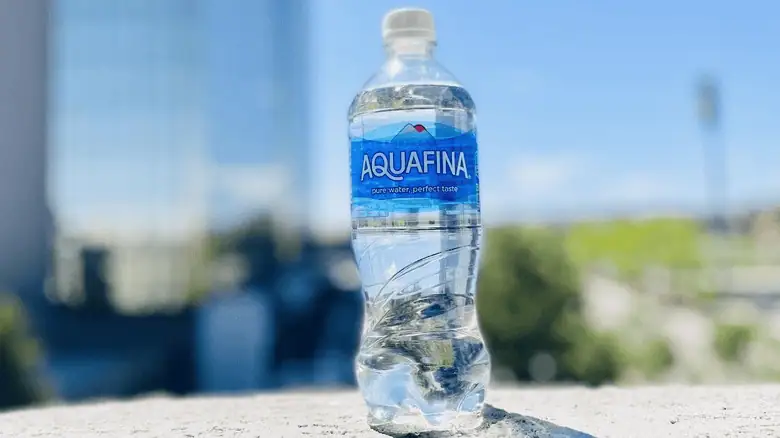
Once a modest purchase, bottled water has become surprisingly pricey especially “premium” brands that rely mostly on packaging and marketing. With tap water filters and refillable bottles offering cheaper, eco-friendly alternatives, many shoppers now skip bottled water entirely unless traveling or in an emergency.
Pre-Cut Produce

Pre-cut fruits and vegetables offer convenience but now come with hefty markups, often triple the price of whole produce. Many shoppers also say the freshness doesn’t last as long, and the textures decline quickly. For a food that’s meant to simplify life, the high cost just isn’t worth the minimal time saved.
Ground Beef
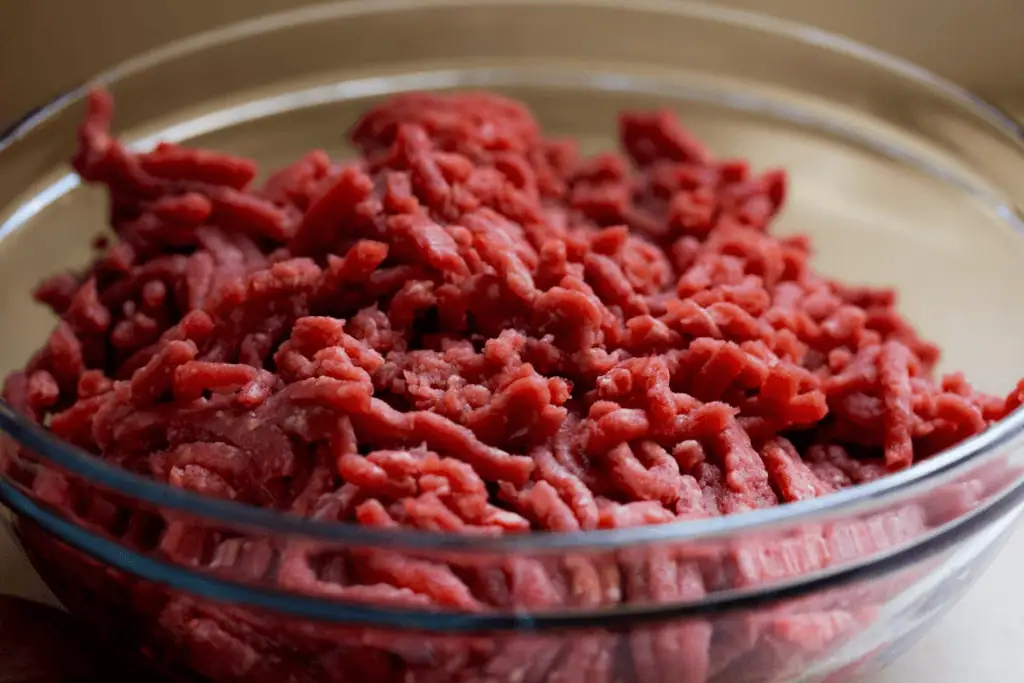
Ground beef, once one of the most affordable proteins, has climbed sharply in price. Fat content and texture vary widely between brands, making quality unpredictable. Many home cooks now stretch meat with beans, lentils, or grains or opt for poultry to keep meals affordable without sacrificing flavor.
Almonds and Nuts
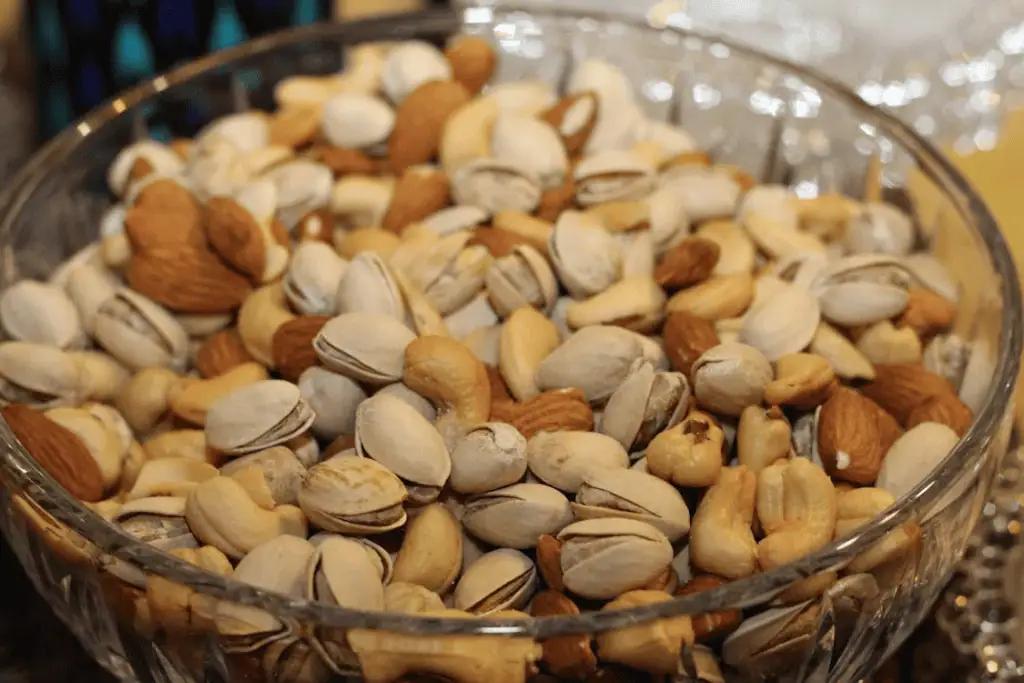
Nuts were once considered healthy, budget-friendly snacks, but their prices have soared due to water-intensive farming and global demand. Almonds, pistachios, and cashews especially now feel like luxury items. With smaller packages and rising costs, shoppers are turning to seeds and trail mixes to get similar nutrition for less.
