
10 Fast-Food Secrets Regular Customers Never Realize
Fast-food restaurants run with surprising precision, efficiency, and strategy and many of their most important practices stay hidden from everyday customers. From menu design to kitchen shortcuts and ordering hacks, chains rely on systems most people never realize exist. These behind-the-scenes secrets explain how fast-food operations stay fast, consistent, and profitable while keeping customers coming back.
Drive-Thru Orders Get Priority
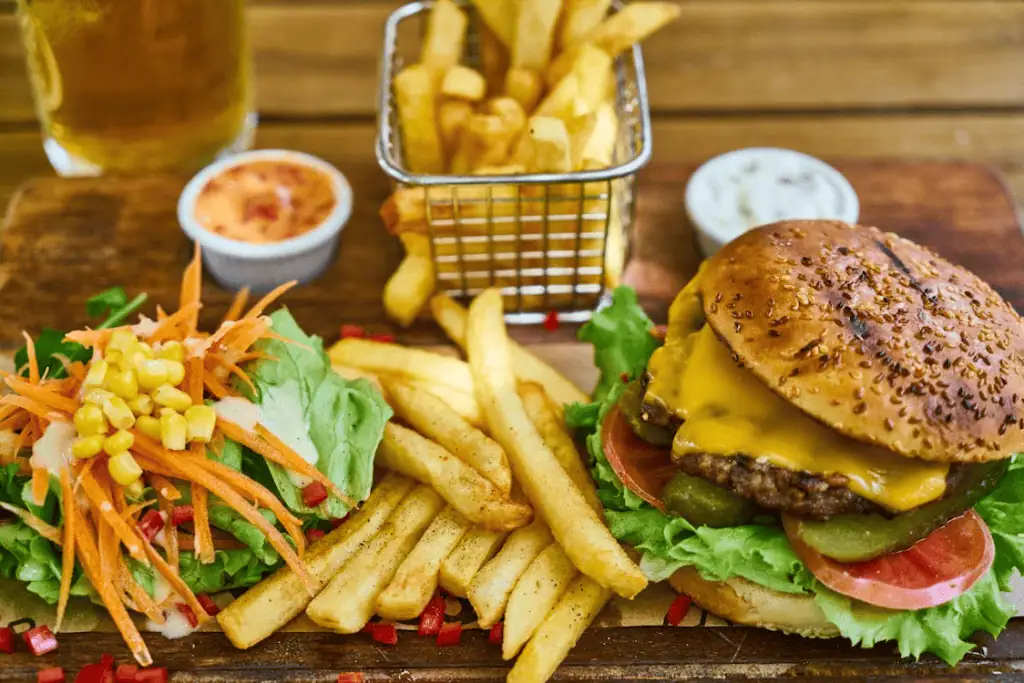
Most fast-food kitchens prioritize drive-thru orders because they’re timed and tracked for speed. Employees often rush these ahead of dine-in or mobile orders to keep their averages low. Many customers don’t realize the entire workflow is designed with the drive-thru in mind, which is why your walk-in order sometimes takes longer, even when the lobby looks empty.
Menus Are Designed to Steer Your Choices
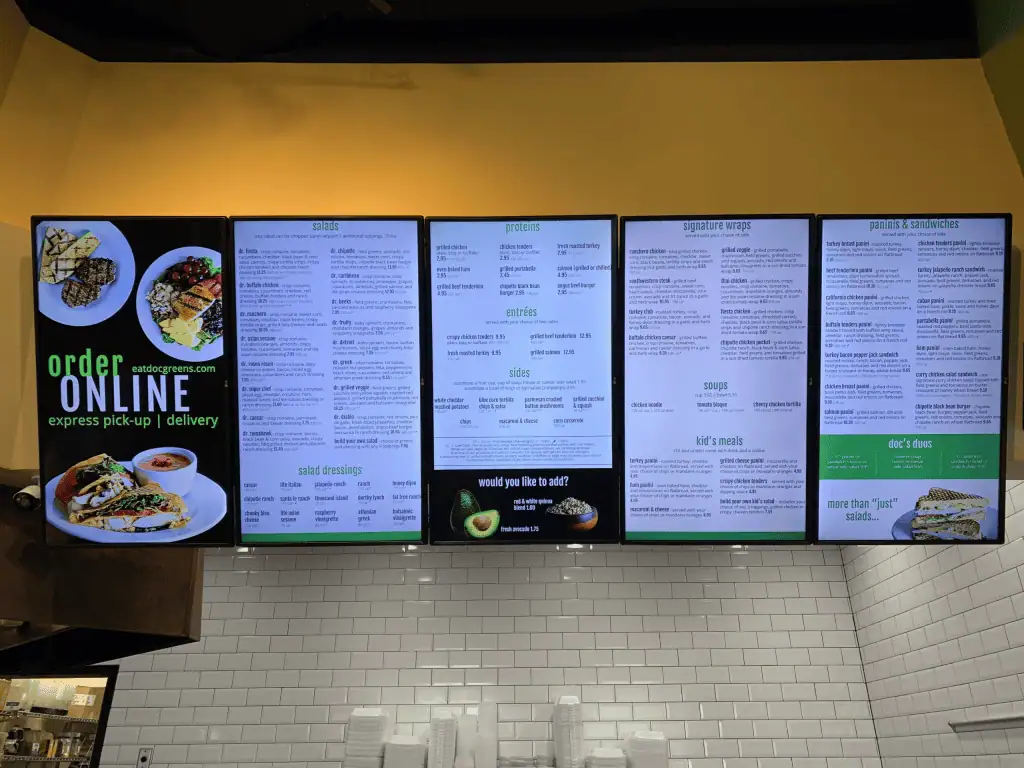
Menu boards aren’t random, they’re carefully arranged so your eyes land on the most profitable items first. Bright colors, large photos, and strategic placement guide customers toward combos and limited-time offers. Even small layout changes can dramatically shift what people order. The design does the persuading long before you reach the window.
Limited-Time Items Often Use Existing Ingredients
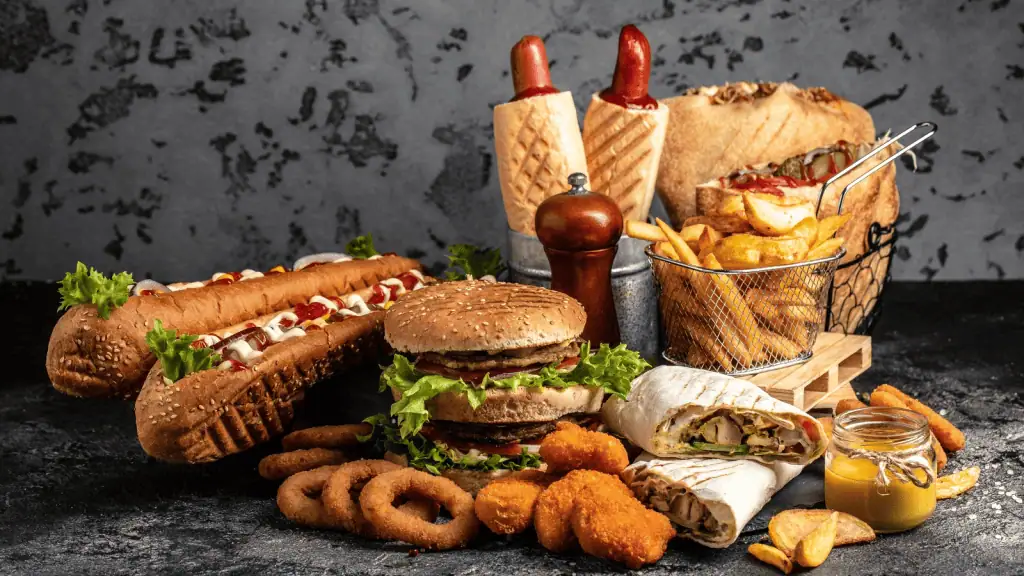
Many “new” fast-food launches are created from ingredients already in the kitchen. Chains reduce costs by remixing existing components into fresh combinations that feel exciting. This explains why some promos appear suddenly or vary by location. It’s not about reinventing recipes, it’s about smart ingredient management.
Employees Can Tell When You Order Something “Custom”
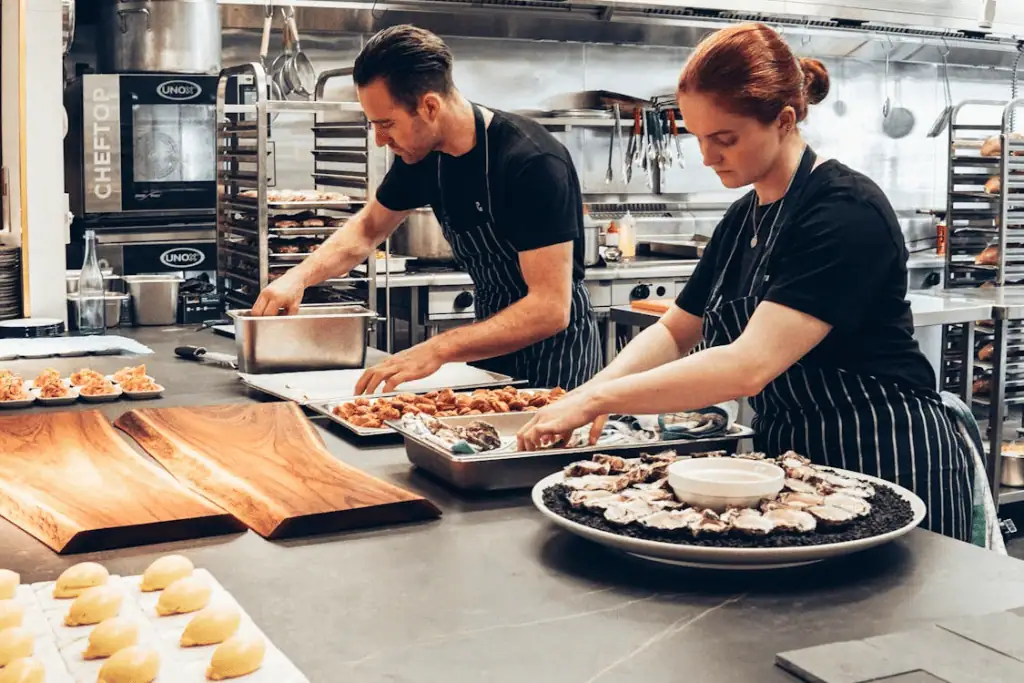
Most kitchens use touchscreens that flag custom orders in bright colors or with special alerts. Employees instantly see when someone adds or removes ingredients, which helps prevent mistakes. What customers don’t realize is that more customizations often slow the line and shift cooking workflows, but staff always sees them clearly.
Food Is Timed Down to the Minute
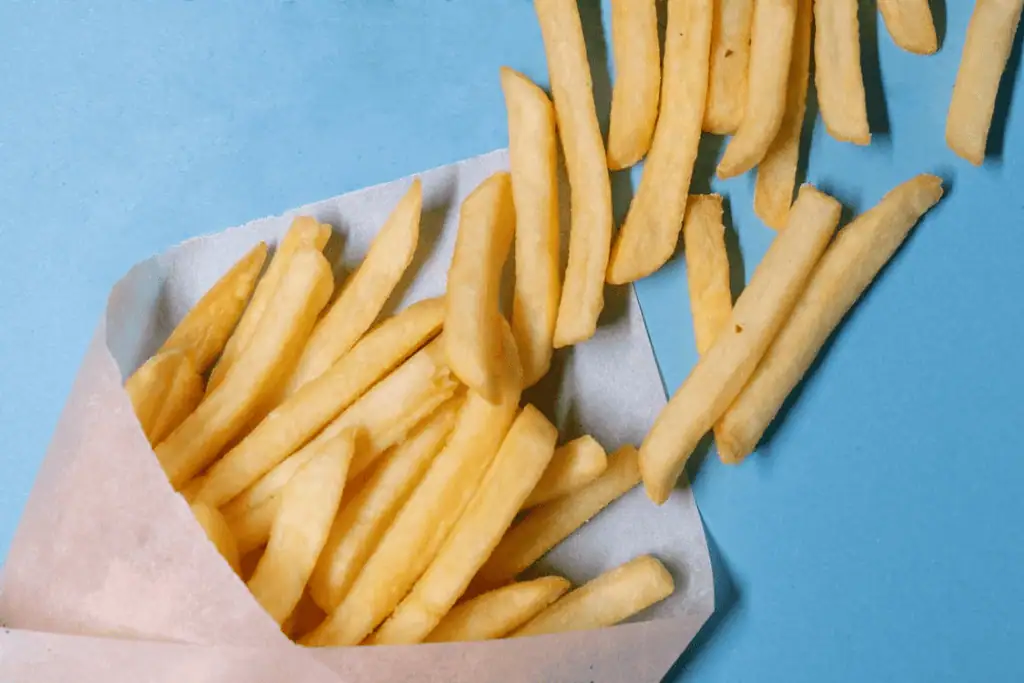
Almost every item sits under strict time tracking to maintain consistency and safety. Fries, nuggets, patties, and baked goods each have specific “discard times,” and the system alerts employees when something must be tossed. This ensures freshness, even if it means wasting food. Many customers never realize how tightly controlled the timing is.
Soda Fountain Drinks Are Huge Profit Makers
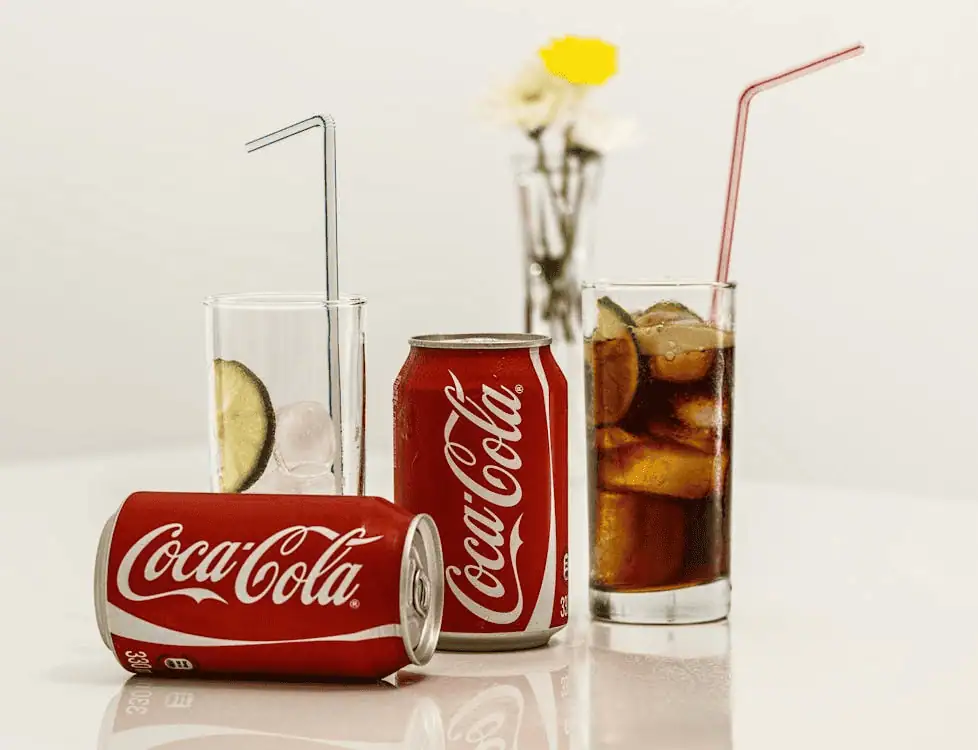
Fountain sodas cost pennies to produce, and chains make the most profit from beverages. That’s why drink upgrades, combos, and large sizes are heavily promoted. The markup is so high that even adding a drink to a cheap order significantly raises revenue. For restaurants, soda is the most valuable item on the menu.
The Breakfast Griddle Is Cleaner Than You Think
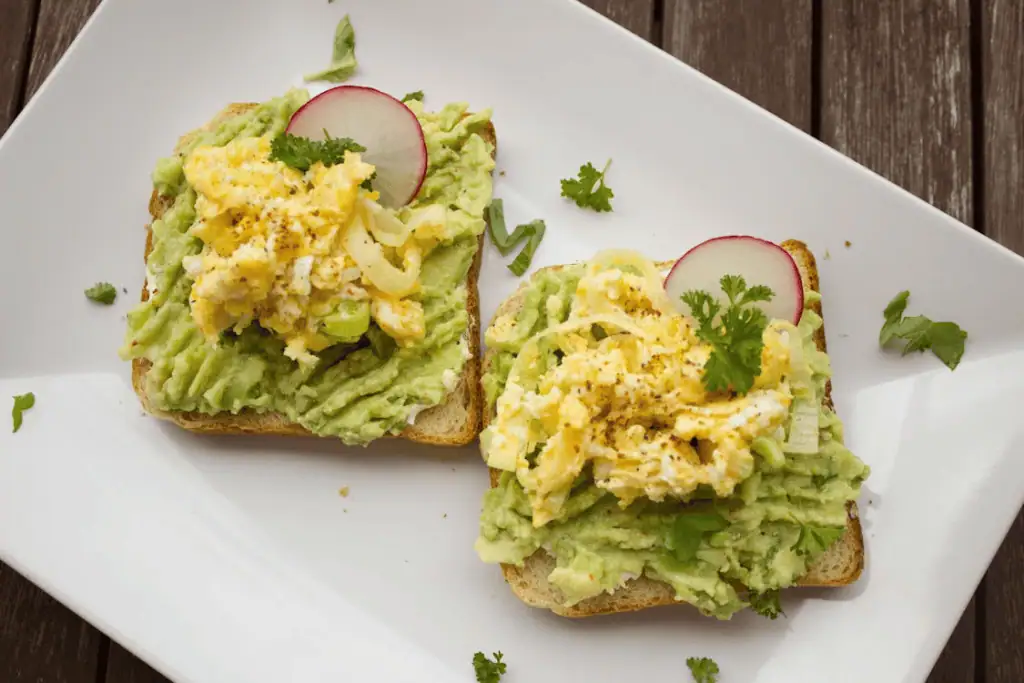
Contrary to popular myths, breakfast equipment is often cleaned more thoroughly than any other station. Because eggs and dairy require stricter sanitation, chains follow intense cleaning cycles every morning. Many customers think breakfast is messy behind the scenes, but it’s usually one of the most tightly regulated parts of the kitchen.
“Freshly Made” Doesn’t Always Mean Made to Order
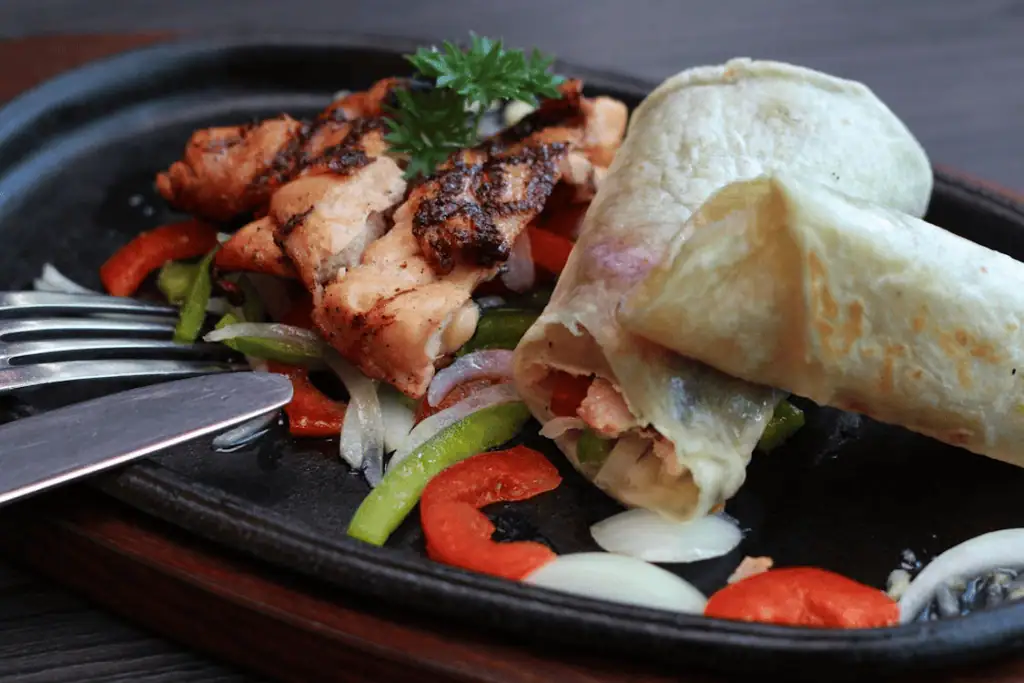
Many sandwiches, burritos, and wraps are assembled in batches and held warm until ordered. Chains use strict holding temperatures to keep food safe and consistent. It’s not technically “made to order,” but it’s made fresh enough to meet standards. This system keeps service fast while still delivering reliable quality.
Staff Discounts Influence What’s Most Popular After Hours

Employees often receive discounts or free meals during shifts, and the items they choose frequently become unofficial favorites. These choices sometimes influence future menu decisions because staff members test combinations before customers ever see them. Many secret menu items start with employee experimentation.
“Secret Menus” Aren’t Official, But Staff Knows the Hacks
Fast-food “secret menu” items aren’t official offerings, but employees recognize many viral hacks and can ring them up with ingredient modifications. Most exist because the components are already on hand. While not every location will make every hack, many staff members know exactly what you’re talking about when you order one.
