
12 Bizarre Foods People Around the World Actually Love
What’s “weird” to one culture is comfort food to another. Across the world, people enjoy dishes that challenge Western palates but carry deep cultural pride and history. These foods may raise eyebrows, but they’ve been loved for generations often celebrated for their bold flavors, rituals, and symbolism. Here are 12 unique foods that prove taste is one of the most fascinating reflections of where we come from.
Hákarl – Iceland
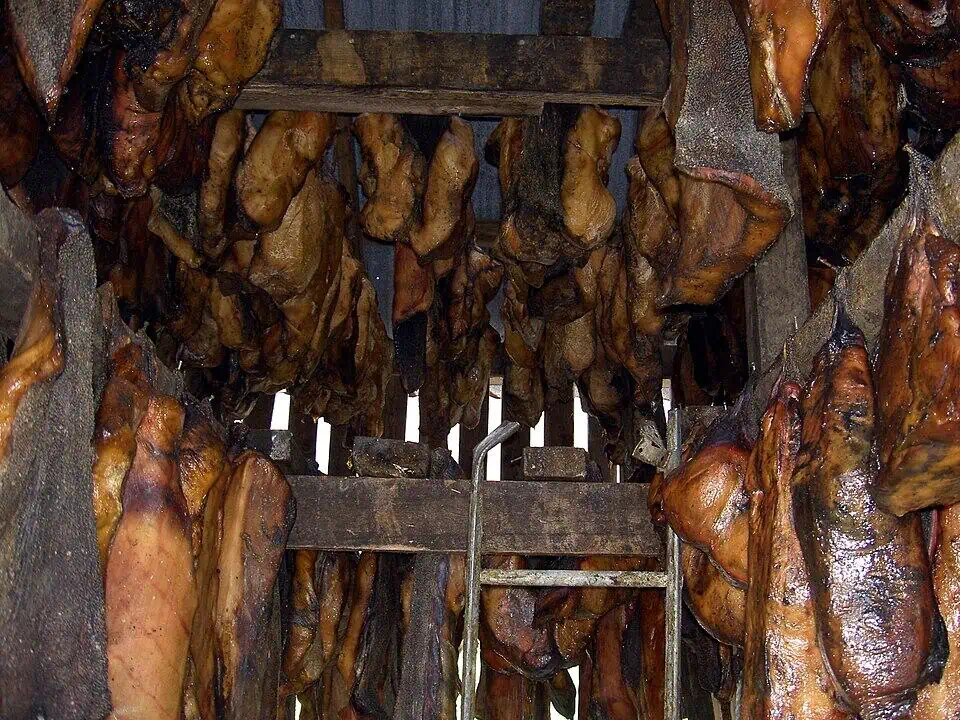
This Icelandic delicacy of fermented Greenland shark has a reputation for being one of the world’s most challenging bites. Cured and hung to dry for months, hákarl develops an ammonia-rich aroma and chewy texture. Locals often serve it with schnapps, honoring a Viking-era preservation tradition that outsiders rarely forget.
Balut – Philippines
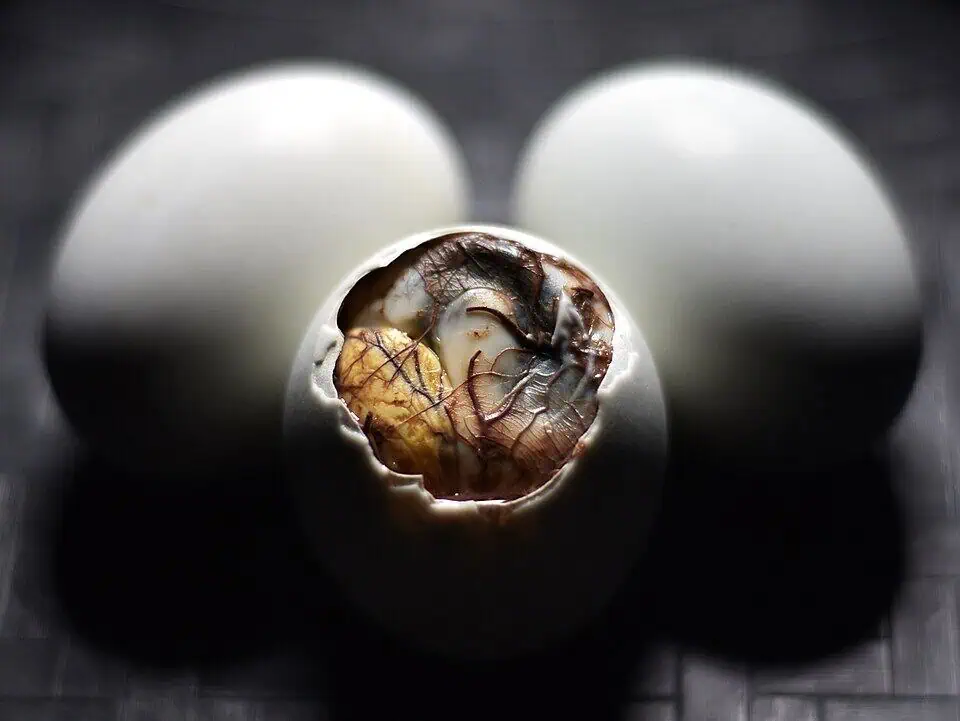
Balut is a fertilized duck egg with a partially developed embryo, boiled and eaten straight from the shell. Though visually shocking to some, it’s rich in flavor and high in protein. In the Philippines, it’s a popular street food symbolizing vitality best enjoyed with a sprinkle of salt or a dash of vinegar.
Century Egg – China
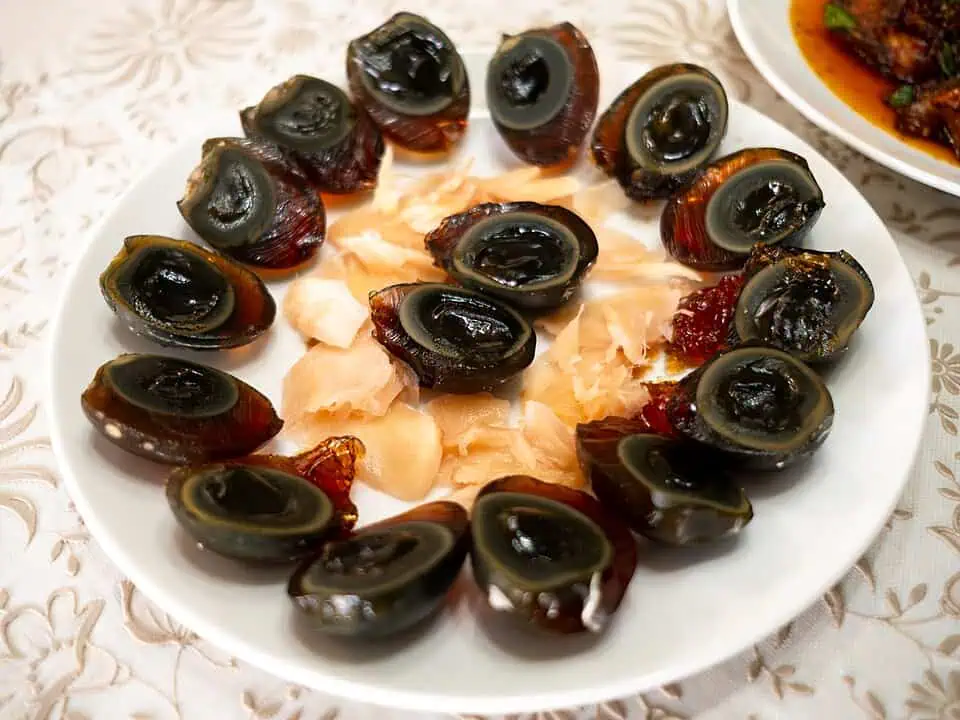
Also known as the “hundred-year egg,” this preserved duck egg turns dark green and creamy after months of curing in clay and ash. Its rich, umami flavor and custard-like yolk make it a delicacy often served with rice porridge. Despite its appearance, it’s beloved across China for its complex depth.
Casu Marzu – Italy (Sardinia)
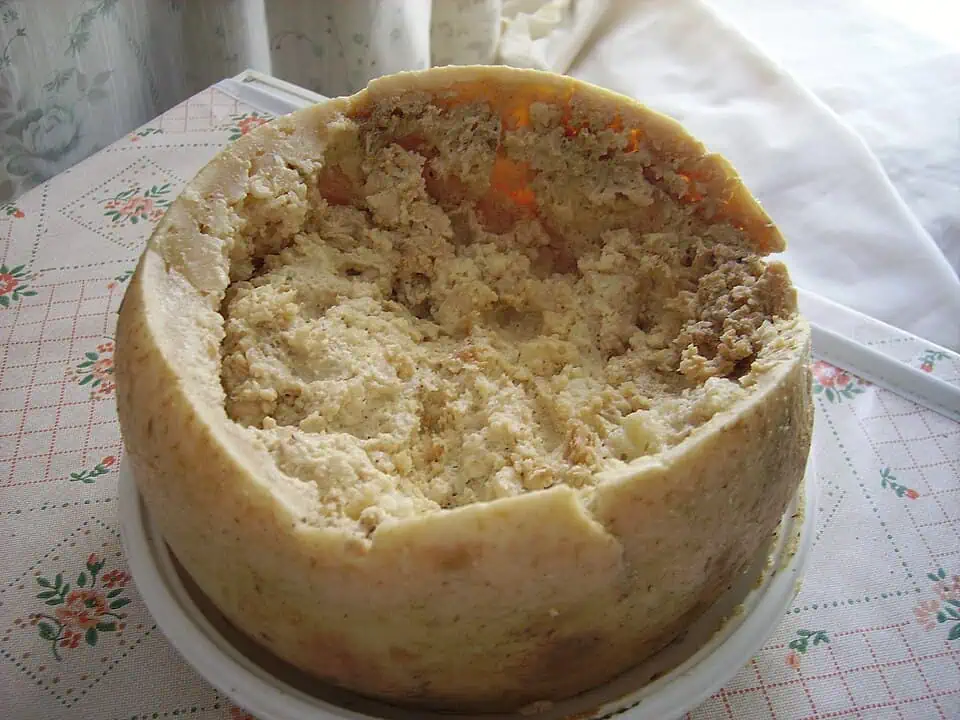
This Sardinian cheese is infamous for being fermented with live larvae, which help break down the cheese to an ultra-creamy texture. While controversial (and technically banned in some areas), locals view it as a delicacy celebrating ancient cheesemaking traditions strong, pungent, and not for the faint of heart.
Surströmming – Sweden
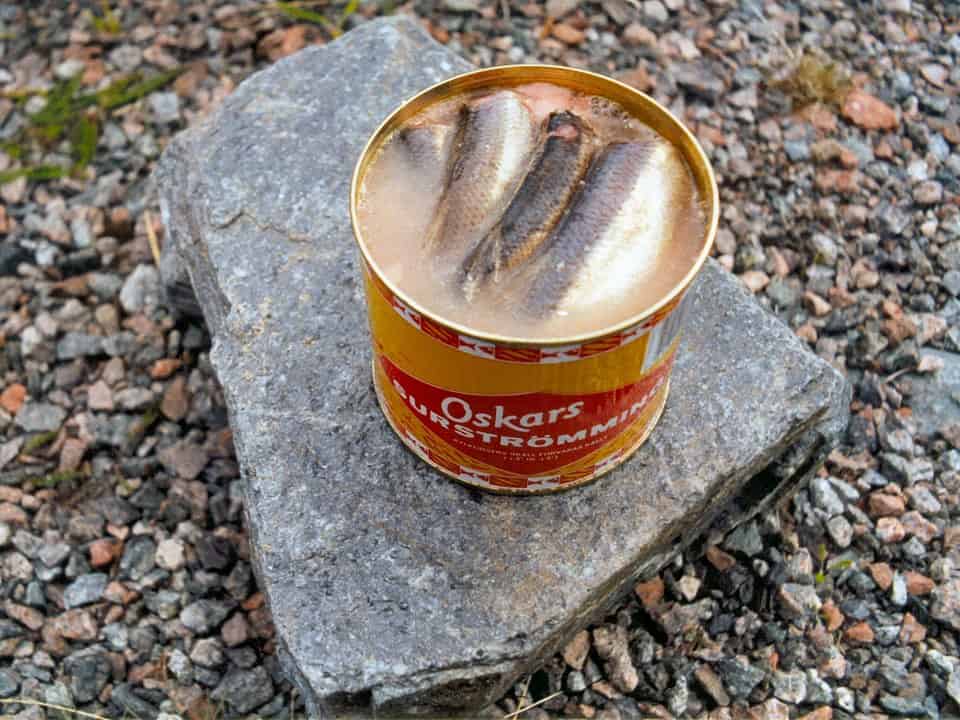
Fermented Baltic herring, known as surströmming, has an aroma so powerful it’s often eaten outdoors. The fish ferments for months, developing a sharp, sour flavor beloved by those who grew up with it. Typically served with potatoes, onions, and flatbread, it’s both a test of bravery and a badge of Swedish heritage.
Escamoles – Mexico
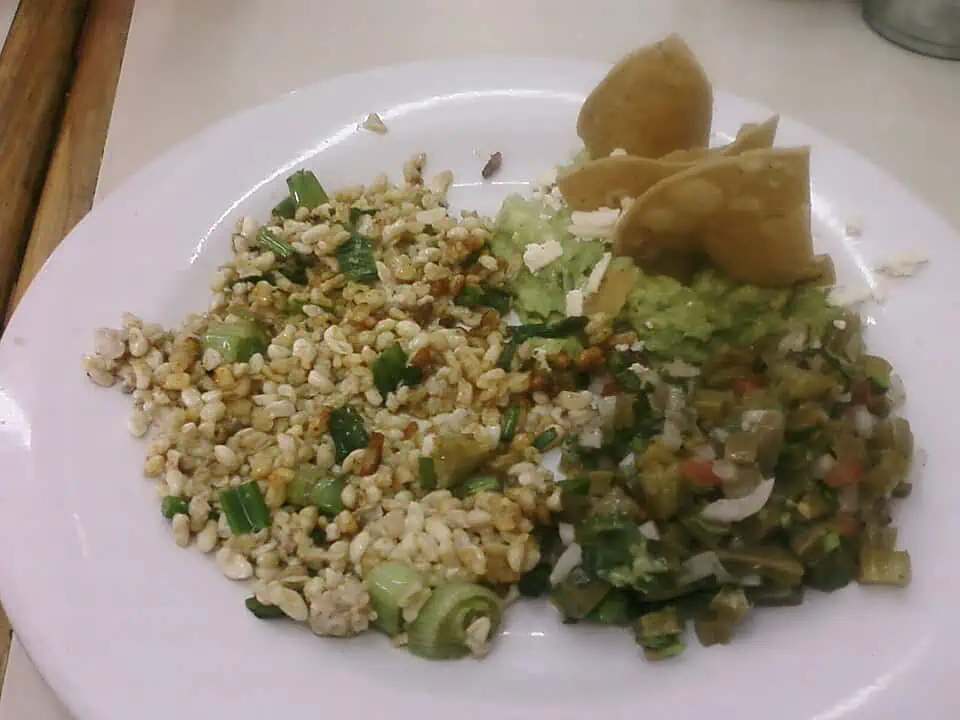
Nicknamed “insect caviar,” escamoles are ant larvae harvested from agave roots. With a nutty flavor and texture similar to cottage cheese, they’re often sautéed with butter and spices. High in protein and prized since Aztec times, this delicacy represents sustainable eating long before it became trendy.
Fugu – Japan
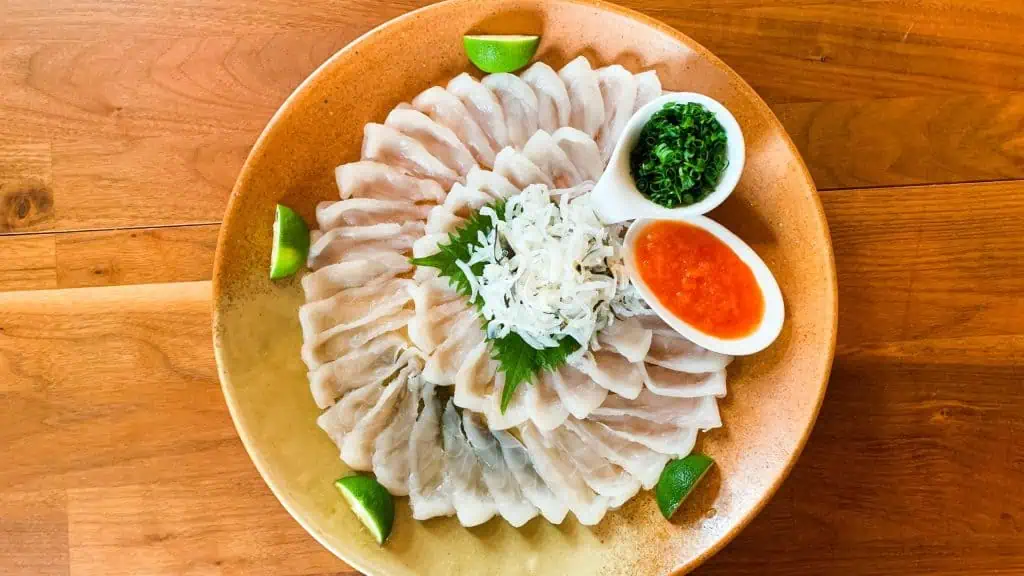
Fugu, or pufferfish, is one of the world’s most dangerous delicacies its organs contain a deadly toxin that only licensed chefs can safely remove. When prepared correctly, the fish’s delicate flavor and silky texture make it a luxury dish. Eating it is part thrill, part trust and deeply rooted in Japanese culinary mastery.
Sannakji – South Korea
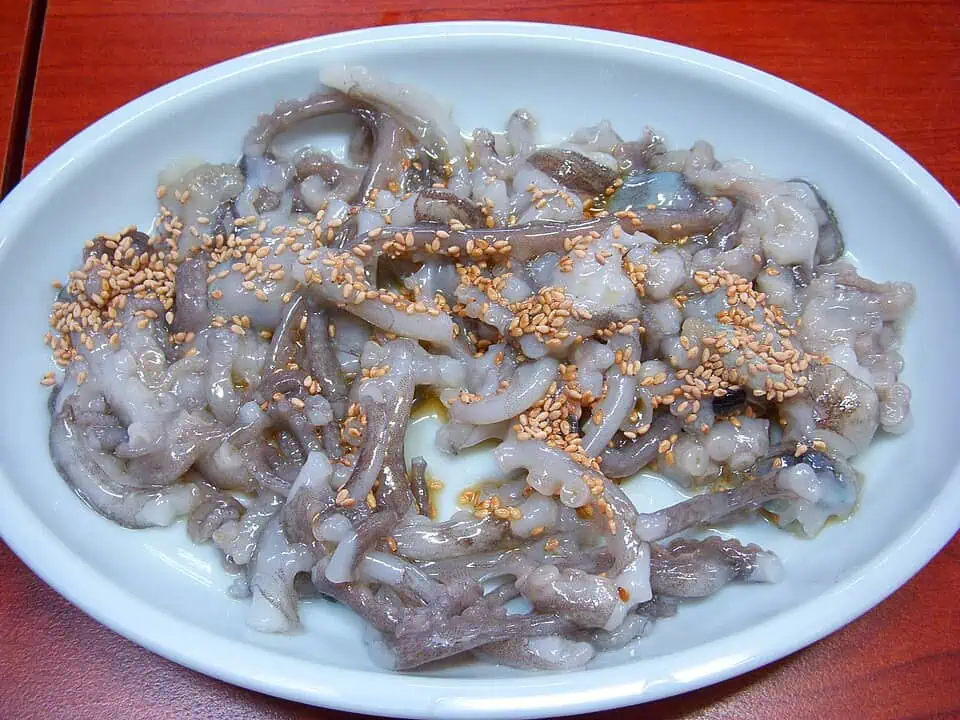
Sannakji consists of live baby octopus pieces, lightly seasoned and served still moving. The suction cups cling to chopsticks a sensory experience prized for freshness and texture. It’s eaten for its oceanic flavor and the thrill of the moment, making it one of Korea’s boldest traditional dishes.
Huitlacoche – Mexico
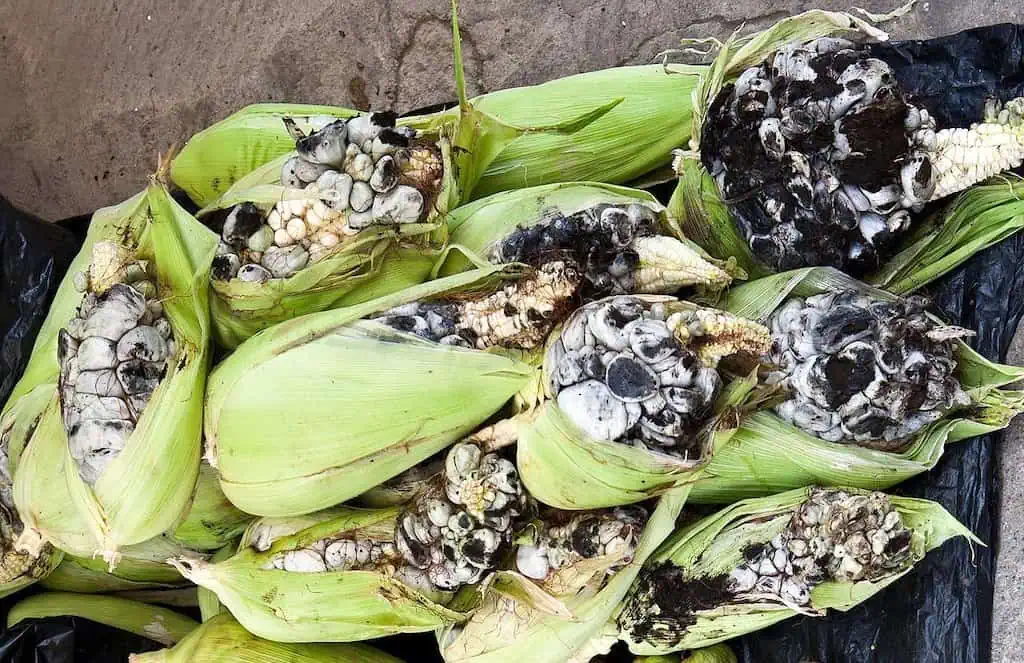
Known as “corn smut,” huitlacoche is a fungus that grows on corn kernels, turning them black and earthy. Far from a flaw, it’s a delicacy used in quesadillas and tamales, praised for its smoky, truffle-like flavor. In Mexico, it’s a seasonal treasure with both cultural and culinary prestige.
Fried Tarantulas – Cambodia
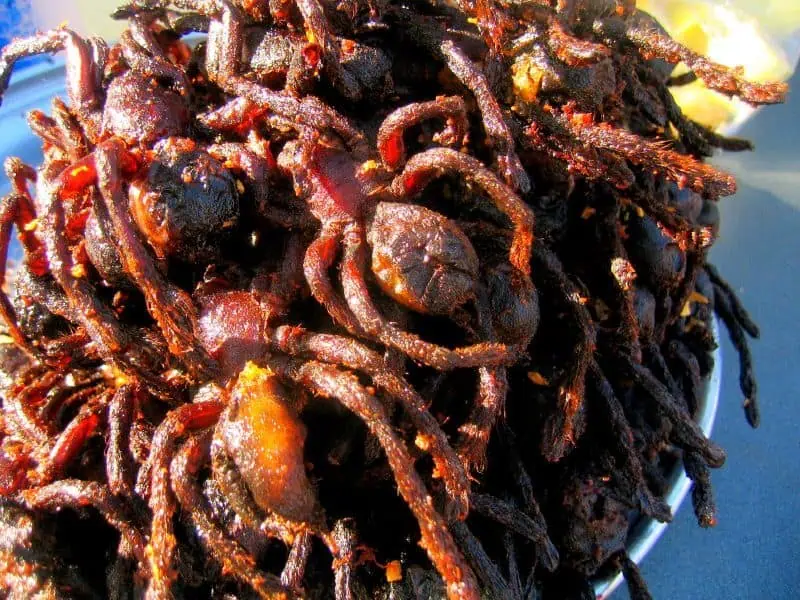
Once a survival food during hard times, fried tarantulas are now a Cambodian snack enjoyed by locals and curious travelers alike. Deep-fried with garlic and salt, they’re crispy outside and soft inside, tasting a bit like crab. Street vendors in Skuon have made them a national curiosity turned favorite.
Blood Pudding – United Kingdom & Ireland
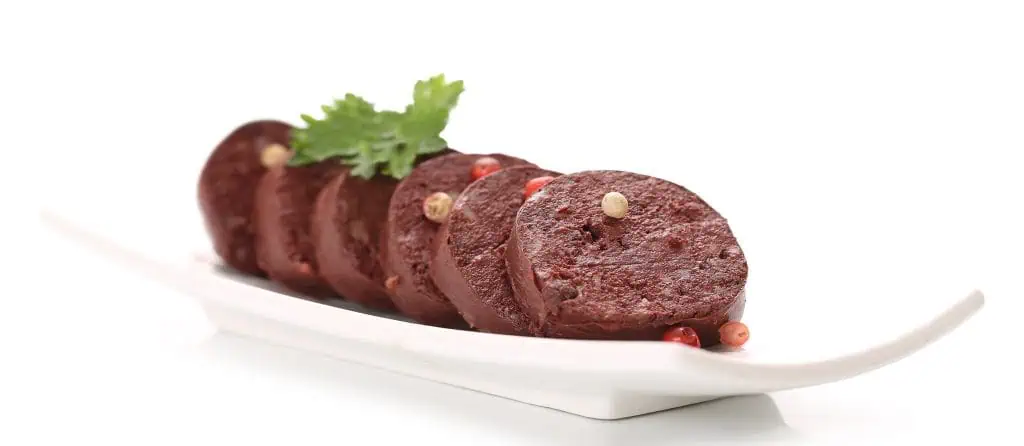
This savory dish made from pig’s blood, fat, and oats has been part of British and Irish breakfasts for centuries. Pan-fried and sliced, it’s rich, hearty, and iron-packed. What might seem unusual to outsiders is a beloved staple that represents old-world resourcefulness and flavor tradition.
Witchetty Grub – Australia
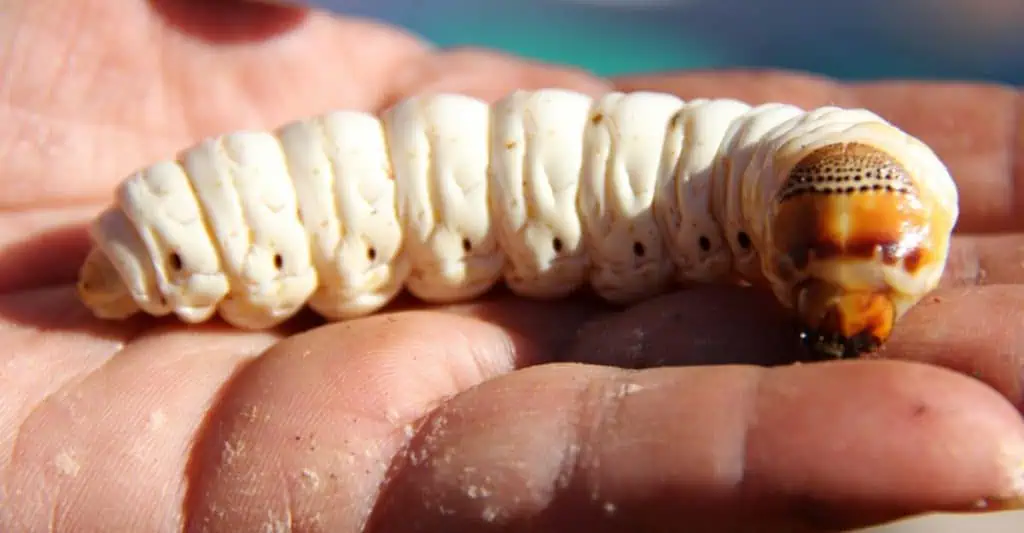
A traditional Aboriginal food, the witchetty grub is a large wood-eating larva rich in protein and nutrients. When eaten raw, it’s creamy and nutty; when roasted, it takes on a crisp skin and flavor similar to scrambled eggs. More than a curiosity, it’s a respected part of Indigenous Australian heritage.
