
The Rise of Meal Prepping: How It Evolved and What It Says About Modern Life
Meal prepping has become a staple in contemporary eating habits, offering a practical solution to nourish busy lives. By preparing multiple meals in advance, individuals can save time, reduce stress, and ensure consistent nutritional quality. This practice speaks to modern priorities, emphasizing efficiency and resourcefulness in daily routines. As meal prepping gains traction, it reflects the evolving relationship between food, convenience, and lifestyle, aligning with the fast-paced demands of modern society.
Origins: From Bodybuilders to Pros

Meal prepping initially gained popularity among bodybuilders seeking to optimize nutrition and maintain rigorous dietary regimens. By standardizing meals, they could precisely control macro-nutrient intake, crucial for muscle growth and recovery. As its benefits became apparent, meal prepping expanded beyond the fitness world. Professionals and daily cooks adopted this method to streamline cooking while maintaining a balanced diet, showcasing its versatility and broader appeal.
Pandemic Shift: Cooking as a Lifestyle

The global pandemic prompted a renewed focus on home cooking, highlighting meal prepping as an essential tool for managing household needs. With increased time at home and the desire for stability, many embraced prepping as a way to ensure meals were readily available. This shift not only met practical demands but also encouraged culinary exploration, allowing individuals to plan and prepare diverse, nutritious meals while minimizing trips to the store.
Efficiency: Modern Life’s Demand for Prep

In our fast-paced world, efficiency often governs meal choices. Meal prepping addresses this by offering a structured approach that minimizes daily preparation time. By dedicating a few hours each week to organize meals, individuals can enjoy freedom from daily culinary tasks, reducing food waste and optimizing resources. This systematic approach caters to the modern need for convenience without sacrificing quality or nutrition.
Social Media’s Role in Meal Prep Trends

Social media platforms have significantly influenced the rise of meal prep trends, offering inspiration and guidance. Home cooks share visually appealing prep ideas that not only highlight creativity but also provide practical solutions. Through vibrant photos and engaging videos, users showcase diverse cuisines, techniques, and time-saving tips, fostering a community of meal preppers who continuously exchange innovative concepts, making the practice both accessible and appealing.
Psychology: Planning Every Bite

Meal prepping taps into a psychological need for control, offering an organized approach to daily nutrition. It involves creating a structured plan, aligning with personal goals and dietary preferences. This process reduces decision fatigue by eliminating the last-minute scramble of meal choices, replacing chaos with calm. Additionally, it encourages mindfulness, allowing you to focus on portion sizes and ingredient quality. The act of preparing meals in advance instills a sense of accomplishment and stability, fostering a positive relationship with food.
Sustainability: Reducing Waste with Prep

Meal prepping contributes significantly to sustainability by minimizing food waste. By planning and purchasing only what’s necessary, it ensures that ingredients are used efficiently. This approach aligns with the growing awareness of environmental impact, as each prepped meal reflects careful consideration of resources. Reusable containers and thoughtfully portioned ingredients further emphasize eco-friendliness. Embracing meal prep is an actionable step towards reducing individual carbon footprints, promoting a sustainable kitchen culture.
Time and Health: Meal Prep’s Reflection
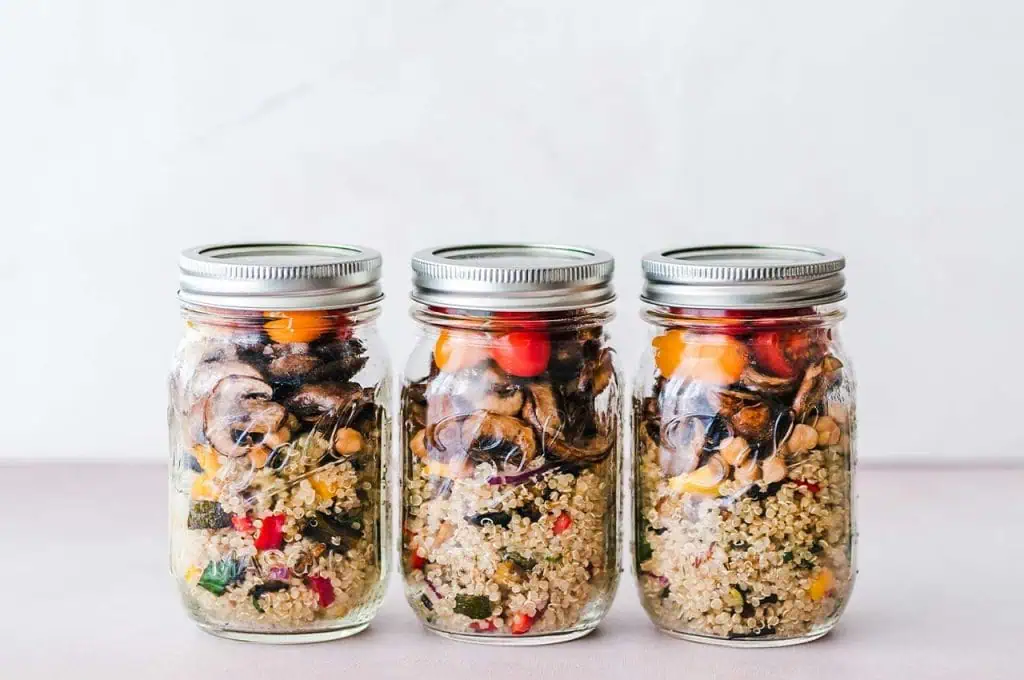
The relationship between time and health is at the core of meal prepping. By dedicating a few hours a week to preparation, individuals reap the benefits of home-cooked meals without daily time investment. This convenience supports healthier eating habits, as balanced meals are readily available, reducing reliance on fast food. The structured routine promotes consistent calorie control and nutrient intake. Meal prepping empowers people to prioritize their well-being, reflecting a broader awareness of lifestyle management.
Rise of Meal Prep Services

Meal prep services have surged in popularity, offering convenience without compromising quality. These services curate meal plans tailored to specific dietary needs, simplifying the cooking process for busy individuals. The variety of choices caters to diverse tastes, ensuring inspiration and novelty in everyday meals. Subscription models provide flexibility, allowing adjustments based on nutritional goals. Such services emphasize fresh, high-quality ingredients, demonstrating how modern life values both time efficiency and culinary satisfaction.
Beyond Fitness: Families and Wellness

While meal prepping is often associated with fitness enthusiasts, its benefits extend to family wellness. Preparing meals in bulk encourages family members to share responsibilities, fostering a collaborative kitchen environment. It ensures that nutritious, home-cooked meals are consistently available, supporting dietary needs across all ages. Meal prepping helps busy families maintain healthy eating habits despite packed schedules, promoting a culture of mindfulness and health awareness. This practice nurtures well-being beyond individual fitness goals.
Meal Prepping’s Future: Here to Stay?
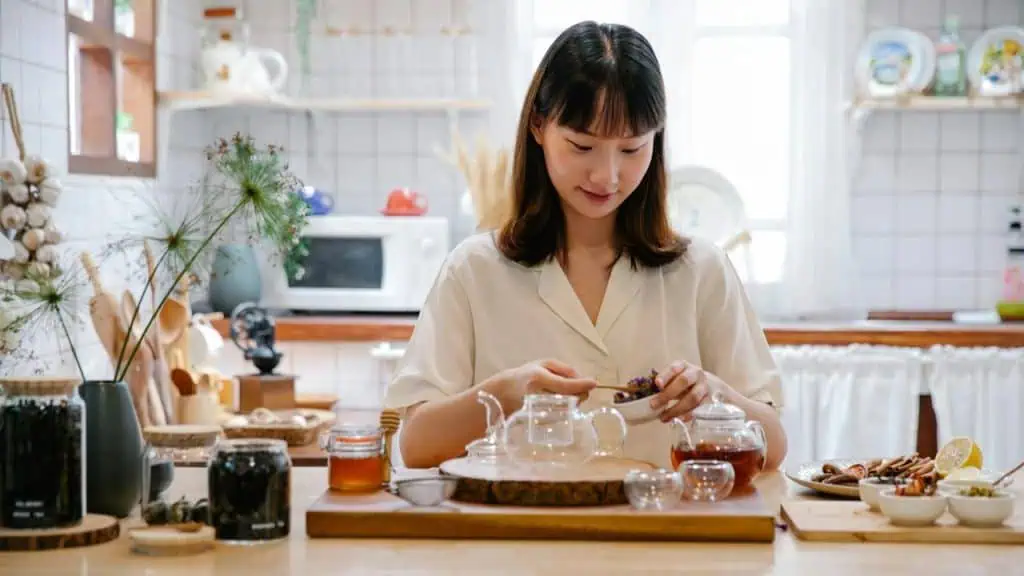
The practice of meal prepping is poised for continued growth as busy lifestyles demand efficient solutions. Enhanced by technological advancements, such as smart kitchen gadgets and meal-planning apps, meal prepping streamlines daily nutrition management. With an increasing focus on health and sustainability, individuals gravitate toward preparing balanced meals in advance, reducing food waste and costs. The practice also supports diverse dietary preferences and time-saving strategies, ensuring its relevance and appeal. The demand for convenience, coupled with a desire for home-cooked quality, suggests that meal prepping will remain a staple in modern culinary habits.
