
Tracing Kimchi’s Evolution: From Cultural Icon to Viral Trend
Kimchi, the spicy, tangy fermented dish from Korea, has come a long way from its origins as a simple method of preserving vegetables. Today, it’s more than just a side dish it’s a culinary and cultural phenomenon. Over centuries, kimchi has transformed from a symbol of Korean heritage into a viral food trend embraced around the world. Its rise mirrors the growing global appetite for bold flavors, gut-healthy foods, and authentic traditions that connect culture to cuisine.
Ancient Roots of Preservation

The earliest versions of kimchi date back nearly 3,000 years, when Koreans began fermenting vegetables in earthen jars to survive harsh winters. Back then, the dish was mild and salty, without the chili peppers that define it today. According to food historians, red chili powder didn’t enter Korean cooking until the late 16th century after being introduced from the Americas. That change forever reshaped kimchi’s identity transforming it into the spicy, vibrant food we recognize today, rich in both color and character.
Kimchi as a Cultural Symbol
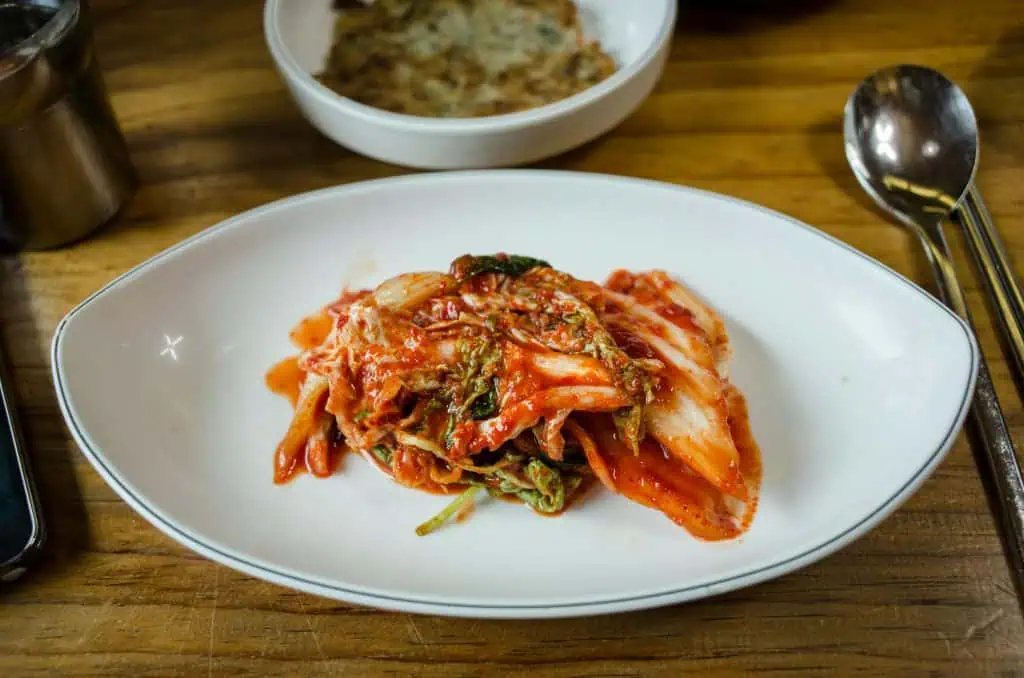
In Korea, kimchi isn’t just food, it’s part of the nation’s soul. Nearly every household has its own recipe, passed down through generations, reflecting regional differences and family tastes. The communal act of “kimjang” making and sharing large batches of kimchi before winter was recognized by UNESCO in 2013 as an Intangible Cultural Heritage. Beyond the kitchen, kimchi represents resilience, community, and the Korean spirit of adaptation, bridging past and present through shared flavor and tradition.
The Global Rise of Kimchi
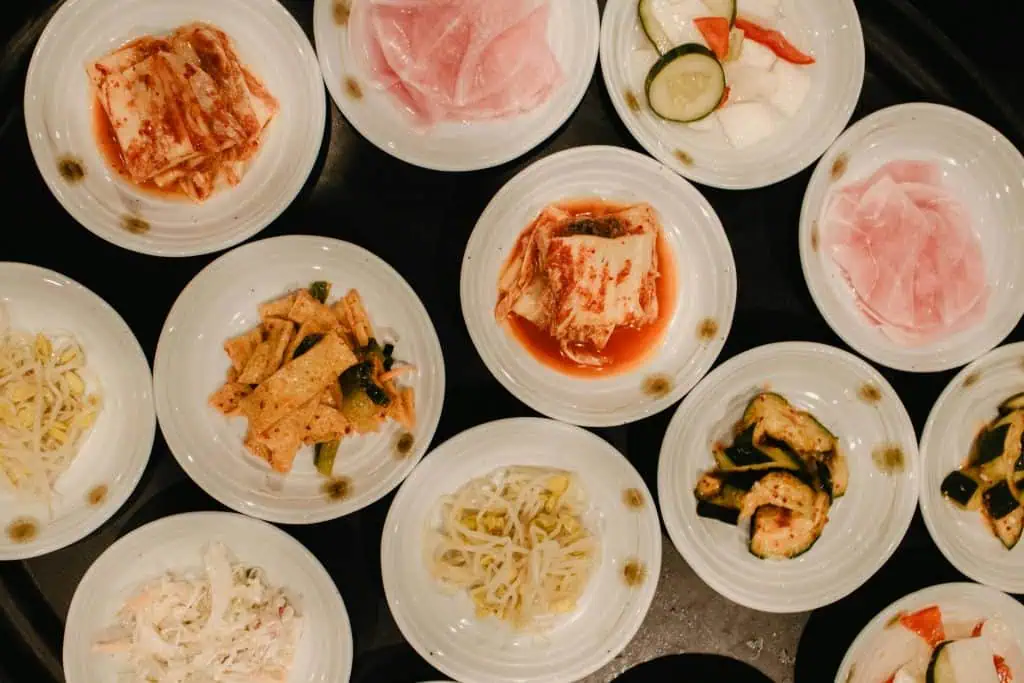
Kimchi began gaining international recognition in the 1990s, riding the wave of K-pop and K-dramas’ growing influence. As Korean culture spread globally, so did its food. Restaurants around the world started featuring kimchi pancakes, kimchi fries, and even kimchi burgers. The rise of social media further fueled its popularity. Hashtags like #kimchi now boast millions of posts showcasing creative recipes. What was once a niche dish has become a global favorite, celebrated for its taste and probiotic benefits.
Health Benefits That Sparked Modern Interest
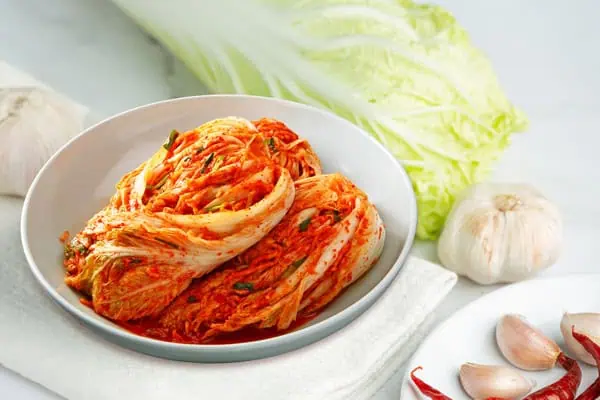
The surge in kimchi’s popularity isn’t only cultural it’s scientific too. Studies published in journals like Frontiers in Microbiology highlight kimchi’s probiotic properties, showing how its lactic acid bacteria support gut health and immunity. Rich in vitamin C, beta-carotene, and fiber, kimchi aligns perfectly with modern wellness trends. Dietitians often refer to it as a “functional food,” meaning it nourishes both body and microbiome. This health halo has helped kimchi find its way from traditional tables to modern supermarket shelves.
Kimchi in Pop Culture and Social Media
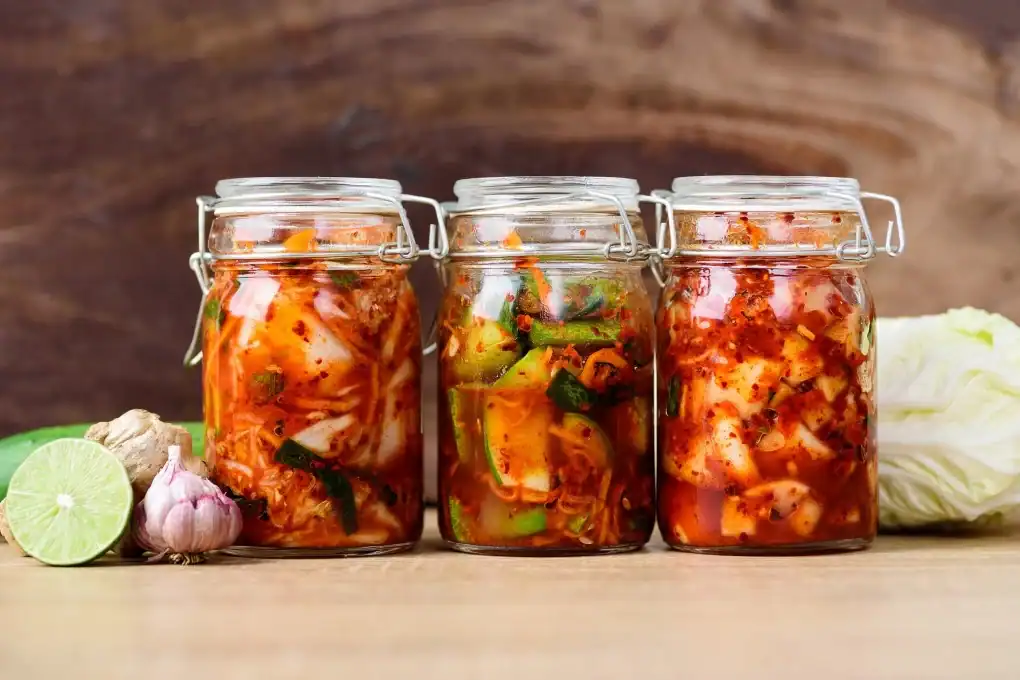
Kimchi’s latest evolution has been driven by digital culture. On TikTok, Instagram, and YouTube, creators share everything from homemade recipes to kimchi-based experiments like grilled cheese sandwiches or ramen bowls. Korean-American chefs such as Roy Choi and Maangchi have played key roles in popularizing it for global audiences. The visual appeal of the dish, fiery red color, bubbling fermentation, and satisfying crunch make it a natural fit for viral food content.
Reinventing Tradition in Modern Kitchens

Despite its global fame, kimchi’s heart remains rooted in tradition. Modern chefs now experiment with ingredients like kale, mango, or even Brussels sprouts, putting new spins on old recipes. Restaurants in Los Angeles, London, and Seoul alike are fusing kimchi into tacos, pizzas, and pasta. Yet, even with all its creative adaptations, the essence of kimchi, its fermentation, spice, and community spirit, stays unchanged. It’s proof that tradition can evolve without losing authenticity.
