
12 Chef-Approved Secrets for Perfect Pan Sauces
Creating the perfect pan sauce elevates any dish from ordinary to extraordinary. These sauces capture rich flavors developed during cooking, transforming them into a silky, cohesive accompaniment. Our 12 chef-approved secrets reveal essential techniques that ensure each step enhances taste and texture, making your sauces the star of the meal. Embrace these methods for accessible, professional-quality results.
Master the Art of Fond Creation

Fond forms as you cook proteins like chicken or steak. These caramelized bits, rich in flavor, are key to exceptional pan sauces. Use moderate heat to ensure these deposits develop gradually without burning. A flat, heavy-bottomed pan promotes even browning, aiding fond formation. After searing, let the meat rest; this allows juices to redistribute, laying the groundwork for a deeply flavorful sauce.
Preserve Every Precious Drop
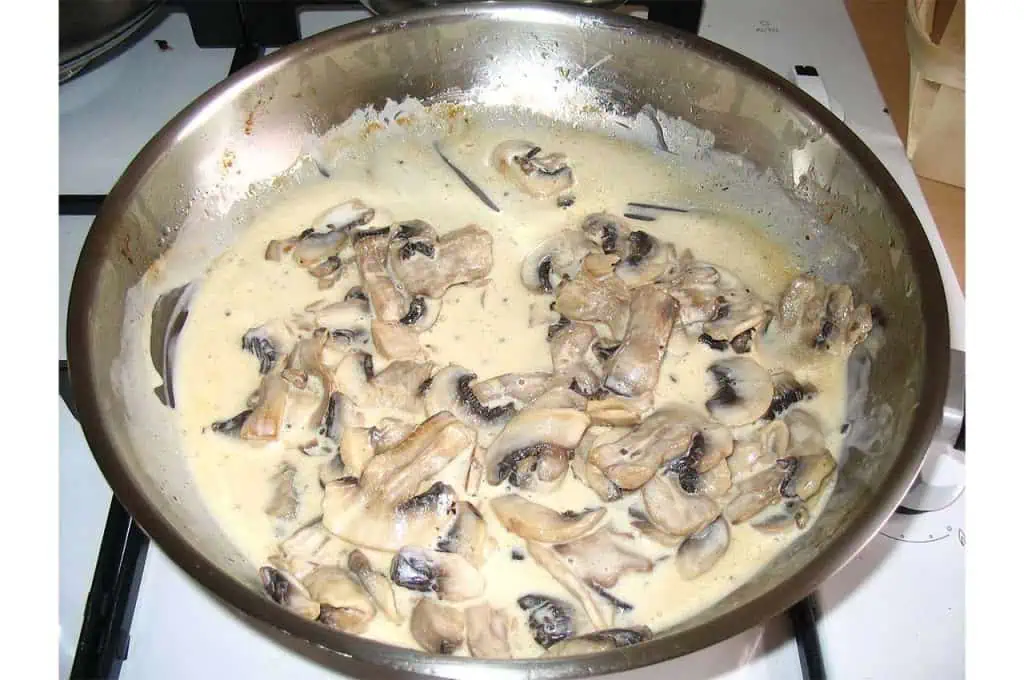
Retention of every drop enhances sauce flavor. Once fond forms, remove excess fat carefully, leaving just enough for balance. Tilt the pan slightly for control, then blot carefully with a paper towel. This method prevents greasiness while preserving concentrated flavors. Later, when adding stock or other liquid, use a spatula to scrape and dissolve these flavorful bits, maximizing depth.
Sweat Shallots Without Browning

Shallots add depth with subtle sweetness. To sweat them, start with medium-low heat and a touch of butter or oil. Stir frequently, allowing moisture to evaporate gently. This process softens shallots, releasing natural sugars without browning. Maintaining gentle heat ensures a delicate balance, enhancing your sauce with a nuanced, aromatic base that complements rather than overwhelms.
Choose Deglazing Liquid Like a Pro

Deglazing unlocks fond flavors, melding them into your sauce. Wine adds acidity and complexity; white for lighter sauces, red for robust, earthy ones. Vermouth offers depth without overpowering. Broth enriches sauces with savory base notes. Selecting the right liquid sets the sauce tone, elevating dishes with carefully layered flavors. Add liquid steadily, stirring to dissolve fond seamlessly.
Scrape Every Bit of Flavor
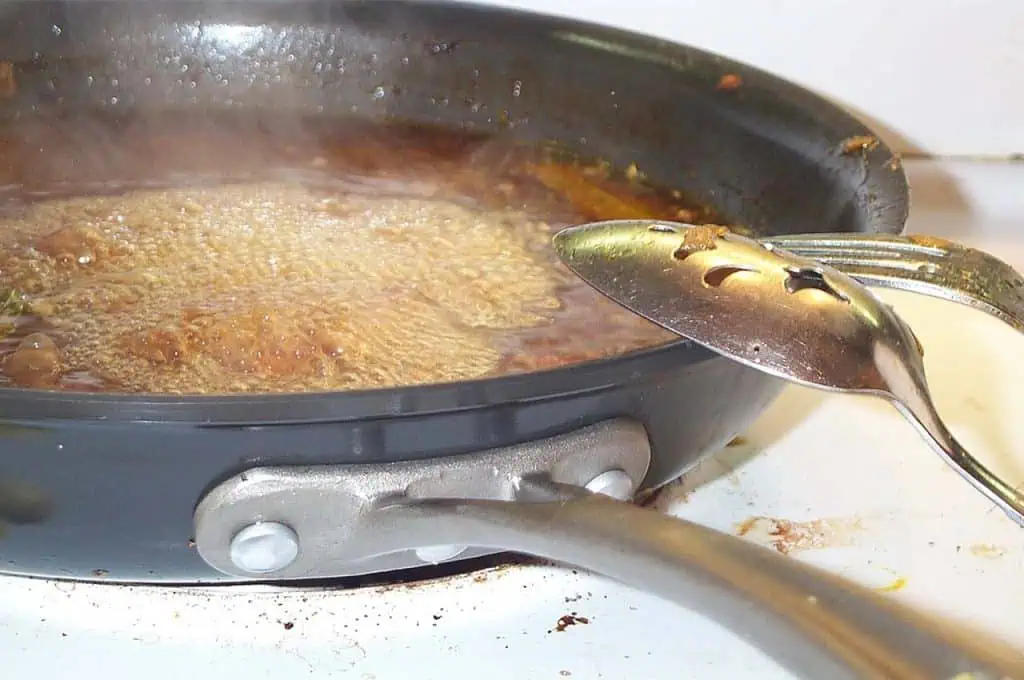
When crafting a pan sauce, begin by deglazing the pan to capture the depth of browned bits left from searing. Use a wooden spoon to gently scrape the fond as the liquid is added. Opt for a splash of wine or broth, which will dissolve these caramelized morsels, enhancing the base of your sauce. Ensure the pan is not overcrowded initially, as this hinders browning, making scraping less effective. This technique builds a layered flavor profile that’s central to a rich, velvety sauce.
Reduce Without Over-Concentrating
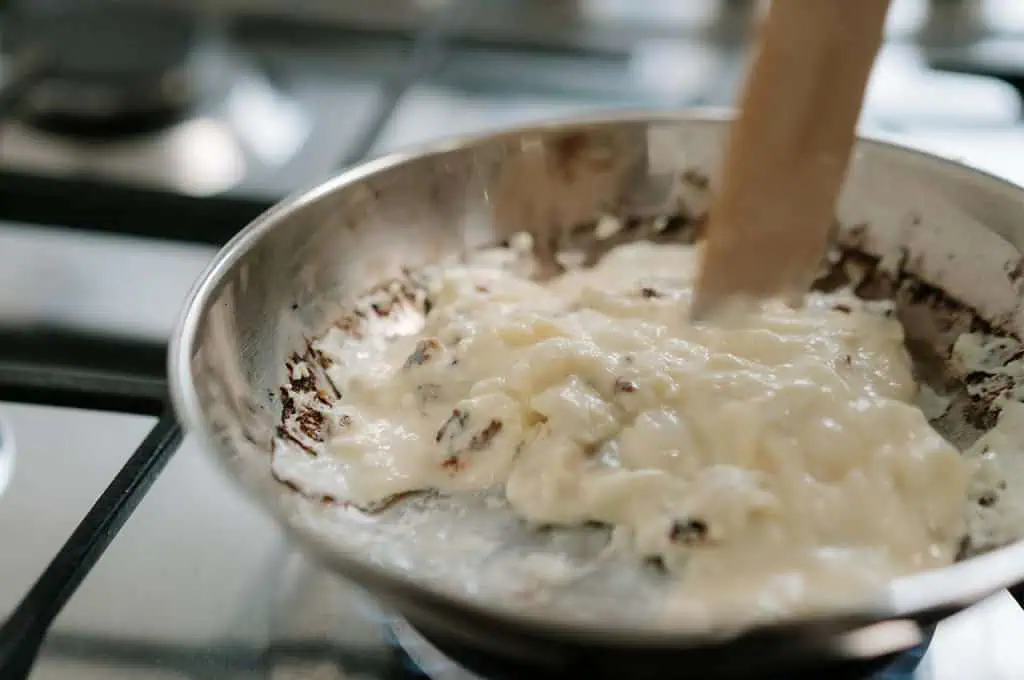
Reducing a sauce enhances its flavors, but it’s important to monitor the process to prevent over-concentration. As the liquid reduces, taste for balance; flavors will intensify, so pause reduction when reaching desired strength. A reduction that’s too thick can become cloying or overpowering. Utilize a wide pan for faster evaporation and increase surface exposure. Aim for a consistency that coats the back of a spoon, ensuring your sauce retains complexity without overpowering the dish.
Add Stock at the Right Moment
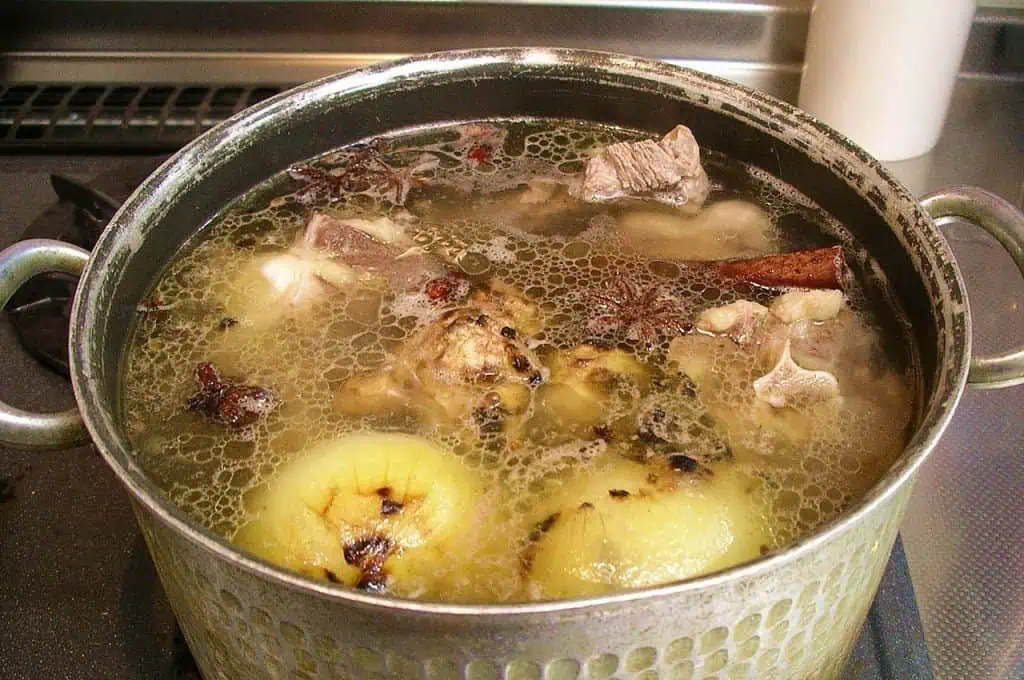
Incorporating stock at the right time ensures depth without dilution. Add stock slowly after initial deglazing, allowing it to absorb the flavor of the fond. Continue simmering to meld the stock with reduced liquid from ingredients like wine or vinegar. Chicken or vegetable stock are versatile choices, imparting savory undertones. Wait until early reduction stages, complementing and elevating rather than masking other flavors. Achieving harmony in these additions ensures a well-rounded, aromatic sauce.
Master Monter Au Beurre

Monter au beurre, or ‘mounting with butter,’ enriches sauces with a silky finish. Add butter in small, cold cubes at the end of cooking, off the heat. Stir continuously to emulsify the butter without melting too quickly, which prevents separation. This step lends creaminess and shine, transforming consistency and enhancing taste. Use unsalted butter for greater control over seasoning. Mastery of this technique turns a simple sauce into an elegant complement, showcasing culinary finesse.
Cold Butter for Emulsification

Using cold butter as an emulsifier stabilizes sauces, creating a smooth finish. Incorporate butter off the heat in small increments, gently whisking to combine. The gradual melting integrates the butter evenly, avoiding a greasy texture. This method balances sauce consistency and flavor, lending a glossy, cohesive appearance. Ensure your pan is not too hot, which risks breaking the emulsion. Cold butter not only thickens but polishes sauces, transforming texture into a velvety indulgence.
Prevent Sauce Separation
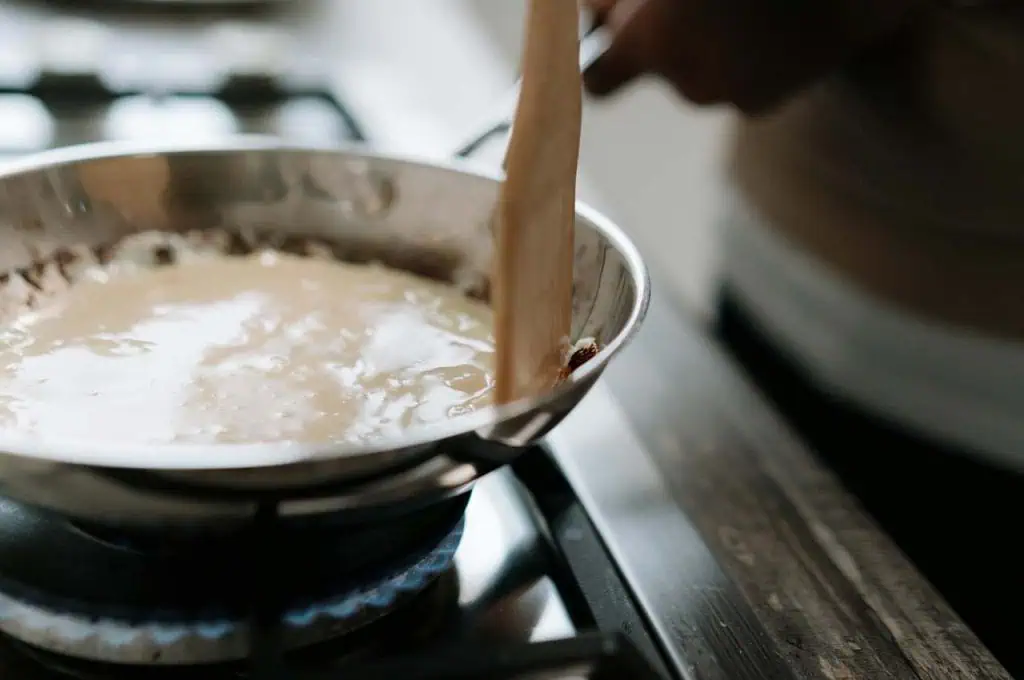
To prevent sauce separation, begin by creating a solid emulsion. Start with the base fat, such as butter or olive oil, and slowly whisk in the liquid components. Maintain a constant, moderate heat to avoid rapid boiling, which can break emulsions. Adding a spoonful of mustard or a bit of heavy cream can help stabilize. Avoid overheating and use a whisk consistently to keep the sauce amalgamated. This ensures a smooth, cohesive texture that clings beautifully to your dish.
Season at the End
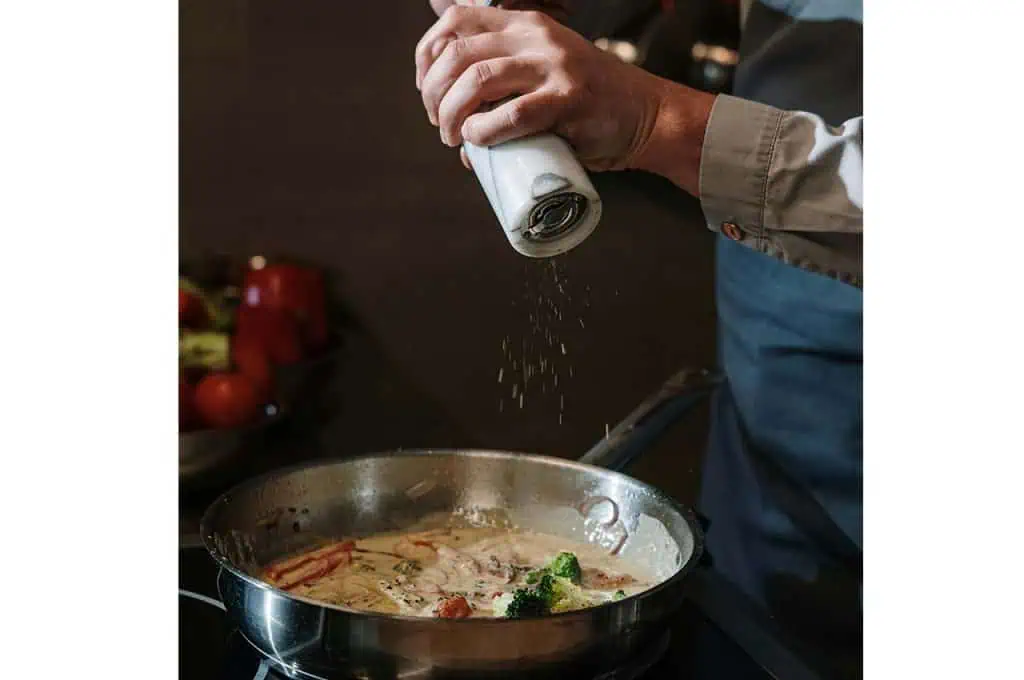
Seasoning at the end allows you to taste the completed flavors before adding salt or other spices. As simmering reduces the sauce, flavors concentrate, and this may alter their initial intensity. Add your salt, pepper, or any fresh herbs at the last moment, adjusting to taste. This prevents over-seasoning and ensures that the finished sauce complements your dish without overpowering delicate components.
Add Fresh Elements Before Serving
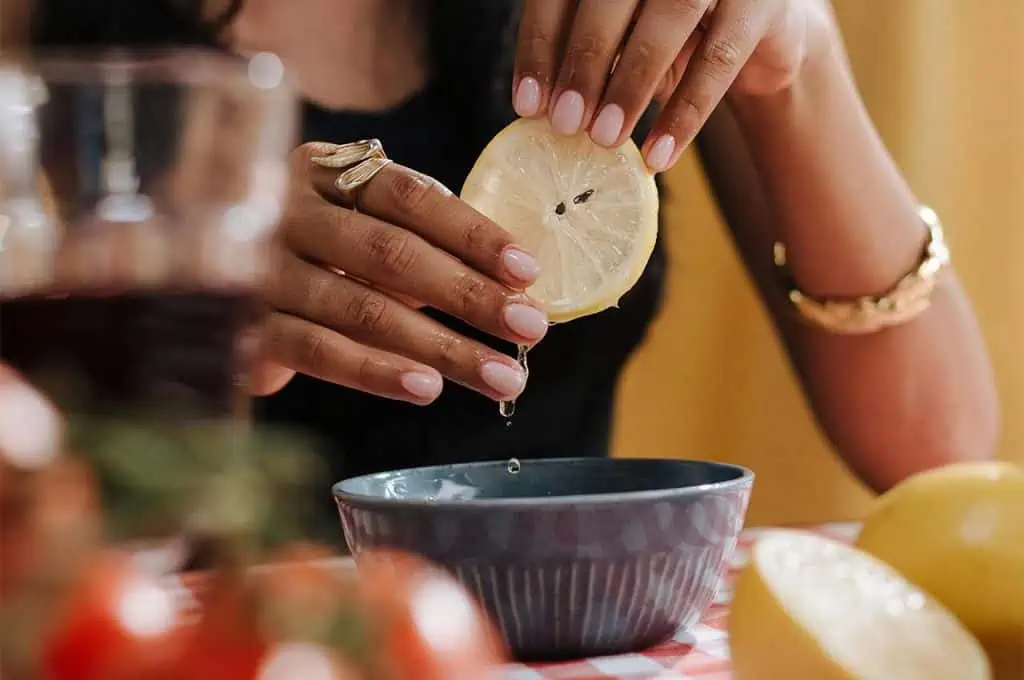
Introduce fresh elements just before serving to enhance flavor and texture. A splash of citrus juice or a handful of herbs can brighten and enliven the sauce. Incorporate these ingredients off the heat to maintain their vibrant flavors and aromas. This final touch adds layers of complexity and a burst of freshness, elevating your pan sauce from pleasing to exceptional.
