
10 Chef Tricks That Instantly Improve Your Cooking
Great cooking isn’t just about following recipes; it’s about mastering the techniques chefs use to create depth and balance in their dishes. Professional chefs rely on small but powerful techniques that alter how flavors develop, how textures are achieved, and how meals are presented. By learning these methods, home cooks can instantly elevate everyday meals into something restaurant quality, making even simple ingredients shine.
Master the Art of Seasoning
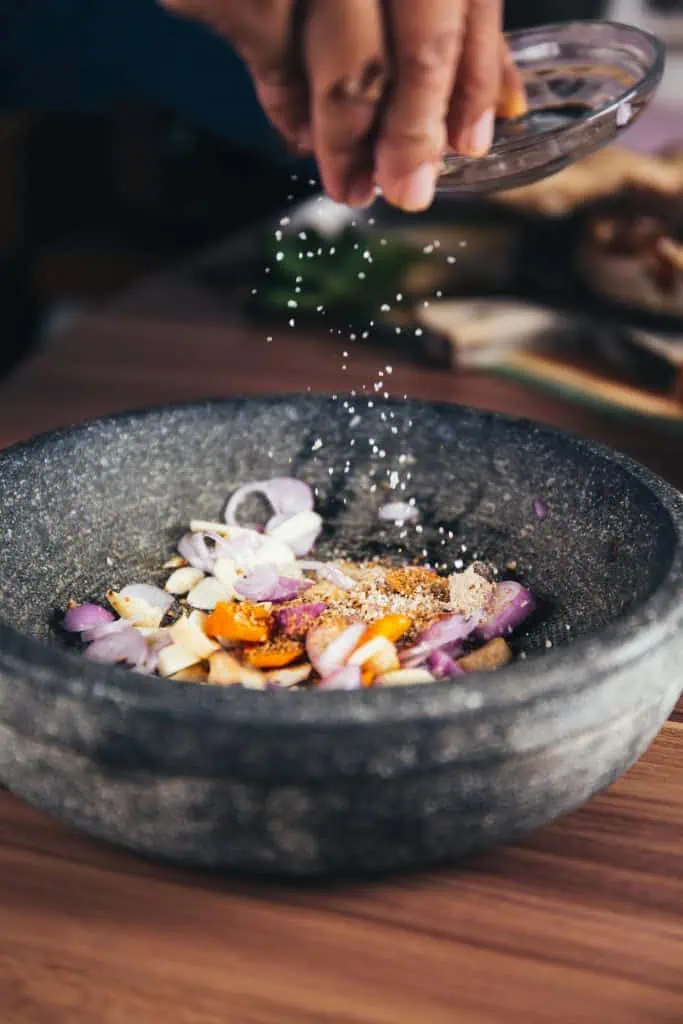
Salt doesn’t just make food taste salty; it enhances and deepens natural flavors. Chefs add small amounts throughout the cooking process rather than dumping it in at the end, which builds layers of flavor. Freshly cracked black pepper, finishing salts, and even a sprinkle of acid like lemon juice can transform a dish from flat to vibrant. Seasoning in stages ensures that every bite tastes balanced and complete.
Use Sharp Knives
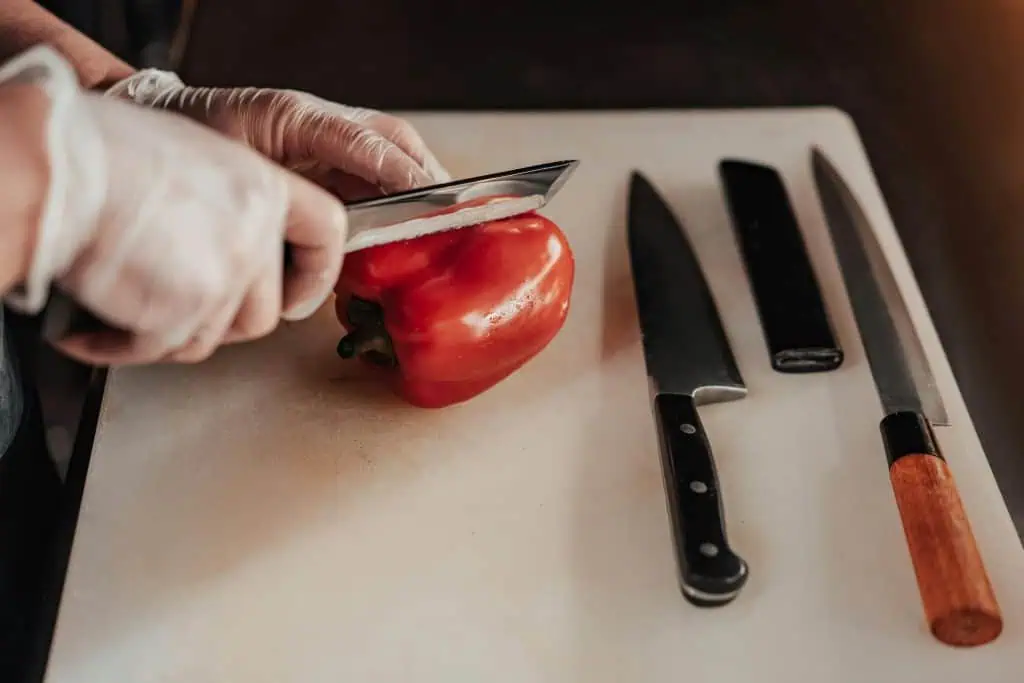
Chefs say a sharp knife is a cook’s most important tool. Dull knives crush and tear food, causing juices to escape and ruining texture. Sharp blades, however, make clean cuts that keep ingredients fresh, improve presentation, and make prep more efficient. Keeping knives sharpened also makes cooking safer, since you apply less force and maintain better control. Proper knife care is a chef-level skill that pays off in every dish.
Let Meat Rest Before Cutting
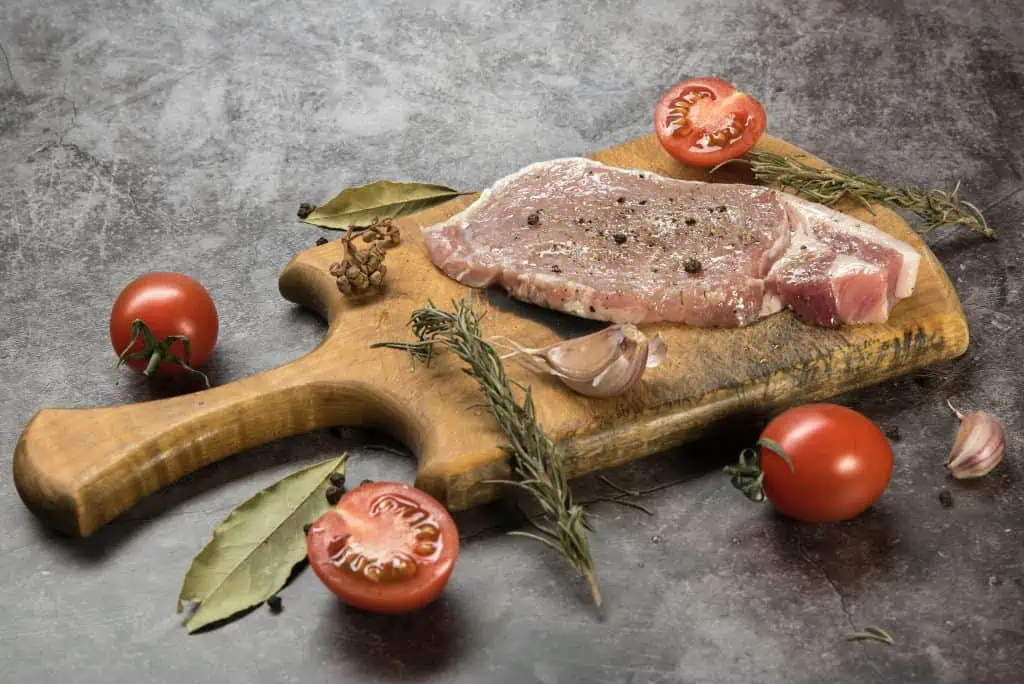
It’s tempting to slice into a steak or roast the second it comes off the heat, but patience pays off. Resting meat for a few minutes allows the juices to redistribute evenly throughout the cut. If you slice too soon, those juices spill out onto the cutting board, leaving the meat dry and less flavorful. This simple habit makes chicken juicier, steaks more tender, and roasts consistently satisfying.
Taste as You Cook
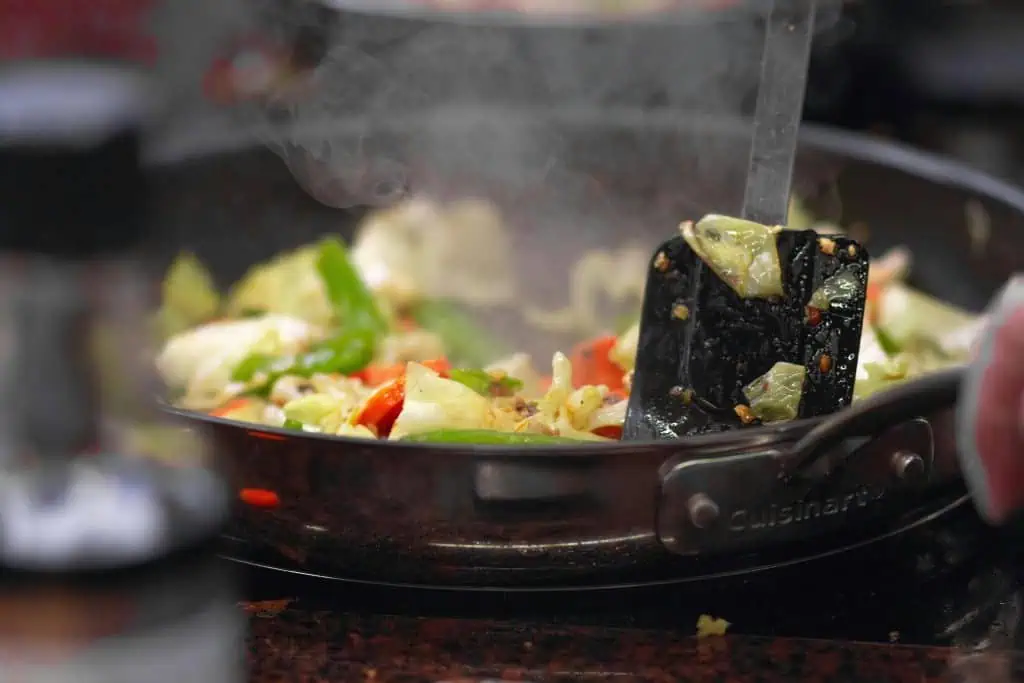
Chefs don’t wait until a dish is finished to test it; they taste constantly throughout the process. This allows them to adjust seasoning, tweak acidity, or add richness before it’s too late. It also ensures balance, since ingredients vary in sweetness, saltiness, or intensity from batch to batch. Tasting as you go means fewer surprises at the table and more consistently delicious results that match your personal preferences.
Build Flavor with Aromatics
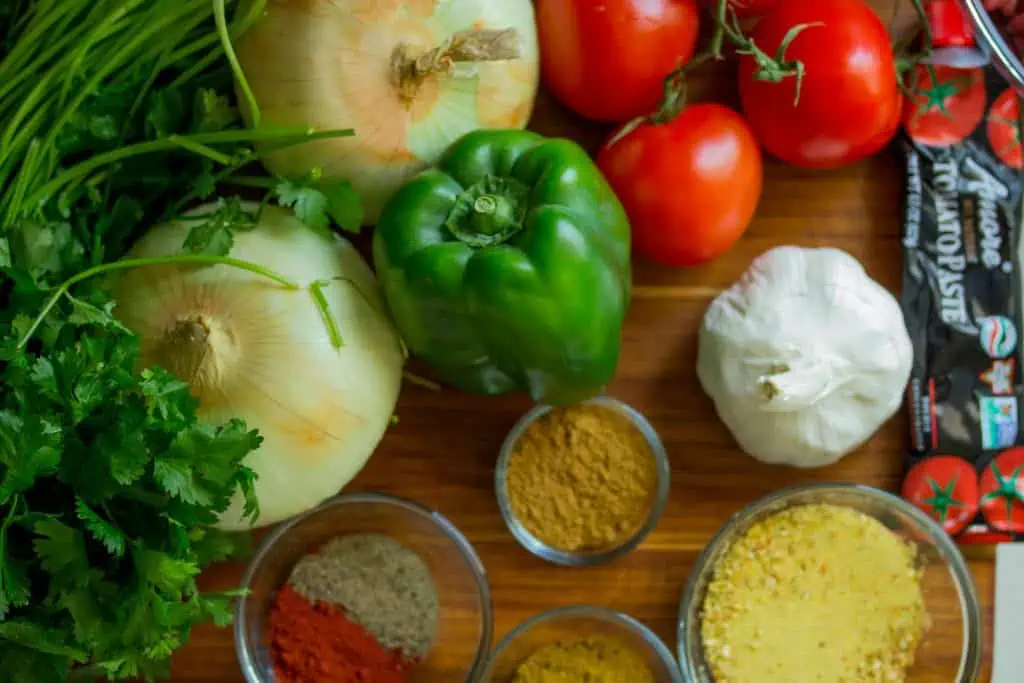
Many of the world’s best dishes start with aromatics like onions, garlic, carrots, and celery. Chefs sauté these ingredients slowly at the beginning of cooking to release natural sugars and aromas that form the flavor base of soups, sauces, and stews. This “flavor foundation” ensures depth and complexity, even in simple meals. Skipping this step can leave food tasting flat, but including it adds richness from the very first bite.
Deglaze the Pan
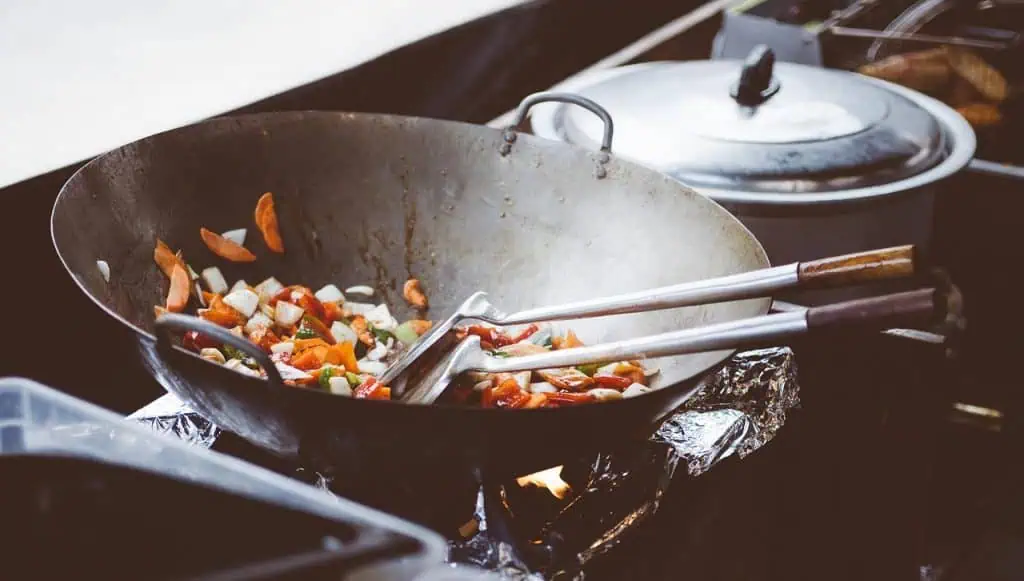
Those browned bits stuck to the bottom of a pan after searing, called fond, are pure flavor. Chefs never let them go to waste. By adding wine, broth, or vinegar, they dissolve those caramelized pieces into the liquid, creating an instant base for sauces or gravies. Deglazing adds depth, balances richness with acidity, and makes even a quick weeknight meal taste slow-cooked and restaurant-worthy.
Control Heat Levels

Heat is one of the most important tools in cooking, and chefs adjust it constantly. High heat creates caramelization and sears meats to lock in flavor, while low heat slowly tenderizes stews or simmers sauces without burning. Learning to switch between these levels and knowing when to back off the heat ensures better textures, bolder flavors, and fewer mistakes. Heat control separates average meals from professional-quality dishes.
Use Fresh Herbs at the Right Time
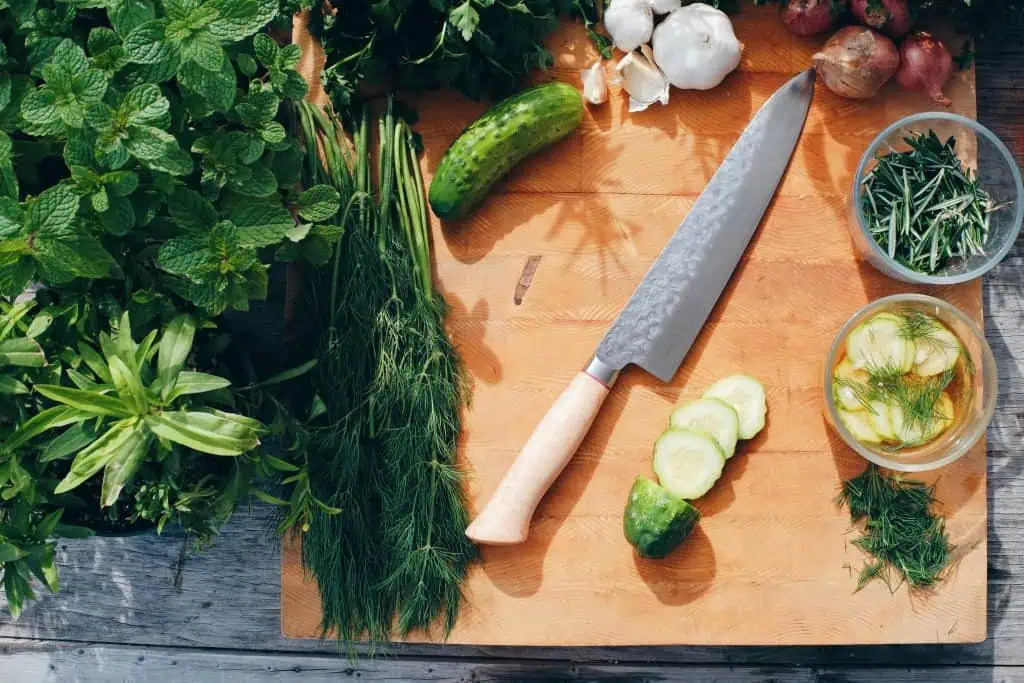
Timing is everything when it comes to herbs. Hardy herbs like rosemary, thyme, and bay leaves are added early so their flavors infuse slowly into dishes. Delicate herbs like basil, cilantro, and parsley are added at the very end to keep their fresh, bright notes intact. This strategy ensures herbs don’t lose their power during cooking, giving dishes the perfect balance of earthy depth and refreshing lift.
Balance Flavors
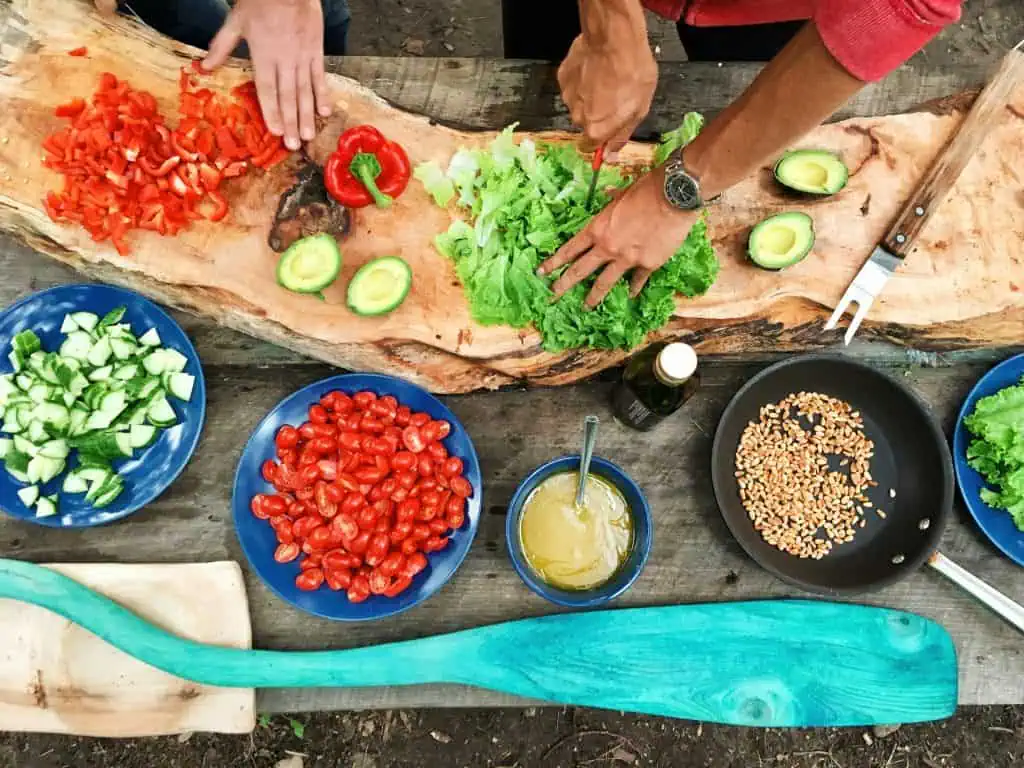
The best chefs think about flavor as a balance of salty, sweet, sour, and bitter. Adding vinegar, lemon juice, or lime can brighten heavy dishes, while honey or maple syrup can soften bitterness in greens or sauces. A pinch of salt can highlight sweetness in desserts, while a dash of acid sharpens savory stews. Balancing these elements creates harmony in every dish, making meals more exciting and memorable.
Finish with a Touch of Butter or Olive Oil
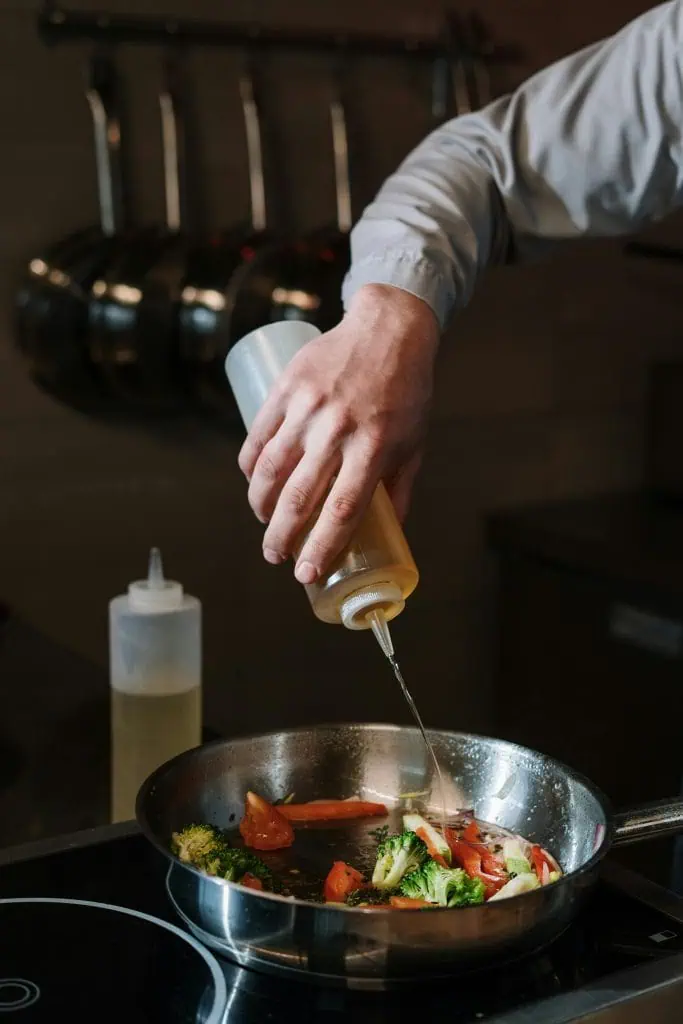
Professional chefs know the final touch makes all the difference. A small pat of butter swirled into sauces or a drizzle of high-quality olive oil over pasta or vegetables adds richness and a silky finish. This step doesn’t just change flavor, it transforms the texture and makes dishes feel luxurious. It’s one of the simplest chef tricks, but it turns an ordinary meal into something extraordinary.
