
The Dairy Divide: How Milk Went From Daily Staple to Controversial Choice
Milk, once a revered staple, has become a point of contention in many households. It used to symbolize growth and nourishment, occupying a prominent spot in daily nutrition. Yet today, milk incites debate, with its position in our lives shifting due to various health and ethical concerns. This exploration delves into milk’s journey from a universal health symbol to a divisive topic, assessing the reasons behind its decline in favor.
Milk as Strength: Symbol of Health

Traditionally, milk was lauded for its nutritional profile, rich in calcium, vitamin D, and protein, vital for bone health and muscle function. It was the go-to recommendation for children and athletes alike, epitomizing strength and vitality. Its ability to support growth made it a fixture in family diets. These attributes helped solidify milk’s reputation as an essential component of well-being, making it a staple encouraged by health authorities worldwide.
The Golden Age of Dairy Marketing

During the 20th century, milk’s image was bolstered by powerful marketing campaigns. Slogans like “Milk: It Does a Body Good” reflected its cultural significance. Advertisements often featured athletes and celebrities, enhancing milk’s appeal as a powerful source of health. Dairy associations invested heavily in promoting milk’s benefits, successfully embedding it into daily routines. This era marked the height of milk consumption, driven by strategic advertising and cultural acceptance.
Cracks in the Glass: Digestive Issues
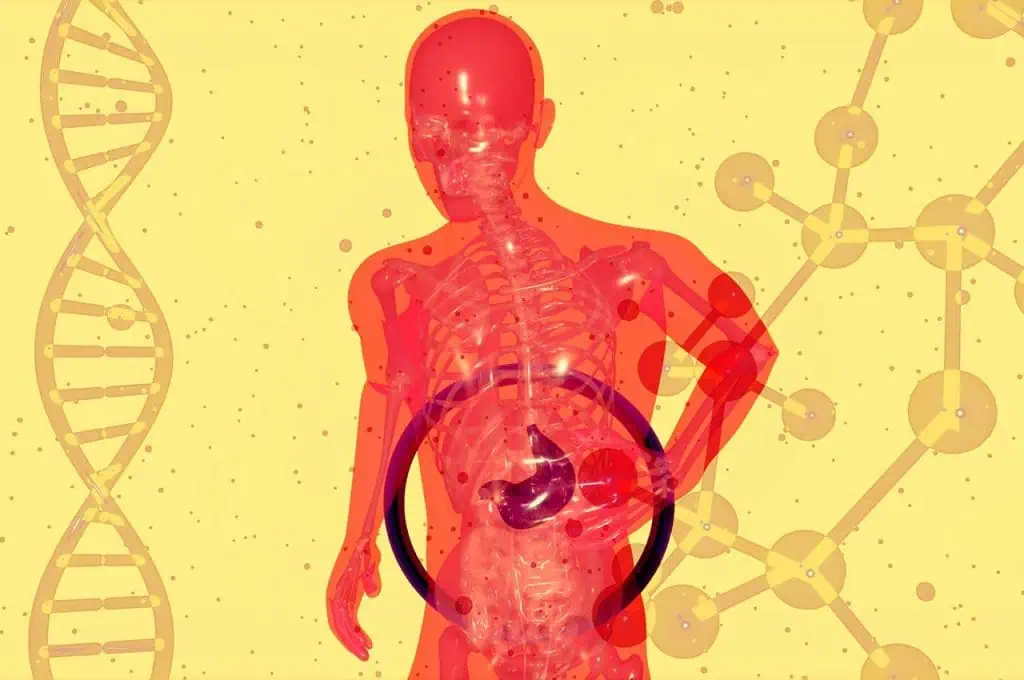
Despite its healthy image, milk’s consumption began to decline with the rise of lactose intolerance awareness. Many individuals started to connect digestive discomfort to milk, leading to questions about its place in modern diets. This led to increased scrutiny over dairy’s benefits versus potential drawbacks, spurring conversations about gastrointestinal health. As dietary awareness grew, alternatives started gaining traction, offering options for those seeking relief from digestive issues linked to lactose.
The Rise of Plant-Based Alternatives
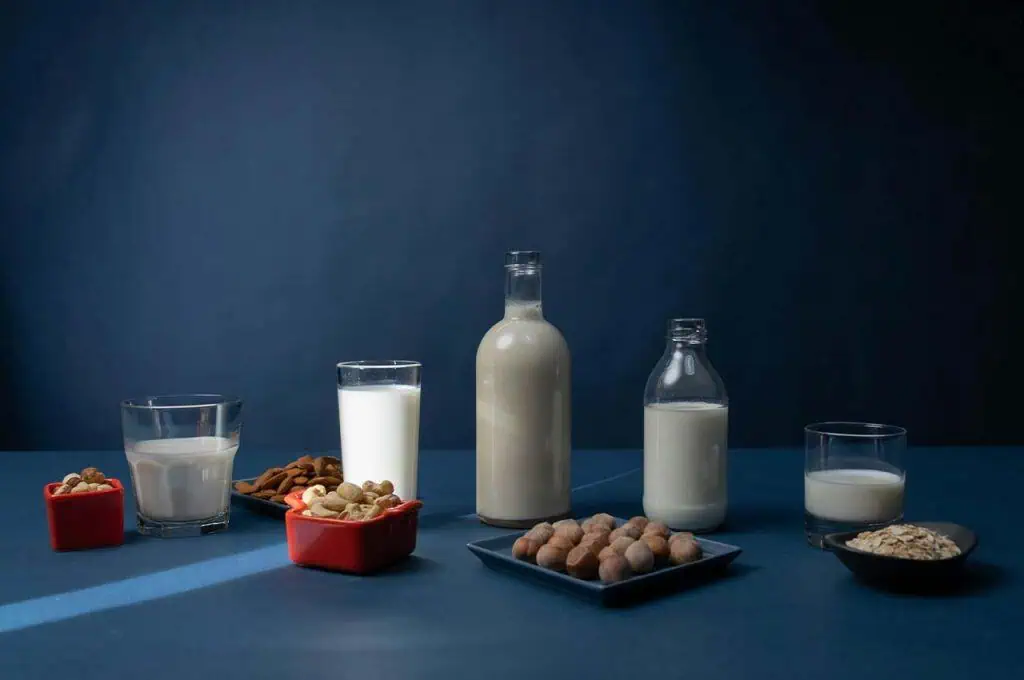
The shift towards plant-based diets has introduced a variety of milk alternatives, each offering unique flavors and nutritional profiles. Almond, soy, and oat milks have become popular choices, appealing to those avoiding animal products or lactose. These alternatives not only cater to health-conscious consumers but also align with ethical and environmental motivations. Their increasing availability reflects a broader trend toward personalized diets, reshaping the traditional concept of what milk can be in modern nutrition.
Debates on Nutrition: Calcium and Protein

Milk has long been hailed for its rich calcium and protein content, essential for bone growth and muscle maintenance. Nutrition experts assert that these nutrients are bioavailable, meaning the body can easily absorb and use them. However, debates arise regarding lactose intolerance and dietary preferences, prompting some to seek alternatives like almond or oat milk, which often require fortification to match milk’s natural nutrient profile. Understanding these debates helps us make informed decisions in a landscape filled with diverse dietary needs.
Cultural Shifts in Milk Perception

Changes in dietary trends and health awareness have influenced how milk is perceived globally. While once a symbol of wholesome nutrition, growing concerns over lactose intolerance and ethical considerations surrounding animal welfare have altered its status. In many cultures, plant-based alternatives are gaining favor, reflecting broader shifts toward personalized diets and sustainable eating habits. Recognizing these cultural changes allows us to appreciate and explore evolving food landscapes without losing sight of traditional values.
The Future of Dairy: Innovation and Choice

The dairy industry is at a crossroads, balancing tradition with innovation to meet modern demands. Emerging technologies offer dairy alternatives crafted from plant proteins, lab-grown milk proteins, and fermentation processes that mimic the taste and texture of traditional dairy. These innovations highlight the drive for sustainable and inclusive dietary options. By embracing this blend of old and new, consumers have a wealth of choices, catering to diverse preferences and dietary requirements in a rapidly evolving food world.
