
10 Restaurant Dishes That Were Accidents (and Became Legends)
Many iconic dishes emerged by chance, capturing palates worldwide despite their serendipitous origins. These accidental creations not only delight diners but also demonstrate the inventiveness of cooks under pressure. Exploring the unexpected beginnings of these foods reveals fascinating stories and time-tested techniques that have turned them into beloved staples. Delve into the history and preparation of these ten legendary dishes, starting with a border-town discovery that revolutionized salads.
Caesar Salad: A Border-Town Discovery
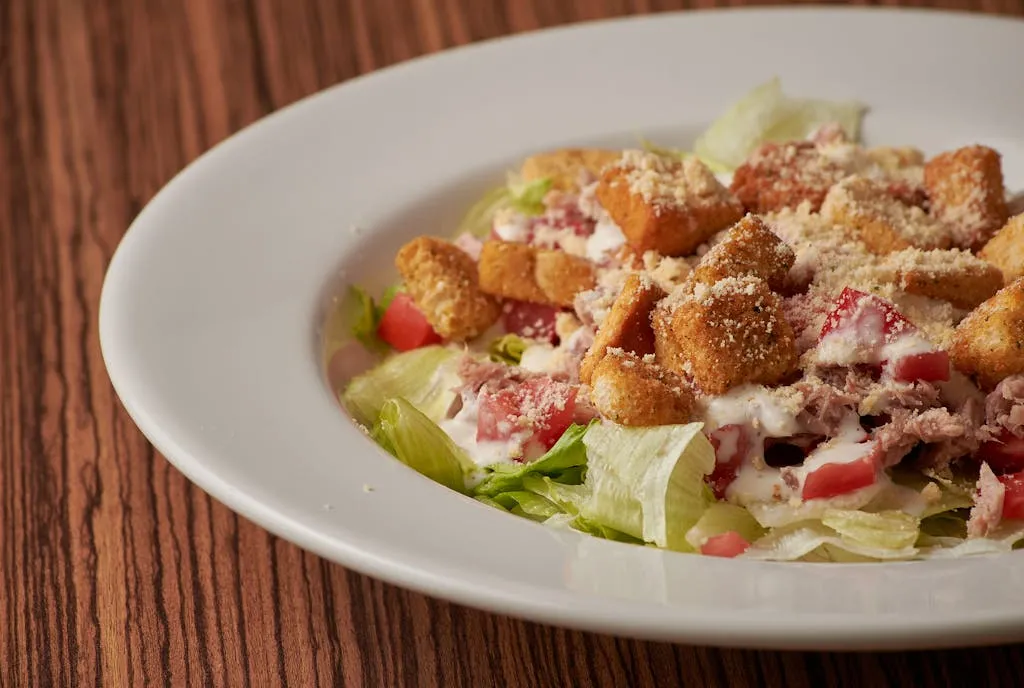
The Caesar Salad, contrary to popular belief, was born from necessity in a Tijuana restaurant. Chef Caesar Cardini crafted it with what remained in his kitchen, romaine lettuce, croutons, Parmesan cheese, raw egg, Worcestershire sauce, and garlic. The key technique involves gently massaging the lettuce leaves to bruise them slightly, enhancing their ability to hold the robust dressing. Achieving a perfect emulsion in the dressing is crucial for creamy texture, an interplay between tanginess and umami that defines the salad’s complex flavor.
Tarte Tatin: The French Delicious Mistake

This classic French dessert originated when the Tatin sisters accidentally baked their apple tart upside down. Mastering Tarte Tatin requires patience and care with caramelization. Cook apples in butter and sugar until they achieve a deep golden hue, ensuring layers of apple are packed tightly in the pan. The pastry, often buttery puff or shortcrust, should be laid on top and baked until golden. Inverting the tart while still warm allows the caramel to coat each apple slice, creating a perfect balance of sticky sweetness and buttery crust.
Nachos: A Snack Born of Necessity
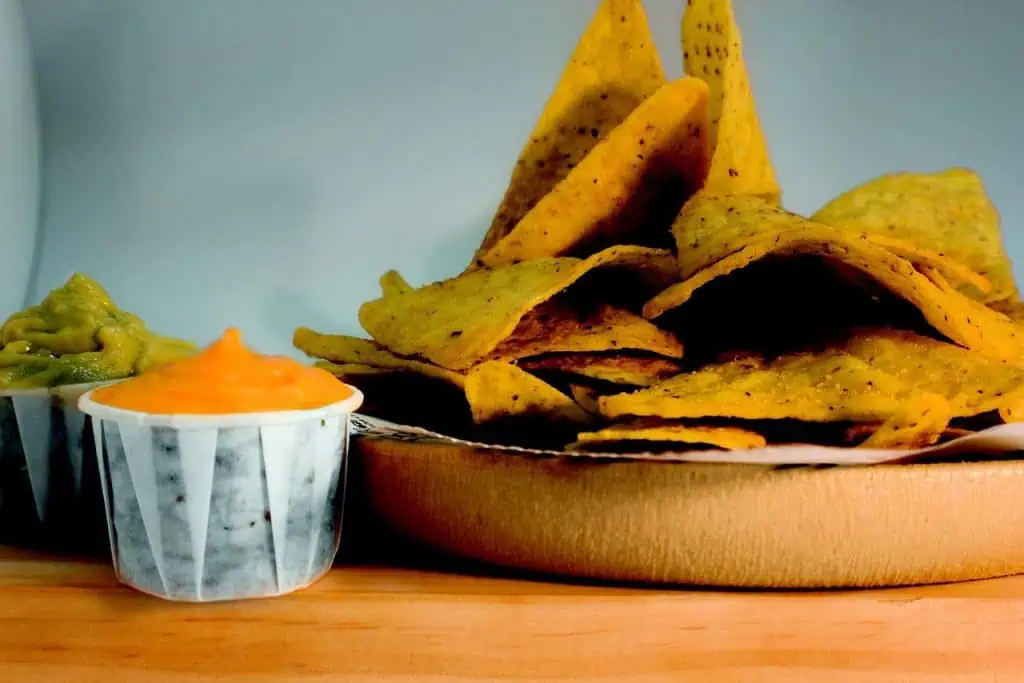
Nachos emerged in the 1940s when a restaurateur in Piedras Negras, Mexico, improvised with leftover ingredients for hungry patrons. Layered simplicity defines this dish: crisp tortilla chips, cheese, and pickled jalapeños. Key to superior nachos is even cheese distribution; melted over layered chips ensures every bite is cheesy. Freshness of toppings, like homemade pico de gallo or guacamole, adds contrasting textures and flavors. Broil until cheese bubbles, incorporating textural complexity and vibrant taste, transforming scarcity into satisfaction.
Buffalo Wings: From Bar Snack to Global Fame
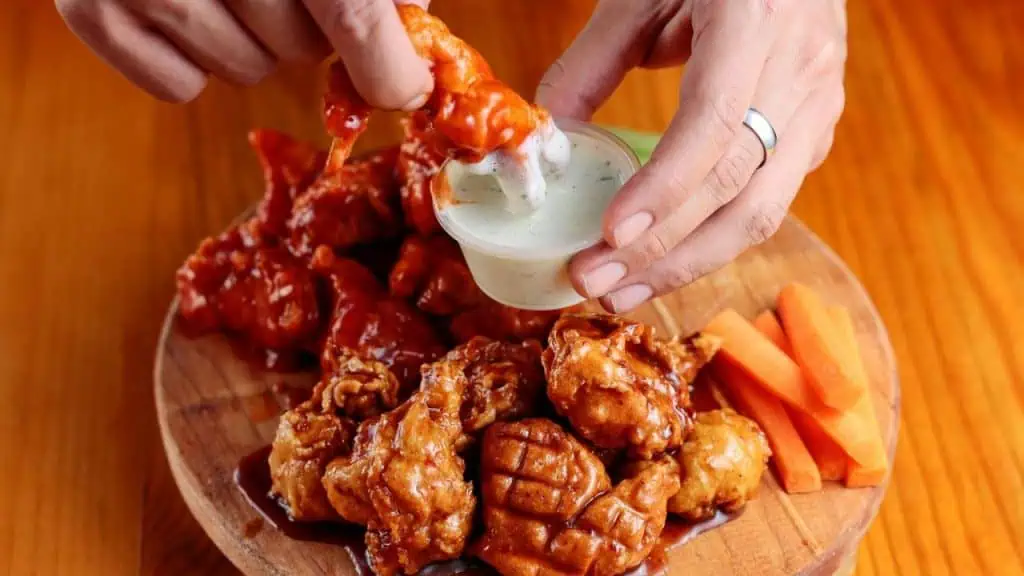
Buffalo wings were invented in the 1960s by Teressa Bellissimo in a New York bar as a late-night snack. Their preparation involves deep frying wings until crispy, then tossing them in a blend of hot sauce and melted butter. The fryer achieves the key crispy texture, and the sauce presents a tangy heat softened by butter. Serve with blue cheese dressing and celery sticks, offering a cooling balance to the spiciness. Mastering the fry technique ensures robust flavor and the quintessential Buffalo texture that is loved worldwide.
Chocolate Chip Cookies: An Accidental Sweetness
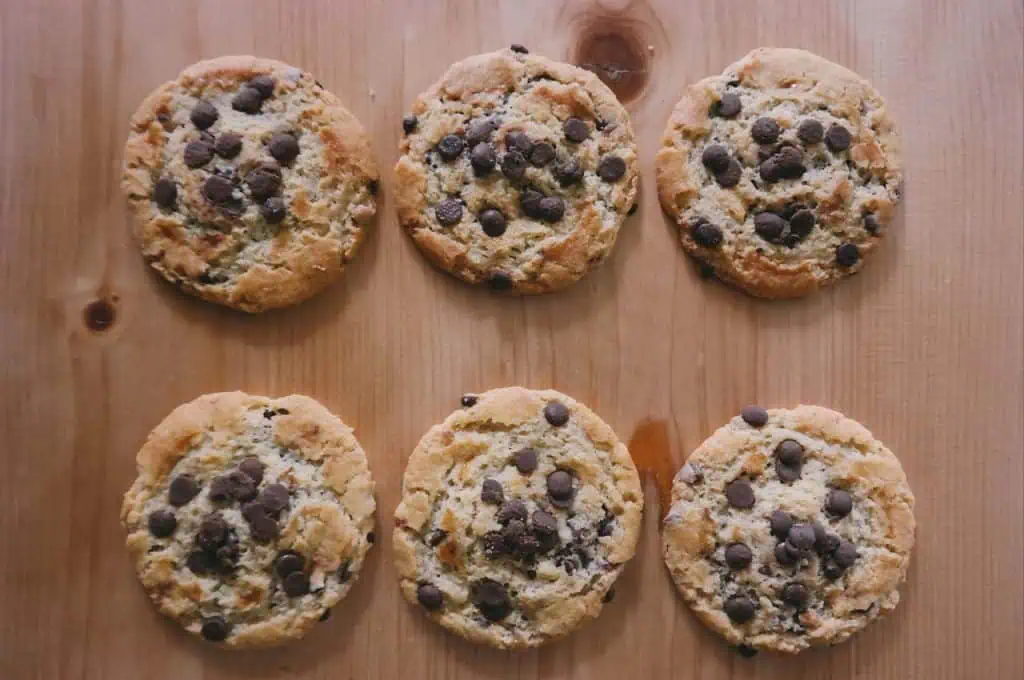
The invention of chocolate chip cookies was a serendipitous mistake that combined practical home cooking with a bit of chance. During the 1930s, Ruth Graves Wakefield aimed to create a batch of chocolate cookies but ran out of baker’s chocolate. With ingenuity, she substituted broken pieces of a Nestlé chocolate bar, expecting them to melt into the dough. Instead, the chocolate retained its shape, resulting in the now-iconic texture contrasts. The key to baking perfect chocolate chip cookies lies in using quality chocolate and balancing brown and white sugars for depth and crispness.
Potato Chips: Crunch Born from Frustration
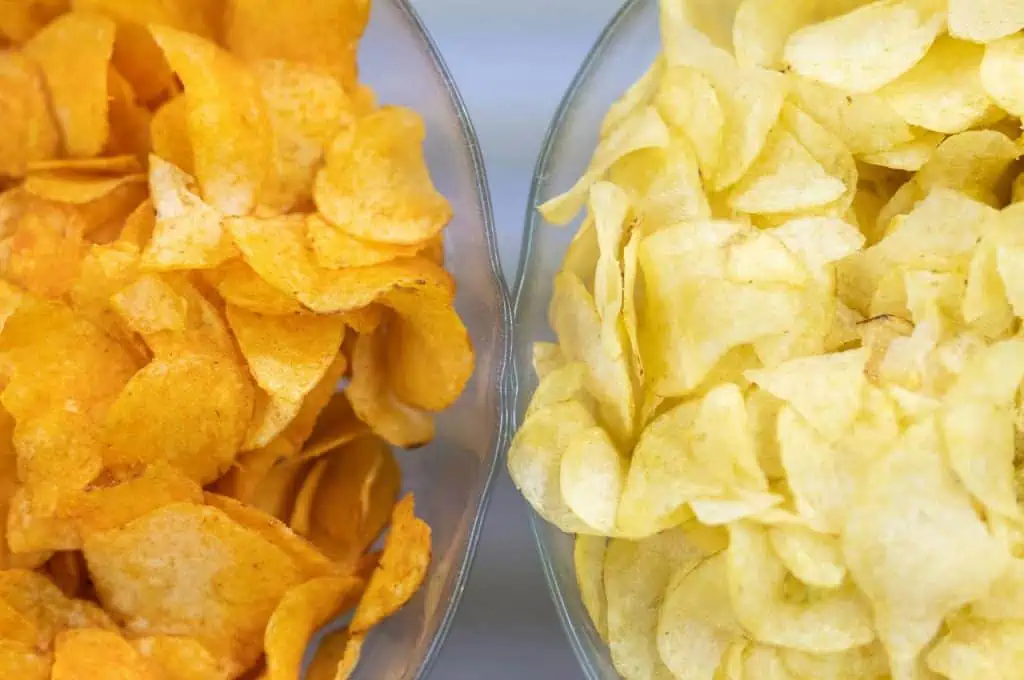
This crispy delight was born from a chef’s irritation with a picky customer. In 1853, George Crum, tired of complaints about thick-cut potatoes, sliced them paper-thin, frying them to a crunchy finish. Unexpectedly, the customer loved them. Mastering potato chips at home requires careful slicing, use a mandoline for uniformity, ensuring even cooking. Fry in small batches at a consistent high temperature to avoid greasiness. The seasoning should be done immediately after frying to allow flavors to adhere to the hot, oil-coated slices for maximum impact.
Baked Alaska: Kitchen Experiment Turned Classic
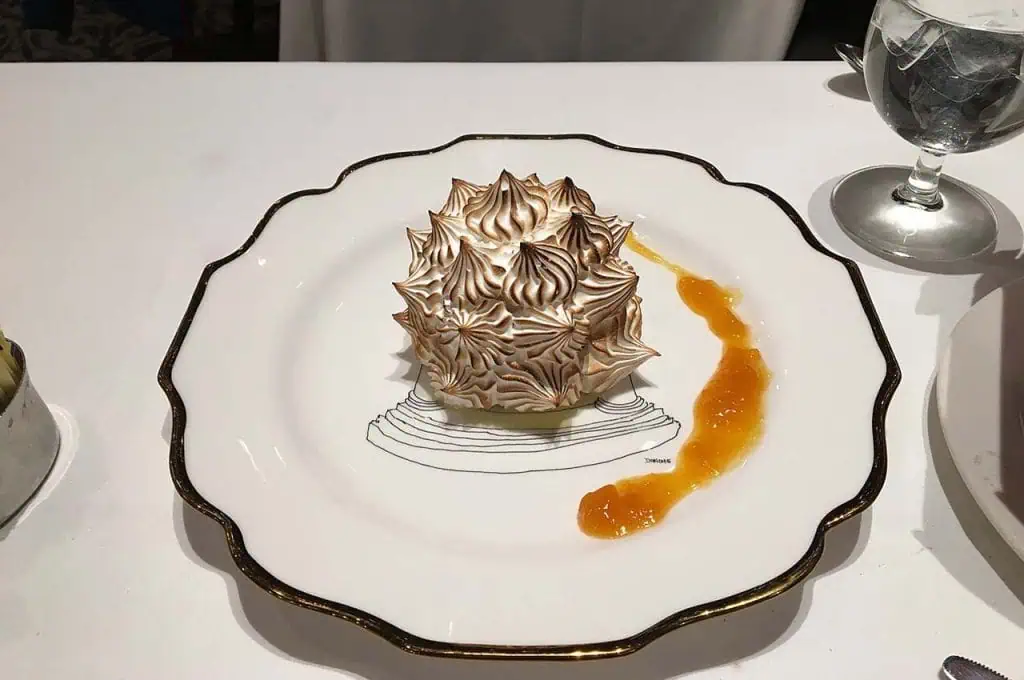
The famed Baked Alaska, a juxtaposition of cold ice cream and hot meringue, originated in the 19th century as a bold culinary experiment. The dish relies on the insulating properties of the meringue to keep the ice cream intact while baking. Achieving perfection demands skillful meringue preparation, beat to stiff peaks and apply uniformly to shield the ice cream. A quick, hot oven browns the meringue without melting the core. Ensure the dessert is assembled quickly and smoothly, keeping components as cold as possible until baking is essential for success.
Worcestershire Sauce: A Flavored Barrel Find
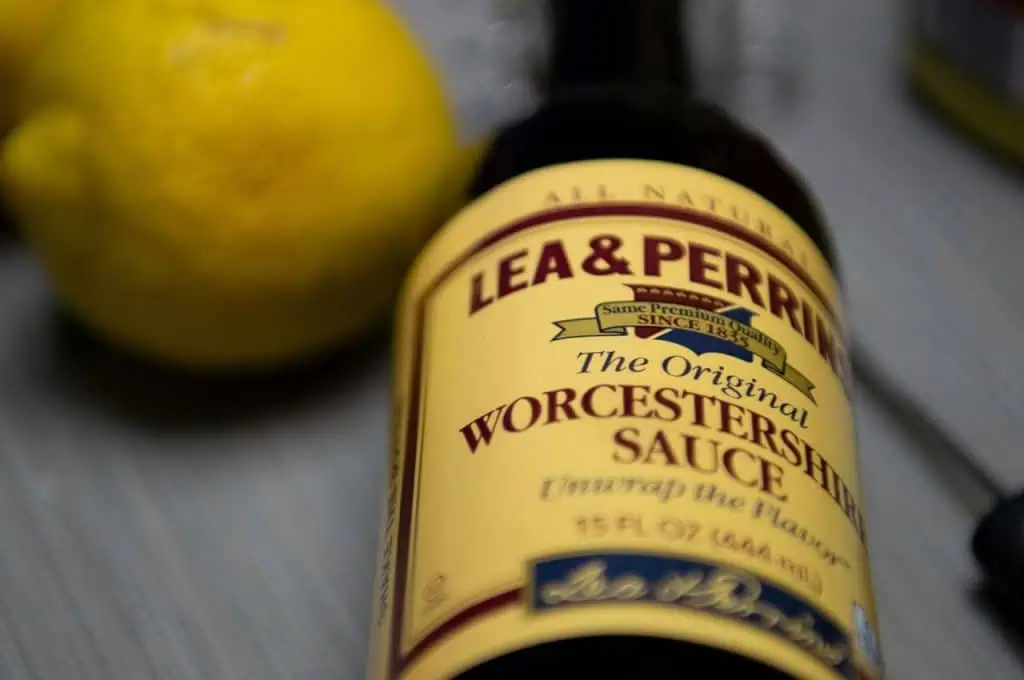
This complex condiment was the result of a recipe left forgotten, only to mature into a rich flavor profile over time. Originally crafted by chemists John Lea and William Perrins, it wasn’t immediately palatable but developed into the distinctive sauce we now know. Creating a homemade version involves a delicate balance of anchovies, tamarind, vinegar, molasses, and an array of spices. Allowing these ingredients to meld is crucial; give the concoction time to rest, enhancing its depth and intensity. This sauce enriches a multitude of dishes, offering a unique umami boost.
Chimichanga: A Deep-Fried Delight
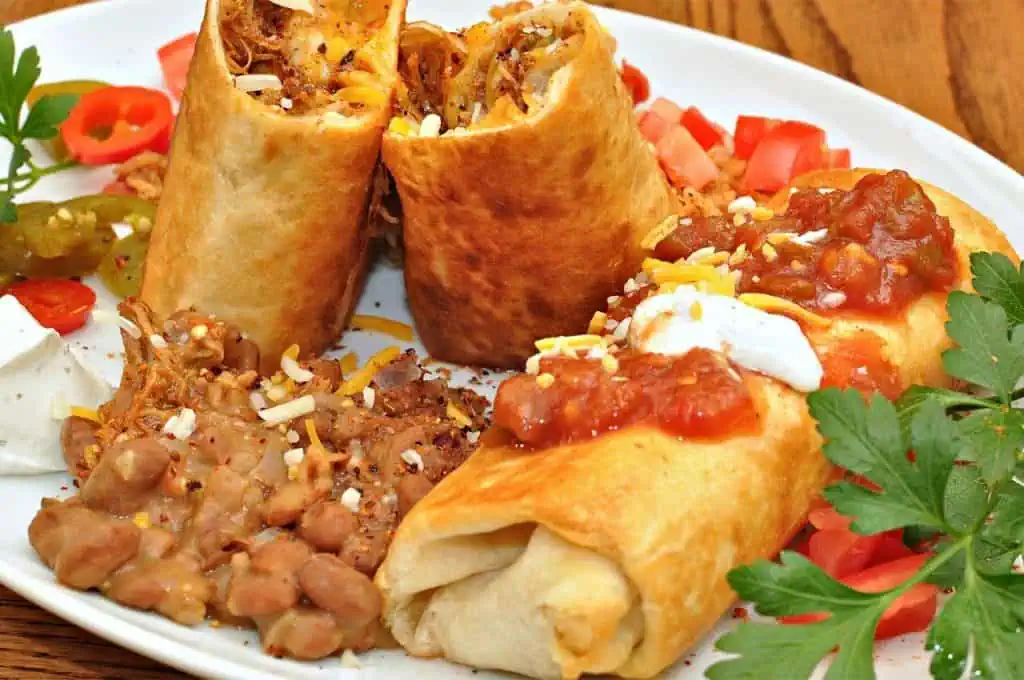
This mouthwatering dish is rumored to have been an accidental discovery when a burrito was dropped into hot oil. The result was a flavorful, crispy exterior that complemented the soft, spiced filling. For home chefs, achieving the perfect chimichanga requires securely wrapping the filling, usually a mix of beans, cheese, and seasoned meat, so it doesn’t open during frying. Heat oil to around 350°F for an even golden crust without soaking through. Serve with fresh salsa or guacamole to contrast the rich, fried exterior with refreshing, zingy notes.
Popsicles: From Child’s Mistake to Summer Favorite
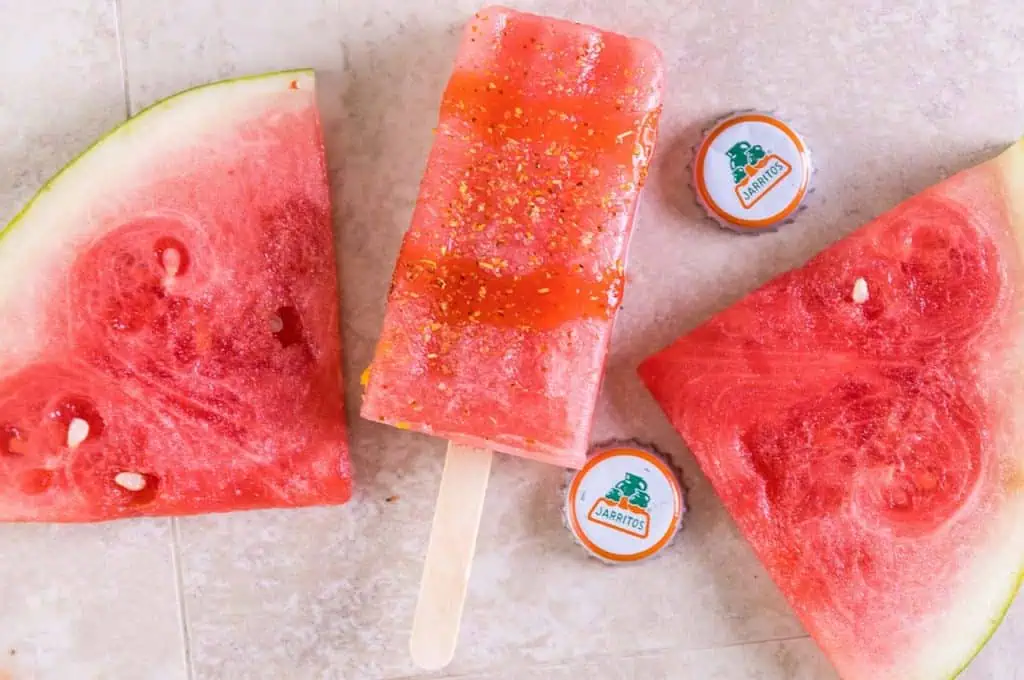
Popsicles owe their origin to a simple oversight. In 1905, 11-year-old Frank Epperson unintentionally left a mixture of water, powdered soda, and a stick outdoors overnight, resulting in a frozen treat. To replicate this classic delight at home, blend fruit juice with a bit of sugar and insert wooden sticks into molds filled with the mixture. Freeze for several hours until solid. The texture should be smooth yet firm, capturing the refreshing quality that has made popsicles a seasonal staple. This method highlights the simplicity and satisfaction of homemade frozen desserts, perfect for hot days.
