
From Waste to Wonder: How Food Scraps Are Becoming the Next Culinary Gold
What was once tossed aside as kitchen waste is now being reimagined as valuable culinary ingredients. Chefs, home cooks, and food innovators are finding creative ways to transform peels, stems, and leftovers into dishes that are both sustainable and delicious. This shift reflects a growing awareness of food waste and its environmental impact. By rethinking scraps, the culinary world is proving that sustainability and creativity can go hand in hand, turning waste into wonder.
Vegetable Peels Turned Crisps
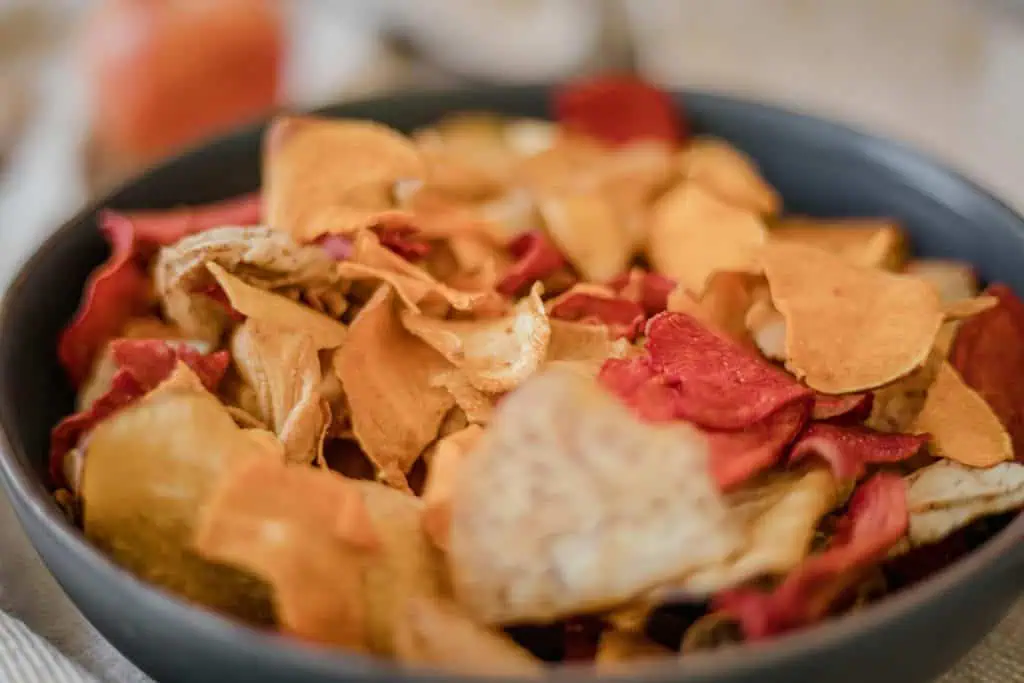
Potato, carrot, and beet peels that often end up in the trash are being roasted, seasoned, and served as crispy snacks. These peels contain fiber and nutrients, and with the right preparation, they deliver crunch and flavor rivaling store-bought chips. Transforming scraps into crisps not only reduces waste but also offers a healthier alternative to processed snacks. It is an example of how small kitchen changes can have a big culinary impact.
Coffee Grounds for Flavor and Fertilizer
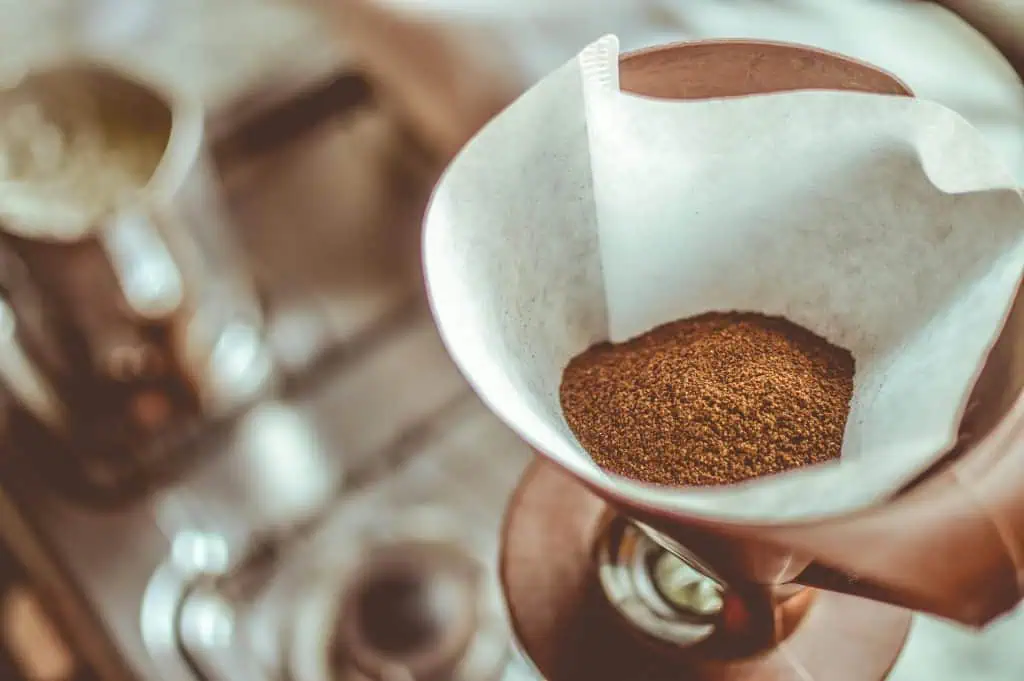
Used coffee grounds are finding second lives both in and out of the kitchen. Chefs incorporate them into rubs for meat or use them in baked goods to add depth and bitterness. At home, they enrich compost or act as natural fertilizers for plants. This creative reuse highlights how one of the world’s most consumed products can continue offering value long after the morning brew is finished.
Citrus Zest from Leftover Rinds
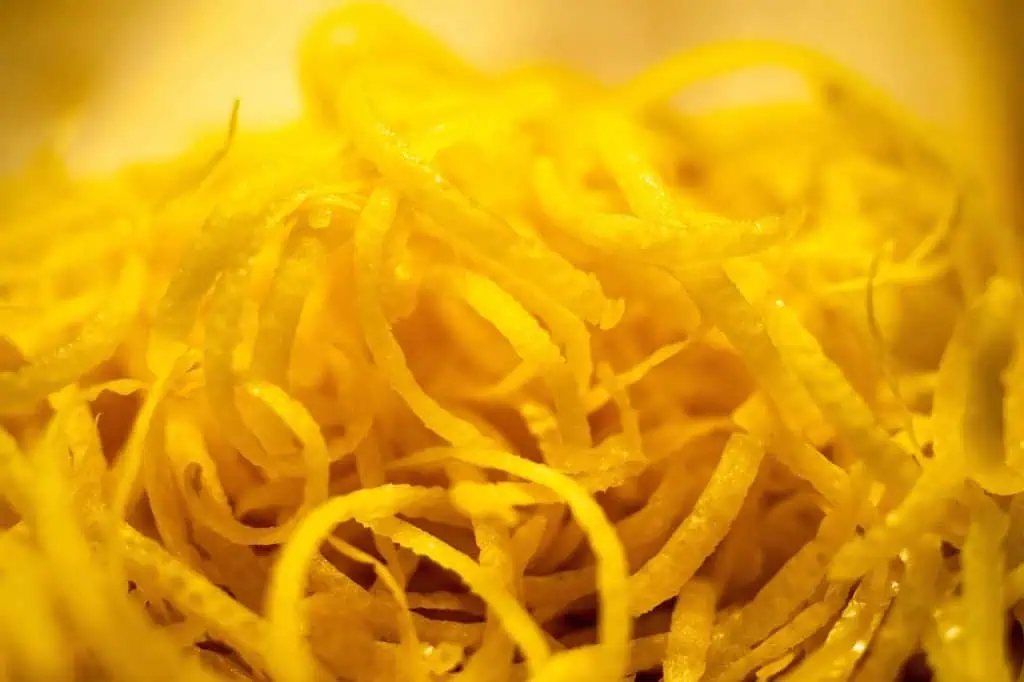
Orange, lemon, and lime rinds often get discarded, but zesting them unlocks essential oils that add brightness to desserts, sauces, and drinks. Even candied peels are a delicacy, offering sweetness with a hint of bitterness. Beyond flavor, rinds can infuse syrups or cocktails, maximizing their potential. By using every part of citrus fruits, cooks celebrate both thriftiness and creativity in the kitchen.
Bread Ends into Croutons and Breadcrumbs
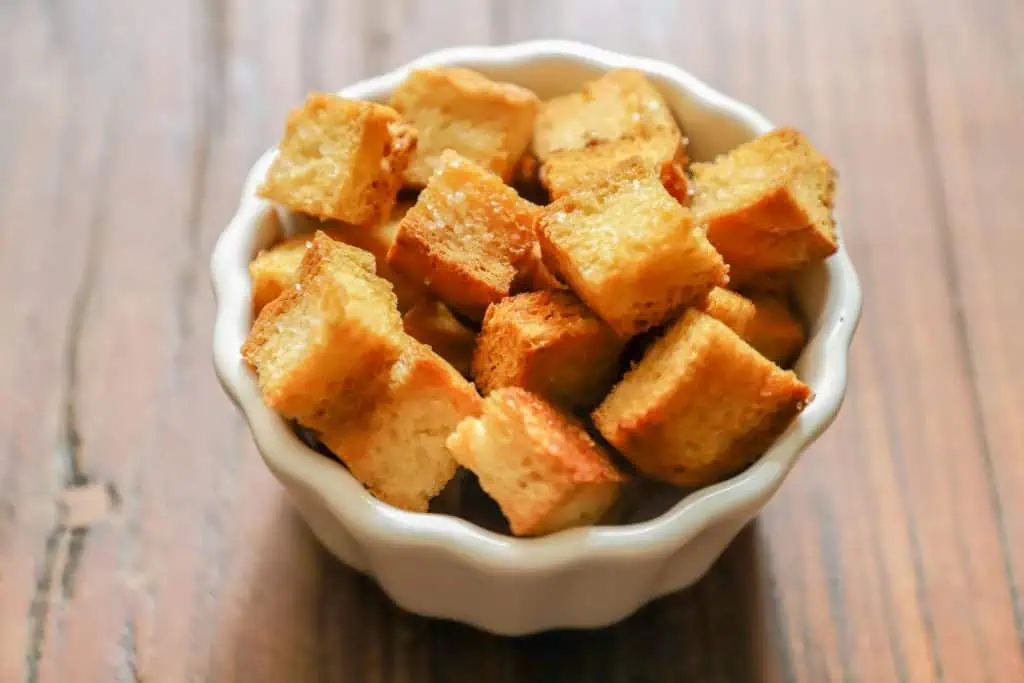
The stale ends of bread loaves need not be wasted. With a quick toast in the oven, they become crunchy croutons perfect for soups and salads. Ground up, they make breadcrumbs that add texture to pasta, casseroles, and fried foods. Transforming bread scraps into versatile staples is one of the oldest and most practical forms of food recycling, proving that resourcefulness in the kitchen never goes out of style.
Watermelon Rind Pickles
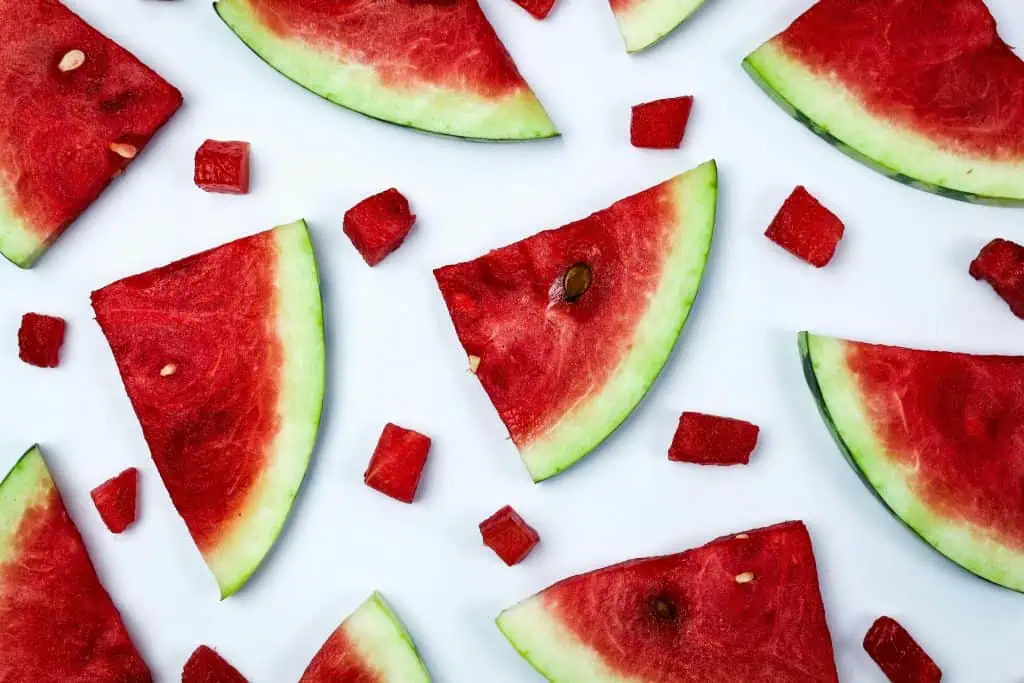
Watermelon rinds, usually tossed after the sweet red fruit is eaten, can be transformed into tangy pickles. Brined with vinegar, sugar, and spices, they develop a crisp bite with a balance of sweet and sour notes. This Southern tradition has gained new life in modern kitchens, showing how even the most overlooked scraps can become a standout side dish. It is a perfect example of food waste turned into a culinary treasure.
Root-to-Stem Cooking

Root-to-stem cooking is redefining how vegetables are used. Broccoli stems, beet greens, and carrot tops, often discarded, can be sautéed, blended, or made into pestos and soups. These parts are packed with nutrients and flavor, yet rarely make it to the plate. By embracing the whole vegetable, chefs not only reduce waste but also expand their flavor palettes, proving that sustainability can drive creativity in everyday cooking.
Bones and Scraps into Broth
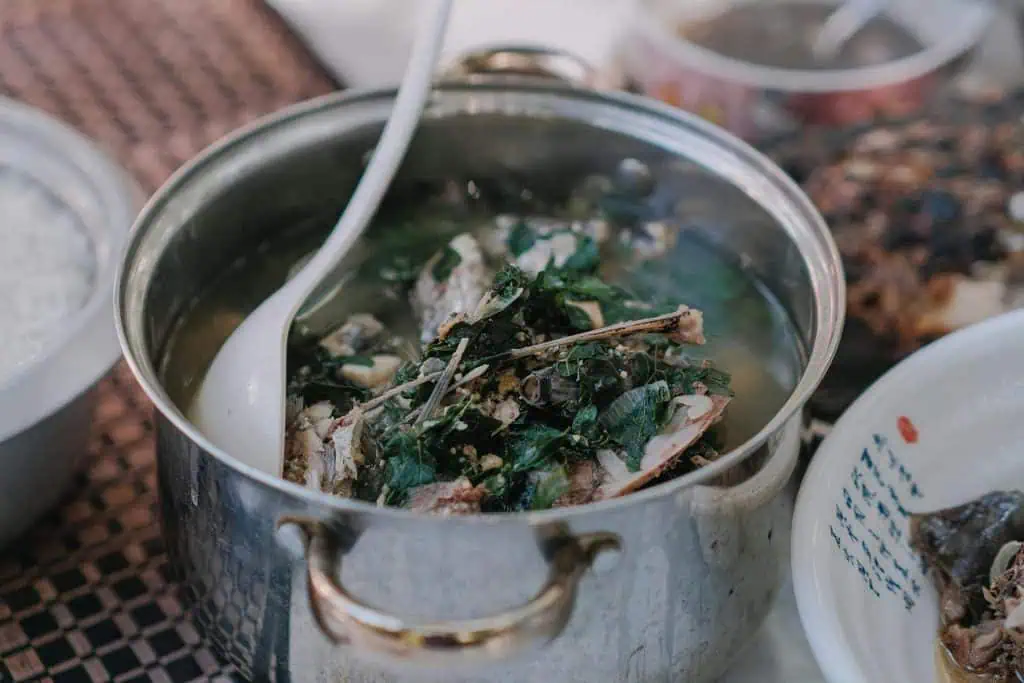
Animal bones, vegetable trimmings, and herb stems come together in homemade stocks that form the base of countless dishes. Instead of discarding these scraps, simmering them extracts flavors and nutrients, producing rich broths far superior to store-bought versions. This timeless technique highlights how resourcefulness can elevate cooking, turning odds and ends into the foundation of soups, sauces, and gravies.
Modern Chefs and Zero-Waste Dining
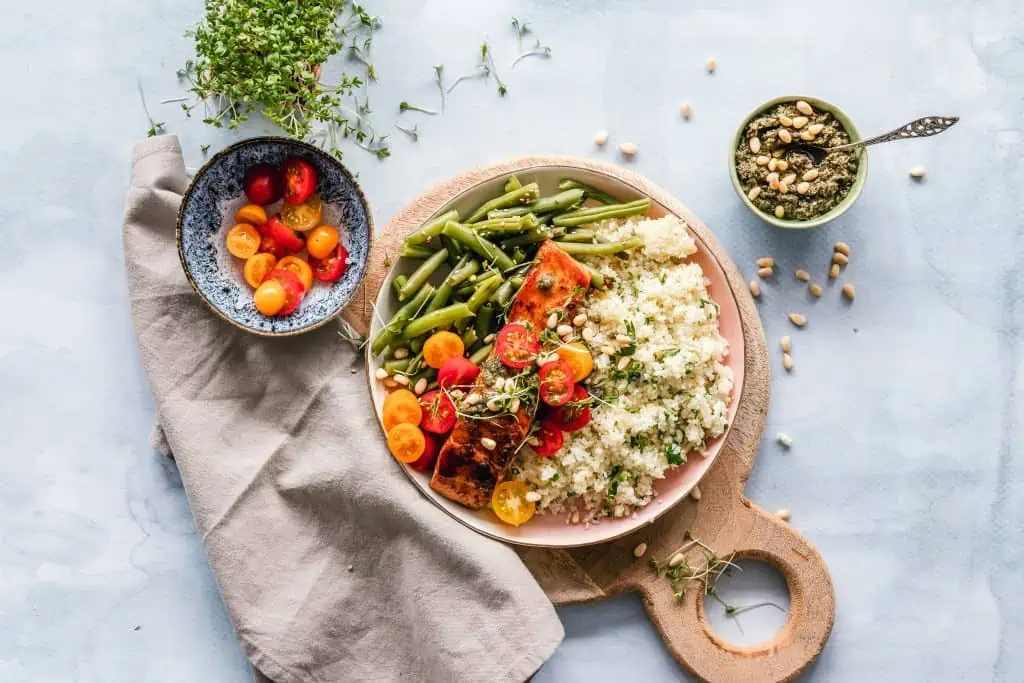
Restaurants are leading the zero-waste movement by designing menus that use every part of their ingredients. From carrot-top pesto to beet-skin garnishes, scraps once thrown away are now showcased as highlights of the dish. Diners are embracing the creativity and sustainability these efforts bring. Zero-waste dining is changing how we view food, proving that waste is only waste if we fail to see its potential.
