
7 Reasons Vanilla Is the Most Expensive Flavor in the World Right Now
Vanilla, often cherished for its unmatched aroma and flavor, stands as the most expensive spice in the world, second only to saffron. Despite its commonplace presence in desserts and baked goods, vanilla’s journey from orchid to extract involves an intricate process. Each step contributes to its high cost, making it a luxury item on the global market. Understanding these complexities sheds light on why this seemingly simple flavor commands such a premium price.
Labor-Intensive Hand Pollination
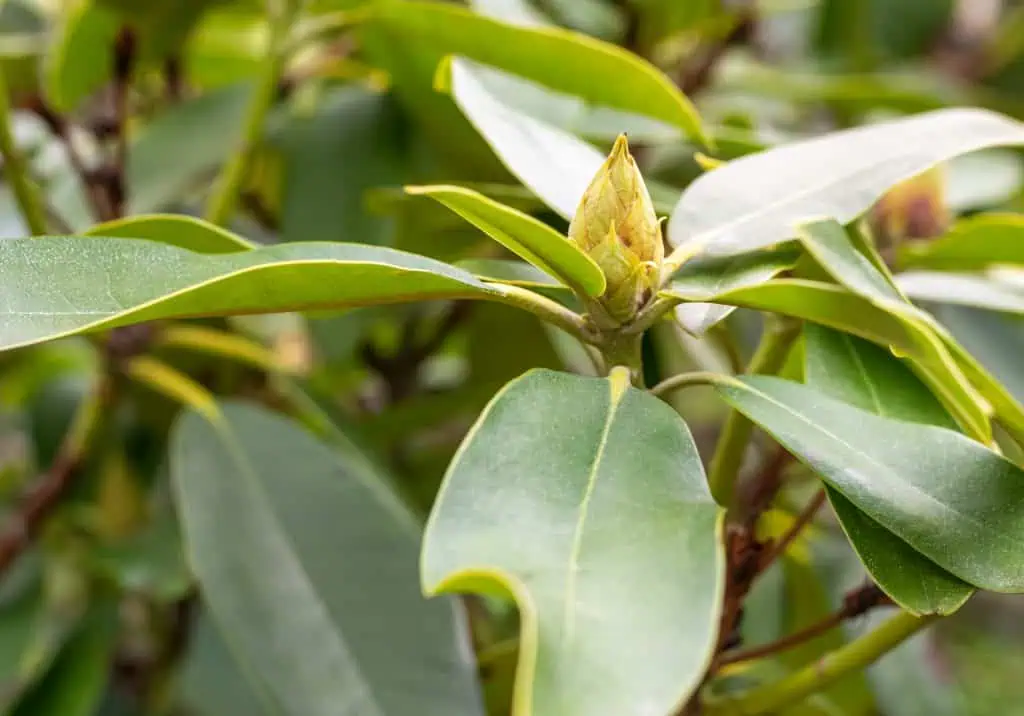
Vanilla’s production hinges on the meticulous process of hand pollination. The vanilla orchid’s delicate flowers bloom for only a few hours, requiring skilled workers to manually transfer pollen for each flower. This labor-intensive technique, necessary because most vanilla-producing regions lack the natural pollinators of the orchid, significantly adds to the spice’s cost. The precision required ensures that any misstep can lead to complete crop failure, emphasizing the skill and time invested.
Madagascar’s Limited Growing Regions
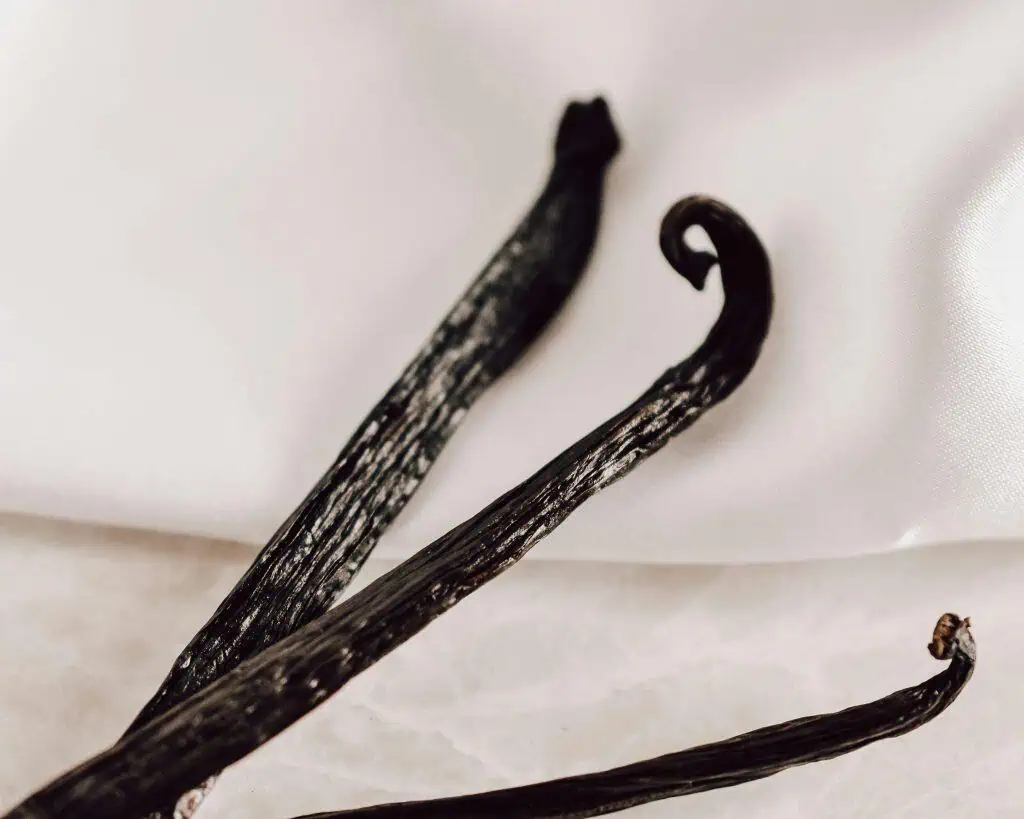
Madagascar, producing approximately 80% of the world’s vanilla, has limited regions suitable for cultivation. The unique climatic conditions and fertile soil contribute to the distinct quality of Madagascan vanilla. However, these specific regions face challenges such as insufficient agricultural land and the need for sustainable practices to maintain soil fertility. The geographical constraint coupled with high demand elevates vanilla’s price as supply becomes increasingly difficult to scale.
Climate Change and Cyclone Threats
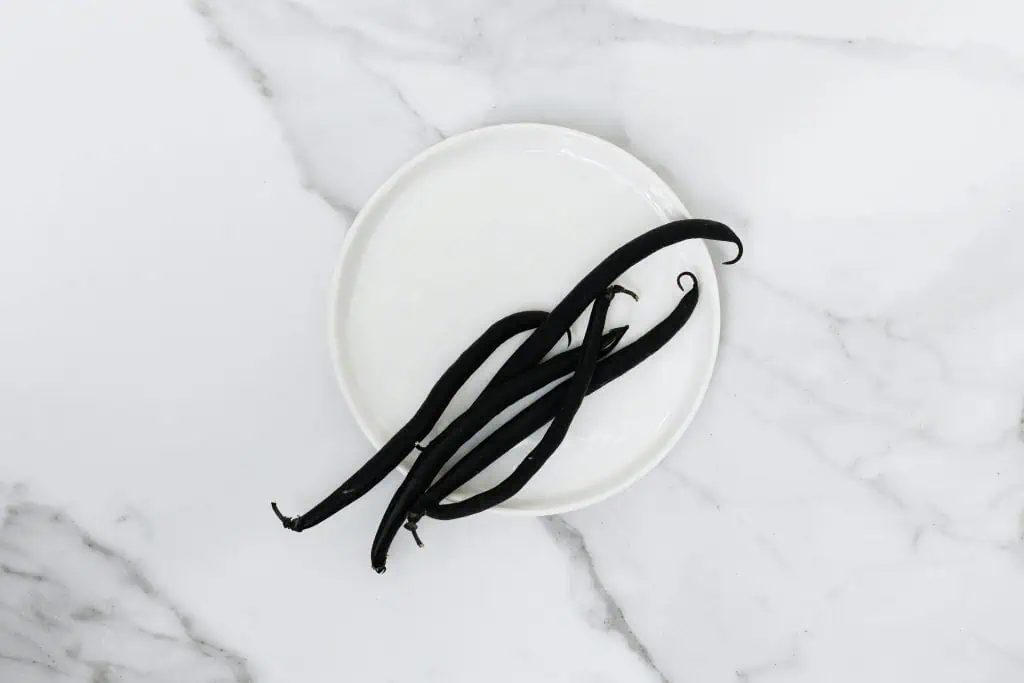
The vulnerability of vanilla crops to climate change and cyclonic weather directly impacts production and price. Madagascar’s crop yield fluctuates with these environmental threats, leading to unpredictable harvests. Cyclones can devastate entire fields, reducing supply drastically and affecting global prices. Farmers must contend with these instability factors, investing in protective measures that further escalate costs, thus making vanilla one of the most costly flavors.
Curing and Fermentation Challenges
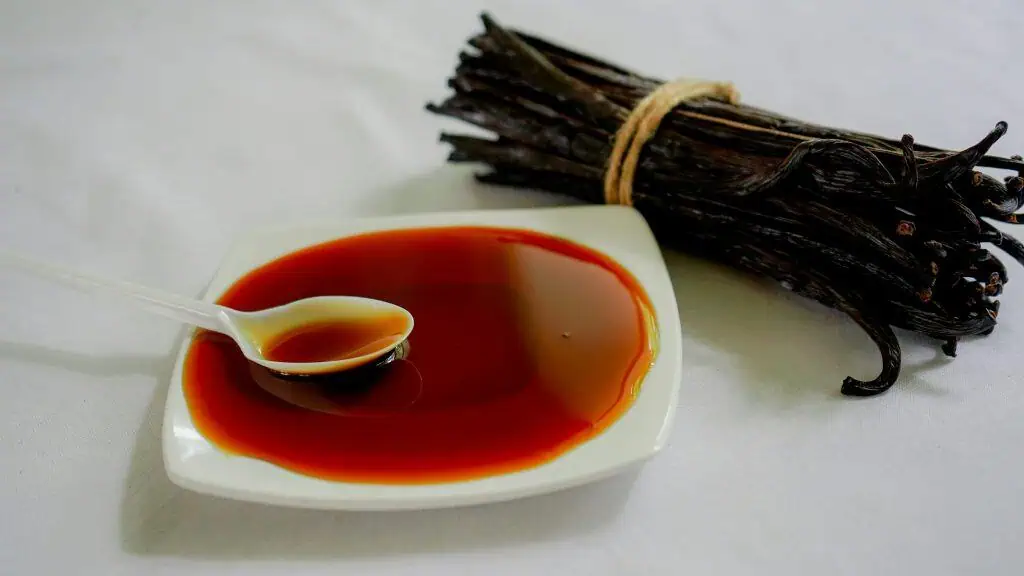
The post-harvest curing process of vanilla is both time-consuming and complex, directly influencing its quality and price. This involves blanching, sweating, drying, and conditioning over several months. Each bean must be carefully monitored to develop its distinctive flavor. Mistakes in this process can compromise the bean’s quality, resulting in financial loss. The craftsmanship required during curing highlights why authentic vanilla remains a prized and costly ingredient.
Global Demand in Food and Beauty
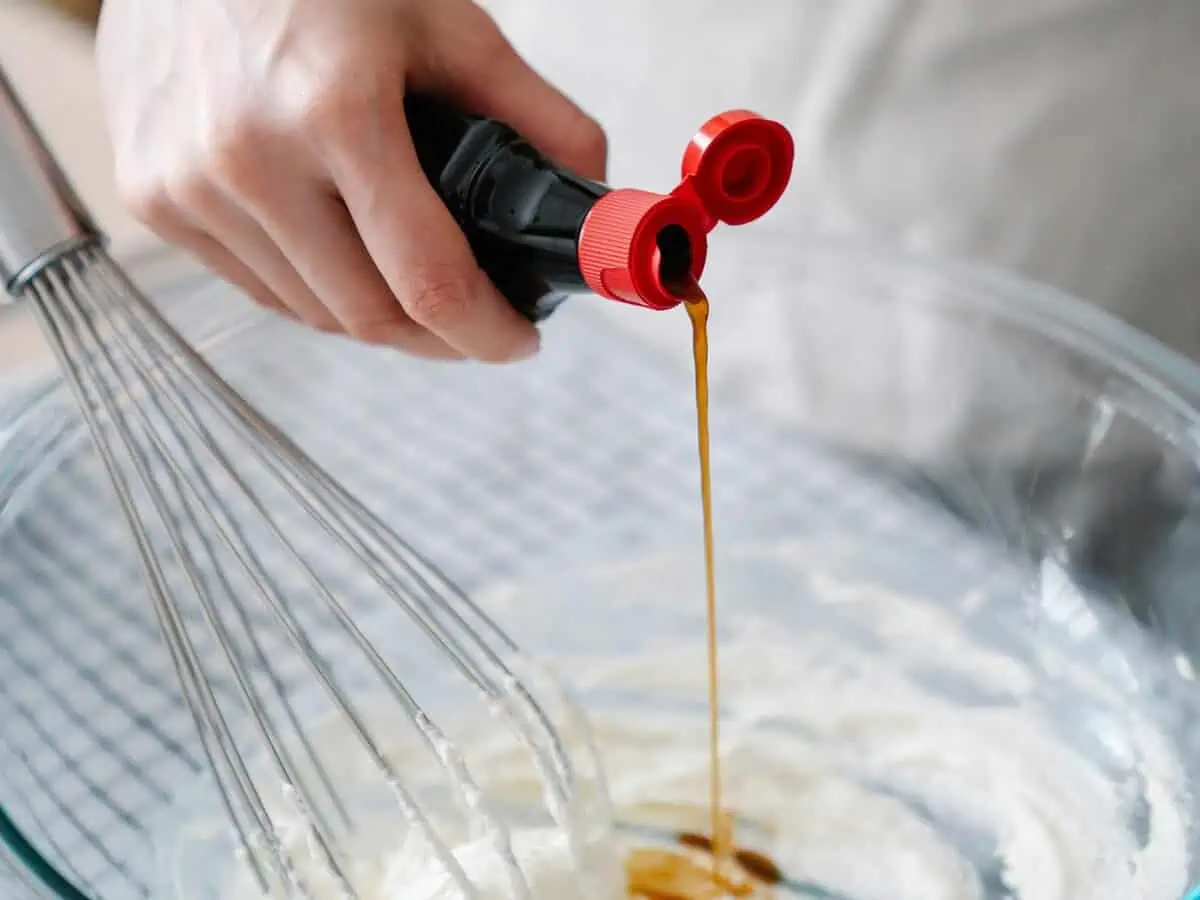
The rising global demand for vanilla roots itself in its invaluable role in both the culinary and beauty industries. As a cornerstone flavor, it elevates pastries, desserts, and beverages with its unmistakably rich and warm profile. In the beauty sector, vanilla is cherished for its soothing aroma and skin-friendly properties, finding its way into perfumes, lotions, and skincare products. The ongoing consumer preference for natural over synthetic compounds further fuels this demand, making vanilla a precious commodity across varied markets.
Vanilla as a Luxury Ingredient
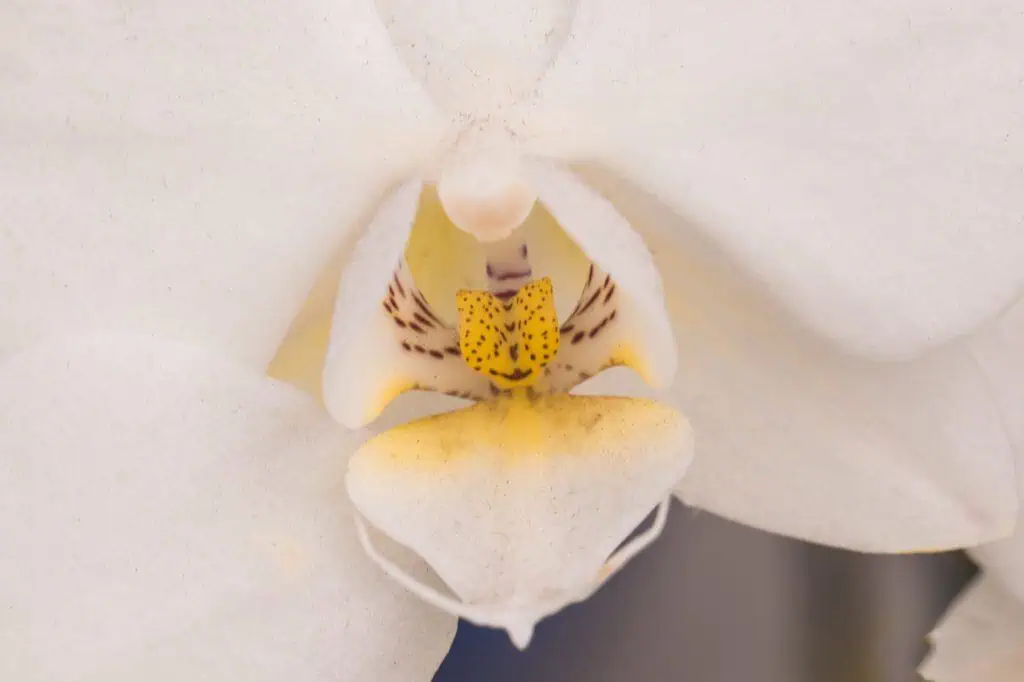
Vanilla earns its place as a luxury ingredient due to its complex cultivation and distinct aromatic quality. Only the labor-intensive hand-pollination of the vanilla orchid yields the pods we prize, often taking three to four years from planting to harvest. The intensity of the curing process enhances the unmistakable depth of its flavor, distinguishing real vanilla from synthetic alternatives. This makes it a coveted addition to gourmet dishes and artisanal products, where its depth and authenticity are unparalleled.
Record Prices and Black Market

Driven by high demand and limited supply, vanilla prices have soared to unprecedented levels, sometimes surpassing even the price of silver. Factors such as climate challenges and elaborate farming processes contribute to market volatility. As a result, a black market has emerged, further complicating and disrupting the supply chain. The scarcity and expense tempt unscrupulous practices, making traceability and ethical sourcing more critical than ever for both buyers and consumers seeking genuine, high-quality vanilla.
