
Smarter Kitchen Storage: Why to Ditch Plastic Containers
Smart kitchen storage begins with choosing safe materials that preserve your health. Home cooks are reevaluating their reliance on plastic containers due to emerging research highlighting potential health hazards. Transitioning to alternatives like glass or stainless steel not only helps reduce these risks but also maintains the integrity of your food. In this guide, learn why moving away from plastic can be a wise investment for your well-being.
The Microplastic Invasion in Your Body
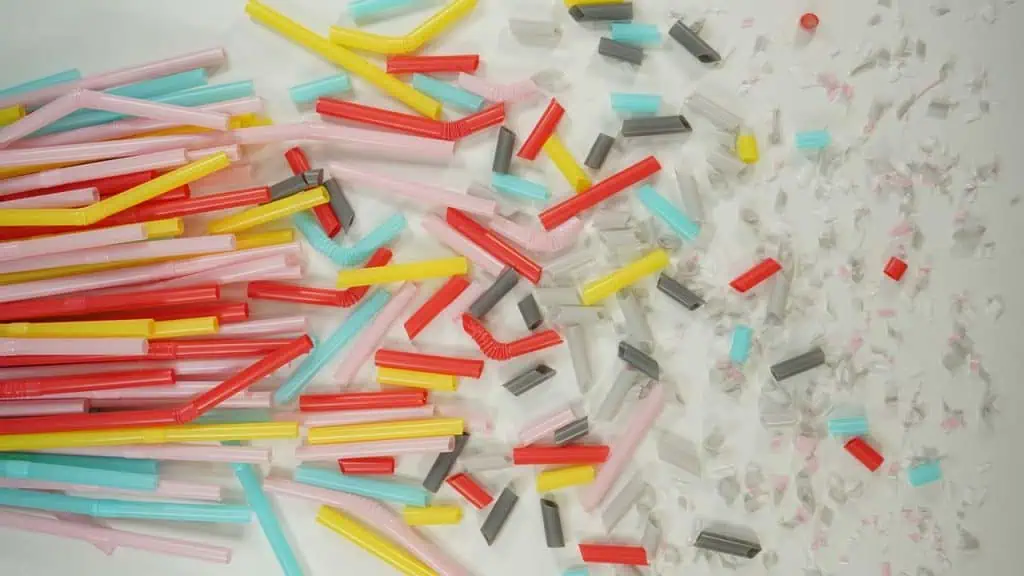
Plastics break down into microscopic particles known as microplastics, which can unknowingly enter your body through food stored in these containers. When exposed to heat or acidic foods, plastic can release these tiny particles, infiltrating your system. By opting for glass or ceramic containers, you minimize your exposure to these health-compromising particles, offering a safer storage solution for your culinary creations.
Heart Disease and Stroke Risk Doubles

The chemicals used in plastics can leach into foods, potentially contributing to health risks like heart disease and stroke. Studies have shown that consistent exposure to these materials may double these risks. Swap out plastic for durable options like stainless steel, which does not react chemically with stored foods. This simple switch can help safeguard against long-term cardiovascular issues while ensuring a healthier kitchen environment.
The Hidden Chemical Cocktail
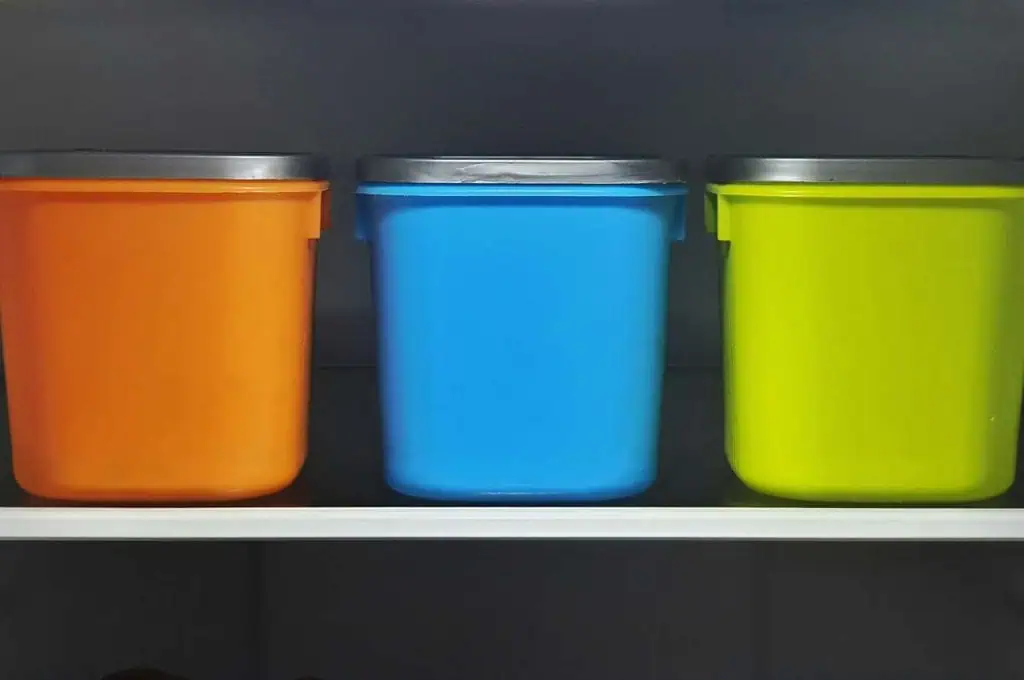
Plastic containers can release a cocktail of chemicals, especially when scratched or heated. These include known endocrine disruptors that can interfere with hormonal function. Choosing glass or BPA-free alternatives without hidden chemicals ensures that your food remains pure. Investing in quality materials not only enhances food safety but elevates the standard of care and consciousness in your culinary routine.
Why “BPA-Free” Labels Aren’t Safe
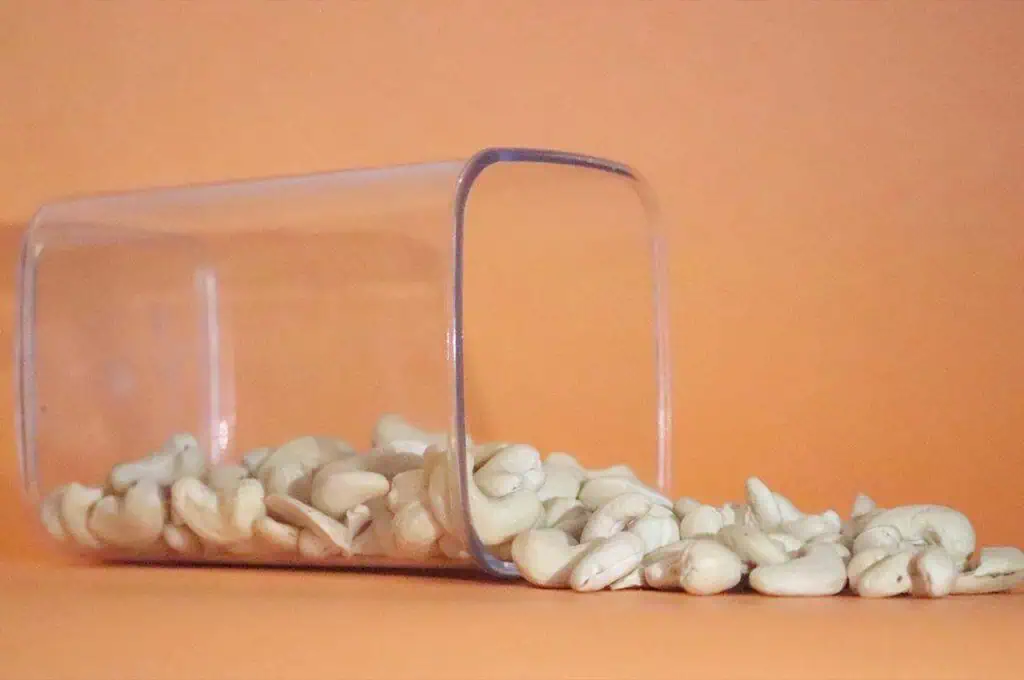
The “BPA-Free” label can be misleading, as manufacturers may substitute BPA with other, equally harmful chemicals like BPS. Neither has been proven safe, and both can leach into food. Glass, bamboo, or stainless steel eliminate these concerns entirely, setting a higher standard for non-toxic food storage. By avoiding such substitutions, you ensure a healthier choice that aligns with an uncompromising commitment to wellness.
Recycled Plastic: Worse Than You Think
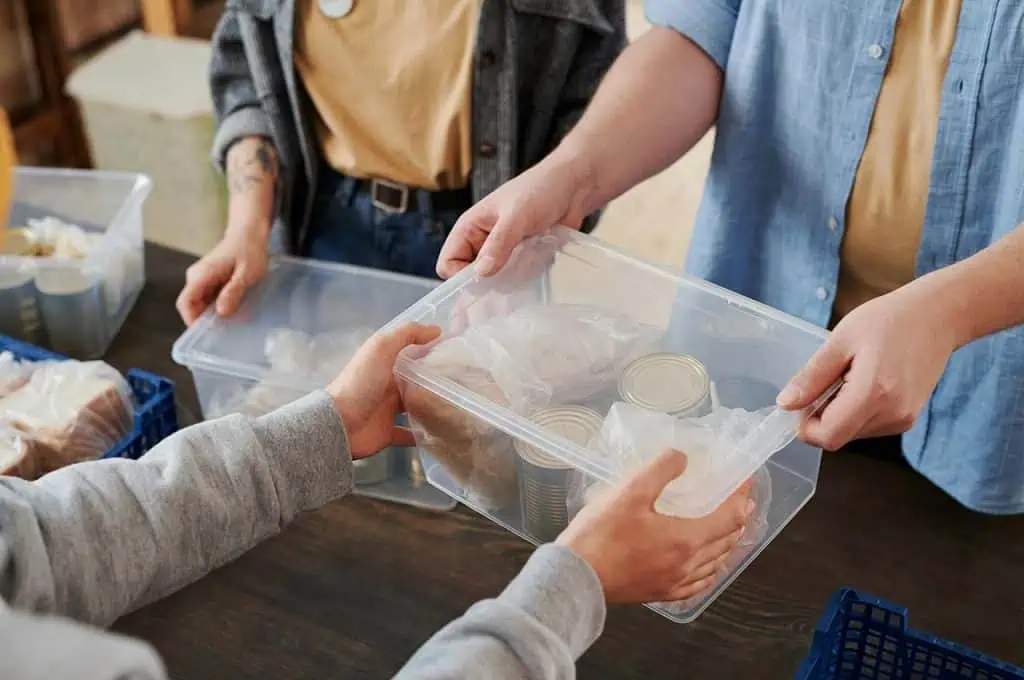
Recycled plastic containers often contain unidentified additives and chemicals. Unlike virgin plastic, these can release harmful substances, especially when they degrade. This degradation accelerates through ordinary wear and tears such as scratches or exposure to acidic foods. Ensuring food safety becomes challenging since the composition of recycled plastics isn’t always well-regulated. Transitioning away from these materials can lead to a safer kitchen environment and a more sustainable storage practice.
Food Recalls Skyrocket Due to Contamination

Plastic containers, particularly those recycled, are prone to harbor bacteria in microscopic crevices. These imperfections can lead to cross-contamination and increase the likelihood of food recalls. With their porous nature, plastics might also absorb oils or odors from previous foods, potentially contaminating future contents. Switching to non-porous options like glass significantly reduces these risks, allowing for easier, more thorough cleaning.
Heat Makes Everything Worse
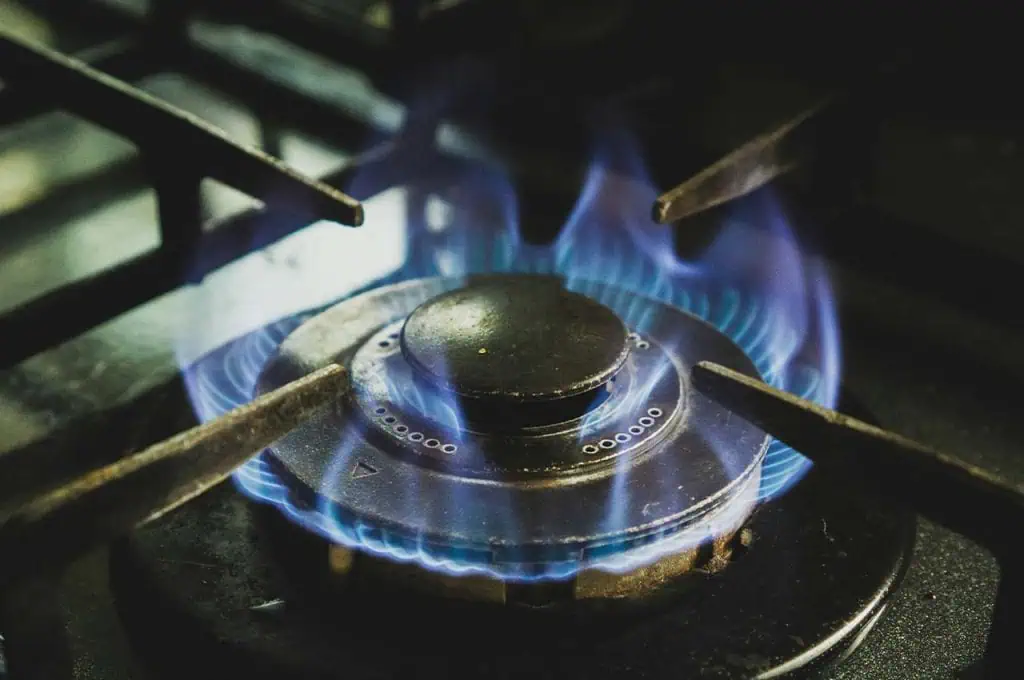
Exposing plastic containers to heat from microwaves or hot foods can cause them to leach chemicals into their contents. This risk is heightened with recycled plastics or those showing wear. Even dishwasher-safe plastics can degrade over time with repeated exposure to high heat. Opt for containers that resist heat, such as glass, to ensure that stored foods remain uncontaminated and flavors remain pure.
The Cancer Connection
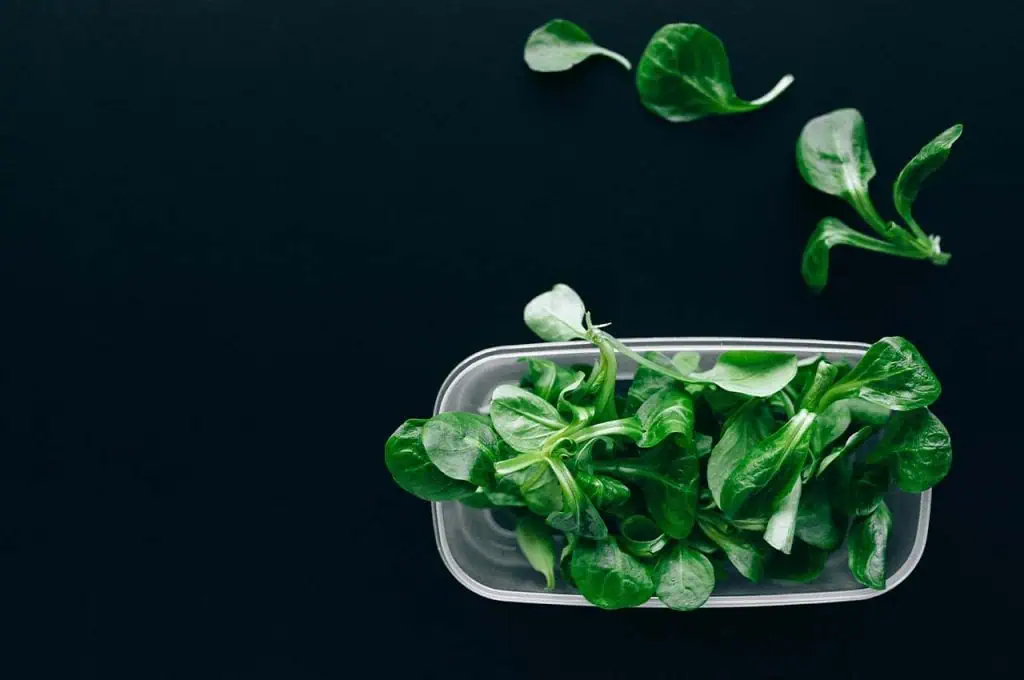
The potential for certain plastics to leach carcinogens has led to growing concern. BPA and phthalates are among the chemicals found in some plastics that can mimic hormones, disrupting bodily functions. Fewer risks accompany glass storage. Free from potentially harmful chemicals, glass provides a safer alternative for preserving the integrity of your food. Opting for glass can prevent exposure to substances linked to long-term health issues.
Glass: The Clear Winner for Storage

Glass containers are preferred for their non-porous nature, durability, and ability to safely withstand heat. These qualities ensure no flavor transfer or chemical contamination. Glass is also transparent, which aids in identifying contents easily without needing to open lids. Their smooth surface resists scratches, maintaining hygienic conditions even after extensive use. Investing in glass options supports both health and practical efficiency in everyday kitchen storage.
Stainless Steel: Unbreakable Champion
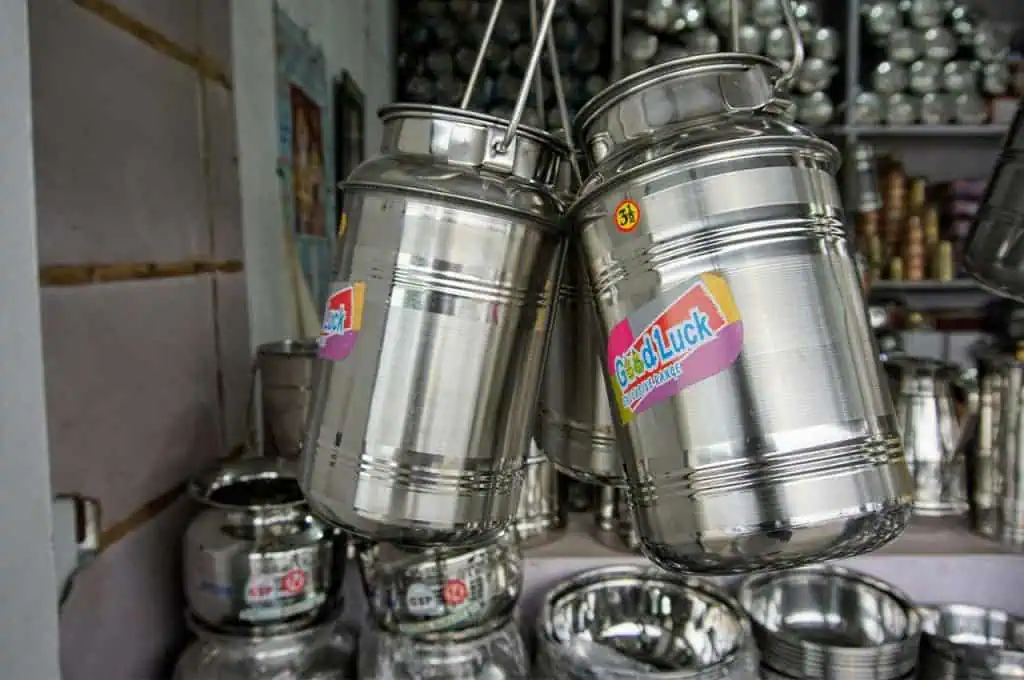
Stainless steel containers offer unparalleled durability, retaining their shape without the warping or staining common in plastic alternatives. They’re ideal for storing leftovers as they resist absorbing odors and flavors, ensuring your meals taste fresh. Their non-porous surface provides an easy-to-clean option that can endure frequent washing, saving you time and effort. When selecting containers, ensure they feature airtight lids, preserving the integrity of the food and reducing spoilage risk. Discover the reliability of stainless steel for a truly practical upgrade.
Ceramic and Silicone: Safe Storage Options
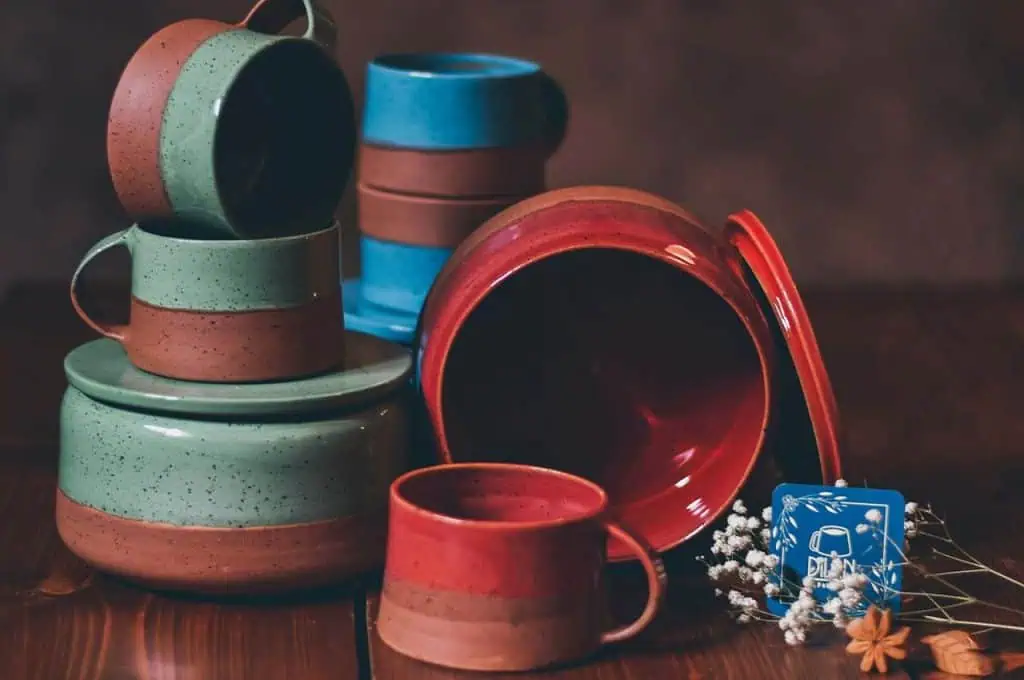
Ceramic containers provide an elegant and versatile storage solution, maintaining food quality with their non-toxic, non-reactive surfaces. They’re perfect for both storage and serving, transitioning seamlessly from refrigerator to table. On the other hand, silicone storage offers flexibility with a lightweight, collapsible design that’s easy to store when not in use. Both options are free from harmful chemicals, offering peace of mind concerning food safety. Embrace the aesthetic and functional benefits of ceramic and the practicality of silicone for a well-rounded kitchen.
The Cost of Inaction
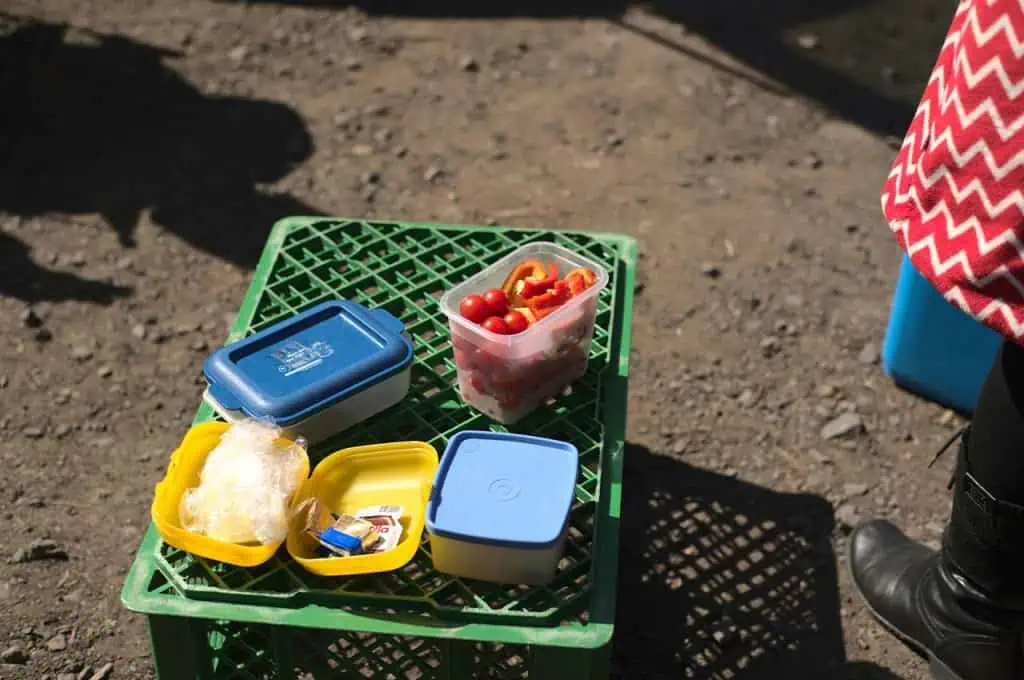
Persisting with plastic containers can silently impact both health and sustainability. Over time, plastics may leach chemicals into food, raising health concerns, especially when heated. These containers aren’t as durable, leading to more frequent replacements and contributing to environmental waste. Investing in alternatives like stainless steel or ceramic not only elevates food safety but also promotes longevity and ecological responsibility. Prioritizing smarter storage solutions today prevents unforeseen expenses and environmental impacts tomorrow. Choose wisely for a sustainable kitchen future.
