
7 Forgotten Fast Food Chains That Used to Rule the Road
Exploring the landscape of the fast-food industry reveals a history peppered with chains that once thrived and then faded into obscurity. These forgotten fast-food giants, each with their unique offerings and cultures, once captivated the taste buds of travelers nationwide. Here, we delve into a few of these notable names, examining what made them stand out and the special place they held in the hearts and stomachs of their patrons.
Howard Johnson’s: The Highway Haven

Howard Johnson’s was once the beacon for America’s road travelers, offering familiar comfort food in an era dominated by family vacations. At its peak, it was synonymous with reliable quality and child-friendly environments. Always look for their distinctive fried clam strips and 28 flavors of ice cream. The secret to their appeal lay in a consistent preparation method that included fresh ingredients and a unique batter for just the right amount of crunch, creating a dependable culinary experience.
Burger Chef: McDonald’s Rival Vanished
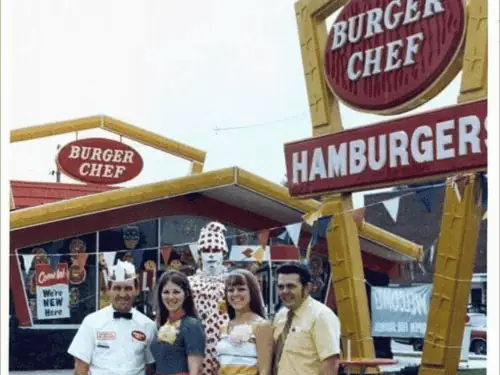
Burger Chef was once the fast-food pioneer that posed a serious challenge to McDonald’s dominance. Boasting an innovative approach, it introduced new concepts such as the works bar, allowing customers to customize their burgers. Their flame-broiled burgers were complemented by the unique, crispy texture of their fries. An acute focus on variety and quality in food presentation had once set it apart, providing an early blueprint for the modern fast-food experience.
Kenny Rogers Roasters: Comfort with Country Flair
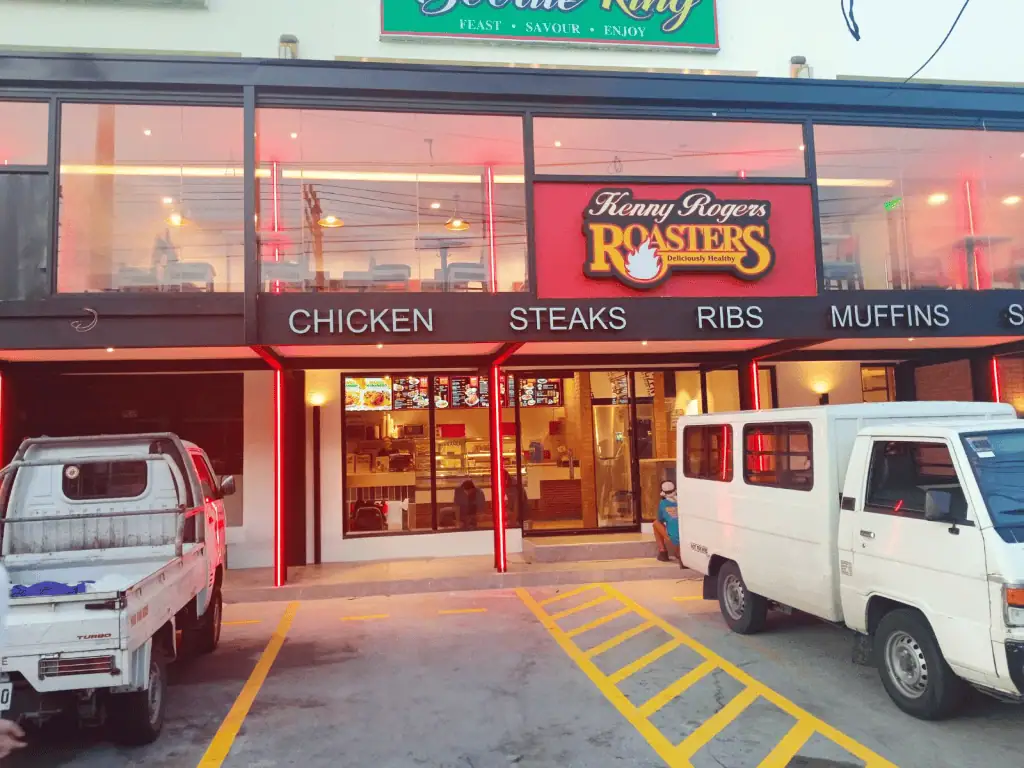
Kenny Rogers Roasters introduced a homestyle cooking charm, focusing on rotisserie chicken as its star. Its success lay in perfectly marinated chicken, offering a harmonious blend of spices that seeped through each bite. Side dishes like cornbread and mashed potatoes were crafted with care, featuring a sumptuous, creamy texture and rich flavors that felt like a warm embrace. The emphasis on hearty and wholesome meals brought a comforting dining experience to fast food.
Gino’s Hamburgers: NFL Fame and Flavor
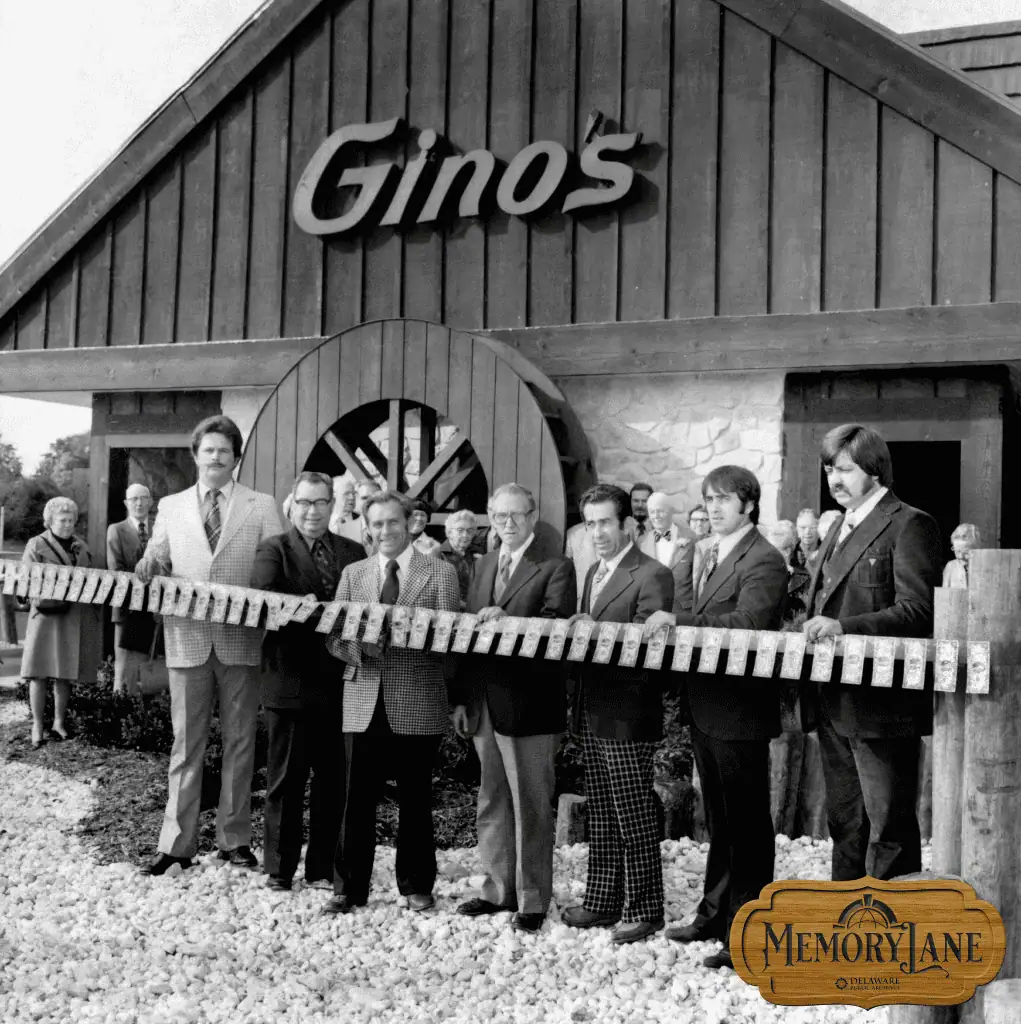
Gino’s Hamburgers carved a niche by combining football fame with fast-food prowess, co-founded by the Baltimore Colts’ Gino Marchetti. Known for its hamburgers garnished with fresh toppings and a special sauce, Gino’s emphasized the importance of freshness and flavor balance. Their signature dish offered a tender, juicy patty paired with crisp lettuce and ripe tomatoes, an exemplary lesson in the significance of ingredient quality and careful layering in crafting an unforgettable burger.
Chi-Chi’s: Rise and Fall of a Mexican Giant
Chi-Chi’s, once a staple in the realm of Mexican-American cuisine, became popular for its vibrant dishes and lively atmosphere. Known for chimichangas and salsa that danced with flavors of cumin and chili, Chi-Chi’s offered a taste that’s still nostalgically remembered. The guacamole, smooth and creamy, highlighted ripe avocados balanced with lime and cilantro, embodying freshness. However, the outbreak of foodborne illness coupled with increased competition led to its downfall. Chi-Chi’s serves as a lesson in the importance of quality control and evolving with consumer trends to avoid becoming a culinary relic.
Pup ‘N’ Taco: California’s Quirky Quick Bites

Pup ‘N’ Taco was a unique blend of American and Mexican influences that drew customers with its affordable yet intriguing offerings. The menu presented an eclectic mix of tacos and hot dogs, with both enjoying a loyal fanbase. The food stood out for its textural contrast, with warm, soft tortillas cradling spiced fillings, and hot dogs wrapped in pillowy buns topped with tangy, crisp condiments. Despite its appeal, the chain was eventually purchased by Taco Bell, marking the end of an era. Its legacy remains a reminder that inventive combinations can capture hearts, but businesses must adapt to survive.
Sambo’s: From Nationwide to Nowhere
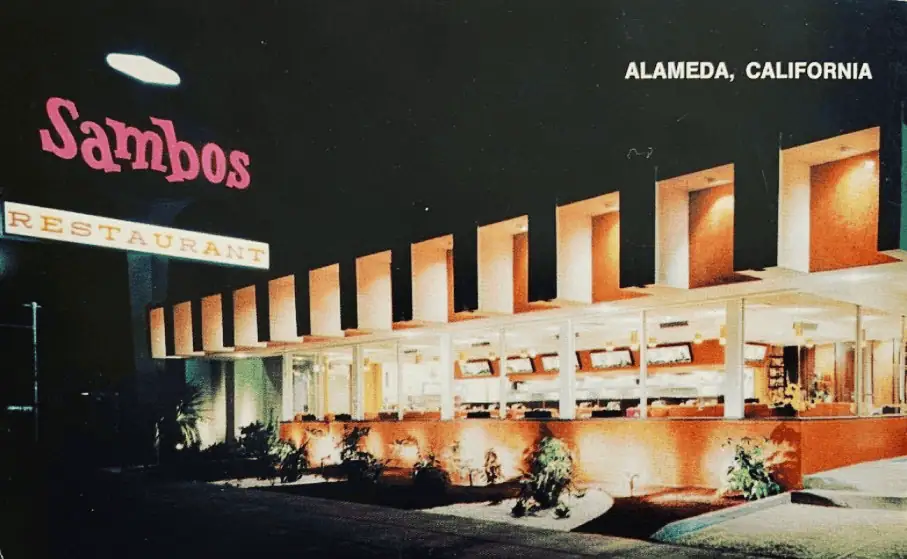
Sambo’s, originally famed for its all-day breakfasts and inviting family-friendly ambiance, was at one time a dominant force in the diner landscape. The fluffy pancakes, drizzled with rich maple syrup, offered comfort with every bite. Scrambles and omelets bursting with cheese, peppers, and ham were deeply satisfying, emphasizing hearty goodness and freshness. Despite its culinary offerings, the brand faced backlash over its name and theme, which ultimately led to its closure. The story of Sambo’s underscores the importance of cultural sensitivity and adaptation in branding for the longevity and acceptance of a business.
