
Are Insects the Future of Protein?
Okay, don’t freak out. We know what you’re thinking. Bugs? For dinner? But here’s the thing—over two billion people around the world already eat insects on purpose. Not as a dare or a survival stunt, but as a normal, delicious, protein-packed part of their diet. Crickets, mealworms, grasshoppers—they’re showing up in gourmet restaurants, protein bars, and even baked goods. And honestly? They might just be the future of food. With the planet getting hotter, water getting scarcer, and traditional farming putting a huge strain on the environment, insects offer a seriously smart solution. They take less land, less water, and produce way fewer greenhouse gases than cows or pigs.
But what do they actually taste like? Surprisingly mild. Roasted crickets have a nutty, earthy flavor. Cricket flour just tastes like… flour. And when you season them right? You might not even notice they’re bugs. In this article, we’ll break down the nutritional benefits (hint: they’re packed with protein, iron, and fiber), the environmental wins, and the safest ways to eat them. We’ll also talk about allergies and why buying from clean, certified farms matters. So take a deep breath and keep an open mind. You might just discover your new favorite protein—even if it has six legs.
The Rise of Insect Cuisine

In recent years, insects have made their way into gourmet kitchens and street markets, celebrated for their potential to reduce the food industry’s ecological footprint. Cooks appreciate their ability to absorb flavors, making them suitable for fusion dishes or traditional recipes reinvention. As familiarity grows, innovations in preparation and presentation continue to expand their appeal.
Nutritional Benefits Explored

Insects are rich in protein, comparable to meat, while providing essential vitamins and minerals. They are low in saturated fats and high in fiber, bridging nutritional gaps and supporting a balanced diet. Their nutrient density also makes them efficient for weight management and health-conscious diets, appealing to varied culinary needs and preferences.
Sustainability and Environment
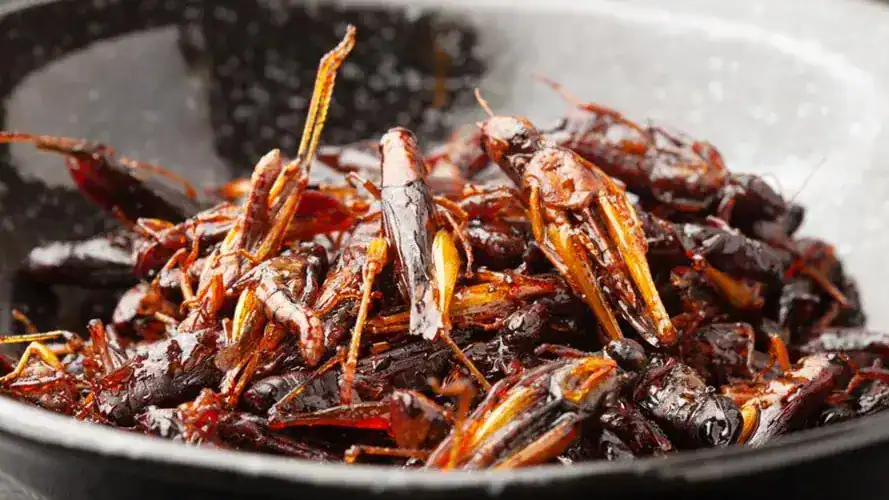
Insects require significantly less land, water, and feed than traditional livestock, positioning them as a sustainable protein solution. Their rapid reproduction and growth rates lead to energy-efficient farming, reducing greenhouse emissions. As environmental impact awareness rises, insects offer a feasible path towards sustainable food consumption.
Popular Insect-Based Foods

Crickets, mealworms, and grasshoppers are leading choices in insect-based cuisine. Cricket flour adds a protein punch to baked goods, while roasted insects provide a crunchy texture to salads and snacks. Insect powders easily integrate into smoothies, while whole insects can enhance stir-fries or serve as protein-rich toppings, showcasing their culinary range.
Health and Safety Considerations

Insect consumption is supported by research highlighting their rich protein content and essential nutrients like iron and zinc. However, it is crucial to address allergenic potential, much like shrimp and shellfish. Proper labeling and sourcing from certified, hygienic farms ensure consumer safety. Additionally, processing methods such as roasting and drying can improve digestibility and eliminate pathogens. With these precautions, insects can be a safe, nutritious addition to diets, meeting varied dietary needs responsibly.
