
Protein by Age: How Much You Really Need in Every Decade
Here’s something they don’t teach you in school: the amount of protein you need changes as you get older. Yep, the same diet that worked great in your 20s might not cut it in your 40s or 50s. And that’s totally normal. Your body goes through all kinds of changes—metabolism slows down, muscles naturally start to shrink, and your nutritional needs shift right along with it. Protein is the unsung hero here. It helps repair muscles, keeps your immune system strong, and even plays a role in hormone production. But here’s the kicker: too little protein can leave you feeling tired and weak, while the right amount can keep you energized and strong for decades to come.
So how much do you actually need? And does it change every decade? Absolutely. In this article, we’re breaking down your protein needs from your 20s all the way into your 60s and beyond. You’ll learn why your 20s are all about building muscle, why your 40s call for a little more protein to fight natural decline, and why your 60s demand high-quality, easy-to-digest sources like fish, eggs, and legumes. We’ll also share practical tips—like spreading protein evenly across meals and choosing whole foods over powders—so you can feel your best at every age. No complicated science. Just real advice for real life. Let’s dive in.
Protein Needs in Your 20s
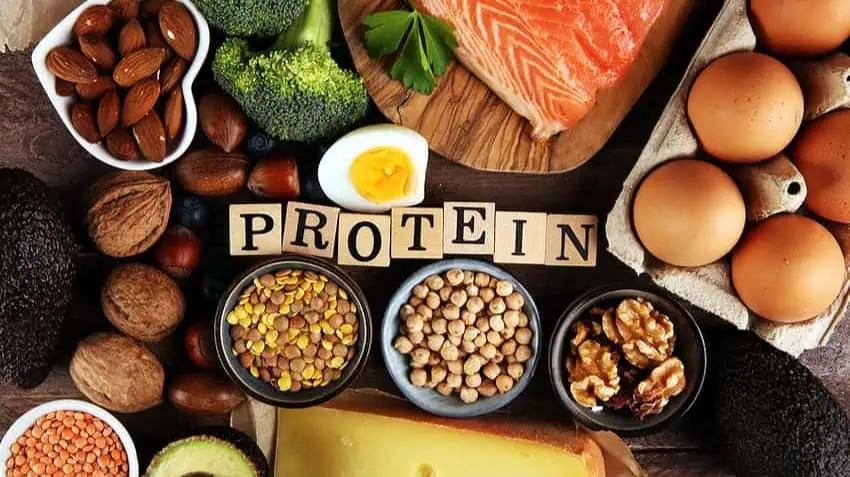
In your 20s, your body is still developing, and protein plays a key role in muscle growth and recovery, particularly if you’re active. Aim for about 0.8 grams of protein per kilogram of body weight. Include lean options like chicken, fish, and plant-based sources such as lentils and quinoa. Focus on whole foods rather than supplements to ensure you’re also getting essential vitamins and minerals. Pay attention to meal timing; spread your protein intake evenly across meals to maximize muscle synthesis.
Optimal Protein for Your 30s
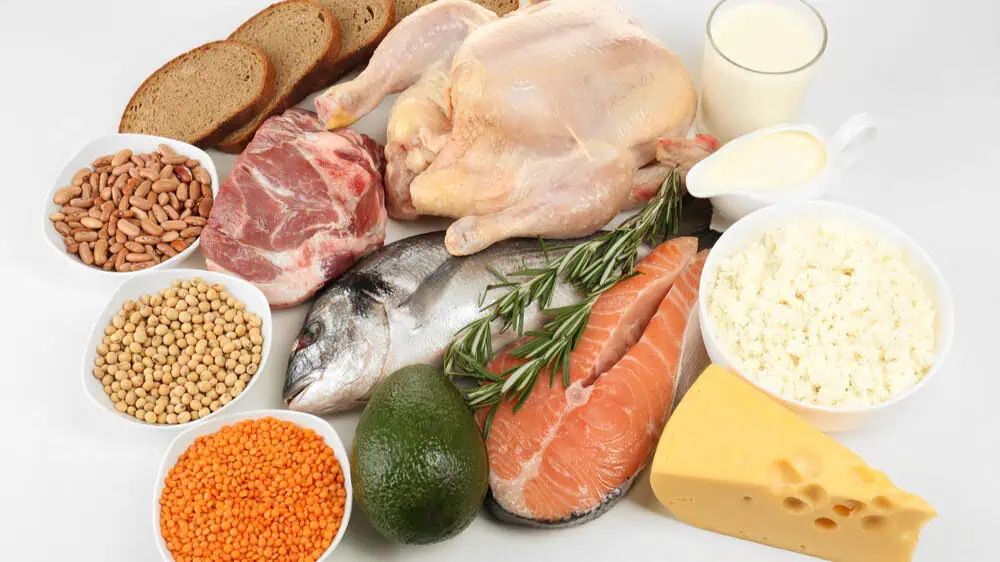
As you move into your 30s, maintaining muscle mass becomes important. Slightly increase your protein intake to about 1.0 gram per kilogram of body weight. Include a variety of sources to ensure a balanced amino acid profile. Consider adding more plant-based proteins like chickpeas and tofu to your diet, alongside lean meats. This is the decade to focus on quality over quantity, choosing whole foods that nourish your body and support metabolic health. Stay mindful of protein-rich snacks such as Greek yogurt and nuts for sustained energy.
Adjusting Protein Intake in Your 40s
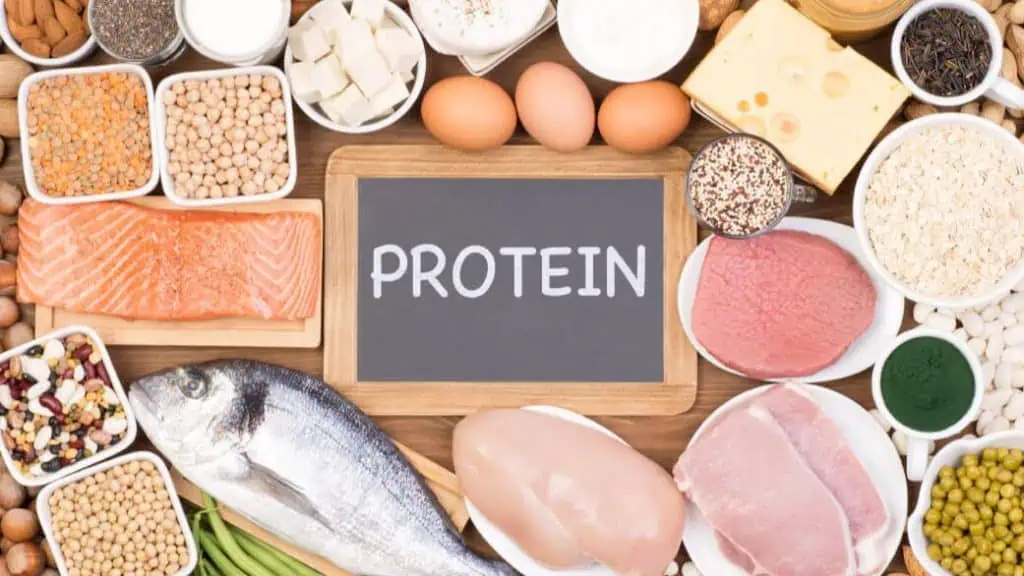
In your 40s, protein is vital for sustaining metabolism and muscle mass, which naturally begin to decrease. Aim for 1.2 grams per kilogram of body weight. Incorporate high-quality proteins from diverse sources. Prepare meals that include eggs, fish, and legumes. Experiment with marinades and spices to make each dish flavorful and exciting. This is also the time to pay attention to portion sizes and timing, incorporating protein into every meal to prevent loss of muscle strength and to support daily activities.
Maintaining Muscle in Your 50s
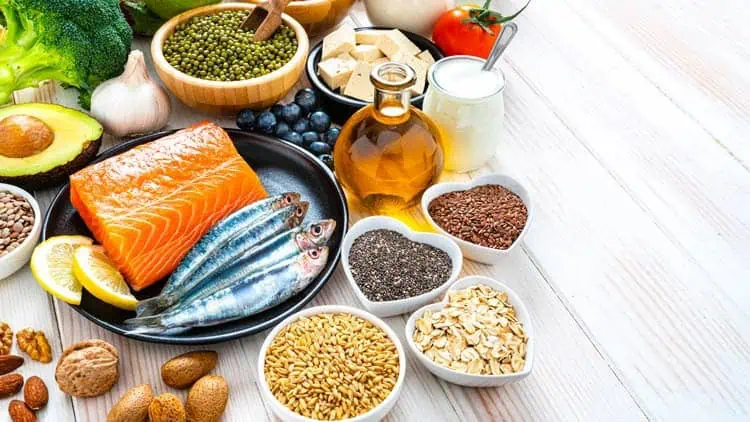
By your 50s, protein aids in counteracting the natural decline in muscle mass and preserving bone health. Increase your intake to around 1.2 to 1.5 grams per kilogram of body weight, focusing on easily digestible proteins like fish and eggs. Include plenty of vegetables and whole grains to promote digestion and complement protein intake. Lean toward low-fat dairy and fortified plant-based options to support overall nutrition. Regularly balance physical activity and diet to maintain muscle function and vitality.
Supporting Health in Your 60s and Beyond

Prioritizing protein intake in your 60s and beyond supports muscle maintenance and overall health. Aim for sources like lean meats, fish, legumes, and dairy to ensure a complete amino acid profile. Incorporate gentle cooking methods such as steaming, poaching, or slow cooking to retain moisture and enhance digestibility, which can be beneficial as digestion changes with age. Focus on variety by introducing nutrient-rich options such as quinoa, lentils, and nuts, which also provide essential fiber and micronutrients. Season with herbs and spices rather than salt to enhance flavors while considering heart health. Ensure portion sizes are adequate to meet individual needs, supporting daily energy and vigor.
