
Cutting Back on Sugar? These 10 Fruits Might Not Help
Fruits are often touted as nature’s candy, rich in vitamins, fiber, and antioxidants. However, when aiming to cut back on sugar, it’s crucial to recognize that some fruits contain higher sugar levels than others. Understanding which fruits to moderate can help maintain a balanced diet. Here, we explore ten fruits that, despite their nutritional benefits, might not align with low-sugar goals. We delve into their sugar content and offer insights into how they fit into a health-conscious lifestyle.
Bananas: More Sugar Than You Think

Bananas are a convenient snack, but they’re also high in natural sugars. A medium banana contains around 14 grams of sugar. As they ripen, their starch turns into sugar, increasing sweetness. To mitigate this, consider eating slightly greener bananas, which retain more resistant starch and have a lower sugar profile. Incorporating bananas into a balanced meal, such as with protein or healthy fats, can help moderate the sugar impact on your blood sugar levels.
Mangoes: A Tropical Sugar Boost
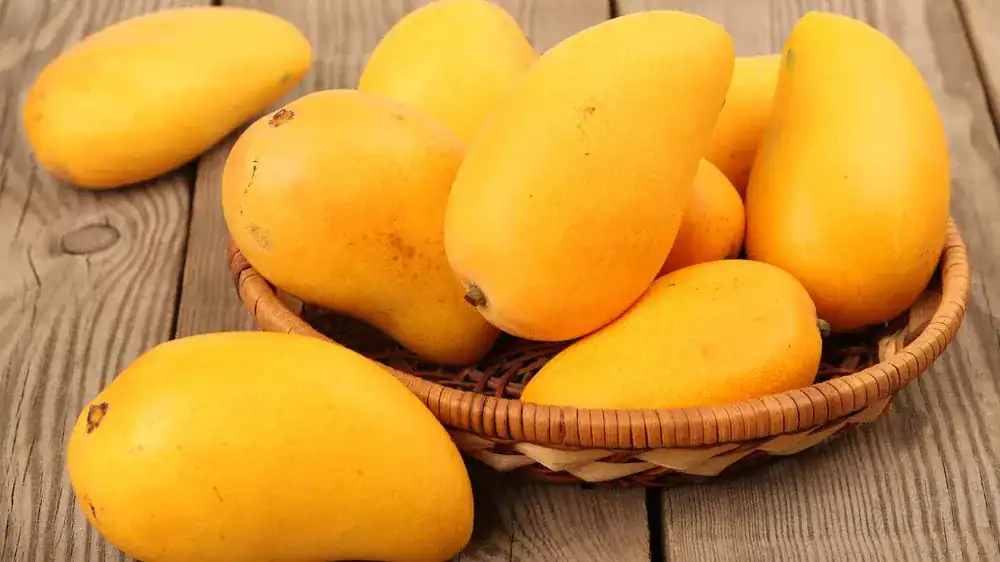
Mangoes are beloved for their juicy, vibrant flavor but come with a hefty sugar content of about 46 grams per fruit. This tropical treat is best enjoyed in moderation, especially if sugar intake is a concern. When consuming mangoes, pairing them with a protein or fiber source can help slow the sugar absorption. Consider adding small amounts to smoothies or salads for a burst of flavor without overwhelming your diet with sugars.
Grapes: Bite-Sized Sugar Bombs
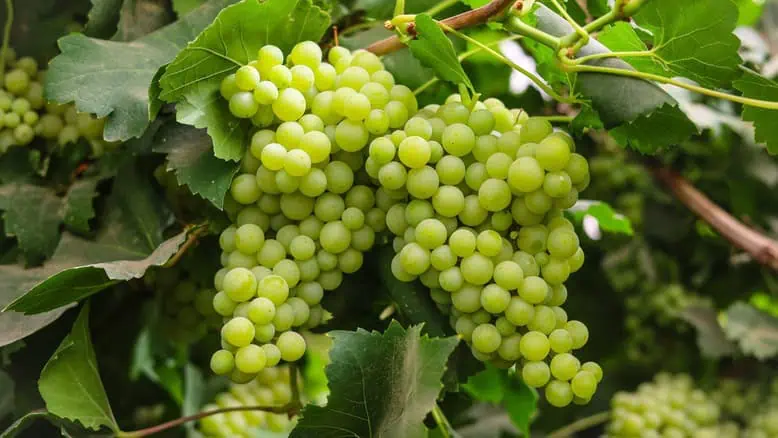
Grapes pack a surprising sugar punch in their small size—nearly 23 grams in a single cup. These easy-to-pop fruits are easy to overconsume. To indulge thoughtfully, try freezing grapes, which makes them last longer and can help prevent overeating. Balancing servings with protein, such as a handful of nuts or a slice of cheese, can create a more balanced snack. Opt for red or black varieties offering additional antioxidants.
Cherries: Sweetness in Every Bite
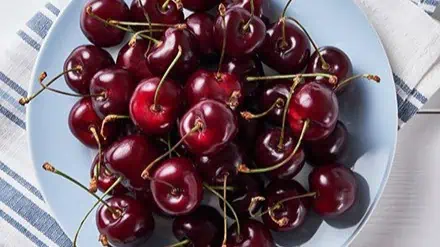
Cherries, with their rich flavor and juicy texture, offer about 18 grams of sugar per cup. Their appealing sweetness can make it challenging to limit portions. To enjoy cherries while managing sugar intake, consider adding them to Greek yogurt for a protein boost or using them sparingly in oatmeal. This way, you still benefit from their antioxidants and vitamins without consuming too much sugar at once.
Pomegranates: More Than Just Seeds
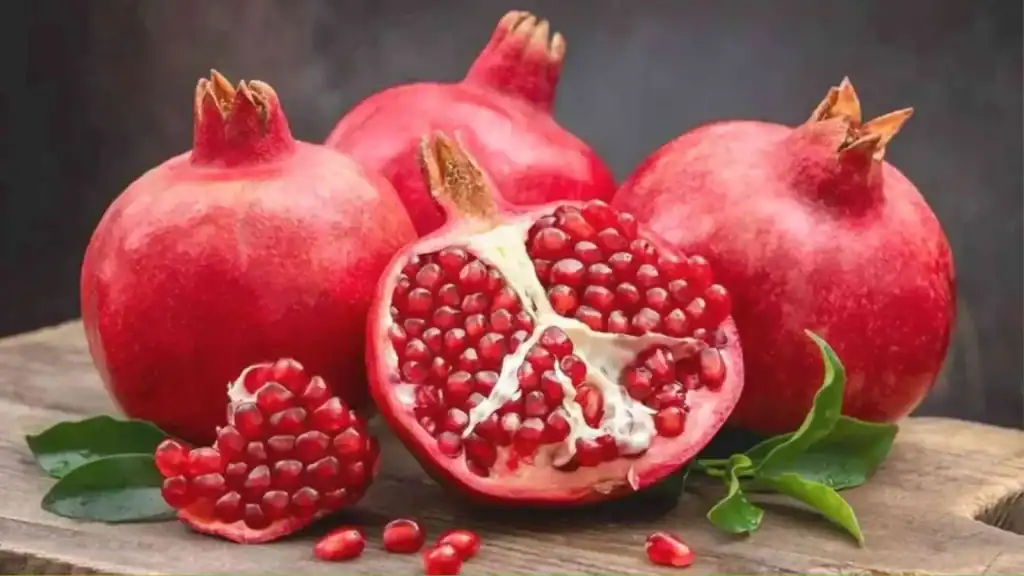
Pomegranates boast juicy arils bursting with flavor, but they also come with a hidden sugar punch. With the perfect balance of tartness and sweetness, pomegranates add complexity to dishes. Each aril is coated with natural sugars that enhance their taste, making them deceptively high in sugar content. When incorporating them into salads or desserts, be mindful of their sweetness to maintain balance. Using pomegranates, you can elevate dips and sauces while keeping an eye on sugar levels by pairing them with tangy ingredients.
Figs: Nature’s Chewy Candy

Figs are celebrated for their luscious, honeyed quality, offering an intense sweetness that can rival candy. Their sumptuous texture makes them suitable for both sweet and savory applications. When dried, figs concentrate their natural sugars, intensifying their sweet character. Fresh figs, albeit less concentrated, still carry significant sugars. Include them in dishes where their sweetness complements robust flavors, like goat cheese or prosciutto. Remember, their high sugar content means a little goes a long way in enhancing flavor.
Lychees: Exotic Yet Sugar-Heavy
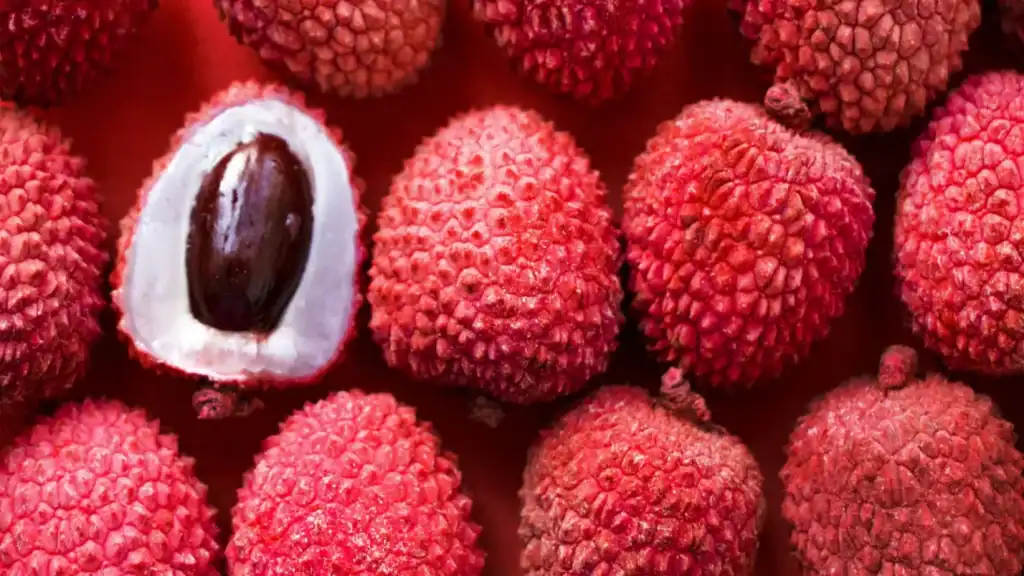
Lychees allure with their aromatic and floral sweetness, distinctive amongst tropical fruits. Despite their delicate flavor, they pack substantial natural sugars within their translucent flesh. When fresh, lychees serve as a refreshing treat, but their sugar content is notable. Consider using them sparingly in fruit salads or as toppings for desserts to add a unique twist without overwhelming the dish. Pairing lychees with citrus can help balance their sweetness and introduce acidity for a more harmonious profile.
Pineapples: Citrusy Sugar Rush
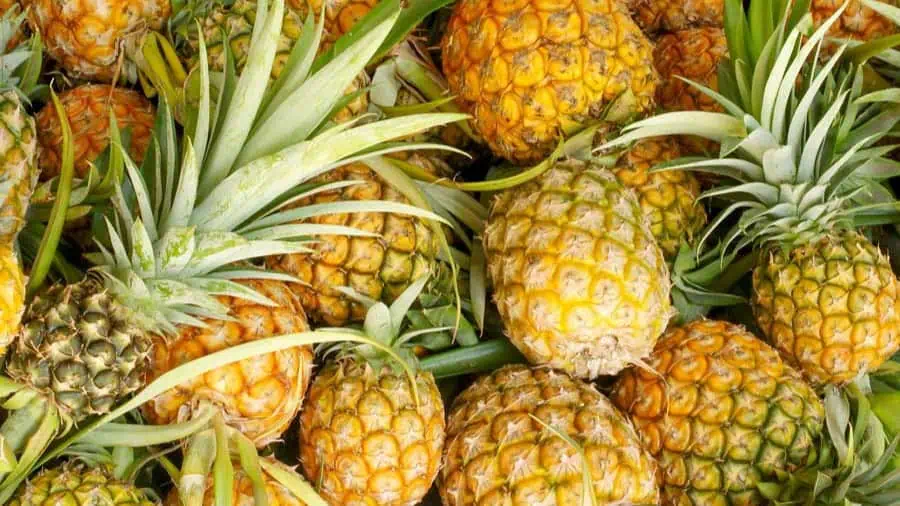
Pineapples are known for their vibrant, tropical flavor, with a sweetness heightened by their underlying tang. Their sugar content is considerable, adding a zesty sweetness to marinades and salsas. When grilling pineapples, their sugars caramelize beautifully, intensifying their sweetness, so balance with savory or acidic ingredients. Pineapple juice can act as a natural sweetener, but its potent nature requires careful consideration to avoid overpowering other elements in a dish.
Grapefruits: Bitter and Sugary Surprise
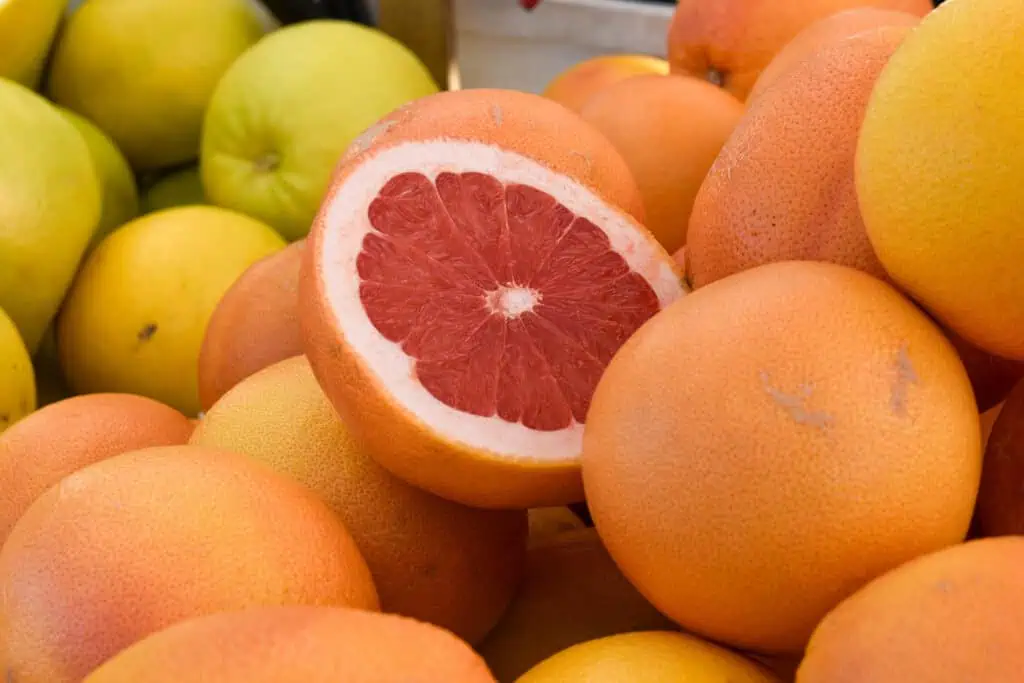
Grapefruits often surprise with their sharp, slightly bitter taste, accompanied by a surprising sugar level. This duality makes them versatile in culinary applications, from breakfast staples to elaborate salads. Choosing ruby red varieties can yield higher sugar content, contrasting with their characteristic bitterness. Use them to complement rich or spicy flavors, as their acidity can cut through heavier dishes. To mitigate their sweetness, consider pairing with herbs like mint or basil for a refreshing, balanced profile.
Plums: A Juicy Sugar Punch
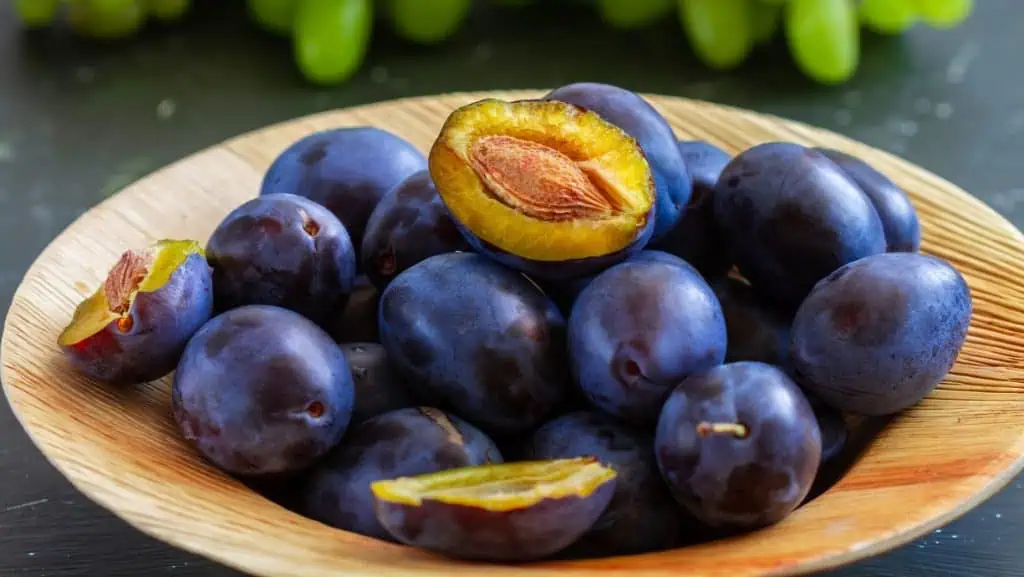
Plums deliver a satisfying sweetness with their juicy, tender flesh, providing around 16 grams of sugar per cup. When choosing plums, look for those with vibrant skin free of blemishes. Their natural sugars are intensified during ripening, making timing crucial—opt for slightly soft yet firm plums for optimal flavor. Roast them to enhance their caramel notes, or incorporate into salads for a burst of sweetness. Balancing them with tart or bitter ingredients like arugula or goat cheese can create a harmonious dish, highlighting their unique profile while offering complexity.
