
5 Things to Never Eat Or Drink While Traveling
When traveling, adventurous eating can lead to unexpected culinary delights. However, some foods and drinks can pose risks. Understanding what to avoid ensures a safer and more enjoyable journey. This guide highlights five items to approach with caution for the sake of your health and well-being when abroad.
The Risks of Raw Fish and Meat

Raw fish and meat, often not subjected to rigorous safety standards, can harbor harmful bacteria and parasites. Sushi, sashimi, or tartare should be consumed at reputable establishments known for high-quality sourcing and stringent hygiene practices. Opting for cooked options can prevent exposure to pathogens responsible for foodborne illnesses. Ensuring that your fish and meat are thoroughly cooked minimizes risks, allowing you to enjoy local flavors safely.
Dangers Lurking in Fresh Produce

Fresh produce in foreign destinations might be exposed to unfamiliar fertilizers and washing practices. Leafy greens and uncooked vegetables can carry bacteria or pesticide residues. Prioritize peeled fruits to minimize contact with contaminants. When salads are unavoidable, choose those made from boiled, steamed, or thoroughly washed vegetables. This approach helps maintain dietary balance while being vigilant about safe food consumption.
Why Dairy Can Be Dicey Abroad

Dairy products, such as cheese and milk, can trigger digestive issues due to different pasteurization standards or unfamiliar bacterial strains. Pasteurized and refrigerated options should always be prioritized to prevent discomfort from dairy intolerance, especially in regions with unpasteurized varieties. Checking storage conditions and understanding local consumption practices guide wise decisions, ensuring enjoyable culinary experiences without gastrointestinal distress.
Tap Water: A Hidden Hazard

Consuming local tap water can expose travelers to pathogens their immune systems are unaccustomed to, including bacteria and viruses. Always opt for bottled water, ensuring seals are intact, to safeguard against contamination. For added precaution, use bottled water for brushing teeth and avoid ice in beverages. Such vigilance can prevent waterborne illnesses, allowing you to relish your travels without health interruptions.
Street Food: Tasty But Troublesome
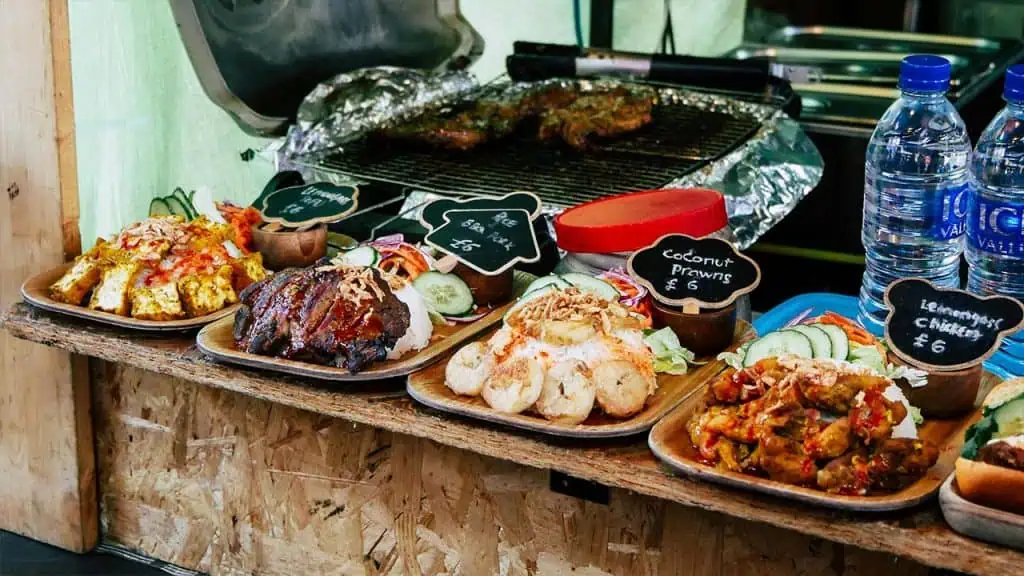
Street food offers cultural flavors but may pose health risks due to questionable preparation. Always assess the cleanliness of the vendor’s stall and observe if food is cooked to order. Avoid foods that have been sitting out, as they can harbor bacteria. Prefer hot, freshly cooked options, which reduce the likelihood of contamination. Opt for stalls with long queues; they indicate higher turnover and likely fresher ingredients. If unsure, prioritize fruits with peels or packaged items to enjoy local cuisine safely.
