
12 Foods That Changed the World—And the History Behind Them
Exploring the foods that have changed the world reveals how simple ingredients shape societies. From staples that sustained empires to commodities that sparked revolutions, these foods have driven innovation and cultural shifts. Understanding their impact provides valuable insight into culinary evolution and the forces that molded global cuisines.
Potatoes: Roots of a Revolution
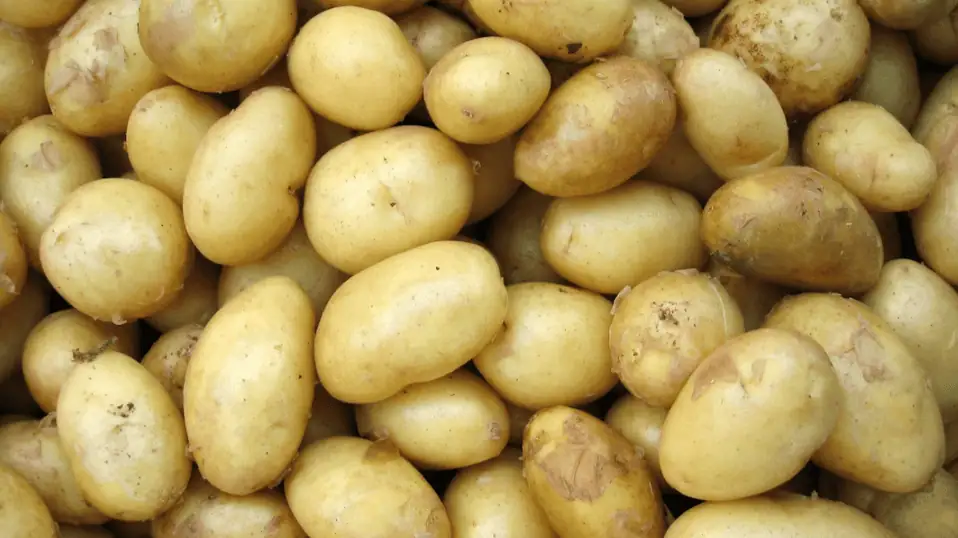
The introduction of potatoes to Europe revolutionized agriculture with their nutritional value and adaptability. They thrived in diverse climates and could sustain large populations, culminating in profound societal changes. Cooking techniques like boiling and roasting unlock a creamy texture and earthy flavor, demonstrating their versatility. Incorporating them with garlic and herbs elevates them from humble root to culinary star.
Corn: Feeding Empires
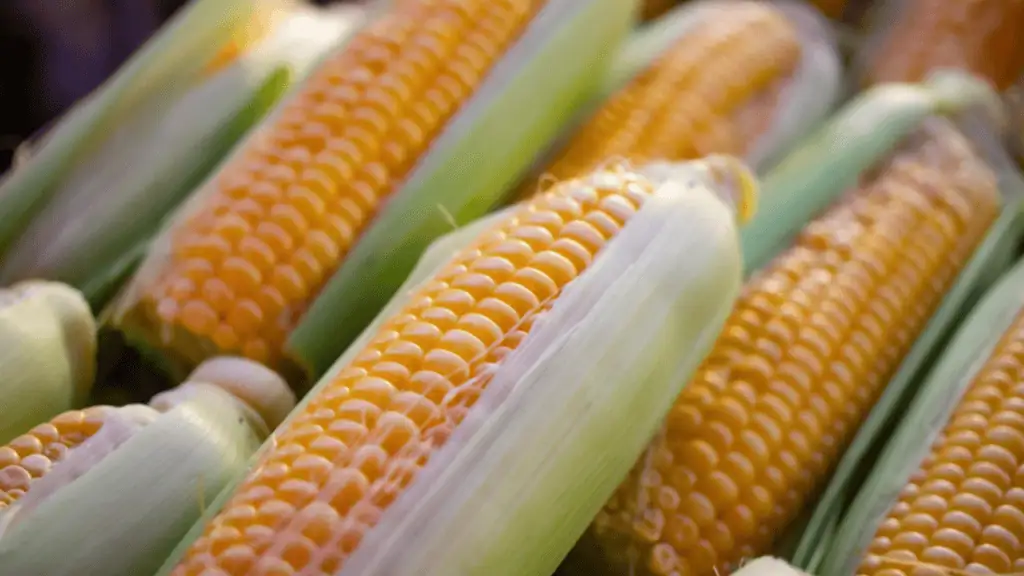
Corn has been central to civilizations from the Aztecs to modern agricultural giants. Its ability to grow in varied conditions made it crucial for nourishing large populations. Techniques such as nixtamalization improve its nutritional profile, transforming it into masa for tortillas. Cooking corn on the cob intensified its natural sweetness, while grinding it into flour showcased its adaptability.
Coffee: Sparking Ideas Worldwide

Coffee began as a ritualistic drink in Ethiopia and spread globally, becoming an intellectual stimulant. Its role in social institutions like coffeehouses influenced culture and conversation. Perfecting the brew involves grinding beans to the right consistency and balancing water temperature, extracting rich flavors. Mastering techniques like pour-over pays homage to its historical significance.
Sugar: Sweetening Global Trade

Sugar fueled international trade and colonial expansion, reshaping economies. Its desirability drove the growth of plantations, impacting global history. In cooking, its caramelization enhances dishes, while balancing sweetness and acidity elevates flavors. Utilizing sugar in glazes and desserts requires precision; understanding its roles from ingredient to catalyst expands its culinary potential.
Chocolate: From Ancient Rituals to Delicacies
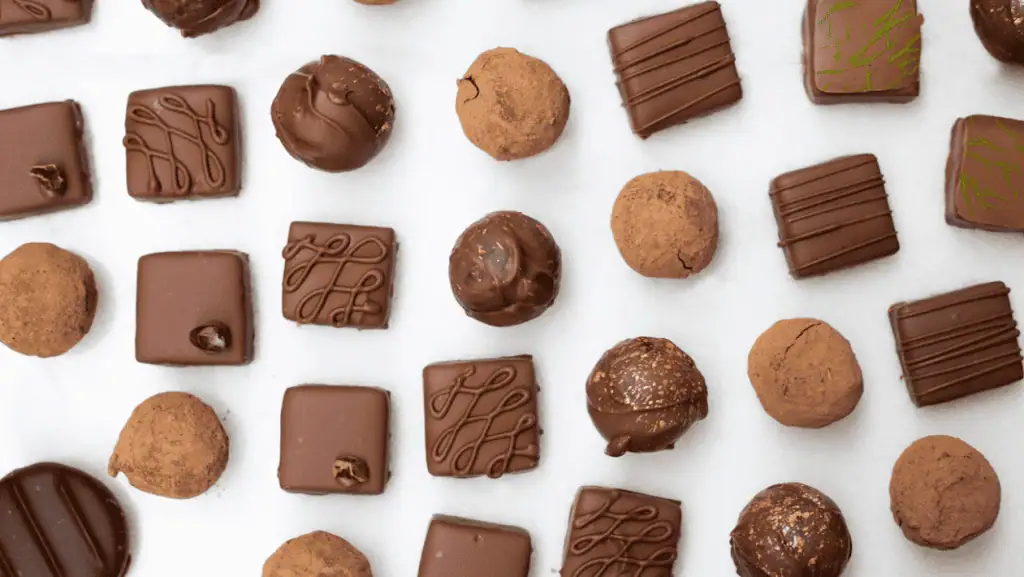
Chocolate’s journey from a revered Mayan treasure to a global delicacy is a testament to its versatility. Mastering chocolate’s tempering process is key; it ensures a glossy finish and satisfying snap. Melt chocolate slowly over a double boiler to prevent seizing. When incorporating chocolate into recipes, consider its cocoa content to balance sweetness and bitterness. Handmade truffles benefit from quality couverture chocolate, as it melts smoothly. Emphasize freshness by storing in a cool, dry place, avoiding moisture that could dull flavors.
Tea: Brewing Social Change
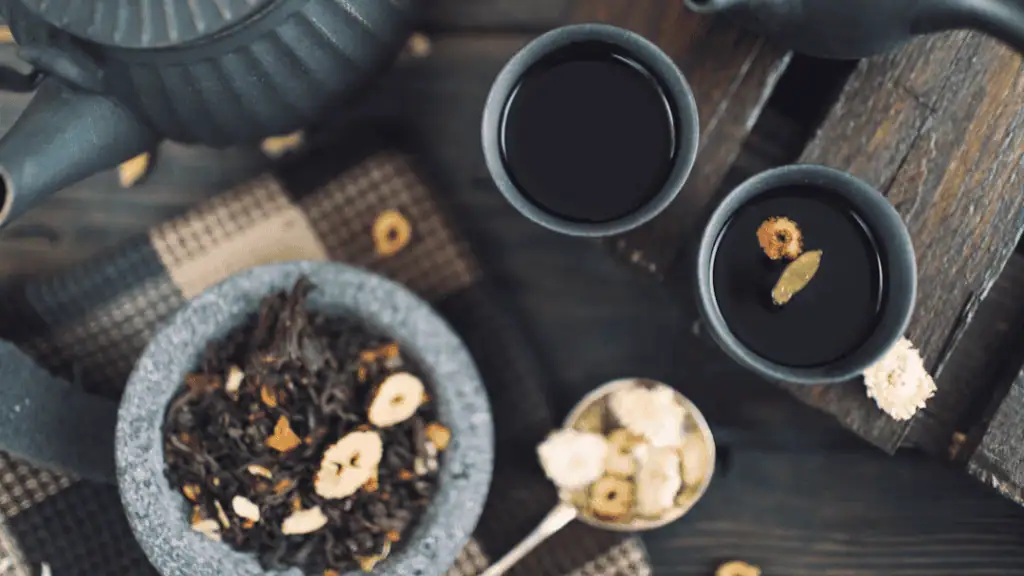
Tea’s role in shaping trade routes and cultures is profound, offering endless opportunities for exploration. A perfect brew begins with quality leaves, measured precisely. For green tea, use cooler water and a brief steep to highlight its grassy notes, while black tea can withstand higher temperatures and longer brewing for robust flavors. The gentle pour of water over leaves allows for an even release of aromas. Store teas in airtight containers to preserve their intrinsic qualities, and be mindful of pairings to complement its elegant nuances.
Rice: Foundation of Civilization
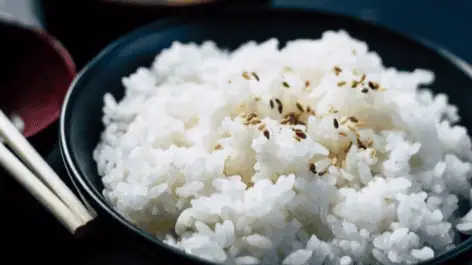
Rice’s simplicity belies its significance in culinary history, a staple that feeds billions. Achieving the ideal texture relies on rinsing grains to remove excess starch. For fluffy rice, the simmering technique in a covered pot with a precise ratio of water is crucial. Selecting appropriate rice varieties, like jasmine for fragrance or arborio for creamy risottos, maximizes their characteristics. Toasting grains before cooking can enhance nutty flavors. Storing rice in a dry, sealed container prevents spoilage and maintains its culinary integrity.
Salt: Preserving History

Salt, a catalyst for history’s preservative techniques, is indispensable in enhancing flavors. Understanding the variety—kosher, sea, or flaky Maldon—guides its use in cooking. Kosher salt dissolves evenly, perfect for general seasoning. Use sea salt to finish dishes, adding a textural contrast. Precise seasoning can elevate a dish; developing this instinct requires practice. Salt cures, like gravlax or preserved lemons, utilize salt’s transformative properties. Store salt in a cool, dry place to maintain its efficacy over time.
Tomatoes: Transforming the Italian Table
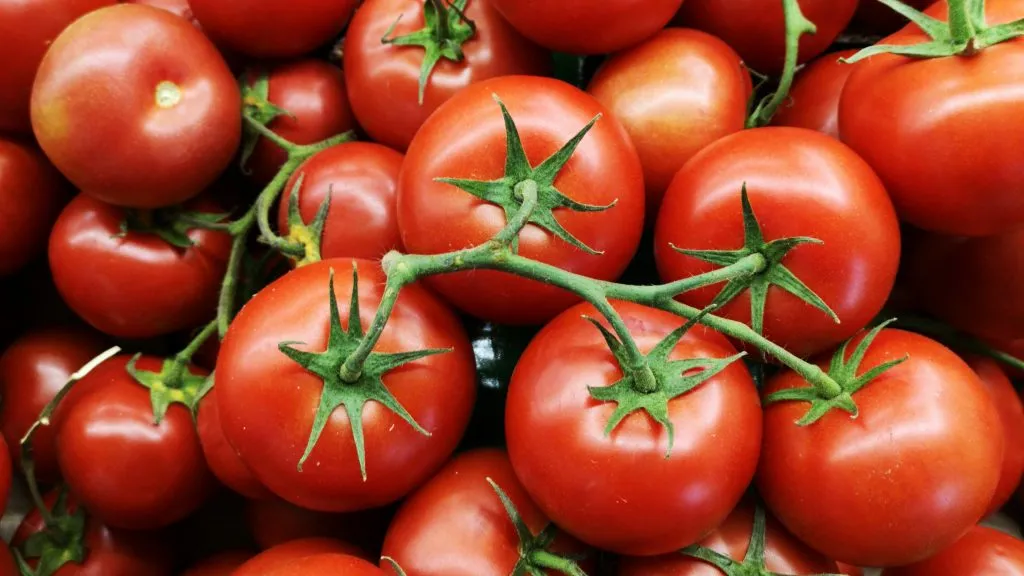
Tomatoes revolutionized Italian cuisine, bringing color and depth with their rich umami. Choosing vine-ripened tomatoes ensures maximum sweetness and acidity balance. Learn to peel and seed for smoother sauces, adding sugar sparingly to counteract acidity without overwhelming natural flavors. Slow-roasting concentrates sweetness, ideal for pasta or bruschetta. Canning techniques preserve summer’s bounty; use sterilized jars for safety. Store fresh tomatoes at room temperature to keep textures intact. Incorporate these techniques to reflect their vibrant culinary heritage.
Spices: Fueling the Age of Exploration
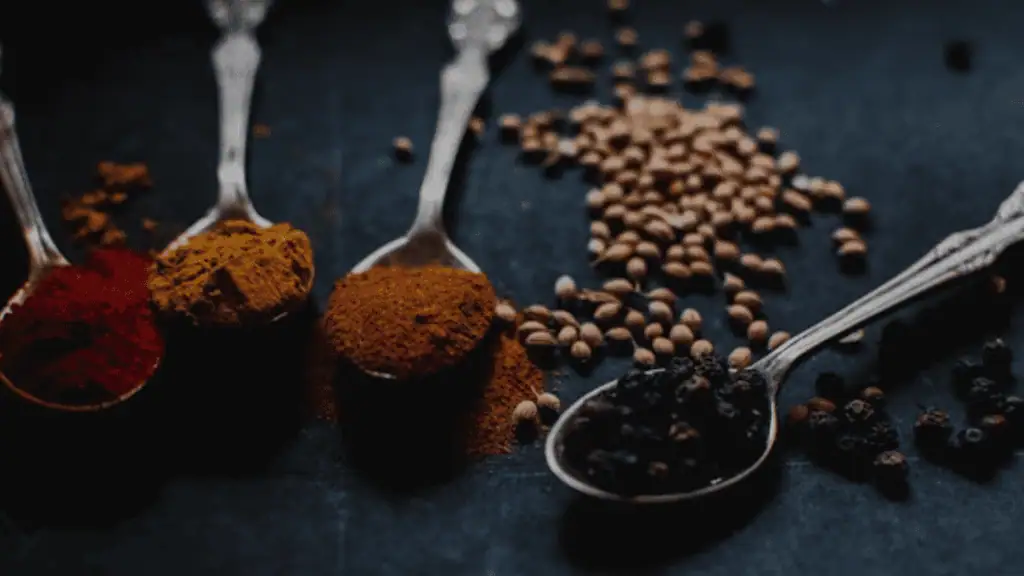
Spices such as black pepper, cinnamon, and cloves sparked global exploration and trade. Their ability to enhance flavor and preserve food made them invaluable. When using pepper, freshly grind it just before serving to maximize its aromatic oils, transforming any dish with its vibrant pungency. Cinnamon, both ground and in sticks, offers a sweet warmth ideal for both savory and sweet applications. Cloves should be used sparingly due to their potent flavor; try studding an onion with cloves for a rich, depth-building base in braises and stocks.
Bread: The Staff of Life
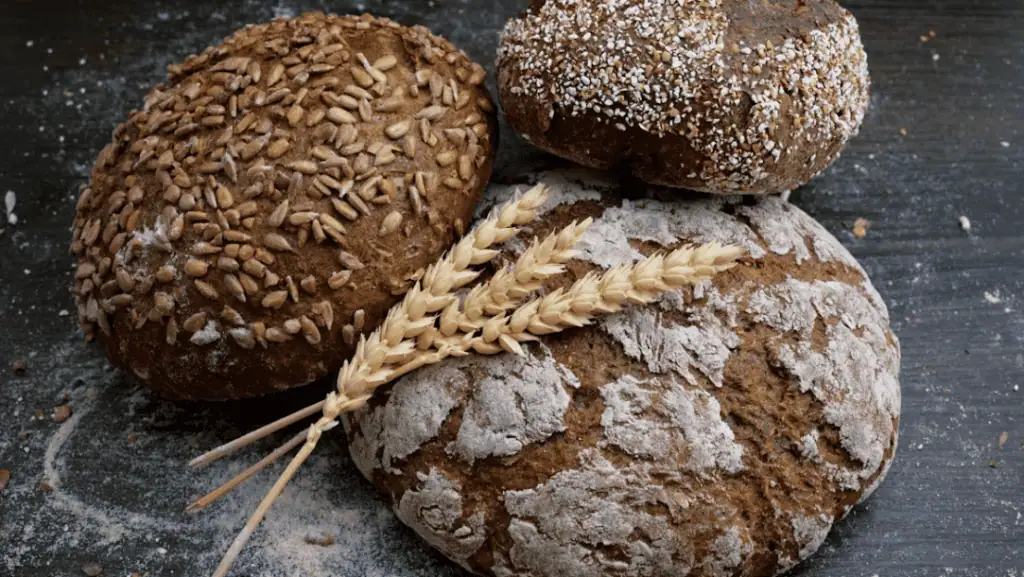
Bread’s significance spans cultures, grounding meals as a versatile staple. Mastering basic bread involves understanding yeast fermentation, kneading, and baking. Use high-quality flour and monitor water temperature to activate yeast effectively. Kneading develops gluten, giving structure; aim for a smooth, elastic dough. Allow adequate proofing time for airiness. For a golden crust, consider steaming the oven or brushing with milk. Remember, rest is key: cool completely before slicing to preserve texture and moisture.
Cacao: Currency to Confection
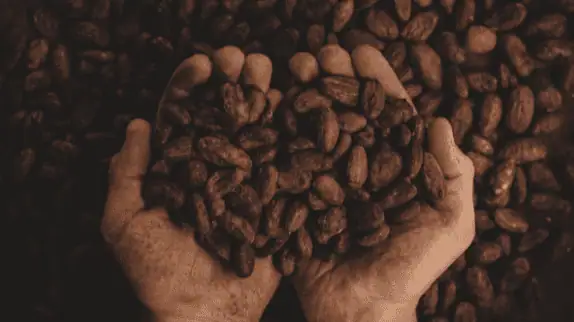
Cacao’s transformation from currency to confection showcases its decadent journey. To harness cacao’s rich flavor in baking, opt for high-quality cocoa powder or solid chocolate with a high percentage of cocoa. Tempering chocolate correctly is crucial for glossy coatings and snappy bars. Melt chocolate gently over a bain-marie to avoid seizing. Cacao provides earthy depth in savory mole sauces or adds complexity to spiced rubs for meats. Always store chocolate in a cool, dry place to maintain its pristine quality.
