
5 Simple Tricks for Perfect Hard-Boiled Eggs Every Time
Achieving perfect hard-boiled eggs is a culinary staple that elevates salads, sandwiches, and snacks with their understated elegance. With just a few adjustments to your technique, you'll create eggs that are not only perfectly cooked but also a breeze to peel. Understanding the nuances of egg preparation can drastically improve your results, making this simple task a true art form.
Use Older Eggs for Easier Peeling
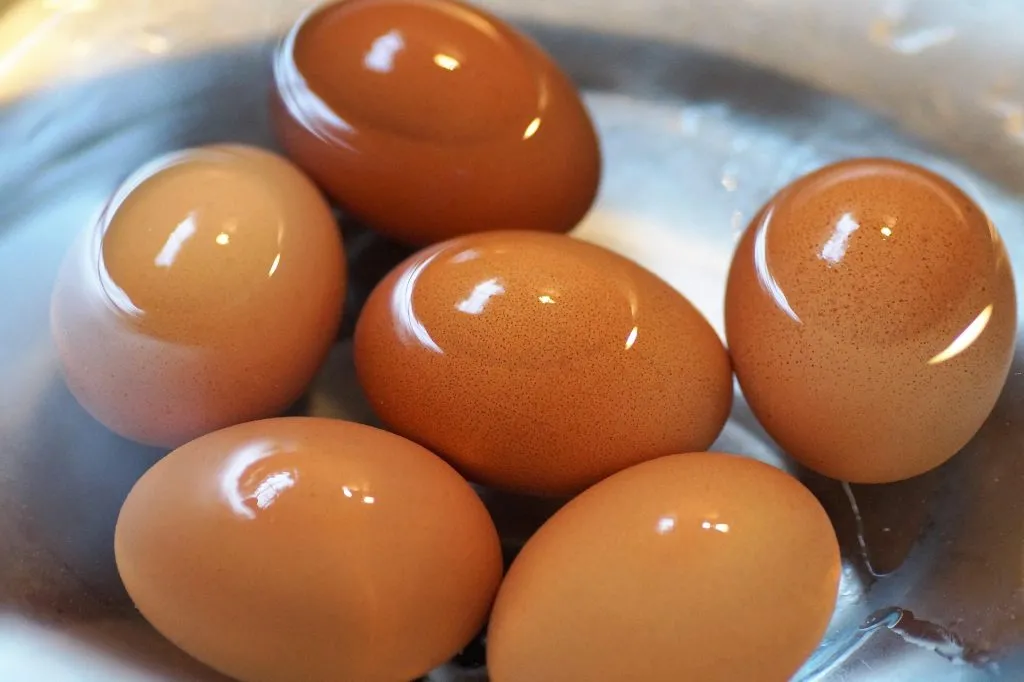
Selecting slightly aged eggs can significantly simplify the peeling process. The fresher the egg, the tighter the bond between the membrane and shell. Opt for eggs that are about a week old; they have had time to develop a small air pocket that gently separates the shell. This subtle change reduces the adherence, resulting in cleaner peeling and less frustration, especially when preparing eggs in bulk.
Boil, Cover, and Sit for Precision
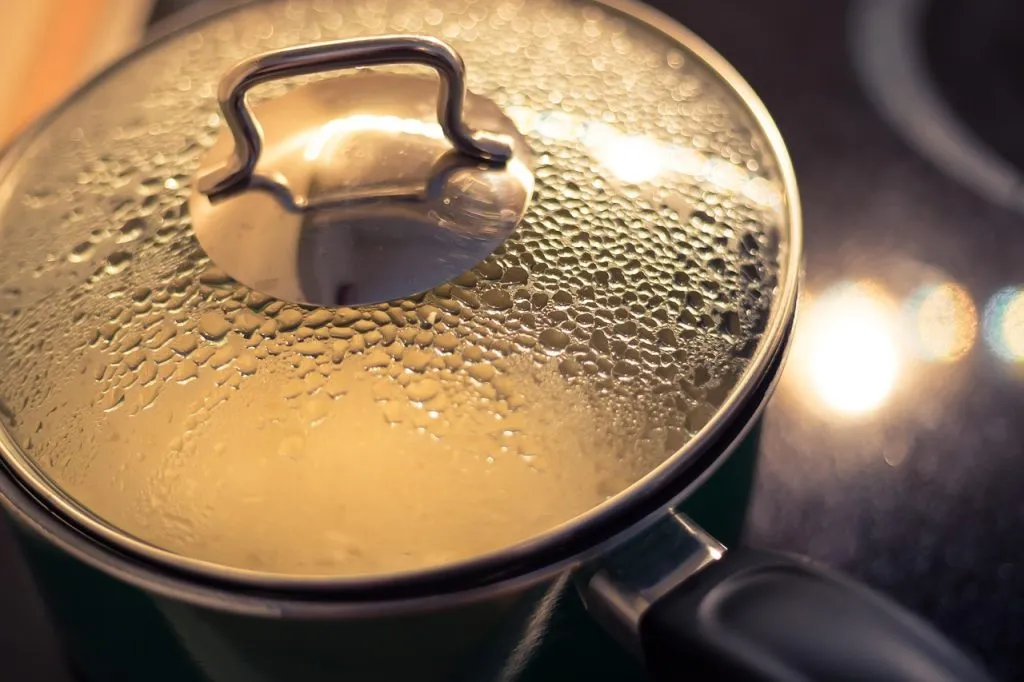
For consistently cooked yolks, begin with your eggs in a saucepan covered by cold water. Bring them to a rapid boil over medium-high heat. Once the water reaches a roiling boil, immediately turn off the heat and cover with a lid. Allow the eggs to sit undisturbed for 9-12 minutes, depending on your desired firmness. This method ensures even cooking without the risk of rubbery whites or undesirable green-tinged yolks.
Ice Water Shock for Perfect Texture
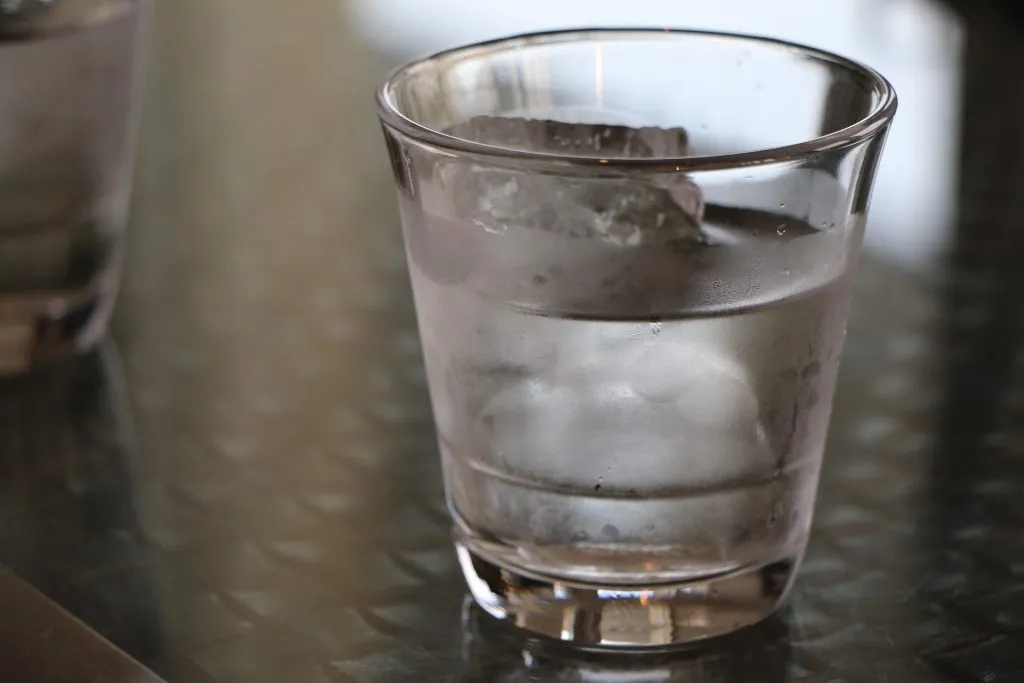
After cooking, immediately transfer your eggs to a bowl of ice water. This step halts the cooking process, preventing overcooking and maintaining the desired texture. The rapid cooling also helps separate the shell from the egg white, making them easier to peel. Let them sit in the ice bath for at least 5 minutes before proceeding to peel, ensuring a cool, firm grip.
Crack and Roll for Seamless Peeling
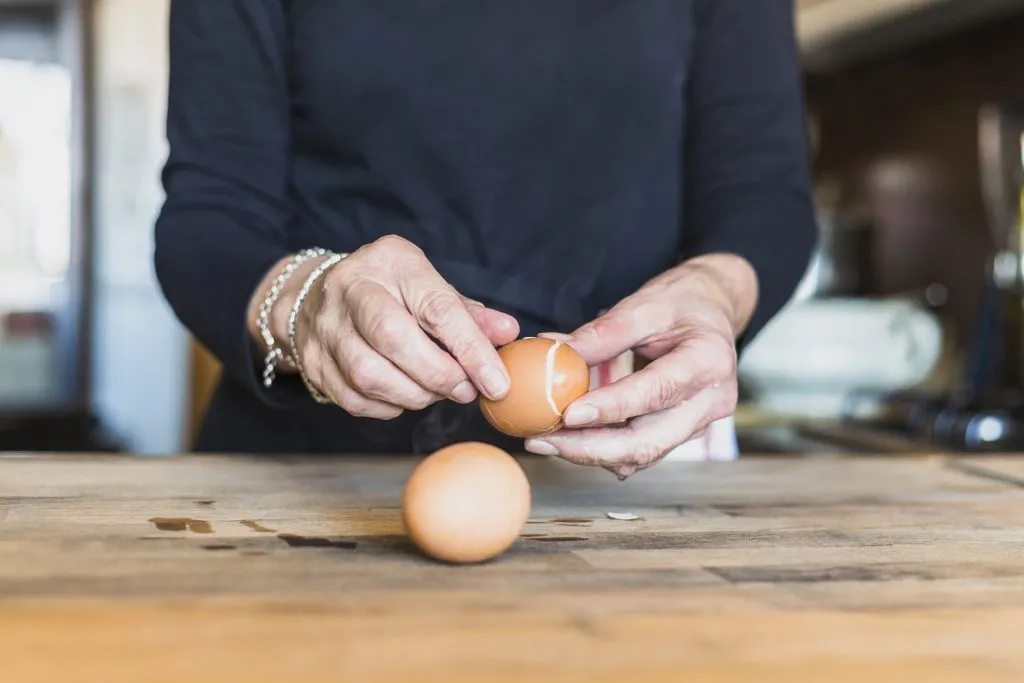
To peel effortlessly, gently tap the egg on a hard surface to create small cracks around the shell. Roll the egg with slight pressure between your hand and the surface to loosen the shell uniformly. Start peeling at the wider end where the air pocket resides, allowing you to slip the shell off smoothly with minimal damage to the egg white. This technique promises decorative, smooth eggs ready for any presentation.
Add Baking Soda or Vinegar for Success
Incorporating a teaspoon of baking soda or a splash of vinegar to your boiling water helps achieve flawless hard-boiled eggs. Baking soda raises the water's pH, reducing the egg whites' bonding to the shell and making peeling easier. Alternatively, vinegar helps by breaking down some of the shell's calcium, further easing the peeling process. Either method aids in creating smooth, unblemished eggs, ensuring both appearance and texture meet the highest standards. Aim to select one of these methods consistently to discover which works best with your chosen eggs, and watch your results improve with each batch.
