
8 Healthy And 7 Unhealthy Foods At a Chinese Restaurant
Navigating a Chinese restaurant menu can be both exciting and overwhelming, especially when seeking healthier options. While some dishes offer a bounty of nutritious ingredients and balanced preparation methods, others may be calorie-heavy and not quite as beneficial. This guide highlights eight healthy and seven less optimal choices, focusing on flavors, techniques, and nutritional benefits. Armed with this insight, you’ll find it easier to make satisfying selections that align with your health goals.
The Power of Steamed Dumplings
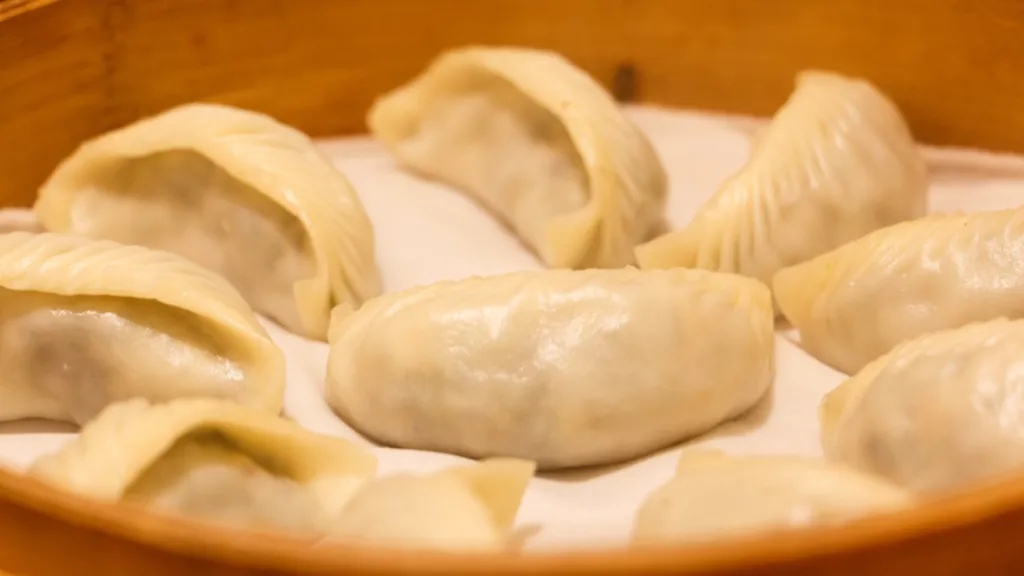
Steamed dumplings are a staple in Chinese cuisine, appreciated for their delicate texture and savory filling. When prepared thoughtfully, these dumplings become a lighter, healthier choice. Opt for versions stuffed with lean proteins like chicken and shrimp, complemented by chopped vegetables. The steaming process enhances the natural flavors without adding unnecessary fats. Serve with a side of soy or vinegar-based dipping sauce to add a touch of acidity, balancing the flavors perfectly. Choose moderation in portion size to fully enjoy these nutrient-rich parcels.
Embrace the Veggies: Stir-Fried Greens
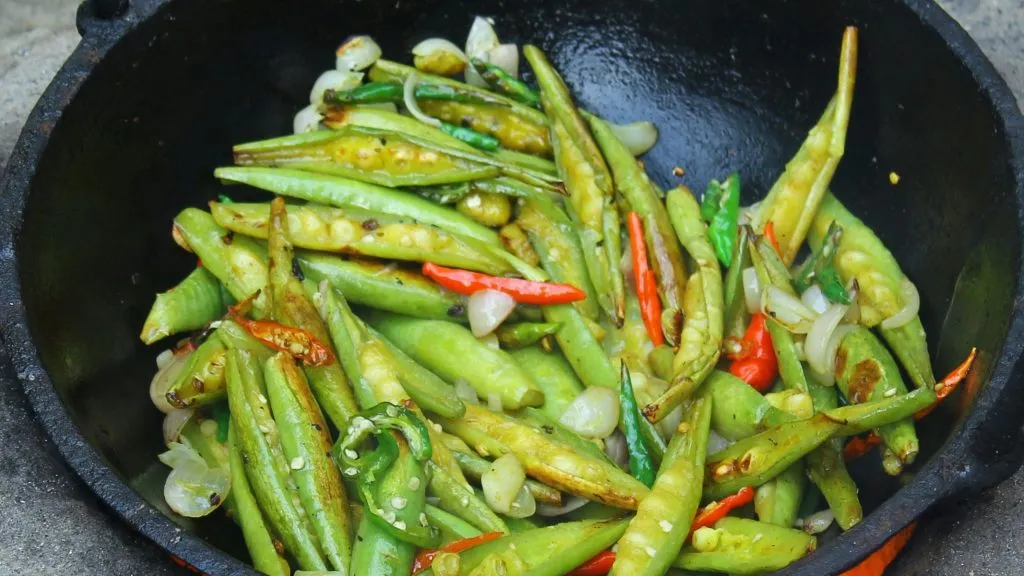
Stir-fried greens like bok choy, broccoli, or snow peas showcase vibrant colors and crisp textures. Utilizing high heat in a wok, these vegetables retain their nutrients and gain a pleasant, slightly charred aroma. Garlic or ginger often lend their robust flavors, enhancing the dish without overpowering it. A light drizzle of sesame oil or a splash of soy sauce at the end adds depth. Opt for less oil during preparation to maintain the dish’s healthfulness, allowing the freshness of the vegetables to shine.
The Magic of Hot and Sour Soup
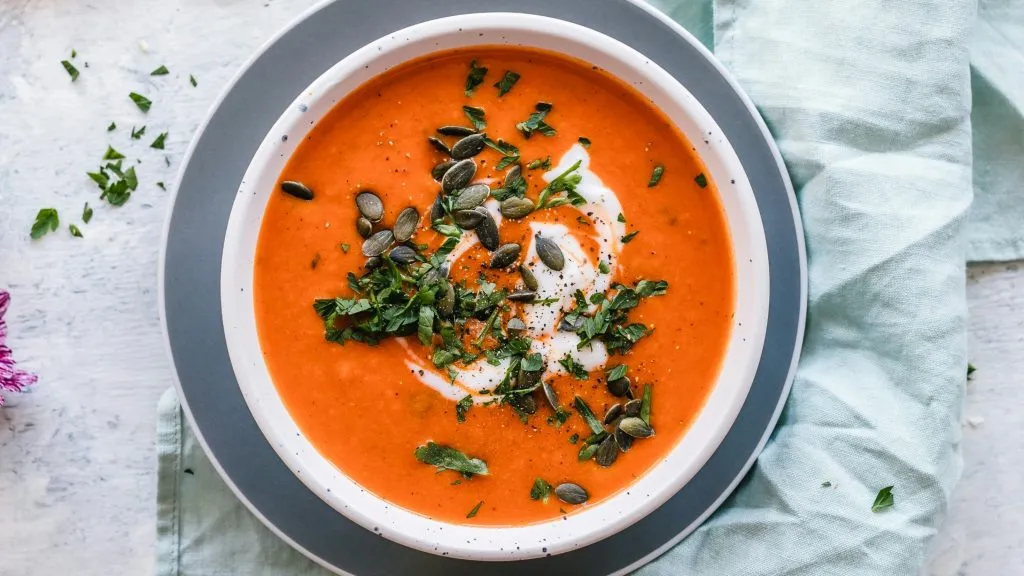
Hot and sour soup blends complex flavors with a range of textures, creating a dish that’s both satisfying and energizing. It often includes tofu, bamboo shoots, and wood ear mushrooms, bringing different mouthfeels and nutrients. The broth combines vinegar for tang and white pepper for heat, invigorating the palate. Traditionally lower in fats, it packs plant-based proteins and fiber, making it a comforting appetizer. Careful with sodium levels, it’s best to enjoy this soup as a mindful alternative to richer starters.
Steamed Fish: A Delightful Choice
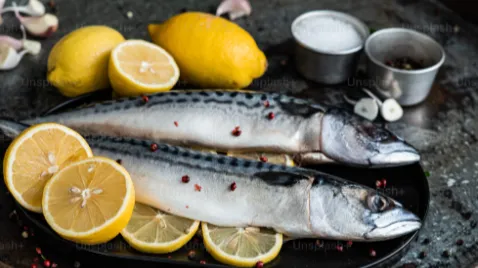
Steamed fish is celebrated for its clean flavor and tender, flaky texture. Commonly prepared with fish like tilapia or bass, the dish employs aromatic ingredients such as ginger and scallions. These add layers of flavor without masking the fish’s natural taste. The steaming method ensures the retention of essential nutrients, making it a wholesome choice. A light soy sauce finish highlights the freshness without overloading on salt. This dish is an exemplary choice for those seeking a healthy and elegant option.
Why Brown Rice Triumphs
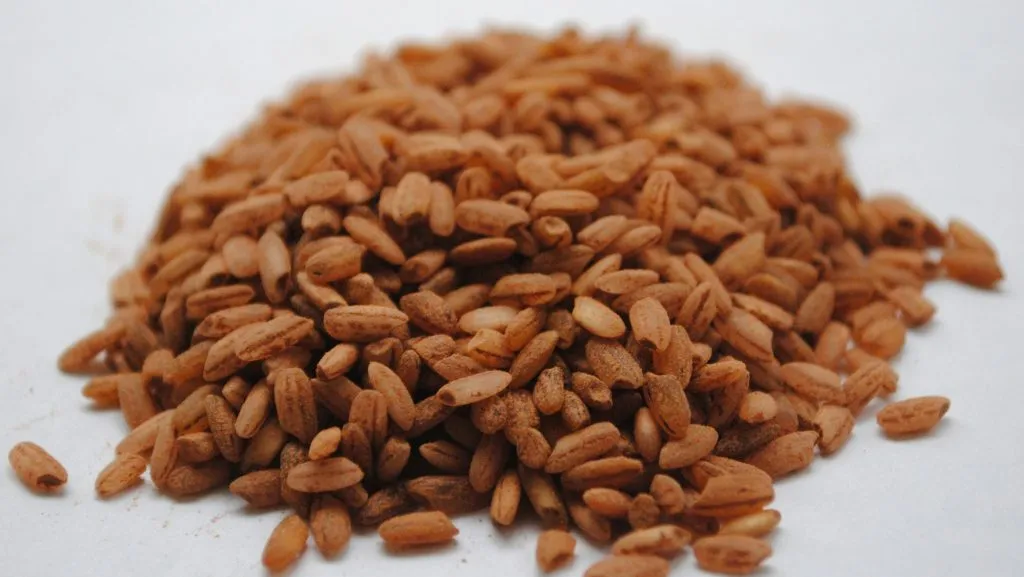
Brown rice offers a nutritious alternative to its refined white counterpart, retaining the bran and germ. This ensures a higher fiber content, providing a more complex, nutty flavor and a chewy texture that complements many dishes. It’s a satisfying base for stir-fries or side dishes, stabilizing blood sugar levels due to its slower digestion. To prepare perfectly, rinse the rice under cold water, then cook with a measured water-to-rice ratio, usually 2:1. Simmer with a lid, and allow it to rest, absorbing flavors from accompanying sauces or proteins.
Tofu: The Healthy Protein Powerhouse
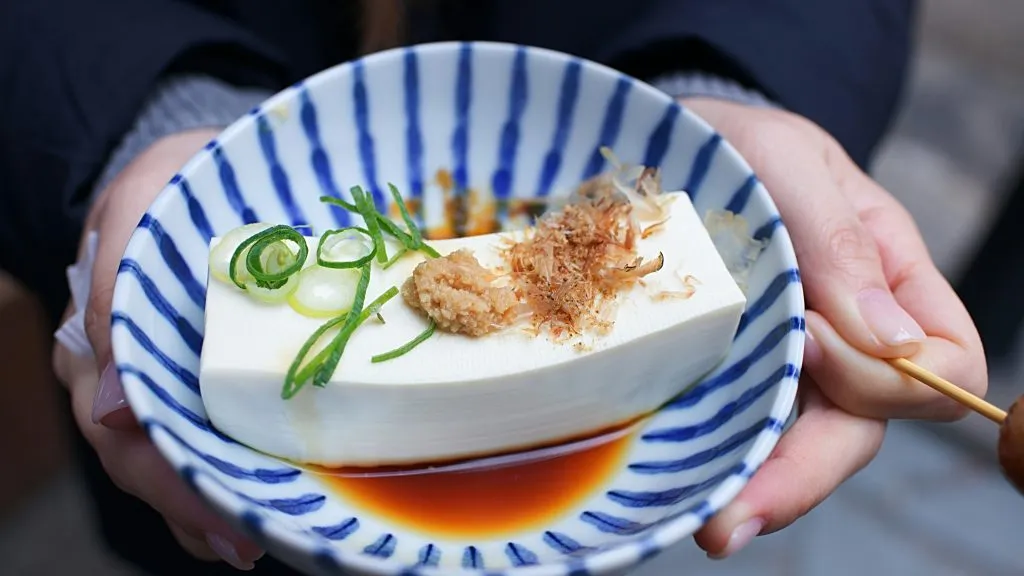
Tofu serves as a versatile, plant-based protein rich in essential amino acids. Its ability to absorb sauces and spices makes it ideal for various preparations in Chinese cuisine. Choose firm tofu for stir-fries or grilling, ensuring it holds shape and texture well. Pressing excess moisture out enhances its ability to crisp. Marinate with soy sauce, ginger, and garlic before cooking to infuse depth and maintain its delicate balance. Cooking tofu until golden forms a savory crust, delivering satisfying mouthfeel along with health benefits.
Shrimp with Snow Peas: A Light Option
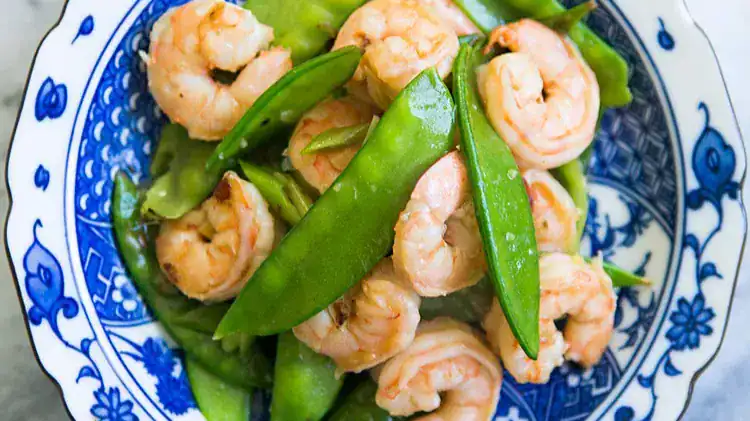
Shrimp with snow peas is a classic dish that balances lean protein with the vibrant crunch of fresh vegetables. Using clean, deveined shrimp ensures both flavor and presentation. Snow peas should be swiftly blanched or seared to maintain their crisp texture and bright color. Sauté shrimp over medium-high heat just until opaque; overcooking leaves them rubbery. Incorporate garlic and fresh ginger for aromatic depth, and finish with a touch of sesame oil for a hint of nuttiness. This dish is light yet filling, perfect for an uncomplicated meal.
Buddha’s Delight: A Vegetarian Feast
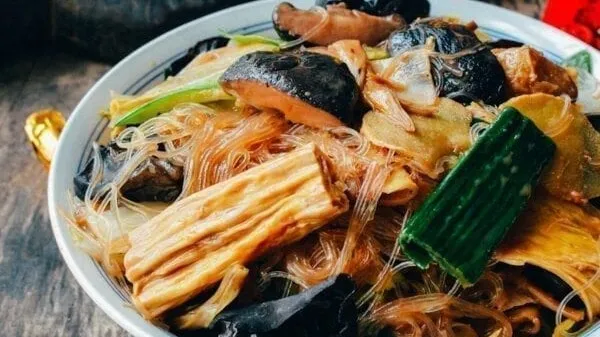
Buddha’s Delight is a harmonious vegetable medley offering a variety of textures and flavors. This dish typically includes bok choy, broccoli, and shiitake mushrooms for a nutrient-rich profile. Utilize a hot wok to quickly sear each ingredient, keeping vegetables slightly tender-crisp to preserve nutrients and vibrant colors. The use of fermented tofu or tempeh adds protein and umami, while the sauce—soy-based, with notes of sesame and ginger—ties the flavors together. Each bite should reflect a balance of savory and earthiness, presenting a nourishing option.
Get the Recipe: Buddha’s Delight
7 Unhealthy Foods At a Chinese Restaurant
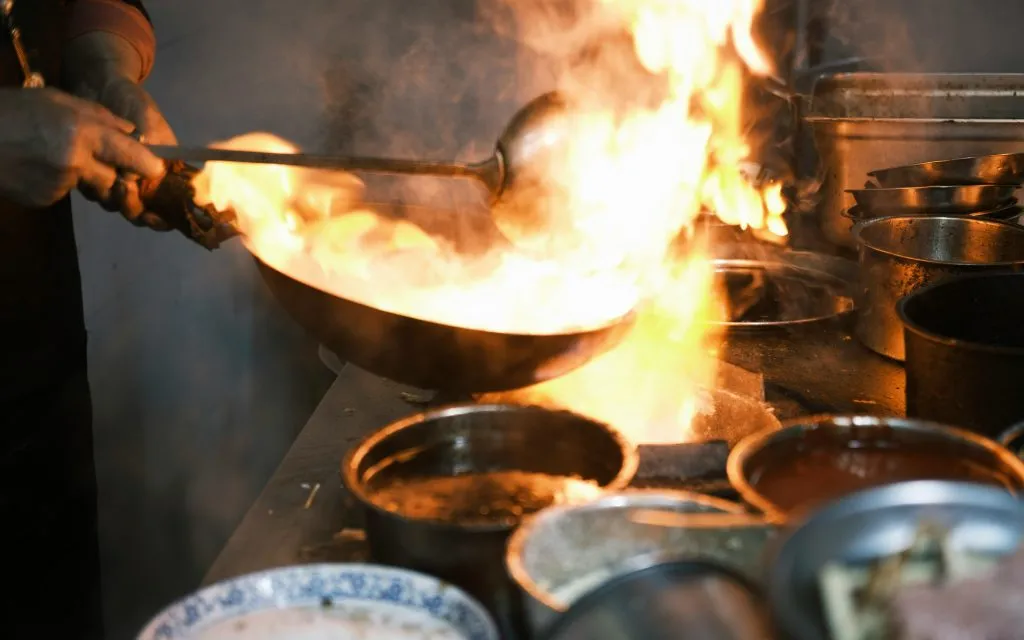
While Chinese cuisine offers plenty of wholesome, nutrient-packed options, there are also menu items best enjoyed in moderation. Some dishes may seem irresistible, but their preparation methods or ingredients can make them less than ideal for a healthy diet. Here are seven popular picks that tend to be heavier on calories, fats, or sodium—dishes you might want to limit or modify for a healthier dining experience.
Avoid the Tempura Trap
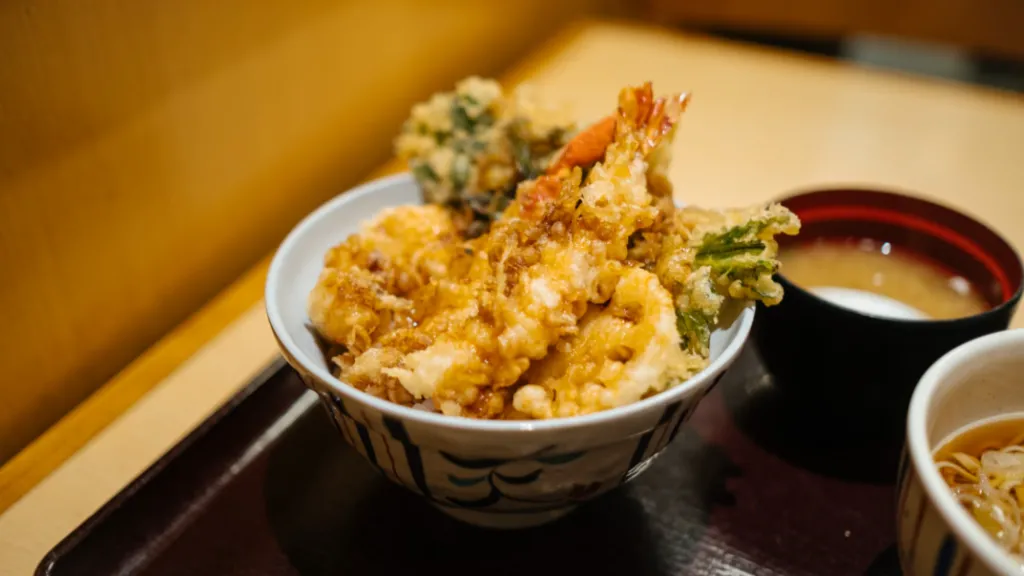
Tempura dishes, while deliciously crispy, are often deep-fried, adding unwanted calories and fats. Instead, seek out roasted or steamed dishes that preserve the integrity and nutrients of the ingredients. If tempura is unavoidable, aim for moderation, pairing with lighter sides like clear soup or simple greens for balance. The batter in tempura can dull the original flavors of seafood and vegetables, whereas other techniques maintain their natural taste. Alternatives such as lightly sautéed or blanched vegetables offer a healthier, satisfying crunch without the extra oil.
Fried Rice: A Calorie Bomb
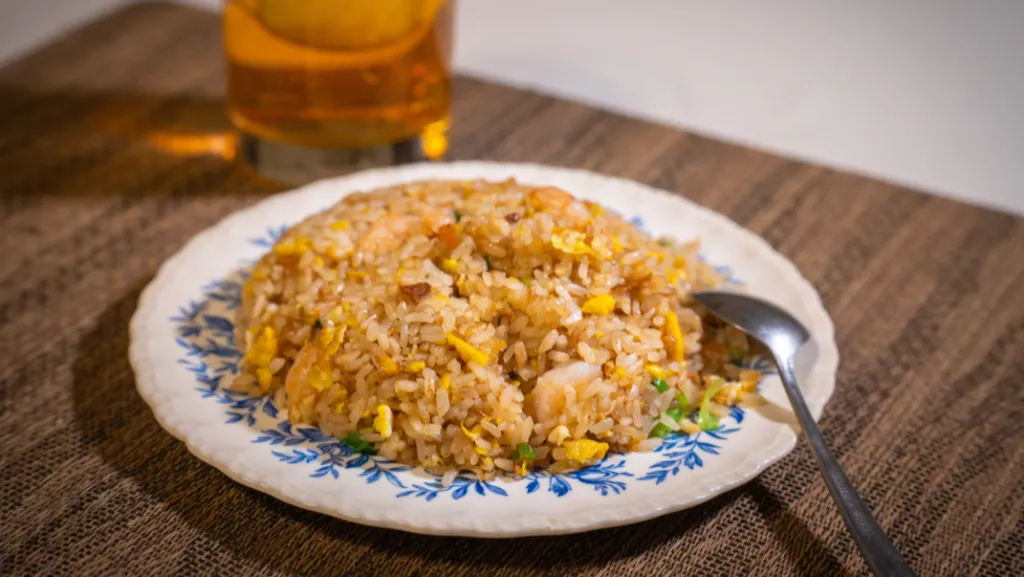
Fried rice, with its appealing combination of flavors and textures, comes loaded with calories primarily due to its abundance of oil and soy sauce. Each grain absorbs the oil during the high-heat frying process, making it rich and savory, yet calorie-dense. To manage this, consider requesting steamed rice as an alternative or prepare it at home with reduced oil and added vegetables for fiber. By controlling the oil content and upping the vegetables, you can enjoy its essence without the calorie overload.
Orange Chicken’s Hidden Dangers
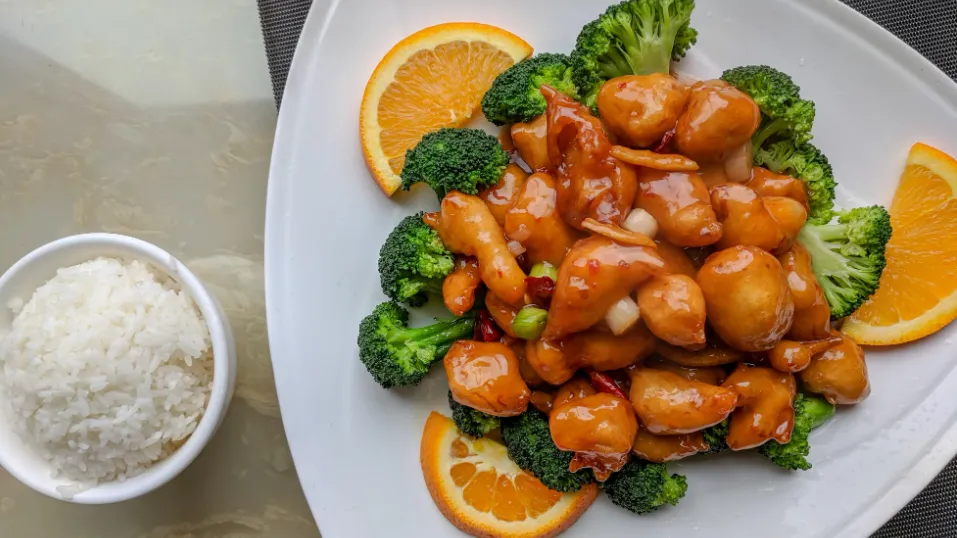
Orange chicken is renowned for its tangy sweetness, yet it’s often a trap due to the heavy sugar content in the sauce. The signature glaze comprises high amounts of sugar combined with cornstarch, creating a thick coating that sticks to every piece. Furthermore, the chicken is typically deep-fried, adding excessive fats. To keep it healthier, opt for a white meat alternative and a sauce with reduced sugar. You might try baking or air-frying the chicken to lessen the oil load while retaining a satisfying crispness.
The Sodium Surge in Lo Mein
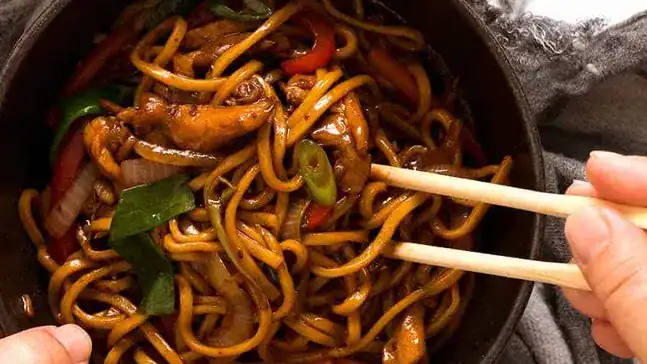
Lo Mein, favored for its silky noodles tossed in savory sauce, is notoriously high in sodium. The key components—soy sauce, oyster sauce, and other seasoning blends—are loaded with salt, contributing to the dish’s robust flavor but also risking hypertension. For a healthier take, consider using low-sodium soy sauce and balancing the flavors with fresh ginger and garlic. Adding a generous mix of colorful vegetables can enhance nutrients, making home-prepared Lo Mein both a delicious and a healthier choice.
Get the Recipe: Lo Mein
Sesame Chicken: A Sweet Mistake

While sesame chicken can be enticing with its crispy coating and luscious sauce, it’s often high in sugar, similar to orange chicken. The sauce, typically thickened with cornstarch and laden with sugars, adds unnecessary calories while masking the chicken’s natural flavors. A better approach is to lightly coat the chicken with a mix of cornstarch and whole wheat flour for frying. Complement the dish with a sauce made from a mix of honey, sesame seeds, and a splash of vinegar to achieve that familiar flavor but with more balance.
Egg Rolls: Not As Innocent
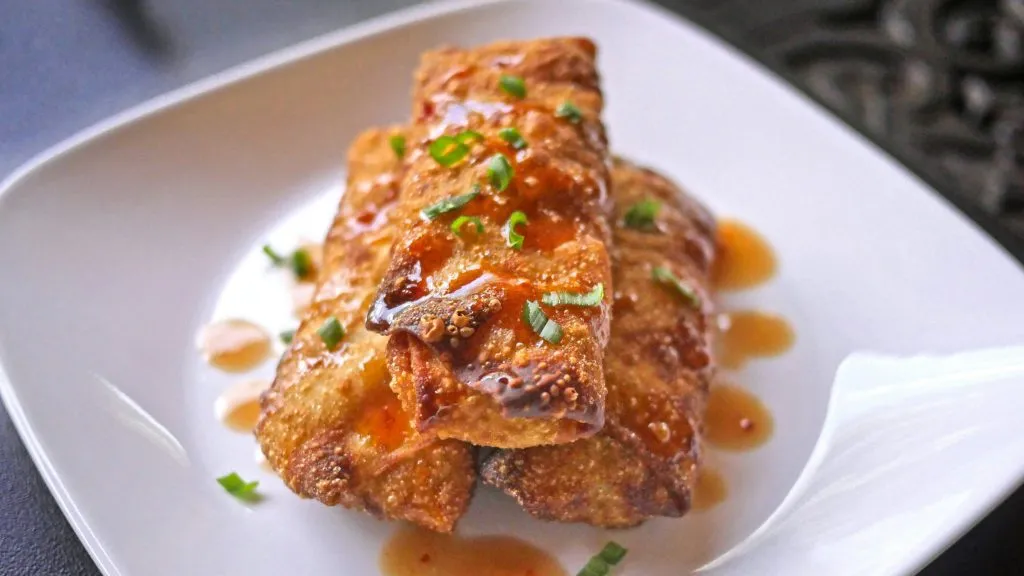
Egg rolls, with their crunchy exterior and savory filling, appear innocent but can be deceptive. They are often deep-fried, absorbing significant amounts of oil, and the filling may consist of fatty meats or added salts. To lighten them up, try baking instead of frying, using thin wrappers and filling them with a variety of fresh vegetables and lean proteins. This preparation retains the satisfying crunch and filling mix while significantly reducing unhealthy fats, making them a more wholesome appetizer or snack.
Sweet and Sour Pork: Sugar Overload
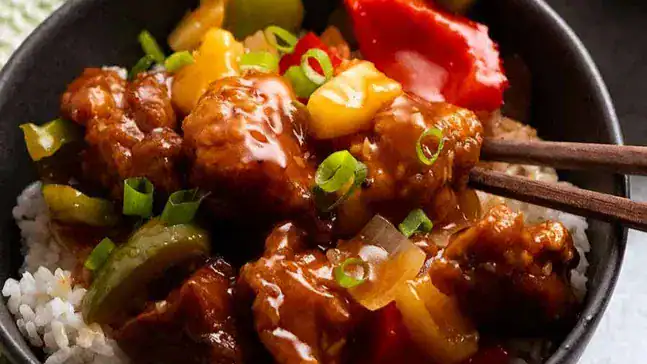
Sweet and Sour Pork carries an undeniable allure with its vibrant glaze and succulent texture. However, its tempting sweetness can often border on excessive. The sauce, predominantly a mixture of vinegar and sugar, offers a punchy tang but contributes heavily to calorie count. To moderate this, consider balancing flavors by reducing sugar and enhancing complexity with fresh pineapple for natural sweetness and acidity. Opt for lean pork cuts and lightly coat them before flash frying to maintain tenderness without excess grease. This adjustment retains the dish’s bold characteristic while offering a lighter alternative.
Get the Recipe: Sweet and Sour Pork
