
9 Fast Food Items That Just Aren’t Worth the Money
Fast food is often chosen for convenience and value, but not every item delivers what it promises. Some meals look exciting on the menu but leave customers disappointed once unwrapped. Whether it’s because of small portion sizes, high prices, or lack of flavor, these fast food items are widely seen as not worth the cost. Here are nine popular examples that fail to give you the satisfaction your money should buy.
Premium Salads
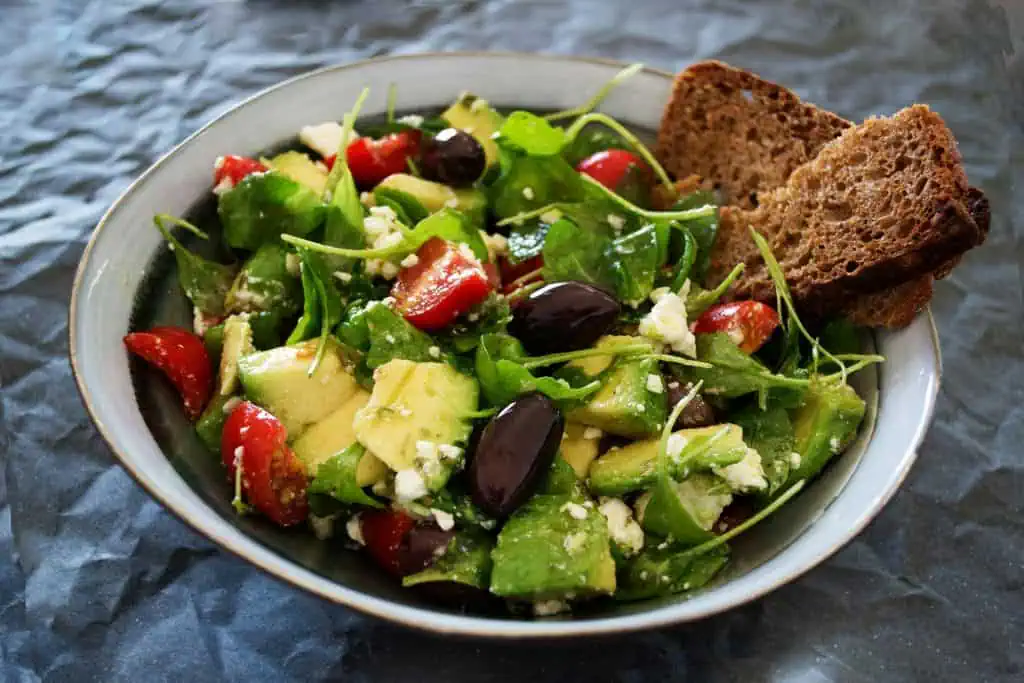
Many fast food chains promote salads as healthier choices, but they often come at a premium price with little value. Ingredients are usually basic, with iceberg lettuce, a few cherry tomatoes, and small portions of chicken or cheese. For what you pay, the size and nutrition rarely match expectations, and you could often get a fresher, larger salad at a grocery store or casual restaurant for the same cost.
Fish Sandwiches
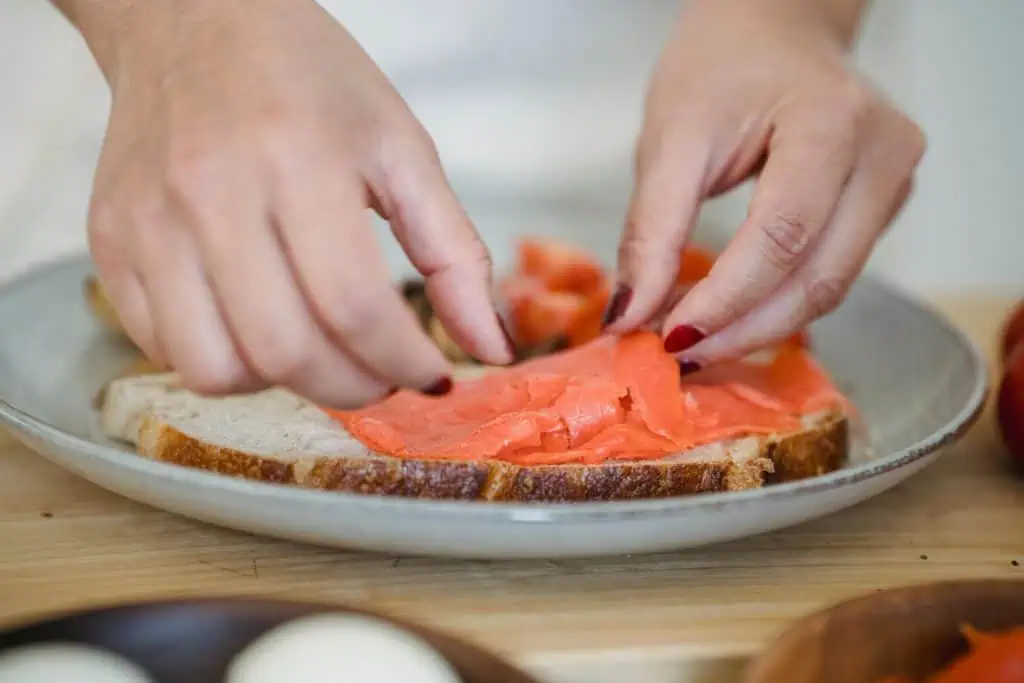
Fish sandwiches are marketed as a lighter alternative, but most are deep-fried and surprisingly expensive. The portion size is usually small, and the fish quality can be inconsistent, with more breading than actual meat. When paired with the high price, it leaves customers feeling shortchanged. Compared to a classic burger or chicken sandwich at the same price point, fish sandwiches rarely deliver equal satisfaction.
Mozzarella Sticks
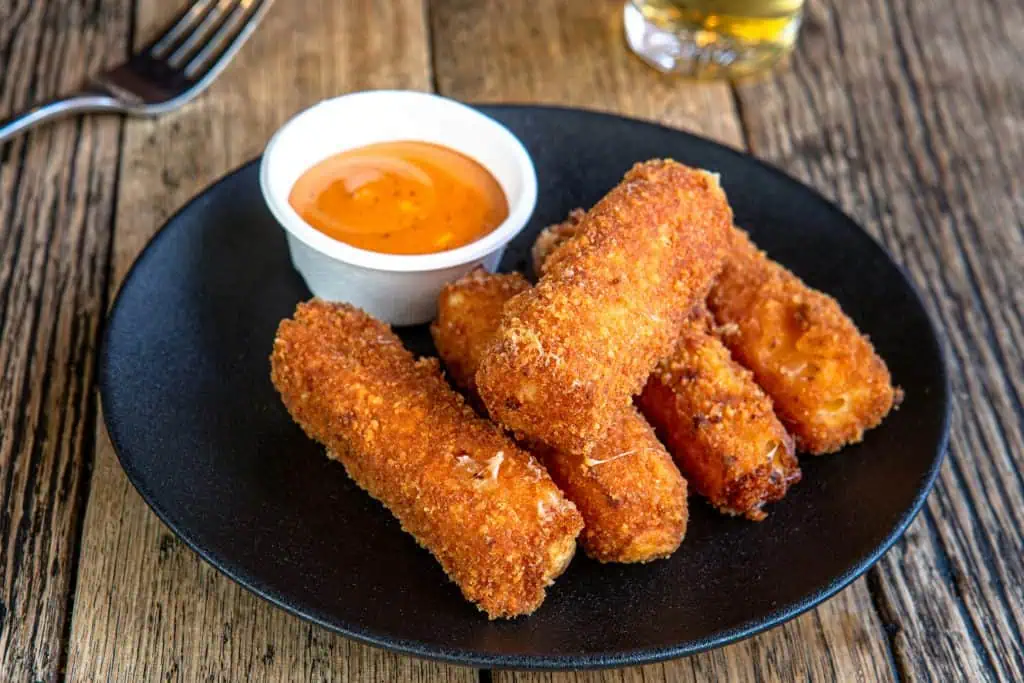
Mozzarella sticks often sound tempting, but in fast food settings they rarely live up to expectations. They tend to be overpriced for the small number of pieces included, and the cheese inside is usually bland or rubbery. Sauce portions are minimal, and the texture often becomes soggy if not eaten right away. For the cost, frozen store-bought versions baked at home often taste just as good, if not better.
Specialty Burgers
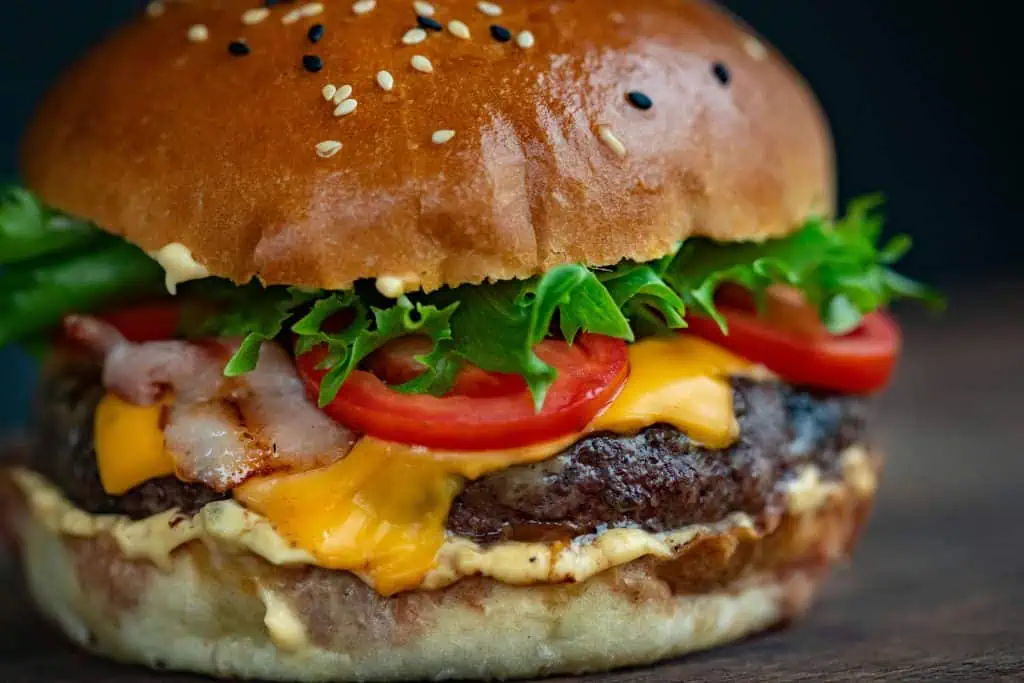
Limited edition or premium burgers are marketed with bold toppings and unique sauces, but in practice they rarely justify their higher price tags. The toppings often don’t hold up during transit, the buns get soggy, and the portion sizes feel no different than standard burgers. While they may look appealing in ads, customers frequently report being underwhelmed by the taste and value.
Smoothies
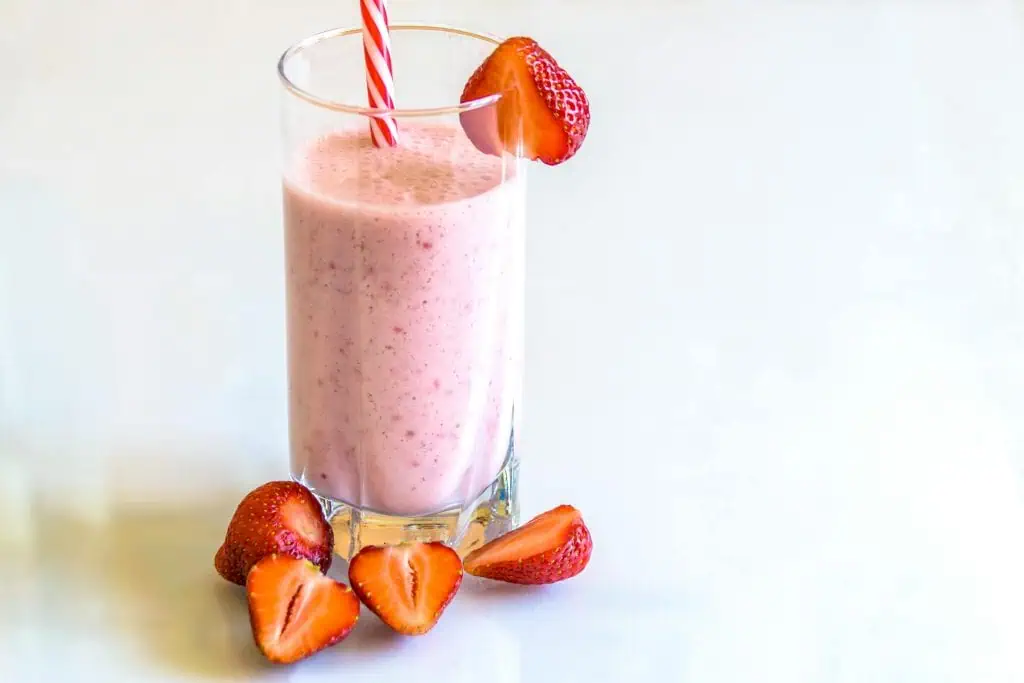
Fast food smoothies are often promoted as healthier drink choices, but most are loaded with sugar and artificial flavoring. Despite being expensive, they often lack real fruit content, relying on syrups or concentrates instead. The calorie count can be as high as a milkshake, removing much of the health benefit customers expect. For the same price, a made to order juice bar smoothie usually offers fresher ingredients and better value.
Breakfast Platters
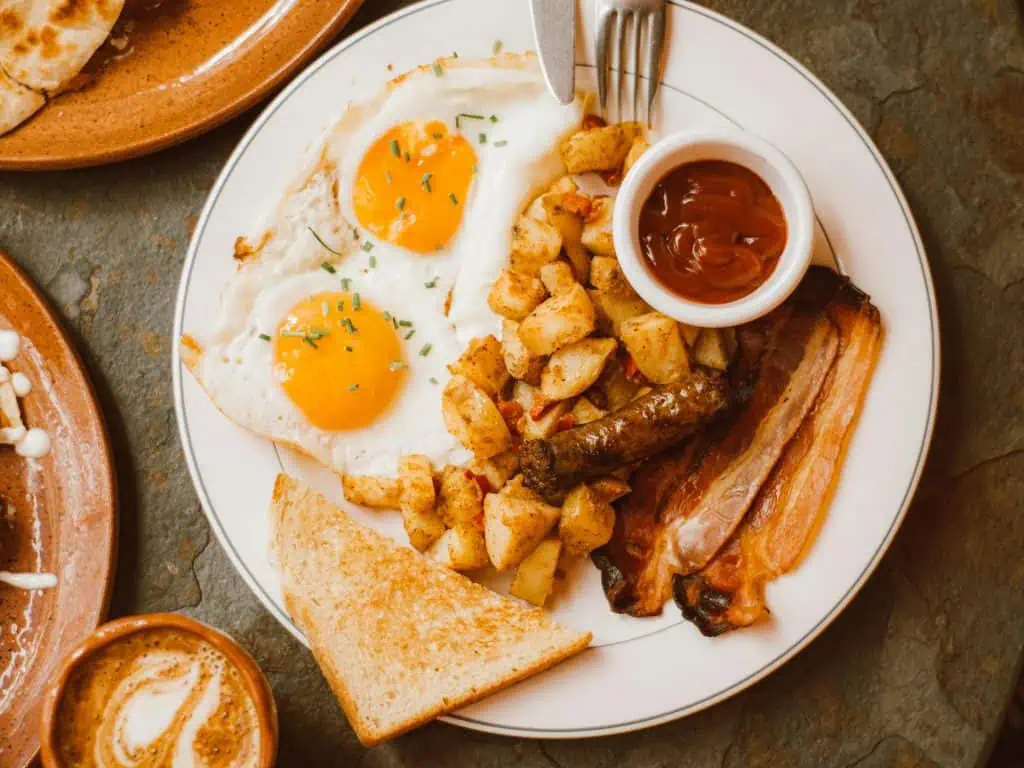
Fast food breakfast platters often look like a filling deal, but they usually consist of low cost items like scrambled eggs, a biscuit, and hash browns packaged together. While the portions may seem generous, the price is often higher than ordering the items separately. The quality is also inconsistent, with reheated eggs or undercooked potatoes making them feel less worth the money compared to other breakfast options.
Loaded Fries
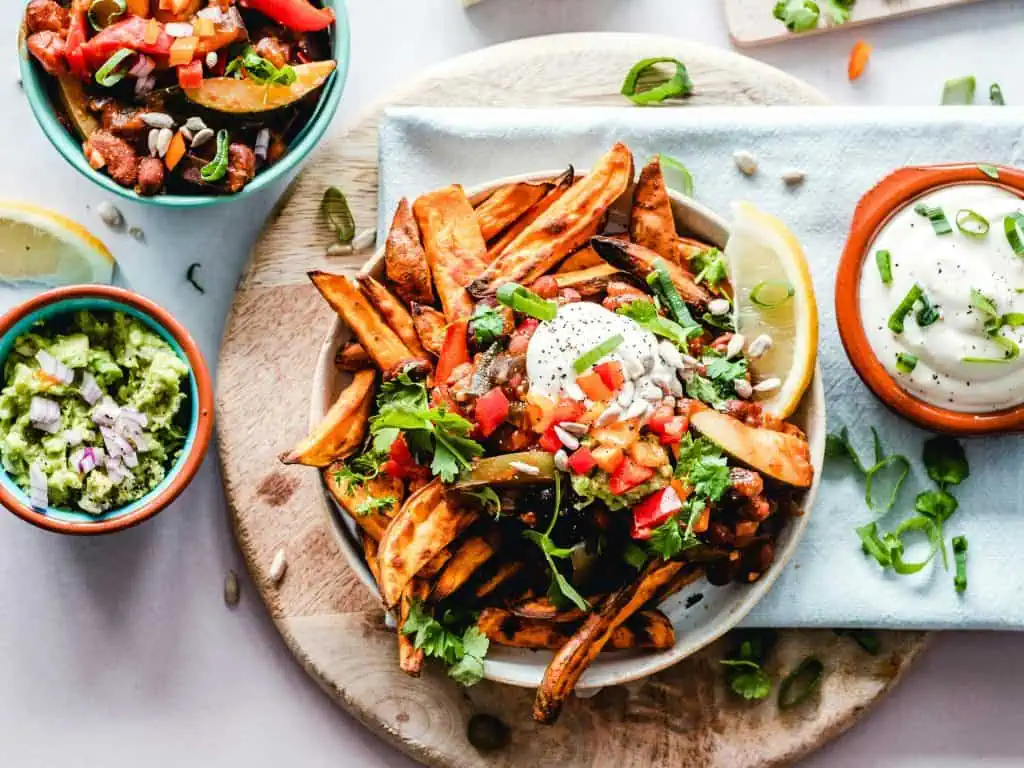
Loaded fries are marketed as indulgent, but they often come in small containers with minimal toppings spread unevenly. Cheese sauces and meats quickly make the fries soggy, leaving a mushy texture instead of crispness. For the higher price, customers expect a hearty portion, but what they receive usually feels skimpy. Regular fries with a dipping sauce often end up being the better, more satisfying option.
Coffee Drinks
Specialty coffee drinks at fast food chains can be surprisingly expensive while offering little more than flavored syrup mixed into basic brewed coffee. They lack the depth of taste you’d get at a café, yet often cost nearly the same. The drinks also tend to be heavy in sugar and whipped cream, making them more like desserts than true coffee beverages. For the price, they simply don’t hold up.
Wraps
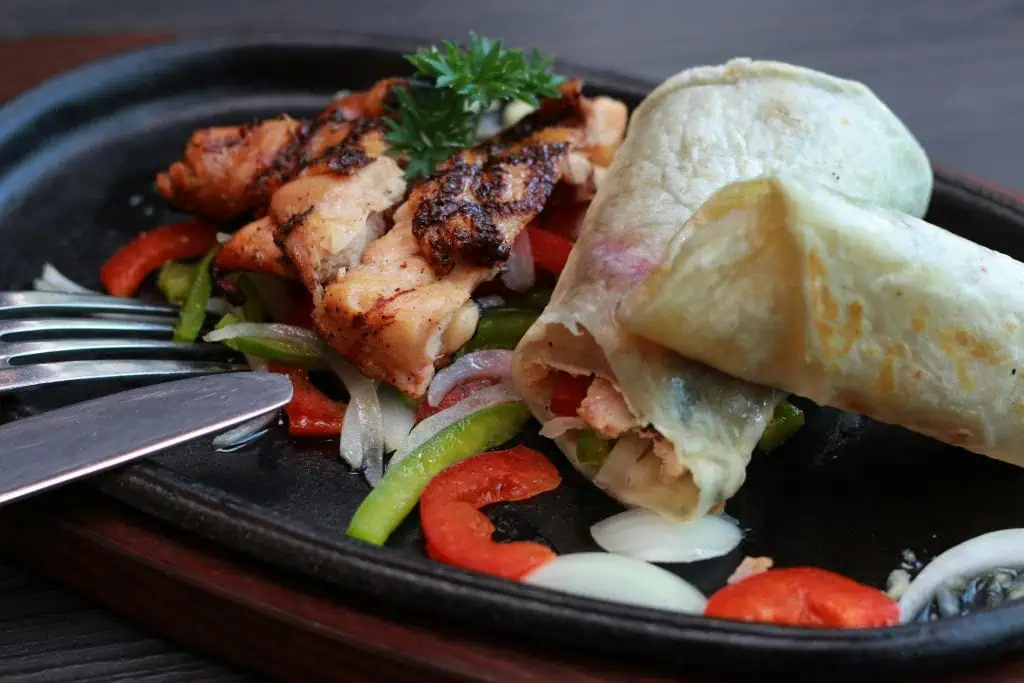
Wraps are often marketed as lighter alternatives to burgers or sandwiches, but the portions are typically small while the price is close to or even higher than regular menu items. The wraps often include mostly lettuce, a small amount of protein, and a tortilla that easily becomes soggy. Customers frequently find that wraps don’t deliver the same satisfaction or value as a standard burger meal.
