
8 Easter Candies Americans Secretly Throw Away Every Year
Easter is the second-biggest candy-selling holiday in the United States, but not every sugary gift is a winner. In 2026, as “clean-label” transparency and flavor-profile shifts become more prominent, many traditional Easter staples are being exposed as “bin fillers.” While they look festive nestled in plastic grass, many Americans admit to quietly tossing these treats once the holiday weekend ends.
Whether it is a texture issue or an outdated flavor, some candies simply can’t compete with the modern chocolate Renaissance. Here are the eight Easter candies that Americans secretly throw away every single year.
Generic Solid Chocolate Bunnies

The giant, solid chocolate bunny is the centerpiece of many baskets, but it is often the most wasted item. In 2026, consumers are increasingly picky about “waxy” chocolate that lacks a high cocoa butter content.
Many of these mass-produced bunnies are made with cheap fillers that leave a film on the roof of the mouth. Because they are so large and difficult to eat in one sitting, they often sit in a cupboard until they bloom (turn white) and are eventually tossed. Unless it is a premium, artisanal brand, the “novelty” usually outweighs the actual flavor.
Classic Peeps (Marshmallow Chicks)
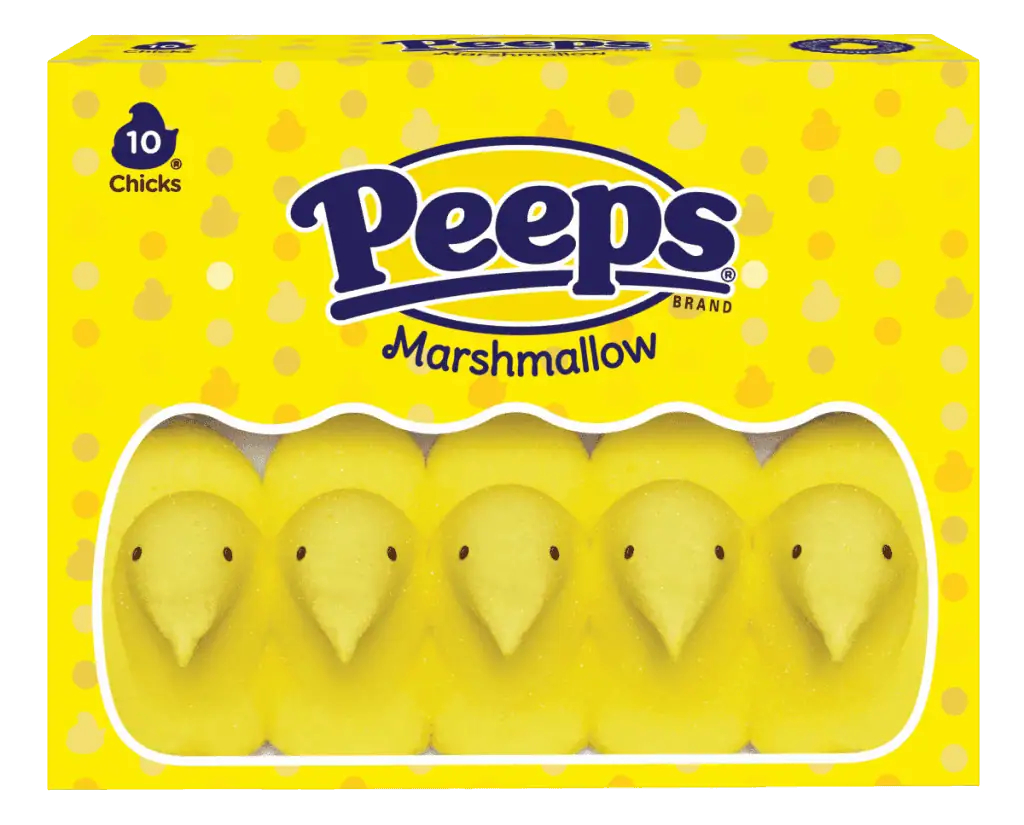
Peeps are perhaps the most polarizing candy in American history, and 2026 is no different. While they are iconic for photos and dioramas, a significant percentage of buyers admit they have no intention of eating them. The grainy sugar coating and “marshmallow-adjacent” texture aren’t for everyone, and many boxes are opened, admired for their bright colors, and then left to go stale.
Once a Peep turns into a “sugar brick,” it almost inevitably finds its way into the trash can. They remain a holiday “decoration” more than a snack for millions.
Black Jelly Beans
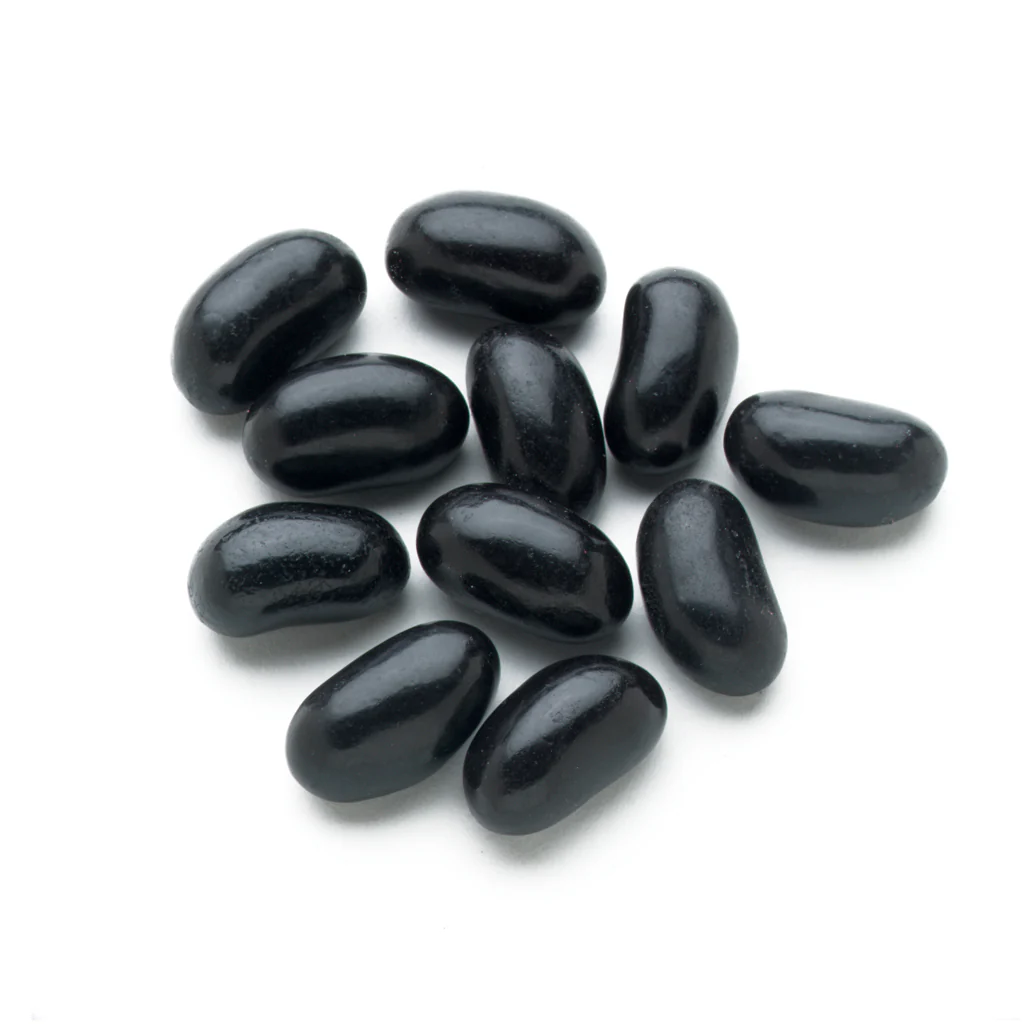
Jelly beans are an Easter essential, but the black licorice-flavored ones remain the “black sheep” of the bag. In 2026, flavor surveys consistently show that the anise-heavy taste of black jelly beans is a “love it or hate it” proposition and most people hate it.
When a family shares a bag of assorted beans, the fruit flavors vanish instantly, leaving a sad pile of black beans at the bottom of the bowl. These survivors are rarely finished and are usually dumped out when the bowl needs to be cleaned for the next occasion.
Cadbury Creme Eggs
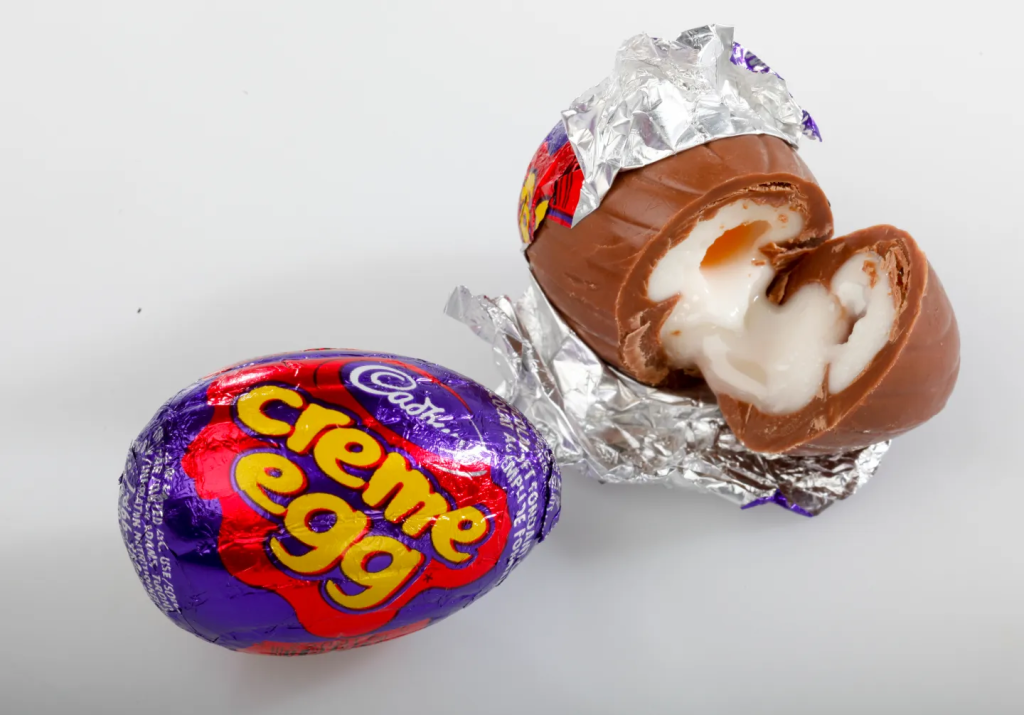
This might be controversial, but the Cadbury Creme Egg has seen a decline in “finish rates” in 2026. While the first bite is a nostalgic rush, many modern palates find the “fondant” center to be cloyingly sweet and overwhelming.
As diners move toward “balanced” desserts, the intense sugar-syrup core of these eggs often proves to be too much for an adult to finish. It’s common to see half-eaten eggs wrapped back in their foil, only to be discovered weeks later and thrown away during a fridge or pantry purge.
Fruit-Flavored “Marshmallow” Eggs
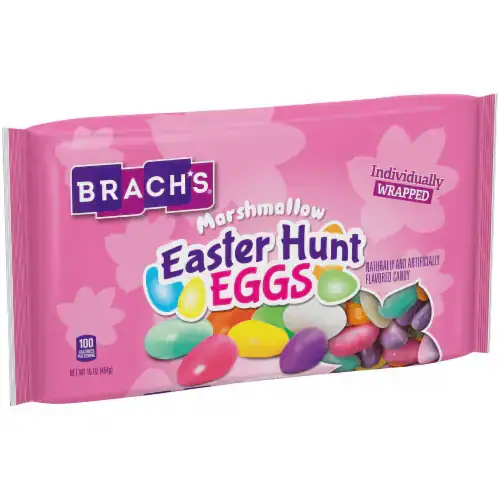
Not to be confused with Peeps, these are the smaller, often wax-coated marshmallow eggs that come in egg cartons. In 2026, these are frequently cited as having an “artificial” aftertaste that doesn’t appeal to the current “real-food” trend. The texture is often described as “foamy” rather than fluffy, and the pastel dyes can be off-putting to health-conscious parents.
Because they are often the cheapest item in the Easter aisle, they end up in many baskets by default, but they are rarely the first choice for anyone with a sweet tooth.
Jordan Almonds
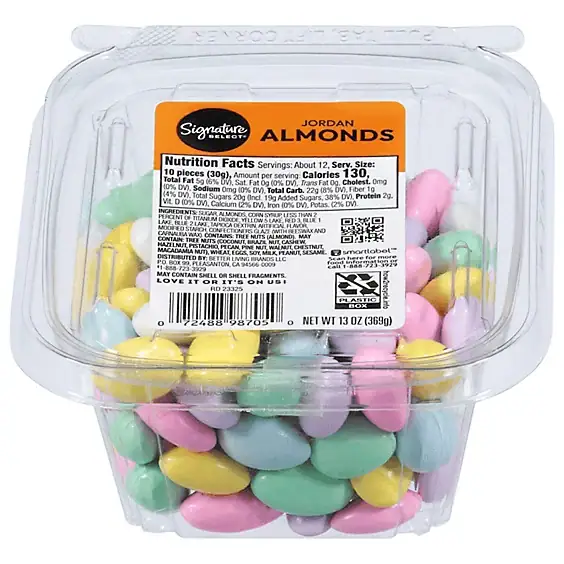
Jordan Almonds are a staple of “traditional” Easter baskets, but their tooth-cracking hard shells make them a hazard for many. In 2026, as “soft-bite” candies dominate the market, the sheer effort required to eat a Jordan Almond has made them a frequent casualty of the trash bin.
While they look beautiful and sophisticated, the flavor of the almond is often masked by a flavorless, rock-hard candy coating. Many people take one bite, realize they value their dental work more than the candy, and discard the rest of the handful.
Robin Eggs (Whoppers)
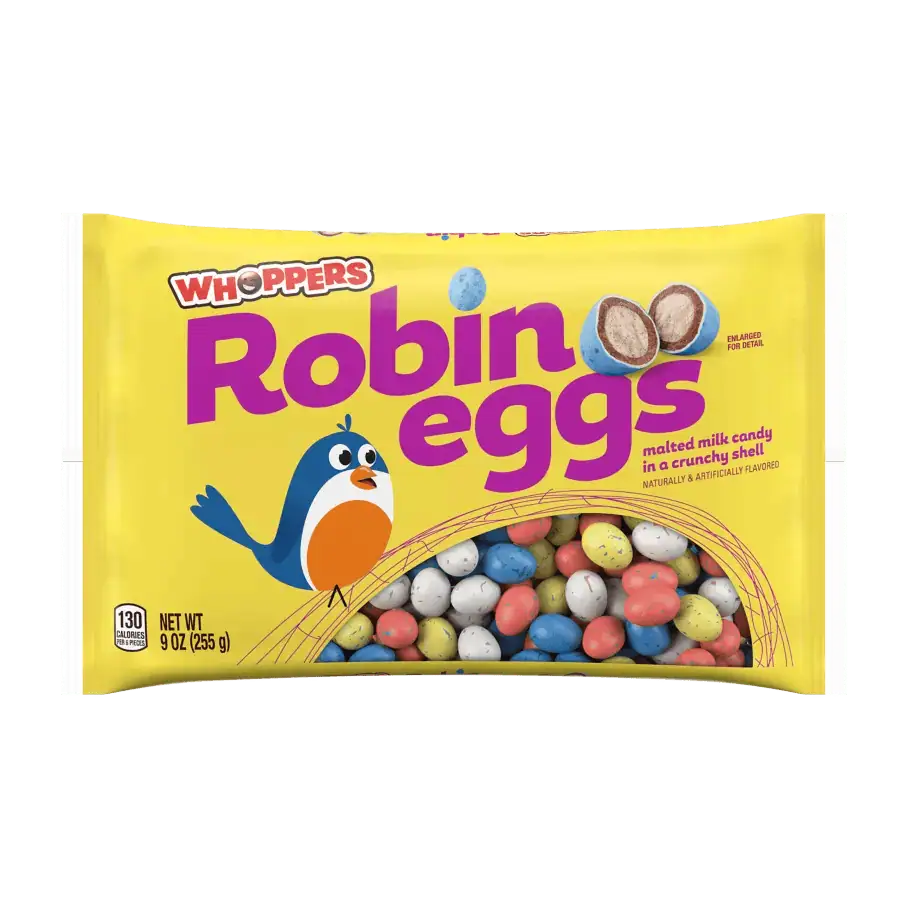
Malted milk balls shaped like robin eggs are a visual delight, but they are highly susceptible to “staling” if the bag isn’t sealed perfectly. In the humid spring air of 2026, these candies can quickly lose their “crunch” and become chewy or sticky. Once the malted center loses its signature airy snap, the appeal vanished.
Many half-empty bags of Robin Eggs are found in the back of pantries by May, long after the malt has turned into a dense, unappealing nugget that is no longer fit for consumption.
Foil-Wrapped “Mystery” Coins

Almost every Easter basket contains a few stray chocolate coins or small eggs wrapped in colorful foil. These are often the “fillers” used to hide the bottom of the basket. In 2026, these are frequently identified as “low-tier” chocolate that tastes more like oil than cocoa. Because they often lack brand labeling on the individual foils, they are viewed with suspicion by savvy snackers.
These “mystery” chocolates are usually the last items left at the bottom of the basket, eventually being tossed out during the post-holiday cleanup.
