
8 Buffet Secrets Workers Say Most Diners Completely Miss
A buffet can be an enticing banquet of choices, but beneath the surface, there are strategies designed to influence diners’ selections. Learning these secrets can enhance both your dining experience and your understanding of food presentation. Here are key insights shared by buffet workers, offering practical knowledge to navigate and make the most of your buffet visit.
Freshest Food in Back Rows
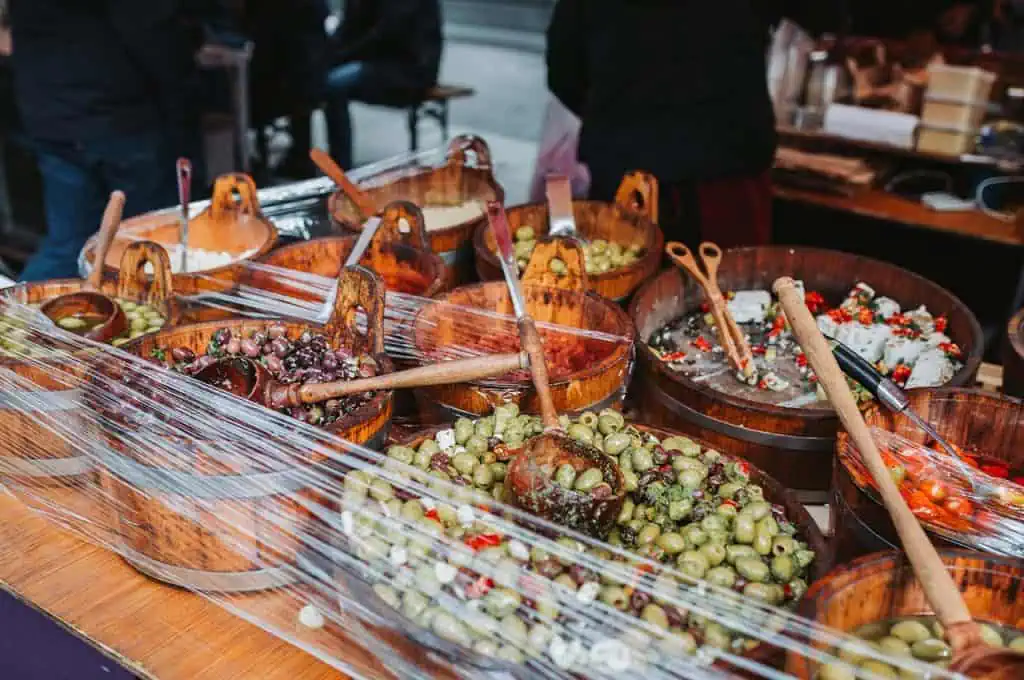
When approaching a buffet, many diners instinctively gravitate toward the first row of offerings. However, the freshest items are often positioned in the back. This encourages turnover and keeps the buffet vibrant. For the best experience, start your plate-building journey by reaching for those back-row selections, where freshness and texture hold a competitive edge over their frontal counterparts.
Refill Times: On Schedule, Not Demand

Buffets operate on a schedule-driven refill system rather than direct response to dwindling supplies. Understanding this timing can optimize your meal, as freshly replenished dishes often boast superior temperature and quality. Observing staff routines might offer cues on when to expect a refresh, allowing you to time your selections to coincide with newly replenished, piping-hot offerings.
Pre-Made ‘From Scratch’ Dishes
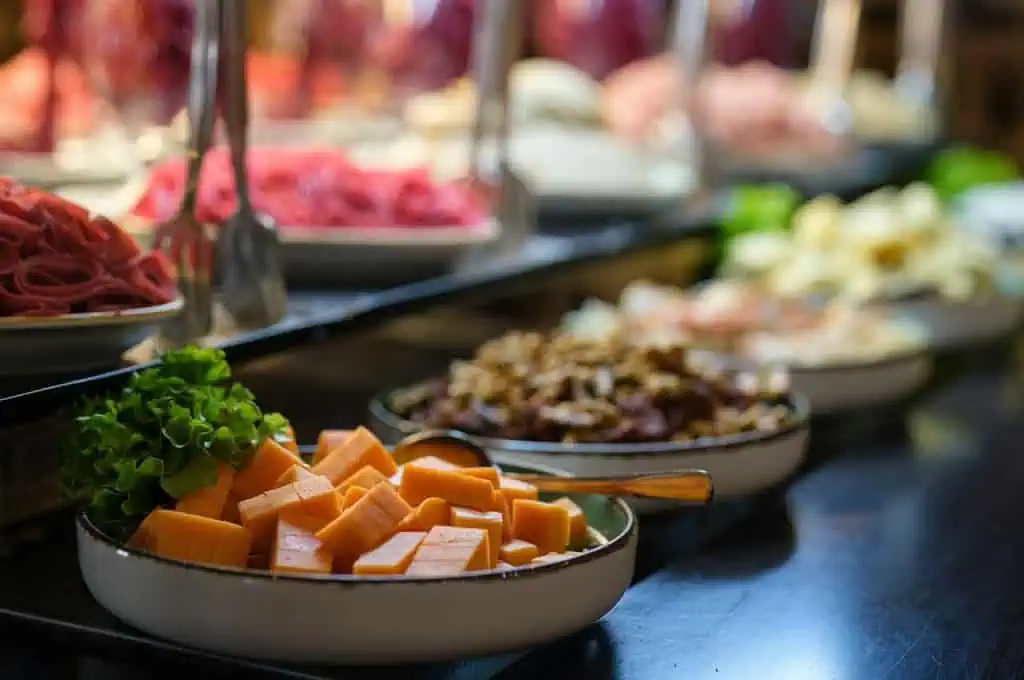
Many buffet items, though marketed as ‘homemade,’ are actually prepared ahead of time to ensure consistency and efficiency. While this doesn’t inherently diminish quality, being aware allows for more informed choices. Look for signs of freshness, such as vibrant colors and aromatic indicators, to identify which dishes may actually have been crafted more recently than others on display.
High-Cost Items: Harder to Reach
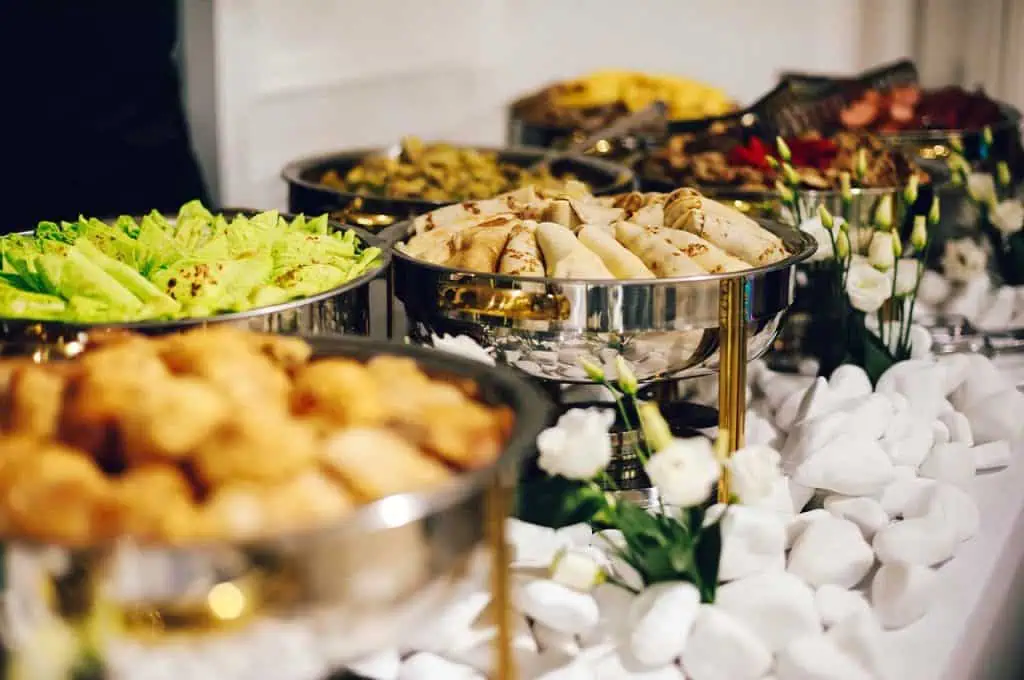
Strategically placing high-cost items in less accessible areas is a common practice to manage food costs. Items like prime cuts of meat or shellfish may be positioned toward the end of the buffet line or require passing through less popular sections. To capitalize on these premium selections, approach with a strategic route that minimizes distractions, ensuring your plate features these high-value items.
Spotting Plate-Stuffers Instantly

In buffets, savvy diners often spot plate-stuffers, ingredients used to fill plates cheaply and abundantly. These often include pasta salads, breads, and rice dishes, which may overshadow more refined selections. Focus on higher-value items like seafood or premium cuts that offer quality over quantity. Opt for smaller portions of diverse offerings rather than piling on one dish. This approach not only keeps your palate engaged but ensures that each bite offers a rewarding experience beyond mere fullness.
Strict Rules at Carving Stations
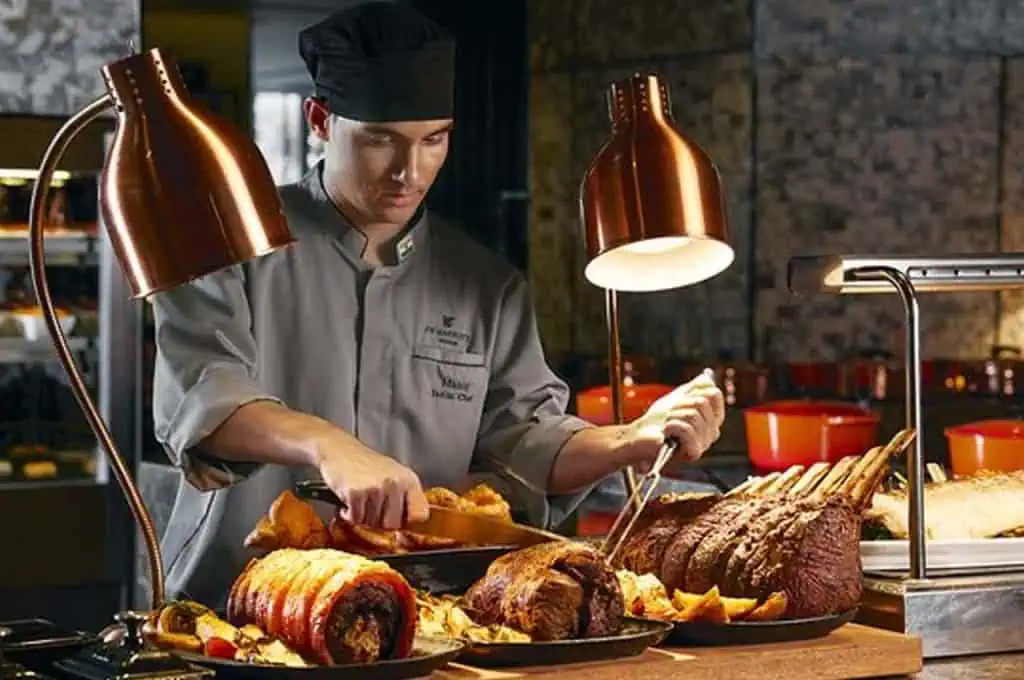
Carving stations often enforce unspoken rules aimed at maintaining quality and decorum. Chefs meticulously serve cuts to ensure even distribution and appropriate portion sizes. To make the most of this, observe their serving rhythm and request specific thickness or doneness preferences politely. This attentiveness not only respects the process but also enhances your dining experience by offering a perfectly tailored slice, maximizing flavor and texture in each bite. Engage courteously and appreciate the precision behind their craft.
Clean Plates: Hidden in the Middle
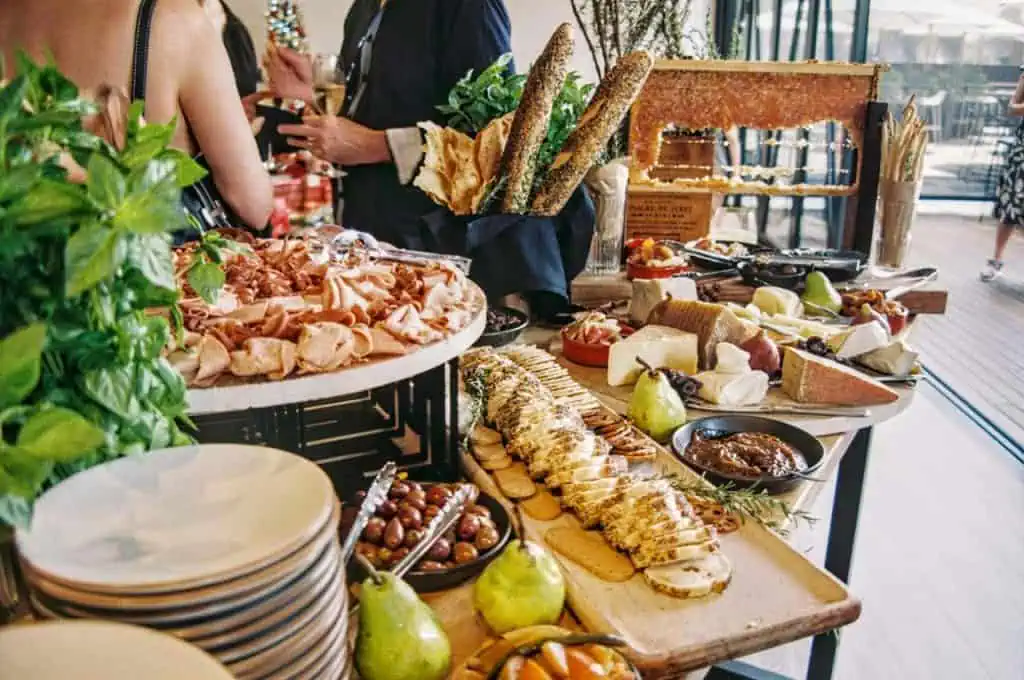
A neat stack of plates is usually positioned near the center of the buffet, subtly encouraging diners to circulate around the buffet line. Look for those directly under overhead warmers or freshly added to the stack for optimal cleanliness and temperature. This ensures your meal is served on a warm, spotless surface, enhancing both taste and presentation. Taking a moment to select a pristine plate demonstrates consideration for both your dining experience and the meticulous efforts of the staff.
Lighting Tricks for Fresh-Looking Food
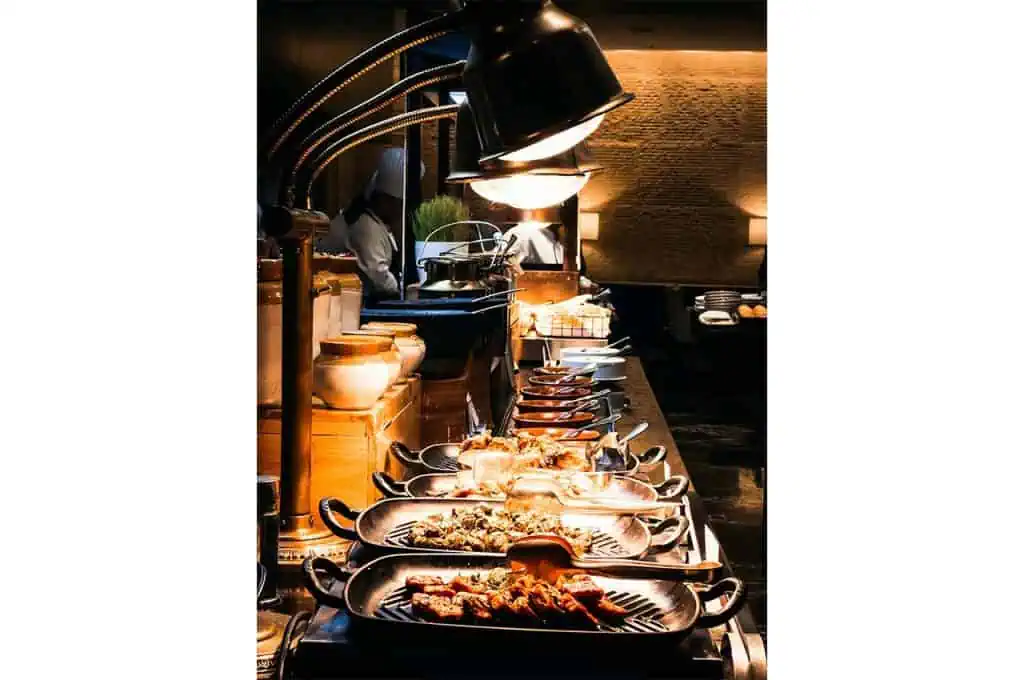
Lighting is cleverly used in buffets to highlight freshness and appeal. Spots and warm tones are directed at vibrant dishes, enhancing colors and textures, making them look especially enticing. Pay attention to areas with softer lighting, where fresher items are often left understated. Judging freshness extends beyond appearance, consider aroma and arrangement. Use these cues to select dishes that satisfy both visually and gastronomically, ensuring a rewarding dining experience every visit.
