
8 Authentic Culinary Traditions That Shaped American Food (And Many Foodies Still Don’t Get It)
American food didn’t grow out of trend cycles or restaurant creativity alone. It was shaped through migration, survival, adaptation, and necessity, as communities carried their foodways across borders and rebuilt them under new conditions. Many dishes now labeled “classic” or “comfort” come from traditions that were once marginalized, misunderstood, or deliberately stripped of their historical context. Over time, these foods were absorbed into the mainstream while the stories behind them faded. These eight culinary traditions didn’t merely influence American cuisine; they formed its foundation, defining how the country eats today, even as that history is frequently overlooked or simplified.
Indigenous Foodways Came First and Still Matter
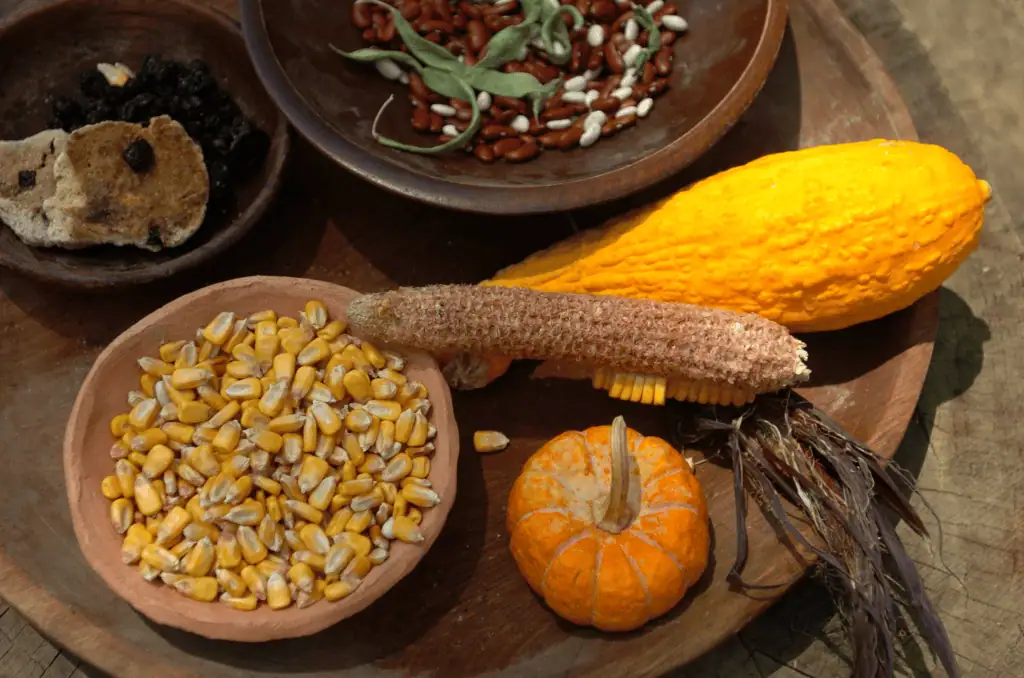
Long before European settlement reshaped the continent, Indigenous communities across North America had already developed complex, resilient food systems rooted in place. Corn, beans, squash, chilies, wild rice, and countless regional plants were carefully cultivated using knowledge passed down for generations. These foods weren’t just ingredients; they were part of seasonal cycles, land stewardship, and cultural identity.
Many modern cooking movements celebrate ideas like sustainability, seasonality, and farm-to-table eating without acknowledging that Indigenous foodways embodied these principles centuries earlier. Ignoring that history strips context from American cuisine and overlooks the foundational role Indigenous knowledge continues to play.
African American Cooking Built the Backbone of Southern Food
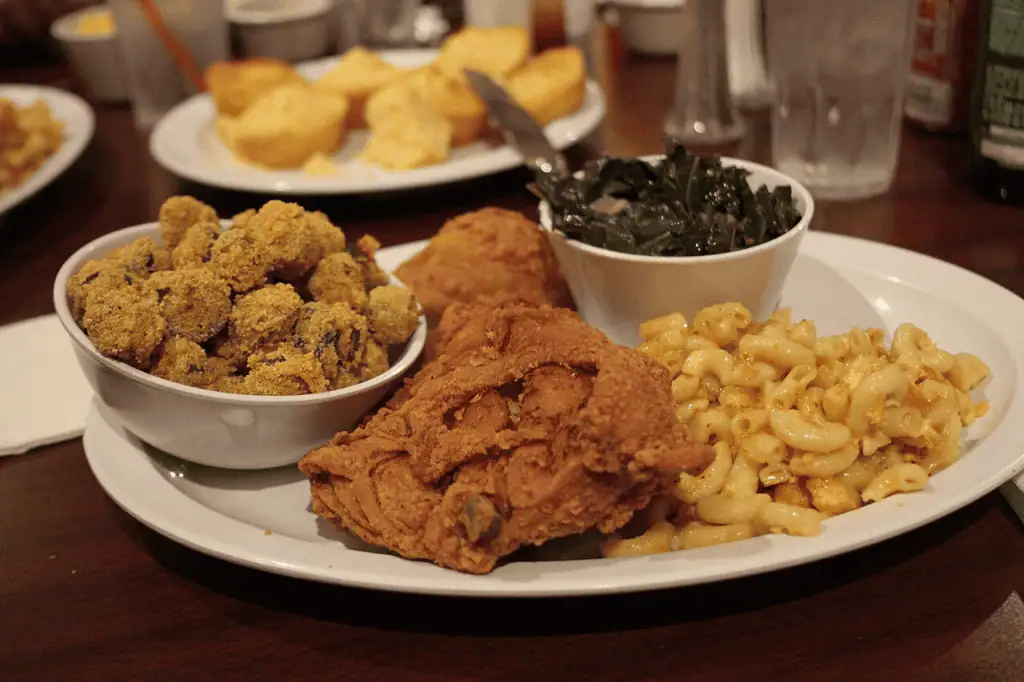
What is now widely celebrated as Southern cuisine was shaped primarily by enslaved Africans and their descendants, not by romanticized plantation narratives. Fried chicken, slow-simmered stews, greens, rice-based dishes, and complex seasoning traditions emerged from African techniques adapted under brutal conditions. Enslaved cooks transformed limited rations into sustaining, flavorful meals using skill, memory, and resilience.
These methods were preserved and passed down despite oppression, forming the backbone of regional food culture. When Southern food is praised purely for comfort or nostalgia, it often erases the reality that its depth comes from survival cooking forged under systemic violence and exploitation.
Cajun Food Was Born From Displacement, Not Fusion
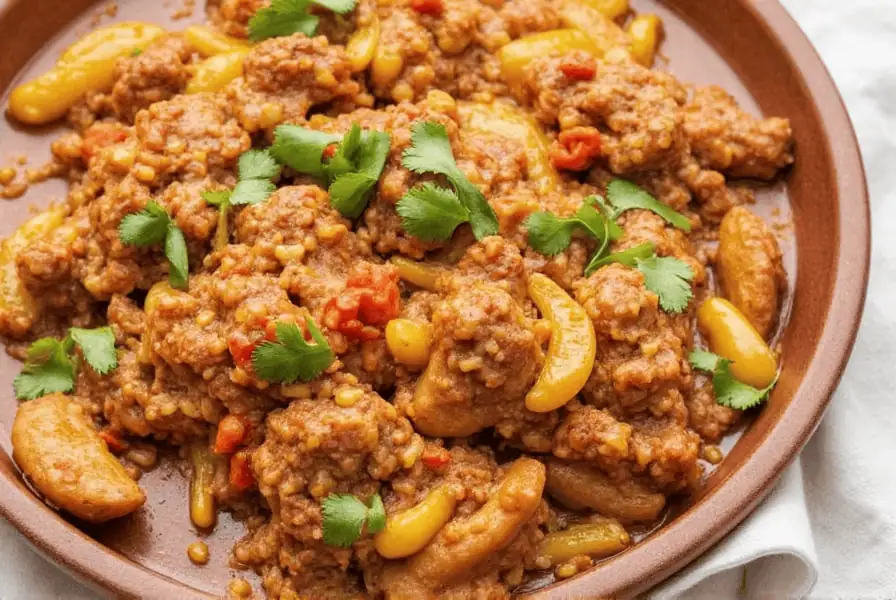
Cajun cuisine is frequently described as a rustic or playful fusion, but its origins are rooted in forced displacement and adaptation. Acadian settlers expelled from Canada were pushed into Louisiana, where they had to rebuild their lives and food traditions using unfamiliar climates and ingredients.
One-pot meals, bold seasoning, and careful use of every available resource were not stylistic trends but practical responses to scarcity and instability. Over time, these necessities became defining features of Cajun cooking. Treating the cuisine as casual comfort food overlooks its historical weight and the endurance embedded in every dish.
Tex-Mex Was Never a Shortcut Version of Mexican Food
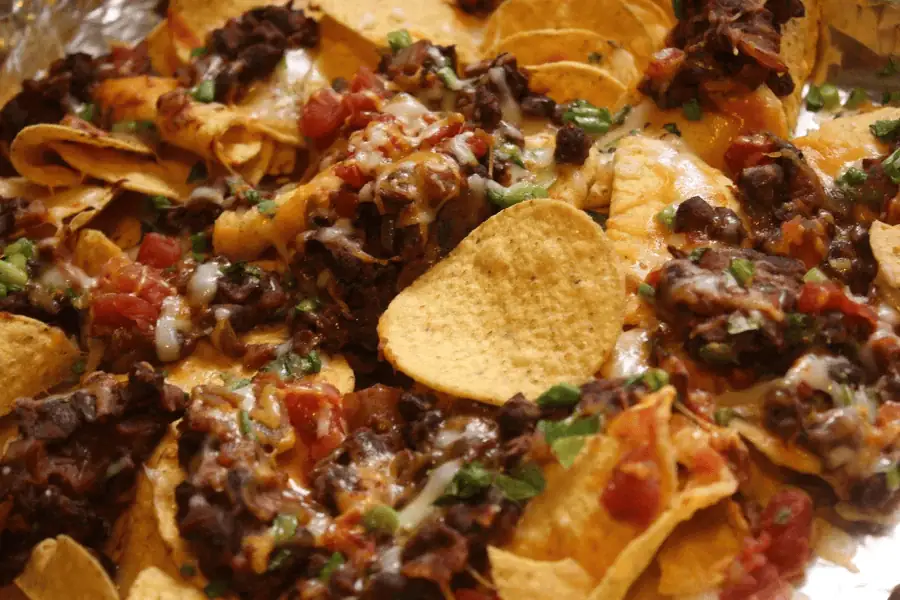
Tex-Mex cuisine is often dismissed as a watered-down or shortcut version of Mexican food, but that framing ignores how it actually developed. Tex-Mex emerged from Mexican communities living along the U.S.–Mexico border who adapted traditional dishes to new ingredients, economic realities, and cultural pressures. Chili con carne, flour tortillas, melted cheese, and combination plates weren’t lazy substitutions they were practical evolutions shaped by availability and demand.
These foods reflect a lived, hybrid culinary identity formed over generations. Treating Tex-Mex as “inauthentic” overlooks the fact that it represents continuity and adaptation, not compromise or imitation.
Chinese American Cuisine Was Built Under Restrictions

Chinese American cuisine didn’t evolve freely it was shaped by exclusion laws, discrimination, and limited access to traditional ingredients. Chinese immigrants adjusted recipes to suit what was available and what American customers would accept, often under intense social and legal pressure.
Dishes like chop suey and Americanized stir-fries were not culinary failures but strategic creations that allowed restaurants to survive in hostile environments. These foods made Chinese businesses visible and viable when other opportunities were denied. Judging Chinese American dishes by rigid authenticity standards ignores the resilience behind them and the historical constraints that defined their development.
Italian American Food Is About Abundance, Not Imitation

Italian American cuisine differs from regional Italian cooking because it was born in a context of relative abundance rather than scarcity. Immigrant families who had once lived with limited access to meat and rich ingredients now had the freedom to use more of them. Heavier sauces, larger portions, and meat-forward dishes reflected prosperity and stability, not a misunderstanding of tradition.
These meals symbolized success and security after hardship. Calling Italian American food “wrong” or excessive misses its meaning entirely it represents achievement, adaptation, and the joy of finally having enough.
Jewish Deli Food Is Preservation Cuisine

Jewish deli food is often framed as indulgent comfort eating, but its roots lie in survival and preservation rather than excess. Smoked fish, cured meats, pickles, and dense breads were developed as practical solutions to limited refrigeration, long travel, and food insecurity. These techniques allowed communities to extend shelf life while maintaining nourishment and flavor.
Jewish deli traditions reflect centuries of migration, scarcity, and adaptation to changing environments. When this food is reduced to nostalgia or indulgence, it erases the ingenuity behind it the careful methods that made it possible to feed families and sustain culture under constant displacement.
Mexican American Home Cooking Shaped Everyday U.S. Eating
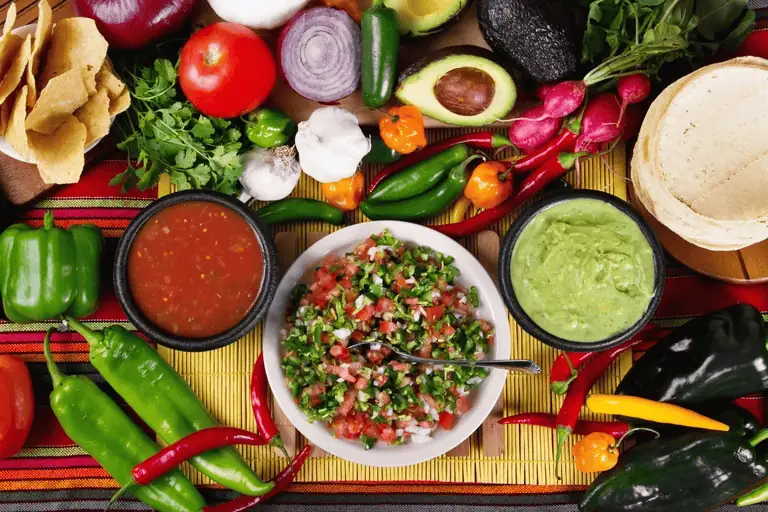
Mexican American influence on everyday U.S. food goes far beyond restaurant menus. Home cooking traditions introduced staples like beans, rice, tortillas, salsas, and slow-cooked meats into daily meals across the country. Over time, these foods became so familiar that they lost their cultural attribution, blending into what many now consider “basic” American cooking.
This normalization often happens without recognition of its origins. What feels standard or default today is deeply rooted in Mexican American kitchens, where practical, flavorful, and adaptable meals shaped how generations of Americans learned to cook and eat at home.
