
7 Things a Restaurant’s Bread Service Reveals About How They Run Their Kitchen
The bread service is rarely just a “freebie” to keep you busy while you wait; in 2026, it is a primary indicator of how a kitchen truly operates. As restaurants move toward “minimal ingredient” artisanal goods to meet new health demands, the quality of your rolls or sourdough reveals the management’s discipline.
When you sit down, you aren’t just looking at carbs you are looking at food waste protocols, storage standards, and consistency. A kitchen that can’t get the bread right is often struggling with much larger systemic issues behind the scenes. Here are seven things that bread service reveals about a restaurant’s inner workings.
The Temperature Tells the Timing
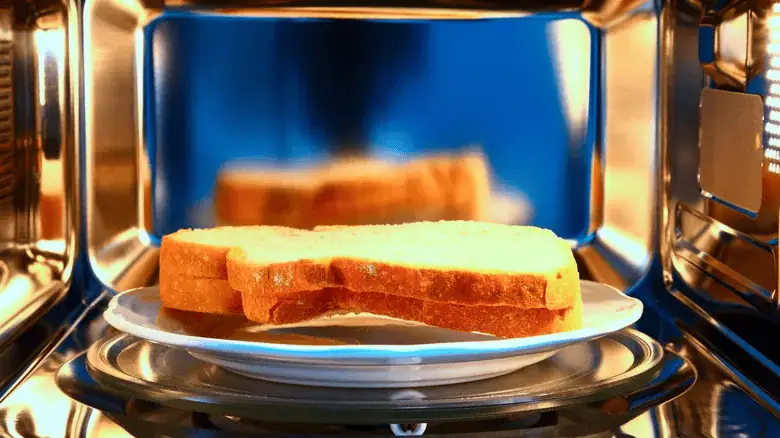
If your bread arrives stone-cold or, conversely, scalding hot from a microwave, it signals a major breakdown in front-of-house coordination. In 2026, high-performing kitchens use synchronized “holding” technology to ensure artisanal loaves stay at exactly 38°C for optimal texture.
Cold bread often means the kitchen staff isn’t communicating with the servers, or the floor is dangerously understaffed. It suggests that the “pace of play” in the kitchen is reactive rather than proactive. If they can’t time a simple roll, they likely won’t time your steak and sides correctly either.
The Crust is a Quality Audit
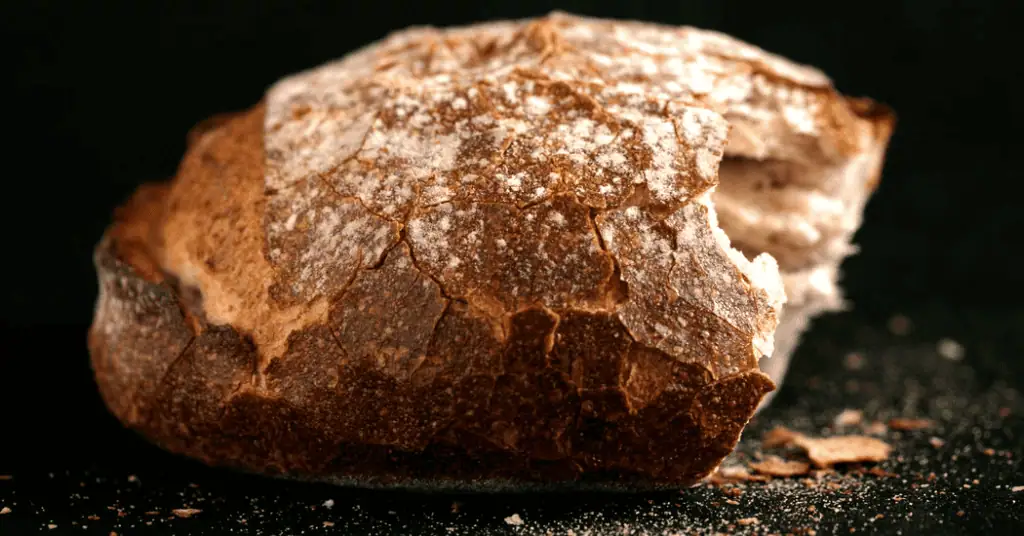
A limp, leathery crust is the first sign that a restaurant is cutting corners on storage or using “frozen-to-table” shortcuts without proper equipment. Professional bakers note that 70% of 2026 consumers now prioritize texture over flavor, and a “shatter-crisp” crust requires precise humidity control.
If the bread lacks that signature crunch, it indicates the kitchen may be ignoring First-In, First-Out (FIFO) inventory rotation. It also reveals a lack of investment in modern convection technology. A kitchen that accepts “soggy” as a standard for bread will likely accept it for your vegetables too.
Butter Temperature and “Spreadability”
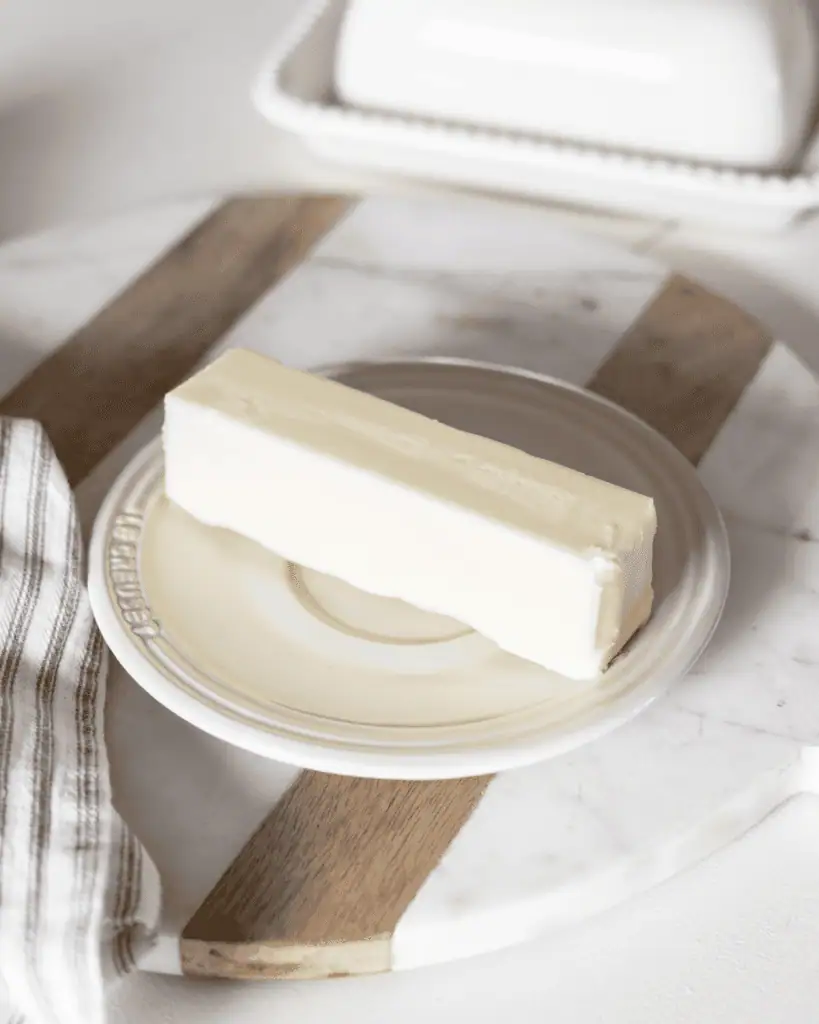
Nothing reveals a lazy kitchen like a rock-hard pat of butter that tears through the bread. In 2026, “creative herb-infused butters” are a major trend, but their success depends entirely on proper “tempering” before service.
Hard butter means the prep cook forgot to pull the dairy from the fridge, or there is no standardized “opening checklist” for the shift. It shows a lack of empathy for the diner’s experience and a “good enough” attitude toward service standards. A kitchen that cares about your first bite will ensure the butter is soft and welcoming.
Uniformity vs. Authenticity
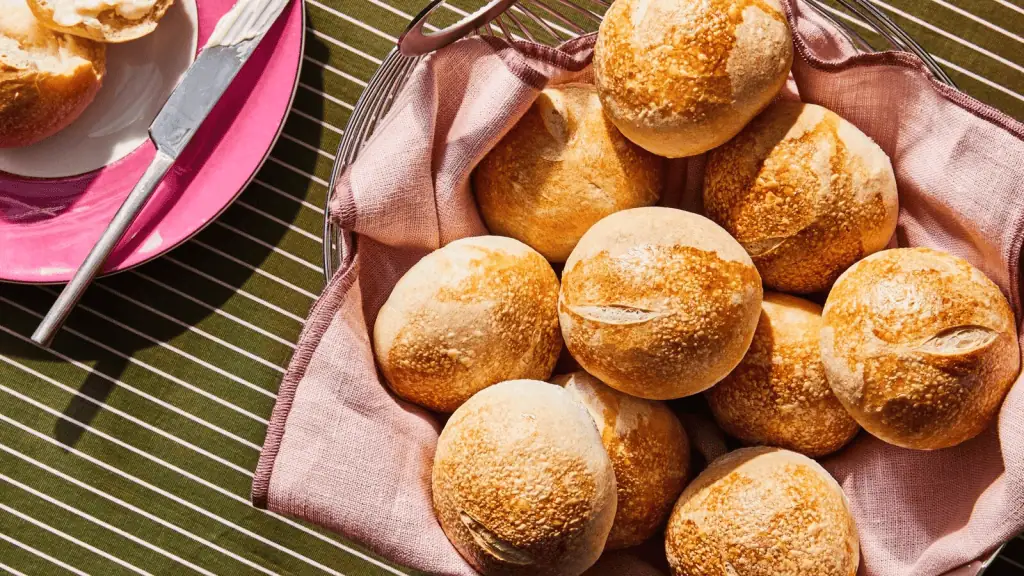
In 2026, the “Small Plate Renaissance” has pushed diners toward handmade, “low-fi” authenticity over perfectly identical, factory-made rolls. If every roll in your basket is a perfect clone, you are likely eating a mass-produced, ultra-processed product. While consistency is good, true artisanal bread should have slight variations in shape and “crumb” that signal it was shaped by a human hand.
This reveals whether the restaurant values true craftsmanship or is simply managing costs through industrial supply chains. Authentic kitchens take pride in the “perfectly imperfect” nature of their house-made dough.
Sourdough and Gut-Health Ethics
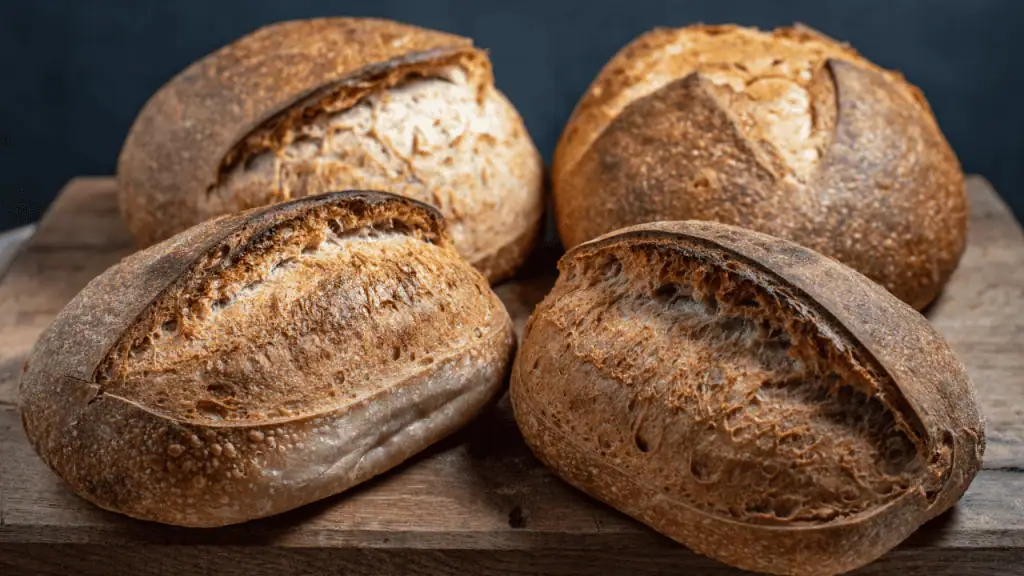
With sourdough searches skyrocketing recently, its presence in the bread basket signals a kitchen that is attuned to 2026 wellness trends. Real sourdough requires a “starter” and a long fermentation process, which demands a high level of daily commitment from the kitchen staff.
If a restaurant claims to serve sourdough but it lacks that distinct tang and airy structure, they may be using “cheats” like commercial yeast and vinegar. This reveals the honesty of their menu claims. A kitchen that commits to a real sourdough program is a kitchen that values traditional, slow-cooking techniques.
The Presentation and Cleanliness
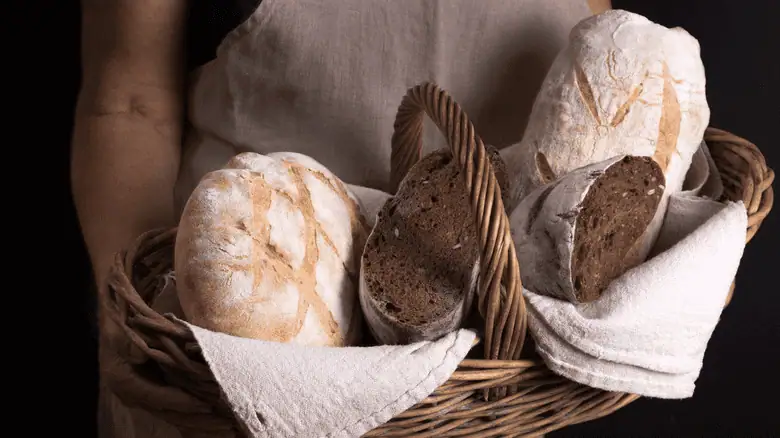
How the bread is presented, whether in a clean linen-lined basket or a generic plastic bowl, reflects the restaurant’s overall aesthetic and hygiene standards. In 2026, “minimalist” and “sustainable” packaging is the gold standard for high-end casual dining.
Crumbs left in the bottom of a basket or a stained cloth are immediate “red flags” for back-of-house cleanliness. It suggests that the staff is rushing through the “small things,” which often translates to sloppy plating or ignored spills in the kitchen. The bread basket is the restaurant’s first impression; if it’s messy, the kitchen likely is too.
The Cost and “Value Perception”
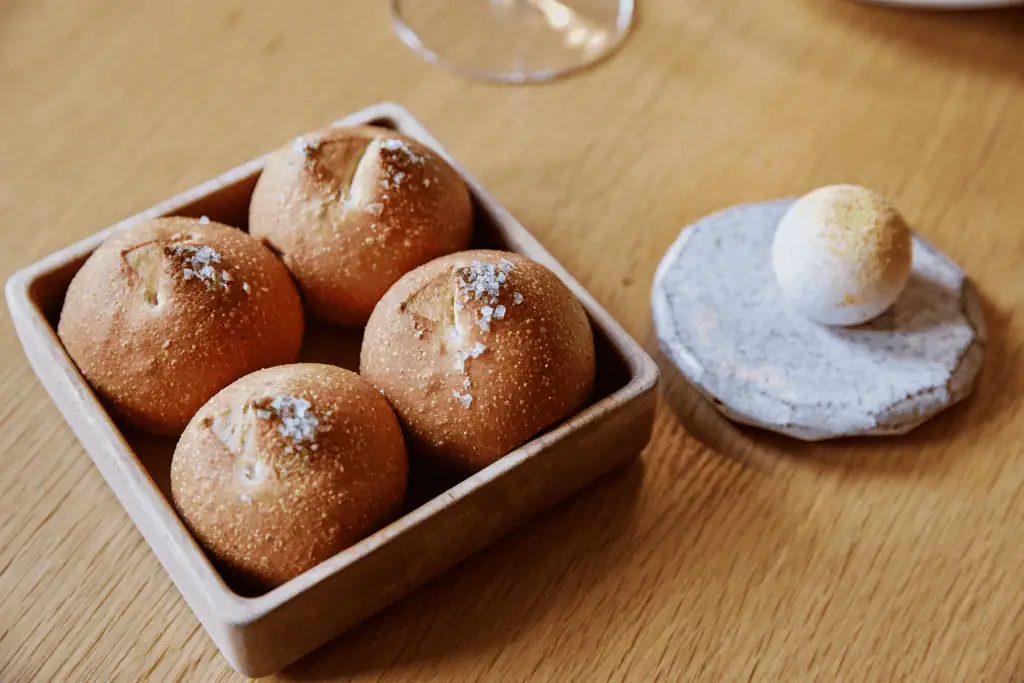
In 2026, many restaurants have shifted away from “free” bread to a paid, premium “bread course” to offset rising commodity costs. If a restaurant still provides free bread, it reveals a strong “customer retention” strategy and a willingness to absorb costs for the sake of hospitality.
However, if they charge for bread, the quality must be exceptional, featuring high-protein flours or local farmers’ market ingredients. This choice tells you whether the restaurant views you as a “transaction” or as a “guest” they want to impress. It sets the tone for the entire economic and culinary experience of your meal.
