
7 Foods You’d Never Expect Royals to Eat
Royal dining tables have long symbolized luxury, power, and massive excess. But beyond gold plates and elaborate banquets, many monarchs developed tastes that feel quite unusual today. Some dishes reflected high status, while others were based on ancient medical beliefs. From medieval Europe to imperial courts, these seven foods were genuinely loved by various royals. They may surprise modern diners who expect only the finest steaks and cakes. These choices reveal that royal palates were often as eccentric as the monarchs themselves. Understanding what they ate provides a fascinating glimpse into the history of wealth and culture.
Swan – A Medieval Status Symbol

In medieval England, swan was not just a meal; it was a sign of immense prestige. The Crown strictly owned these birds, and serving one signaled royal permission. Feathers were often reattached after roasting to create a dramatic and lifelike presentation.
While the flavor was reportedly quite gamey and tough, its rarity made it highly desirable. For royalty, the spectacle of the dish mattered just as much as the actual taste. It was a centerpiece designed to impress and intimidate every guest at the table.
Lampreys – A Dangerous Delicacy

Henry I of England was famously fond of lampreys, which are eel-like fish with a unique look. Despite medical warnings at the time, he reportedly consumed them in great excess during his reign. Chroniclers even linked his death to an overindulgence in these slippery creatures.
Historians still debate the accuracy of that claim, but the dish remained a staple luxury. Lampreys represented a sophisticated taste that few outside the royal inner circle could afford. They were a prized delicacy that symbolized the king’s ability to command the sea’s strangest offerings.
Peacock – More Show Than Flavor
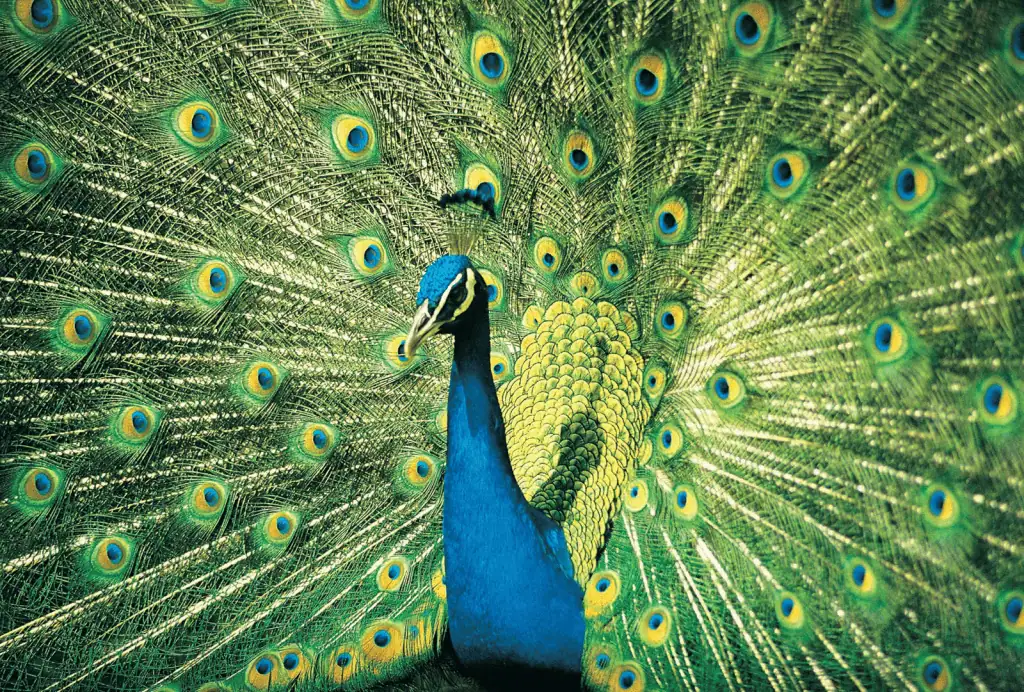
Peacock appeared at many royal banquets across Europe, valued mainly for its vibrant and beautiful plumage. After cooking, the bird’s feathers were often carefully restored for display on the table. While its flavor was said to resemble turkey, the meat was significantly tougher and less tender.
The appeal was almost entirely symbolic, focusing on color, rarity, and theatrical presentation. It was a dish meant to be seen and admired before it was ever tasted. This feathered centerpiece proved that royals truly ate with their eyes first.
Chocolate as Medicine

When chocolate first arrived in European courts, it was not viewed as a sweet candy. Louis XIV consumed chocolate beverages as a restorative tonic to aid his digestion and vitality. Spanish royalty also embraced cacao as a thick, luxury drink for the elite. It was sweetened sparingly and spiced with exotic ingredients like chili or vanilla.
At the time, chocolate was considered both a high-end indulgence and a powerful medicinal tool. It was a far cry from the sugary bars we enjoy in the modern world today.
Sea Kale – The Royal Vegetable

Queen Victoria reportedly favored sea kale, a coastal plant that was very popular in Victorian Britain. Though not considered strange back then, this vegetable is rarely seen on plates in the modern era. It was typically served steamed with butter or rich sauces at the royal table.
This preference reflected the seasonal availability and aristocratic gardening trends of the 19th century. Royal kitchens were experts at elevating simple, locally grown produce into highly refined dishes. It shows that even the most powerful monarchs enjoyed the simple flavors of the earth.
Ortolan – A Controversial Bird

French aristocracy and royal figures prized the ortolan, a tiny songbird prepared in a very elaborate fashion. While not exclusive to kings, it stood as a powerful symbol of elite and daring indulgence. Its preparation became highly controversial over time due to the specific methods used.
Today, the dish is banned in many places around the world for ethical reasons. Historically, eating this bird represented exclusivity and a willingness to push culinary boundaries. It remains one of the most mysterious and debated items in the history of royal dining.
Pickled Herring at Court

Catherine the Great reportedly enjoyed pickled herring, which is a major staple in traditional Russian cuisine. While not inherently strange, its strong flavor contrasts with modern expectations of royal luxury. For northern courts, preserved fish was a practical necessity that was widely and happily consumed.
Royal tastes often reflected regional culture and local traditions as much as pure extravagance. This simple, salty dish shows that even an empress appreciated the humble flavors of her homeland. It serves as a reminder that royal life wasn’t always about exotic spices.
