
5 Surprising Foods That Aren’t as Bad for Weight Loss as You Think, According to Dietitians
When it comes to weight loss, many foods get labeled as “bad” without much nuance. Dietitians stress that portion size and overall balance matter more than strict food rules. In fact, studies in The American Journal of Clinical Nutrition show that excluding entire food groups can backfire by reducing diet adherence. Here are five foods often misunderstood that can still support healthy weight management.
Potatoes
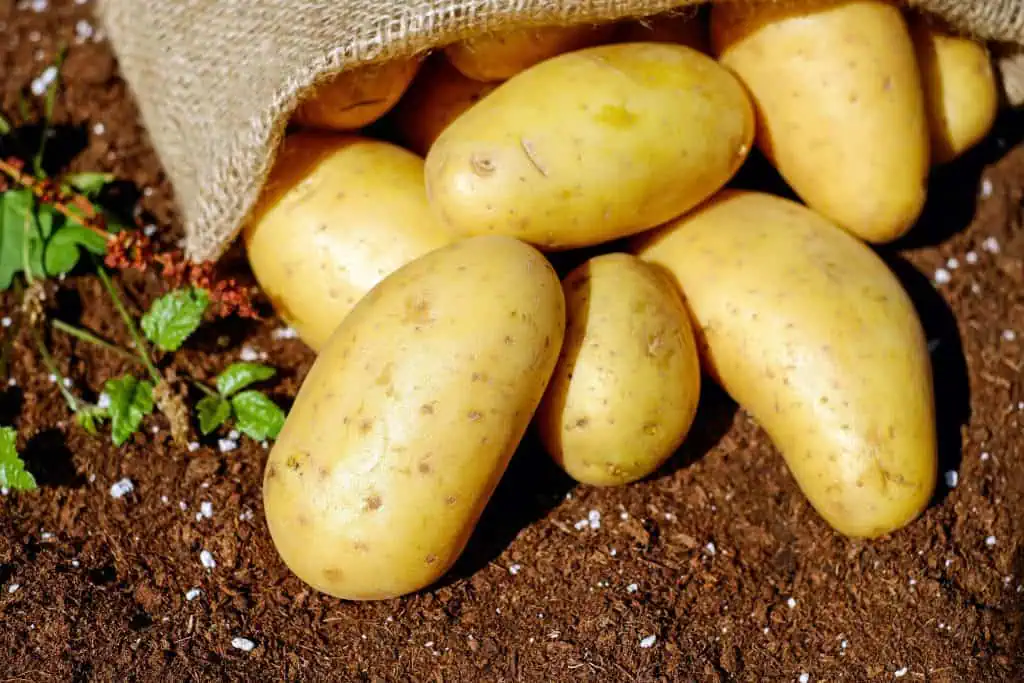
Potatoes often get a bad reputation for being starchy and high in carbs, but they can be filling and nutritious. A medium potato is naturally fat-free and provides fiber, vitamin C, and potassium. A study in the Journal of the American College of Nutrition found that people who ate potatoes in a calorie-controlled diet lost weight just as effectively as those avoiding them. Preparation matters baked or boiled beats fried every time.
Pasta

Pasta is frequently seen as a weight-loss enemy, yet research shows it can fit into balanced diets. Whole-grain pasta offers fiber and protein, keeping you fuller longer. A review in Nutrition & Diabetes found that pasta intake was not associated with higher body weight and even linked to lower BMI in some groups. Pairing it with vegetables and lean protein enhances satiety while keeping calories in check.
Cheese
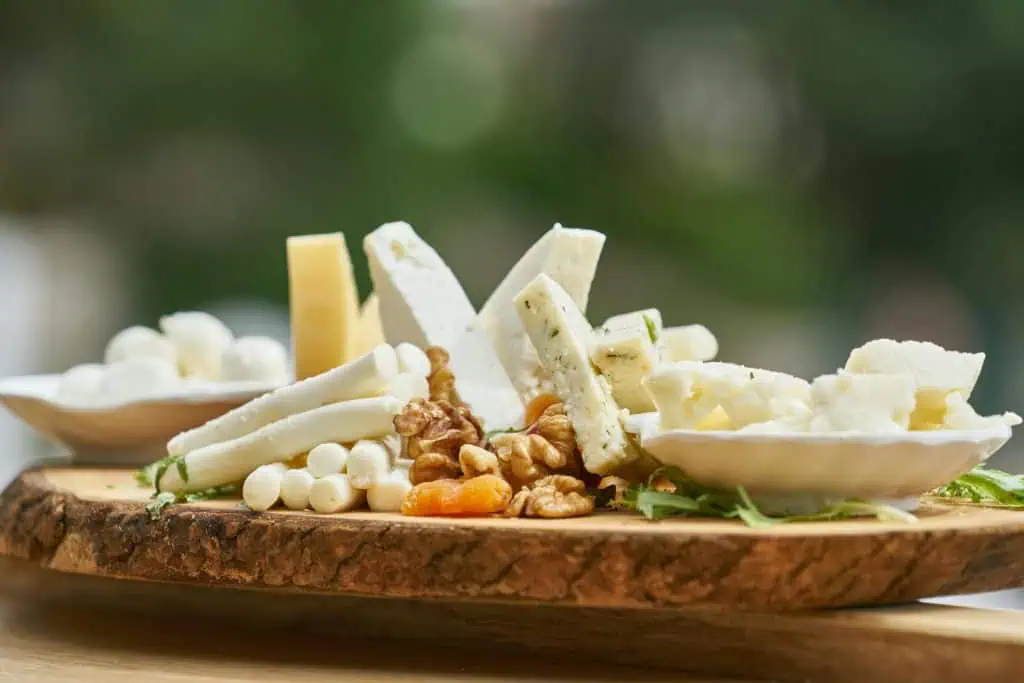
Cheese is calorie-dense, but when eaten in moderation, it provides protein and calcium that support bone health. A meta-analysis in the European Journal of Nutrition reported no link between cheese consumption and obesity risk. In fact, dairy fats may contain conjugated linoleic acid (CLA), which some studies associate with fat metabolism. Keeping portions small, like one ounce with fruit, lets you enjoy the benefits without overdoing it.
Peanut Butter
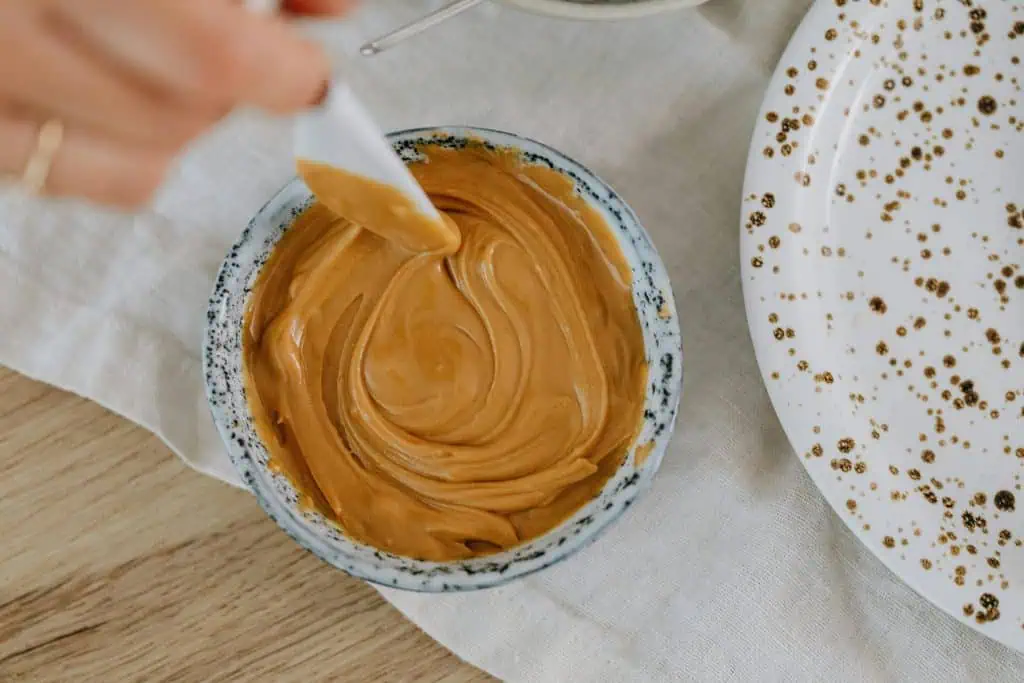
Though high in calories, peanut butter delivers healthy fats and protein that help control hunger. Research in the British Journal of Nutrition found nut eaters tended to weigh less and had lower risks of obesity compared to non-nut eaters. Another study in The American Journal of Clinical Nutrition showed peanuts improve satiety, reducing the urge to snack later. Choosing natural versions without added sugar maximizes the benefits.
Dark Chocolate
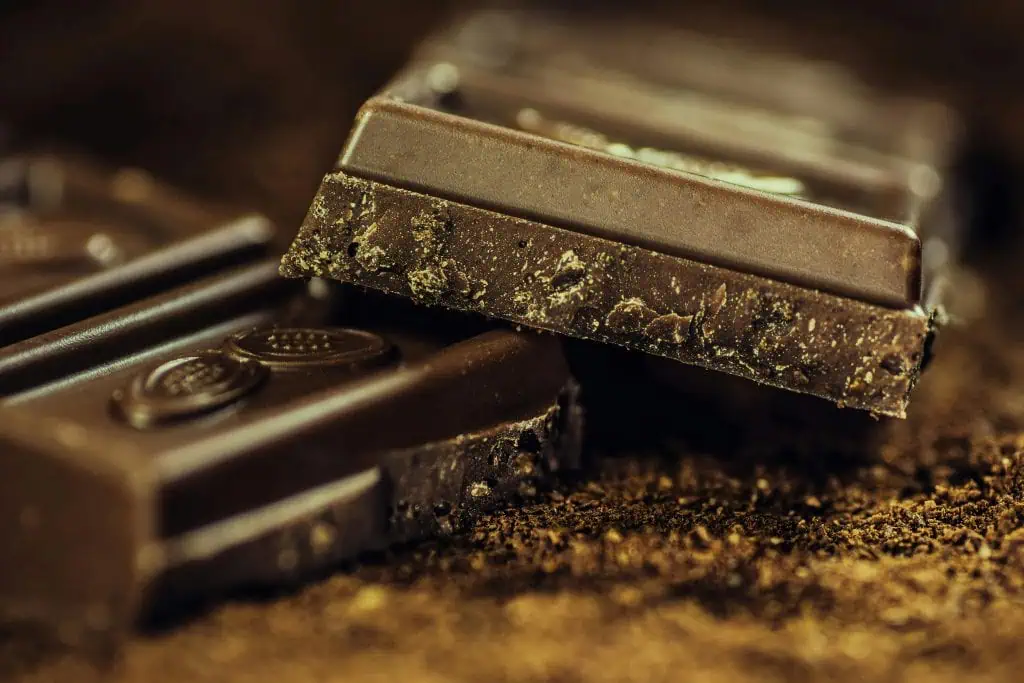
Dark chocolate isn’t just an indulgence it offers flavonoids that support heart health and may reduce inflammation. A study in Appetite found that dark chocolate increased satiety more than milk chocolate, reducing cravings for sweet or salty snacks later in the day. Research in the Journal of Nutrition also suggests moderate dark chocolate intake is linked with better cardiovascular outcomes. Just a small square of 70% cocoa can satisfy.
