
5 Reasons Organic Food May be the Biggest Scam Fooling the Middle Class in America
Organic food has gained a reputation for being healthier and more environmentally friendly, yet this perspective is increasingly scrutinized. Home cooks often assume that these products offer superior benefits over their conventional counterparts, but such claims deserve a closer examination. Understanding the reality behind organic labels and their implications can aid better decision-making, ultimately ensuring that your culinary ventures are both cost-effective and nutritious.
Price Gap vs. Nutrition Benefits
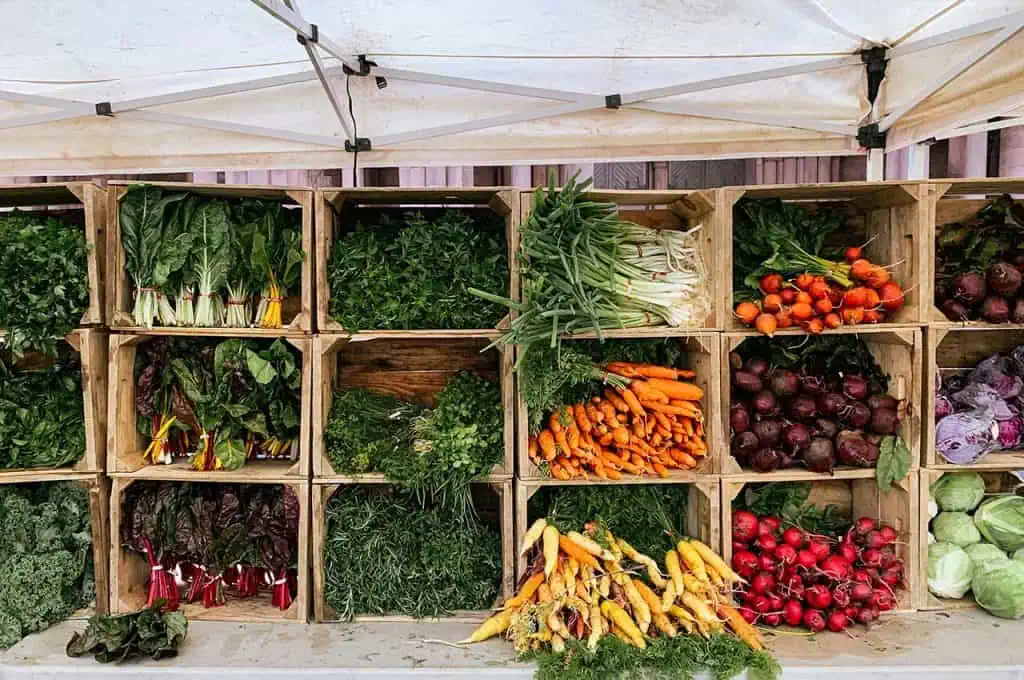
The significant price difference between organic and non-organic foods raises questions about nutritional justification. Reliable studies reveal minimal to no superior increase in essential nutrients from organic produce.
While organic farming practices contribute to biodiversity, they aren’t necessarily reflected in tangible nutritional advantages. Allocating your budget towards fresh, seasonal ingredients, irrespective of farming methods, may offer better meals without undue financial strain.
The Myth of Chemical-Free Labels

Many consumers are drawn to organic products due to beliefs about purity and the absence of chemicals. However, organic farming still permits certain naturally-derived pesticides and fertilizers. These are not automatically safer for consumer health or the environment.
Awareness of what these terms truly signify can be crucial. Selecting products based on informed choices rather than aspirational labels can sometimes be a more practical approach to healthy eating.
The Role of Clever Marketing

Marketing strategies leverage consumer perceptions to position organic products as superior. Buzzwords like “natural” and “certified organic” are utilized to create a prestigious image that does not always correlate with actual quality or safety.
Understanding these marketing tactics allows consumers to prioritize elements that truly matter, such as flavor, freshness, and ingredient origin, which ultimately lead to more satisfying and sustainable cooking experiences.
Blind Taste Tests Tell All

Blind taste tests consistently demonstrate that many can’t distinguish between organic and conventional products based on flavor alone. The perception of taste is often influenced by preconceived notions rather than objective quality.
Exploring food without preconceived biases can lead to surprising discoveries, emphasizing that fresh and well-prepared ingredients, regardless of their cultivation method, are keys to culinary success.
Misunderstood Benefits by Shoppers

Consumers often gravitate toward organic products believing they offer superior nutrition or safer ingredients. However, scientific studies show negligible nutritional differences compared to conventional produce. The term ‘organic’ refers to specific farming practices, not inherent health benefits.
Many are unaware that organic farming still uses pesticides, albeit natural ones, which are not inherently less harmful. This misunderstanding leads shoppers to overvalue organic labels, often confusing price with quality and safety without substantial evidence.
