
5 Reasons America’s Fast-Food Culture Is Bigger Than Anywhere Else in the World
America’s fast-food culture is a defining element of its culinary landscape, with a reach and influence surpassing any other country. Understanding why this phenomenon thrives involves examining various factors, from convenience to culinary innovation. These insights shed light on how fast food has become an integral part of American life, offering more than just quick meals but a broader cultural experience.
Drive-Thrus & 24/7: Fueling Growth

Drive-thrus and 24/7 service represent pillars of rapid growth in America’s fast-food industry. The convenience of ordering without leaving your car meets the needs of busy consumers. Chain restaurants have mastered this model, optimizing traffic flow and speed of service.
The expansion into 24-hour availability caters to all schedules, offering reliability for late-night shifts or early risers. This relentless commitment to accessibility has sewn fast food into the fabric of daily life.
Portion Sizes: A Global Shock

Portion sizes in American fast food restaurants often astonish international visitors, reflecting a cultural norm of abundance. Large servings symbolize value for money, appealing to consumers who equate more substantial meals with satisfaction.
These generous portions also encourage social dining experiences, reinforcing fast food’s role in family or group gatherings. Understanding these portion dynamics highlights how size influences consumer perceptions and impacts international food trends.
Fast Food: More Than Just a Meal

Fast food in America transcends its reputation of offering quick meals. It serves as a cultural touchstone, reflecting societal habits and economic factors. Chains adapt menus to regional tastes, providing a sense of local identity despite their global reach.
The industry’s ability to offer consistent taste profiles across locations adds to its appeal. Innovations such as breakfast menus or limited-time offerings keep consumers engaged, transforming fast food into an experience rather than just a convenience.
Innovations & Timely Temptations
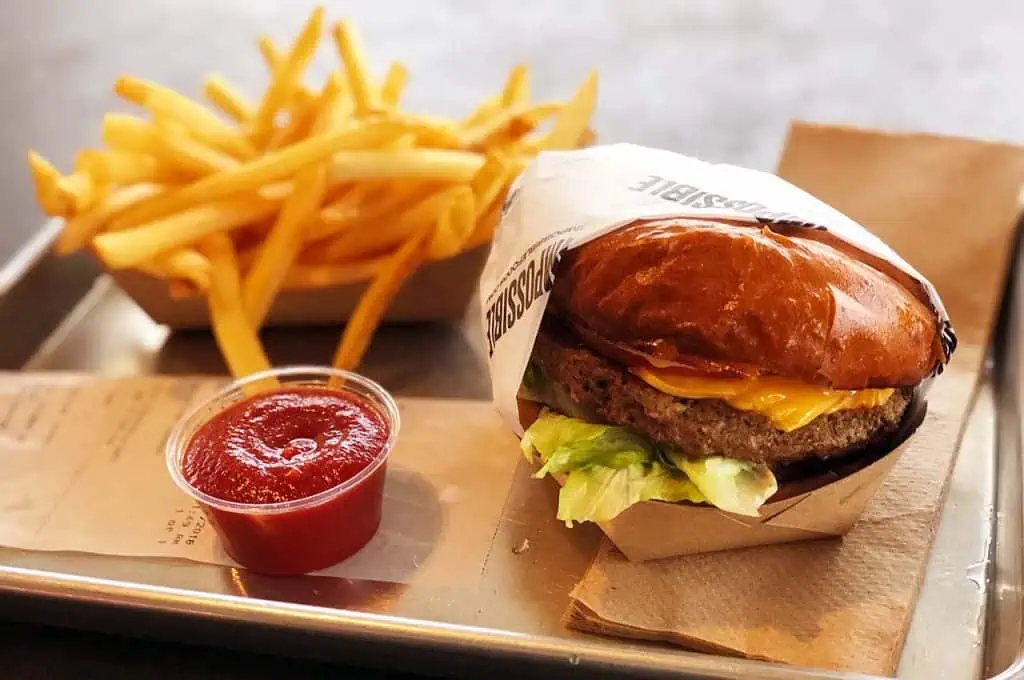
Innovation drives continual adaptation in America’s fast-food sector, ensuring it remains current and exciting. Chains experiment with flavors and ingredients, often setting trends that permeate broader culinary contexts.
Timely releases of special items captivate audiences, spurring curiosity and engagement. These strategies not only maintain customer interest but also push boundaries, showcasing fast food as a dynamic force in America’s food culture.
Unmatched Fast-Food Accessibility

In the United States, fast-food restaurants are a ubiquitous presence, making them highly accessible for consumers. This saturation results from strategic placement in urban, suburban, and even rural areas, ensuring that a quick meal is never far away. Major highways and city intersections often host these establishments, catering to the fast-paced lifestyle where convenience is paramount.
Drive-thru options further increase accessibility, allowing for expedient service. This pervasive availability reflects the integration of fast food into daily routines, meeting diverse demographic needs while highlighting a cultural preference for speed and efficiency in dining.
