
5 Old Food Brands Making a Comeback: Don’t Miss Out
Food trends move fast, but trust is slow to earn and even slower to replace. As shoppers grow wary of constant novelty and feel the pressure of rising prices, many are rethinking what actually delivers value. In that shift, long-standing food brands are quietly regaining relevance. Their appeal isn’t rooted in reinvention or viral buzz, but in familiarity, consistency, and reliability. These products still taste, function, and perform exactly as people remember. In an increasingly uncertain grocery landscape, predictability itself has become valuable turning once-overlooked brands into smart, confidence-driven choices again.
Jell-O
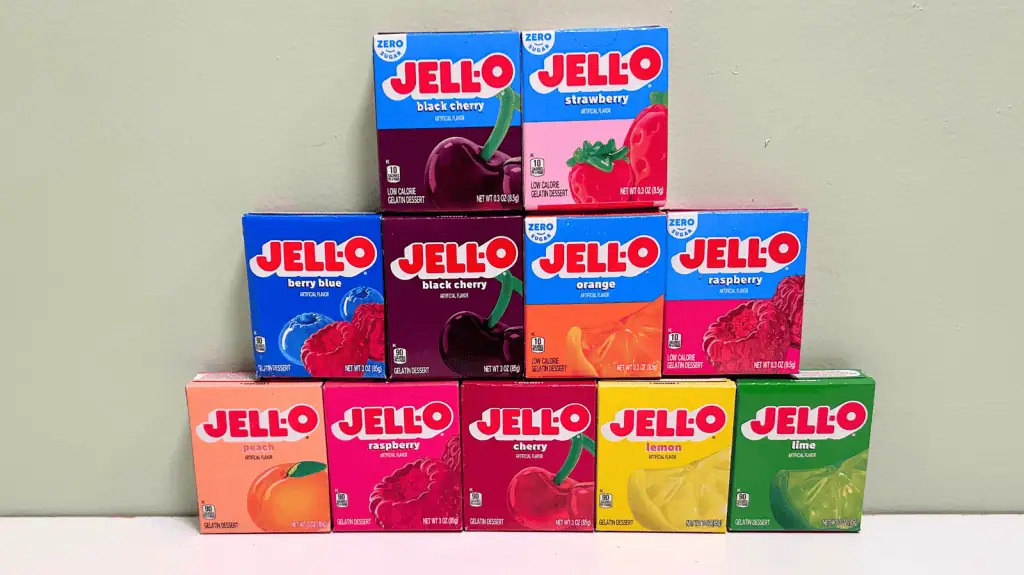
Once dismissed as dated, Jell-O is gaining renewed value through nostalgia and pure practicality. It’s inexpensive, shelf-stable, and requires almost no skill to prepare qualities that matter again as food budgets tighten and time feels limited. Home cooks are bringing it back for simple weeknight desserts, holiday staples, and kid-friendly treats that don’t require specialty ingredients. In contrast to modern desserts that promise elevation but deliver complexity and cost, Jell-O offers predictability. Its strength lies in consistency: it works the same way every time, which makes it quietly valuable when overdesigned, overpriced “premium” desserts feel unnecessary.
Campbell’s
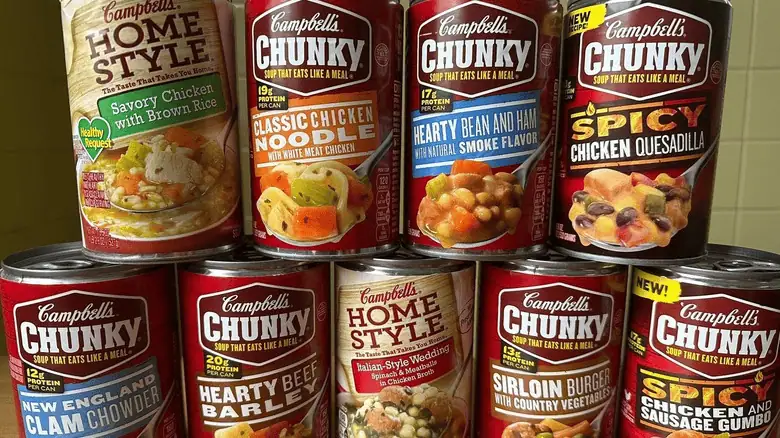
Campbell’s never vanished, but its cultural relevance dipped during the peak of fresh-food idealism. Today, canned soup is being reassessed through a more practical lens. With rising grocery costs, cooking fatigue, and unpredictable schedules, consumers are rediscovering the appeal of shelf-stable meals that require no planning. Campbell’s benefits from decades of trust and extreme consistency; people know exactly how it will taste before opening the can. That reliability has become an asset rather than a drawback. In a food landscape filled with uncertainty, a product that performs the same way every time feels dependable, efficient, and unexpectedly valuable again.
Kraft
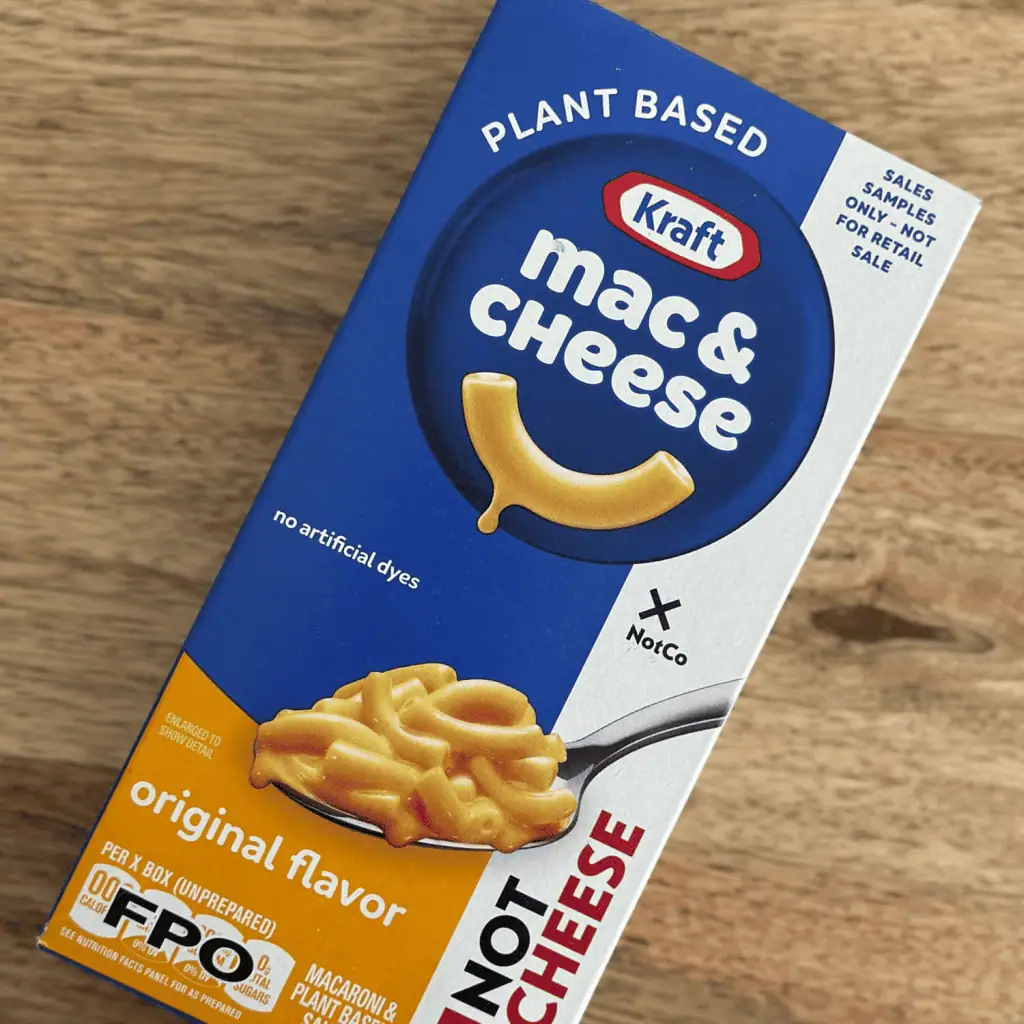
Kraft’s reputation took hits during clean-label movements, but many of its core products are regaining appreciation for their role in real life. Boxed dinners, slices, and sauces aren’t aspirational but they’re affordable, familiar, and filling. As food budgets tighten, practicality often outweighs ideals. Kraft benefits from generational knowledge: people know how to use its products and what they’ll taste like. That predictability lowers friction in daily cooking. The brand’s renewed value isn’t ideological, it’s functional. When feeding people matters more than signaling values, Kraft quietly earns its place again.
Tabasco
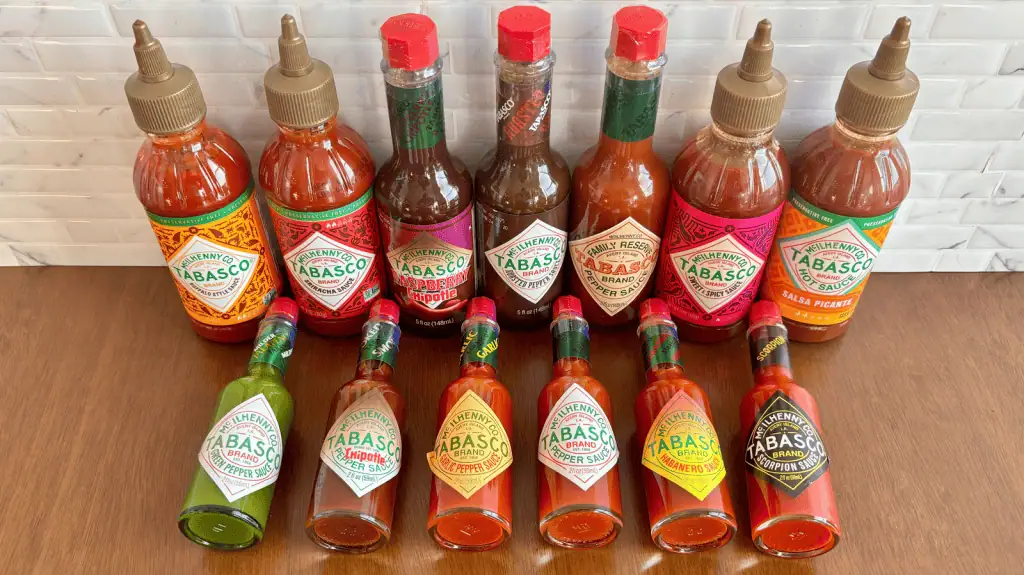
Tabasco’s comeback is rooted in how little it has changed. Its formula, vinegar, peppers, and salt feels almost radical in a market crowded with long ingredient lists and trend-driven flavors. As consumers grow skeptical of sauces overloaded with sweetness or novelty, Tabasco’s sharp, unmistakable heat feels clean and purposeful again. It works across cuisines, lasts indefinitely in the fridge, and delivers the same punch every time. For home cooks looking to simplify without sacrificing flavor, one dependable bottle that does its job consistently has regained real value.
Hostess
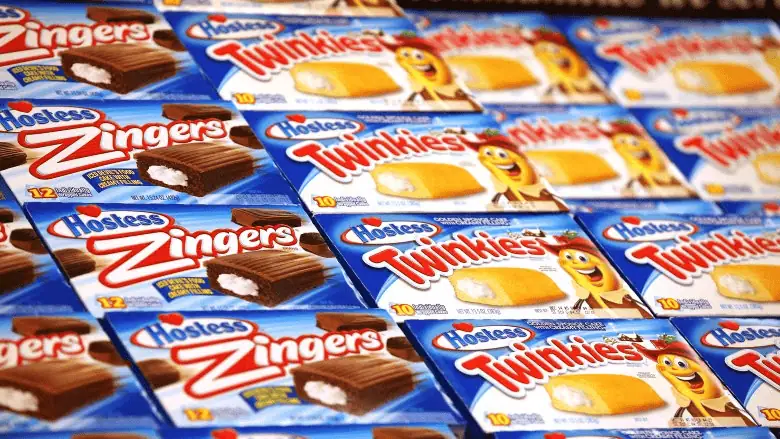
Hostess snack cakes have reemerged not as ironic treats, but as straightforward comfort food. Twinkies, cupcakes, and other classics don’t pretend to be healthy, elevated, or artisanal and that honesty is part of the appeal. In a food culture saturated with wellness claims and “better-for-you” marketing, Hostess offers clarity. These are indulgences, meant to be enjoyed without justification. For many shoppers, especially during uncertain times, familiar sweets provide emotional reassurance. The brand’s value now lies in consistency, nostalgia, and refusing to disguise dessert as something else.
