
15 Natural Ways To Reduce Stress and Anxiety
In our fast-paced world, managing stress and anxiety is crucial for maintaining a balanced lifestyle. Many natural approaches, backed by scientific research, offer effective ways to ease these pressures. By exploring these strategies, you can find methods that suit your lifestyle and provide lasting relief.
Boost Mood with Regular Exercise

Engaging in regular physical activity enhances mental well-being by releasing endorphins, which are natural mood elevators. Aim for at least 30 minutes of moderate exercise daily, whether it’s brisk walking, cycling, or swimming. Consistency is key. By incorporating movement into your routine, you not only improve physical health but also alleviate stress, creating a more resilient and serene mind.
Embrace Mindfulness Meditation

Mindfulness meditation involves focusing on the present moment, reducing overwhelming thoughts through simple breathing techniques. Spend 10-15 minutes each day in a quiet environment, concentrating on your breath and acknowledging your thoughts without judgment. This practice helps diminish anxiety over time by enhancing emotional awareness and promoting a gentle acceptance of experiences.
Prioritize Quality Sleep

Quality sleep is foundational for emotional stability. Aim for 7-9 hours of uninterrupted sleep each night. Create a soothing bedtime routine, avoiding screens and caffeine before bed. A dark, comfortable environment supports a restful sleep. Establishing a regular sleep schedule helps regulate your body’s clock, promoting a stress-free start to the day and improving overall mood.
Curb Caffeine for Calmness

Caffeine stimulates the central nervous system, which can exacerbate anxiety symptoms. Gradually reducing caffeine intake—especially from coffee and energy drinks—can lead to more balanced energy levels and reduced tension. Opt for calming alternatives like herbal teas. This subtle shift not only fosters calmness but also stabilizes mood, providing a gentle, sustained energy throughout the day.
Nature: Your Stress-Free Sanctuary

Spending time in nature can greatly reduce stress and anxiety. Immersing yourself in natural surroundings helps lower cortisol levels and boosts mood. Aim for regular walks in parks, gardens, or any green space available. The fresh air and natural light can provide an instant calming effect. Even brief moments spent outdoors, whether gardening or simply sitting on a balcony, can provide mental clarity and relaxation.
Harness the Power of Deep Breathing

Deep breathing is a simple yet effective technique to alleviate stress. It can be done anywhere and requires no equipment. Start by inhaling deeply through your nose, allowing your diaphragm to expand fully. Hold the breath for a few seconds before exhaling slowly through your mouth. This method enhances oxygen flow, promoting relaxation and reducing anxiety. Practice this for several minutes daily to foster a sense of calm.
Stay Connected for Emotional Support

Maintaining strong social connections is vital for emotional well-being. Regular communication with friends and family can provide comfort and reduce feelings of isolation. Reaching out for support when needed and participating in group activities can foster a sense of belonging. Even virtual connections via video calls or social media can be valuable, offering a platform for shared experiences and mutual support.
Limit Screen Time for Mental Clarity

Excessive screen time can contribute to stress and anxiety. To promote mental clarity, set boundaries on the use of electronic devices. Designate specific times to unplug and engage in offline activities. Reading a book, engaging in hobbies, or spending time outdoors can reduce overstimulation. Establishing a nightly routine free from screens can also improve sleep quality, further enhancing mental well-being.
Soothe Nerves with Calming Music

Listening to calming music can have a profound impact on stress levels. Choose music with a slow tempo and soothing melodies to help relax your mind and body. Classical, ambient, or nature-inspired sounds can be particularly effective. Incorporate these into your daily routine, whether during work, relaxation, or meditation. The rhythmic patterns serve as an auditory escape, easing anxiety and promoting tranquility.
Eat Your Way to a Calm Mind

The foods you consume can have a profound effect on your mood and stress levels. Incorporating Omega-3 fatty acids found in fish like salmon, mackerel, and sardines is a proven method to bolster brain health and reduce anxiety. Leafy greens, rich in magnesium, also play a critical role in stress reduction. Dark chocolate, in moderation, can provide a comforting boost of dopamine and serotonin, natural mood elevators. Remember to balance indulgence with whole grains which steadily release energy, helping maintain a calm state.
Explore the Benefits of Aromatherapy
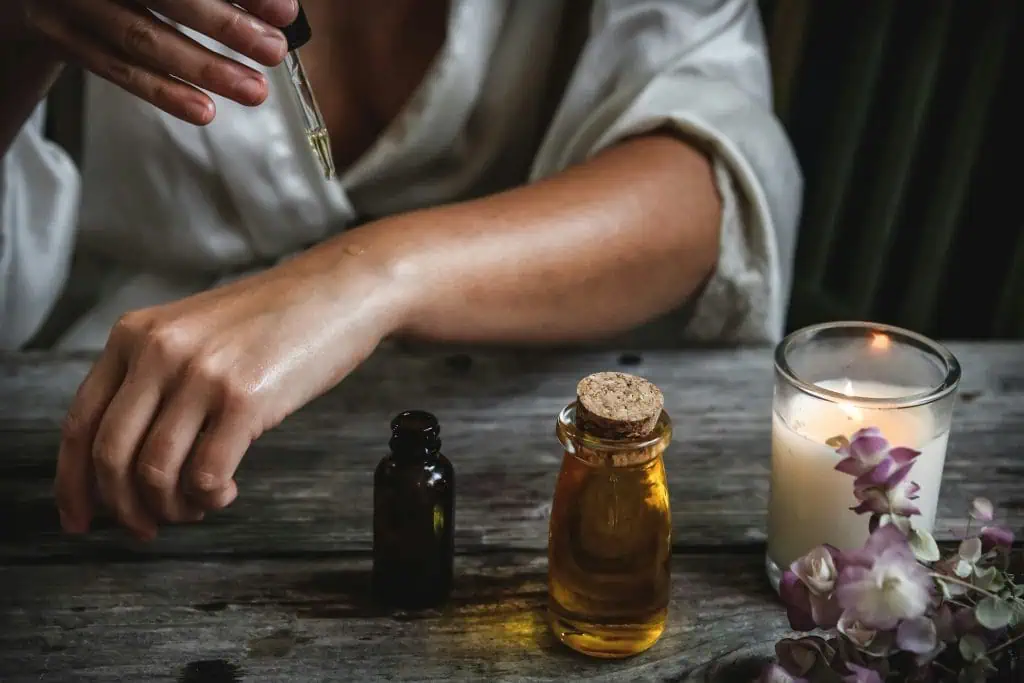
Aromatherapy is a simple yet effective practice, utilizing essential oils to promote relaxation and stress relief. Lavender oil is widely appreciated for its calming properties, often diffused or applied topically. Citrus scents like bergamot and orange can invigorate and uplift your mood, acting as natural stress busters. Use a diffuser or small vial to inhale deeply, embracing the full effects. Consistency is key—regular exposure to these scents can significantly lower anxiety over time.
Find Peace in a Gratitude Journal

Keeping a gratitude journal can transform your approach to stress by directing your focus towards positive aspects of daily life. Set aside a few minutes each day to jot down moments you’re thankful for, no matter how small. This practice can foster a more optimistic mindset and reduce anxiety levels. Over time, it may enhance your emotional resilience, equipping you with greater capacity to deal with stressors. Ensure regularity in this habit to see its full potential.
Sip Stress Away with Herbal Teas
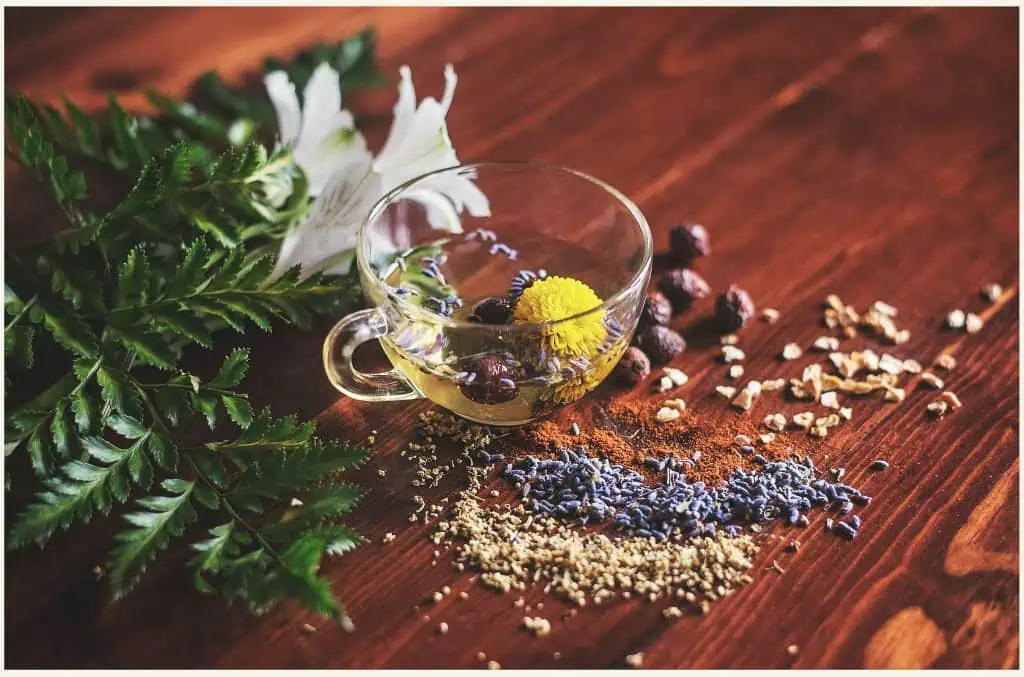
Herbal teas serve as a soothing ritual to mitigate stress. Chamomile tea offers calming effects, making it a favorite pre-sleep choice. Peppermint tea’s menthol properties work to relax both mind and body, while green tea contains L-theanine, known to ease anxiety without drowsiness. Brew carefully, allowing enough steeping time for flavors to develop fully. Sipping slowly not only lets you savor the taste, but also encourages deep, relaxing breaths—a simple form of mindfulness.
Say No to Alcohol and Nicotine

Both alcohol and nicotine are tempting quick fixes for stress, yet they exacerbate the problem over time. While alcohol may initially provide a sense of relaxation, its effects on the central nervous system can lead to increased anxiety and disrupted sleep. Nicotine, a stimulant, increases heart rate and can elevate stress levels rather than settling them. Opt for healthier coping mechanisms like deep breathing or brisk walks. Replacing these habits gradually with more supportive practices can yield lasting calm.
Discover Peace in Yoga and Stretching

Yoga and stretching are not only effective for physical flexibility but also powerful tools for mental clarity. Practicing yoga engages deep breathing and focused movements, which are scientifically shown to decrease cortisol levels, the hormone linked to stress. Try beginning with simple poses like Child’s Pose or Cat-Cow, which help ground your thoughts and relax tense muscles. Each gentle stretch releases built-up tension while simultaneously promoting blood flow. Consistent practice fosters a meditative state of awareness, allowing your body and mind to unwind harmoniously. Incorporating these routines into your daily life can lead to lasting emotional balance.
